
Furniture Industry Matchmaker
Not sure where to shop? Answer these three quick questions to discover which of the world's leading furniture entities matches your lifestyle.
Your Recommended Partner:
Why this match?
Key Characteristics
Business Model Insight
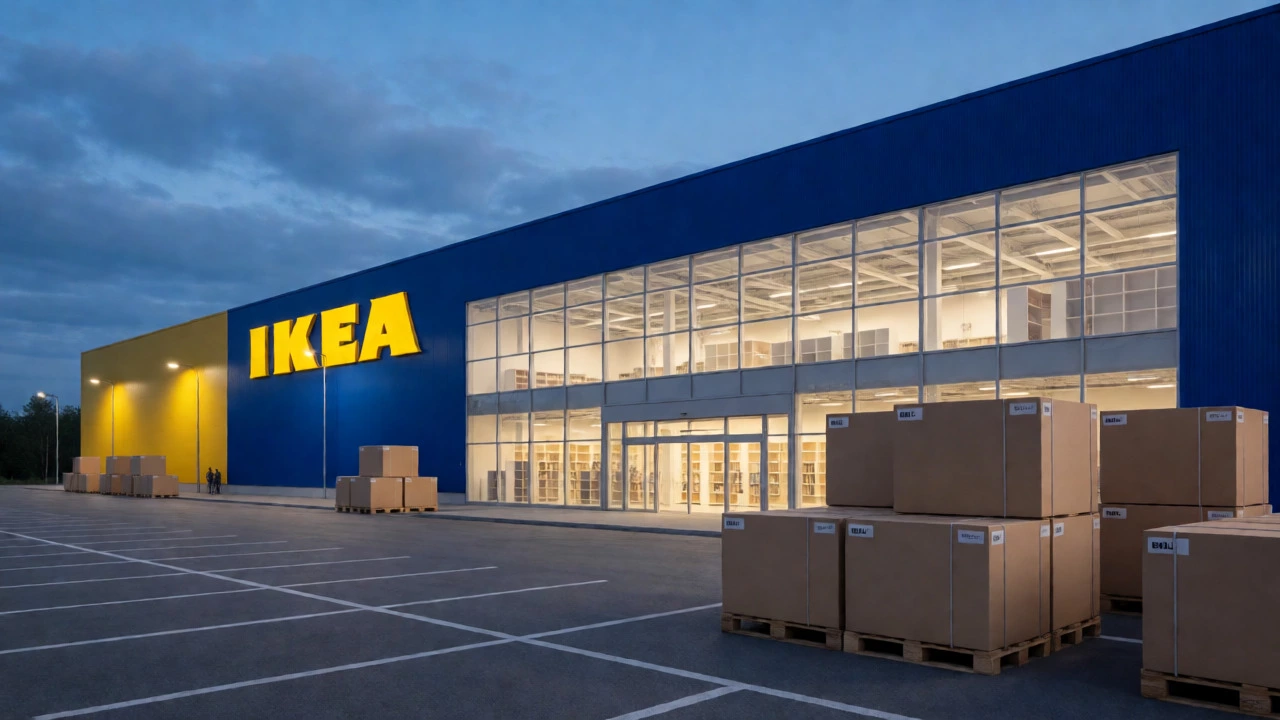
You walk into a store, see a sleek sofa or a sturdy oak table, and wonder: who actually made this? It’s easy to assume it’s some local carpenter or a small workshop. But for the vast majority of mass-market furniture you interact with daily, the answer points to one giant entity that dominates the globe. If you are looking for the single biggest name in the room, IKEA is the world's largest furniture retailer and manufacturer by sales volume and brand recognition. However, calling them the "largest manufacturer" requires a bit of nuance because the line between making and selling has blurred significantly.
While IKEA holds the crown for consumer-facing dominance, other players like Ashley Furniture Industries hold massive manufacturing footprints, especially in North America. Understanding who truly leads depends on whether you measure by revenue, units sold, or factory output. This breakdown cuts through the marketing noise to show you exactly how the top contenders stack up, why their strategies differ, and what this means for the future of home goods.
The Uncontested Leader: Why IKEA Dominates
When people ask who runs the furniture world, they usually mean IKEA. Founded in Sweden in 1943 by Ingvar Kamprad, IKEA Group operates as a multinational conglomerate specializing in ready-to-assemble furniture and home accessories. By 2025, the company reported annual retail sales exceeding €47 billion. That number alone dwarfs most competitors. But here is the catch: IKEA doesn’t own all its factories. They rely heavily on outsourcing production to thousands of suppliers worldwide, particularly in China, Poland, and Vietnam.
So, are they a manufacturer? Technically, yes, but more accurately, they are a vertically integrated supply chain manager. They design products specifically for efficient flat-pack shipping and low-cost assembly. This strategy allows them to control costs tightly. Unlike traditional manufacturers who might build heavy, pre-assembled pieces, IKEA’s model prioritizes logistics efficiency over raw material weight. This distinction matters if you are analyzing business models. You aren’t just buying a chair; you’re buying into a system optimized for global distribution.
Consider the BILLY bookcase. It’s arguably the most famous piece of furniture in history. Over 60 million units have been sold since its launch. No other single product from any other company comes close to that volume. This scale gives IKEA immense bargaining power with raw material suppliers, allowing them to undercut prices even when shipping costs rise. Their dominance isn’t just about size; it’s about operational precision.
Ashley Furniture: The North American Powerhouse
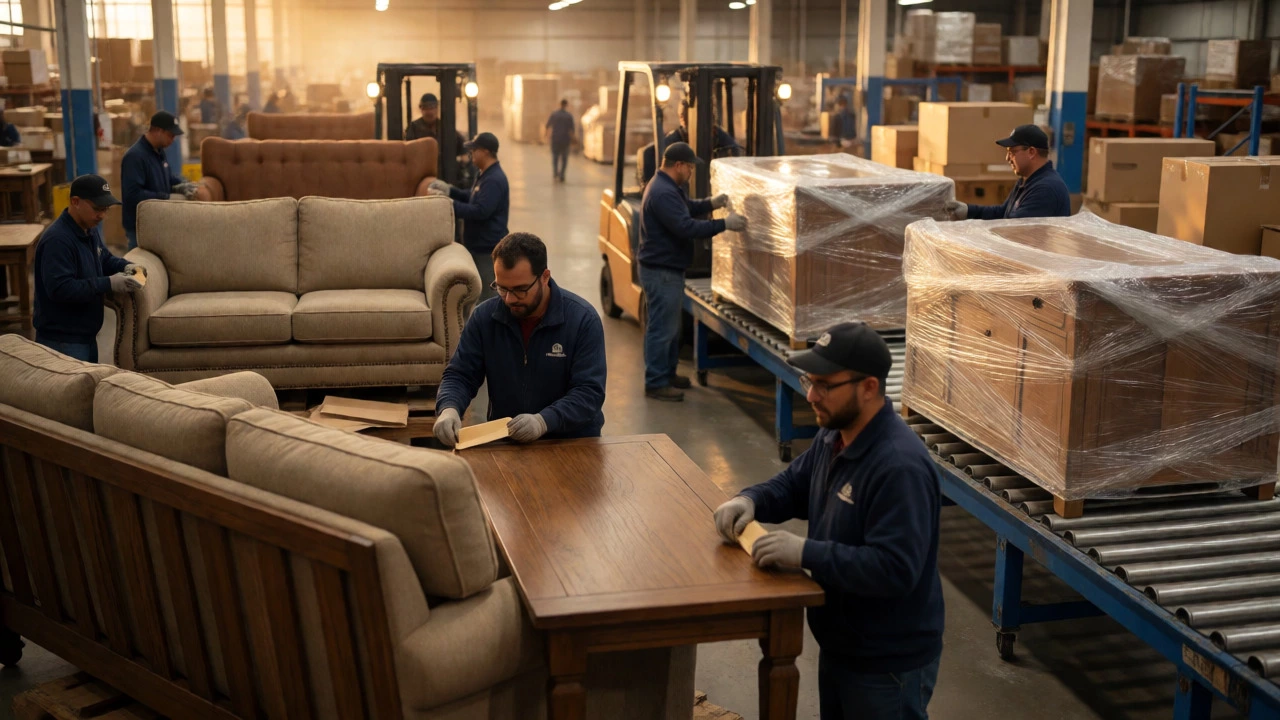
If you look strictly at physical manufacturing capacity within a single region, Ashley Furniture Industries is the largest residential furniture manufacturer in North America. Headquartered in Arcadia, Wisconsin, Ashley owns and operates numerous factories across the United States and Mexico. While IKEA outsources much of its production, Ashley keeps significant production in-house. This vertical integration allows them to respond quickly to US market trends without waiting for container ships from Asia.
Ashley’s strength lies in traditional, pre-assembled furniture. Think plush sofas, heavy wooden dining sets, and bedroom collections. These items require different labor skills and machinery compared to IKEA’s particleboard-and-veneer approach. In 2024, Ashley generated estimated revenues of over $5 billion, which is substantial but still trails IKEA’s global footprint. However, in terms of domestic manufacturing jobs and factory square footage in the Western Hemisphere, Ashley is unmatched.
Why does this matter? Because supply chain resilience became a hot topic after the global shipping crises of the early 2020s. Companies like Ashley, with shorter supply lines to major markets like Chicago and New York, could maintain inventory levels better than those relying entirely on overseas imports. This strategic advantage highlights that "largest" can mean different things depending on your geographic focus.
Other Key Players in the Global Arena
Beyond the two giants, several other companies wield significant influence. Wayfair is an e-commerce leader that aggregates furniture from thousands of suppliers rather than manufacturing most items itself. Wayfair’s model is purely digital-first. They don’t run factories; they run algorithms. By leveraging data analytics, they predict trends and source products dynamically. While they don’t manufacture, their purchasing volume makes them a critical customer for actual manufacturers.
Then there are specialized manufacturers like Steelcase, which specializes in office furniture and workplace solutions. Steelcase might not sell millions of living room couches, but in the corporate sector, they are a titan. Their R&D budget for ergonomic research is higher than many consumer brands’ entire marketing spend. Similarly, Herman Miller focuses on high-end ergonomic seating and modern design collaborations. These companies prove that niche dominance can yield higher profit margins than mass-market volume.
In Europe, Italian brands like Natuzzi dominate the leather upholstery segment. Natuzzi produces high-quality sofas primarily for export to the US and Europe. Their manufacturing process involves skilled artisans and premium materials, contrasting sharply with IKEA’s industrial efficiency. This segmentation shows that while IKEA wins on volume, others win on perceived value and craftsmanship.
Comparing the Giants: A Side-by-Side Look
To understand the landscape clearly, it helps to compare these entities based on key metrics. Revenue tells part of the story, but manufacturing location and product type tell the rest.
| Company | Primary Market | Manufacturing Model | Key Strength | Estimated Annual Revenue (Approx.) |
|---|---|---|---|---|
| IKEA | Global | Outsourced / Hybrid | Scale & Logistics Efficiency | €47+ Billion |
| Ashley Furniture | North America | Vertical Integration | Domestic Supply Chain Control | $5+ Billion |
| Wayfair | US / Europe | E-commerce Aggregator | Digital Reach & Data Analytics | $10+ Billion |
| Steelcase | Global Corporate | In-House Specialized | R&D & Ergonomics | $3+ Billion |
Notice the disparity in revenue models. Wayfair often reports higher gross merchandise value (GMV) than Ashley, yet they don’t make the products. This confuses many investors. Always check if the "manufacturer" title refers to the brand owner or the actual factory operator. For IKEA, they own the IP and design, but third parties do the hammering. For Ashley, they own both.
How Manufacturing Scale Impacts Your Wallet
Why should you care who the largest manufacturer is? Because scale dictates price stability and innovation speed. When IKEA decides to switch from solid wood to engineered board for a new shelf line, they can roll this out globally in months. A smaller manufacturer might take years to retool their machines. This agility keeps prices low for consumers.
Furthermore, large manufacturers drive sustainability initiatives. IKEA has committed to using only renewable or recycled materials by 2030. Achieving this requires negotiating bulk contracts for sustainable timber and cotton. Small players simply can’t access these economies of scale. So, when you buy from a giant, you are indirectly supporting broader industry shifts toward eco-friendly practices, albeit sometimes driven by PR necessity rather than pure altruism.
However, scale has downsides. Quality consistency can vary. With thousands of suppliers, IKEA faces challenges in maintaining uniform standards. You might find a flawless table in Birmingham and a slightly wobbly one in London due to different batch productions. Smaller, specialized manufacturers often offer tighter quality control because each unit receives more individual attention.
The Future of Furniture Production
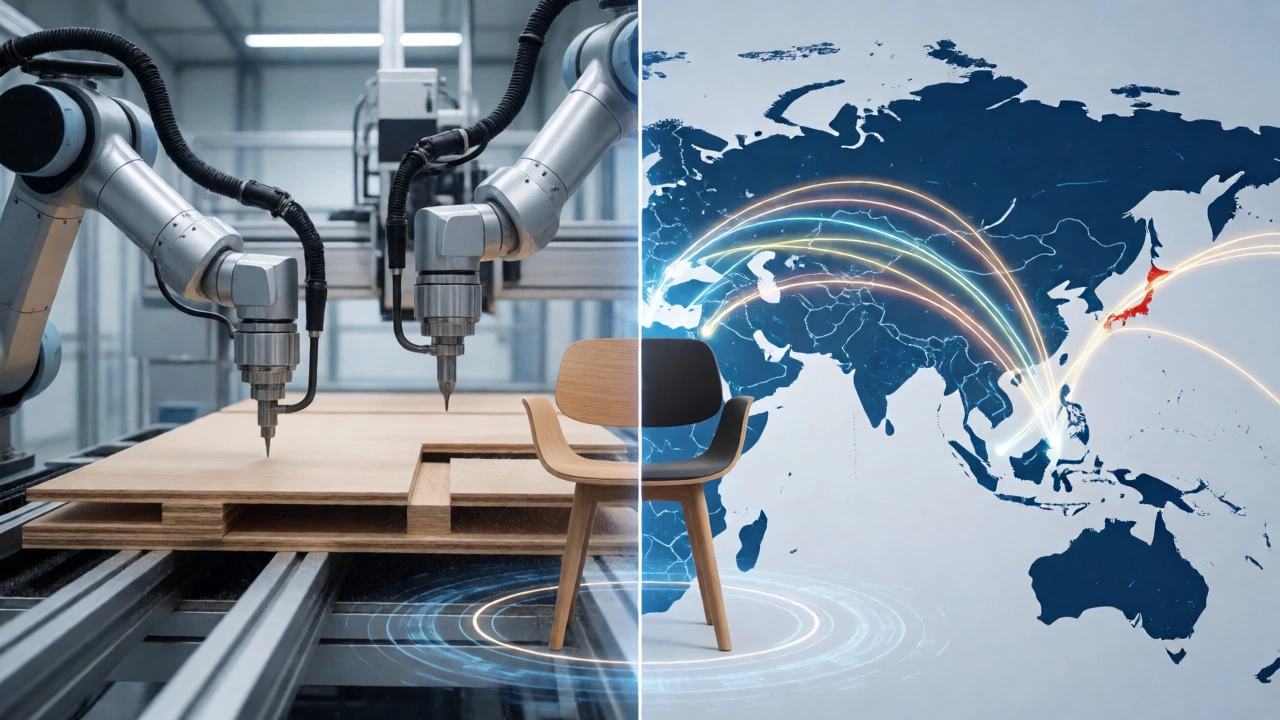
The definition of "largest" is evolving. Automation and AI are changing factory floors. Companies are investing in robotic arms for cutting and sanding, reducing labor costs and increasing precision. Computer Numerical Control (CNC) machining allows for complex designs to be produced efficiently at scale. This technology blurs the line between custom craft and mass production.
Additionally, nearshoring is gaining traction. As geopolitical tensions affect trade routes, manufacturers are moving production closer to end markets. We see this with Ashley expanding in Mexico and IKEA opening facilities in India and Turkey. This diversification reduces risk from port strikes or fuel price spikes. The next decade will likely see a shift from "cheapest labor" to "most resilient supply chain."
For aspiring entrepreneurs in this space, note that the barrier to entry is high for competing with IKEA on price. Instead, success lies in niches-modular furniture, smart-integrated pieces, or hyper-local sourcing. The giants eat the middle market; innovators thrive at the edges.
Is IKEA really a manufacturer?
Yes, but with a caveat. IKEA designs and develops products, but it does not own all the factories that produce them. It relies on a network of over 1,000 suppliers in 50 countries. Therefore, it is best described as a vertically integrated retailer and designer that manages manufacturing processes, rather than a traditional factory owner.
Which company manufactures the most furniture in the USA?
Ashley Furniture Industries is widely considered the largest residential furniture manufacturer in North America. They operate multiple factories in the US and Mexico, producing a wide range of home furnishings including sofas, tables, and beds. Their vertical integration allows them to maintain significant domestic production capacity.
What is the difference between IKEA and Wayfair?
IKEA controls its supply chain, designs its products, and sells them through its own stores and website. Wayfair is an online marketplace that sources products from thousands of different vendors and manufacturers. Wayfair does not typically manufacture the items it sells; instead, it acts as a digital aggregator connecting buyers with various producers.
Are larger furniture manufacturers always cheaper?
Generally, yes, due to economies of scale. Large manufacturers can buy raw materials in bulk and optimize shipping logistics, lowering per-unit costs. However, specialized manufacturers may offer better value for money in specific categories like luxury leather or ergonomic office chairs, where quality and durability justify a higher price point.
How does global trade affect furniture manufacturing?
Global trade determines where furniture is made. Low labor costs in regions like Southeast Asia and Eastern Europe attract mass-production manufacturers. Conversely, tariffs and shipping delays encourage companies to move production closer to their main markets, such as North American firms sourcing from Mexico. This dynamic constantly reshapes the competitive landscape.