
Plastic Production Volume Comparison Tool
Compare annual plastic resin production volumes of top global manufacturers. All data reflects 2025 production figures from the article.
Select Manufacturers to Compare
Comparison Results
| Manufacturer | Production Volume | Market Share |
|---|
Plastic is everywhere. From the bottle of water you drank this morning to the casing of your smartphone, plastic shapes modern life. But who actually makes it? The answer isn’t as simple as one company or one country. Plastic manufacturing is a global, highly specialized industry dominated by a handful of giants and thousands of smaller players. If you’re wondering who’s behind the plastic in your home, car, or grocery store, here’s who really runs the show.
What Exactly Is a Plastic Manufacturer?
A plastic manufacturer doesn’t just mold plastic into final products like bottles or toys. Most of the big players produce the raw materials: resins. These are the base polymers-like polyethylene, polypropylene, polystyrene, and PVC-that get shipped to other factories to be turned into everything from packaging to car parts. Think of them as the flour in a bakery. You don’t bake the cake yourself; you buy the flour from someone who does.
There are two main types of plastic manufacturers:
- Resin producers - Make the raw plastic pellets. These are the giants with massive chemical plants.
- Converter manufacturers - Use those pellets to make finished goods. These are the companies that mold, extrude, or thermoform plastic into products.
This article focuses on the resin producers-the true engines of the plastic industry.
The Top 5 Global Plastic Resin Manufacturers
Five companies control more than 40% of the world’s plastic resin production. They operate across continents, own refineries, and have supply chains that span dozens of countries. Here’s who they are and what they make.
1. ExxonMobil
Headquartered in Irving, Texas, ExxonMobil is one of the largest producers of polyethylene and polypropylene in the world. Its plastics division, ExxonMobil Chemical, operates over 20 major production facilities across North America, Europe, and Asia. In 2025, it produced more than 12 million metric tons of plastic resins annually. Its products are used in food packaging, automotive parts, and household containers. ExxonMobil also invests heavily in chemical recycling tech to reduce plastic waste.
2. Dow Inc.
Dow, spun off from DowDuPont in 2019, is a powerhouse in specialty plastics. It leads in polyethylene for films, polyurethane for insulation, and ethylene-based polymers. Dow’s plants in Louisiana, Texas, and the Netherlands are among the most advanced in the world. In 2025, Dow reported over 14 million metric tons of plastic production. Its materials are found in everything from medical devices to wind turbine blades. Dow also runs one of the largest circular economy programs in the industry, partnering with retailers to collect and reprocess post-consumer plastic.
3. Sinopec
Sinopec, based in Beijing, China, is the largest plastic manufacturer by volume. It’s a state-owned enterprise and part of China’s massive petrochemical infrastructure. Sinopec produces over 16 million metric tons of plastic resin per year, mostly polyethylene and polypropylene. Its products feed China’s massive consumer goods industry and are exported globally. Sinopec’s scale is unmatched-it has over 50 plastic production sites across China and is rapidly expanding into Southeast Asia.
4. BASF
Based in Ludwigshafen, Germany, BASF is the world’s largest chemical company and a top-tier plastic resin producer. It doesn’t just make bulk plastics; it makes high-performance polymers for aerospace, electronics, and medical applications. BASF’s Ultramid (nylon), Makrolon (polycarbonate), and Elastollan (TPU) are industry standards. In 2025, BASF produced over 8 million metric tons of plastics. Its innovation focus is on biodegradable and bio-based plastics, including a new line of plant-derived polyamides.
5. LyondellBasell
Headquartered in Houston, LyondellBasell is the largest producer of polypropylene in the world. It also makes polyethylene, ethylene, and olefins. The company operates 60 manufacturing sites across North America, Europe, and Asia. In 2025, it produced over 11 million metric tons of plastic resins. LyondellBasell’s plastics are used in medical syringes, food containers, and automotive bumpers. It’s also a leader in mechanical recycling, with a plant in the Netherlands that turns used plastic bottles into new food-grade packaging.
Other Major Players in the Plastic Industry
While the top five dominate, other companies play critical roles:
- INEOS - A UK-based company that produces PVC and polyethylene, with major plants in Germany, Belgium, and the U.S. Known for its vertical integration, INEOS owns its own ethylene crackers.
- Reliance Industries - India’s largest private company, with a massive petrochemical complex in Jamnagar. It produces over 7 million metric tons of plastic annually and is expanding into advanced recycling.
- Formosa Plastics Group - Based in Taiwan, this company is one of the largest producers of PVC and polystyrene in Asia. It operates in the U.S. and China and has faced scrutiny over environmental compliance.
- Shell Chemical - Though Shell exited the plastics business in 2022, its former assets were acquired by INEOS and other firms. Shell’s legacy infrastructure still supports global supply chains.
How Plastic Manufacturing Works: A Simple Breakdown
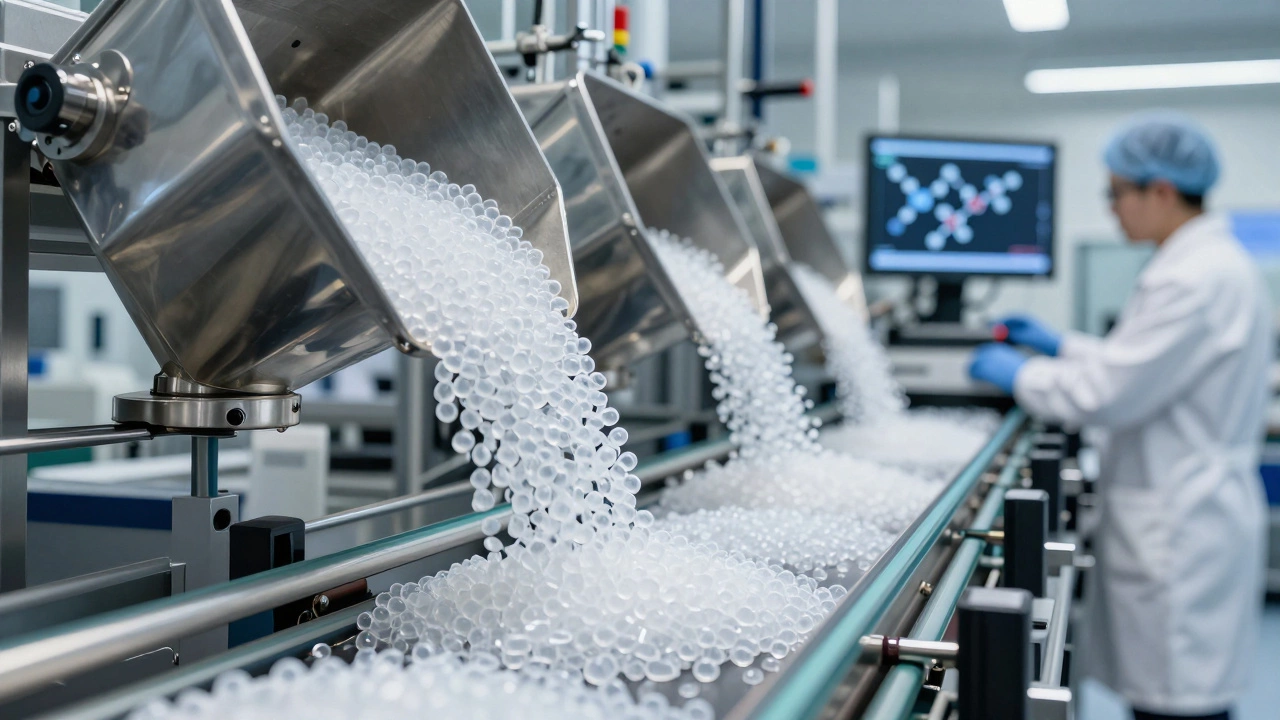
Plastic doesn’t grow on trees-it’s made from oil and gas. Here’s how it happens:
- Feedstock extraction - Ethane and naphtha are pulled from natural gas and crude oil.
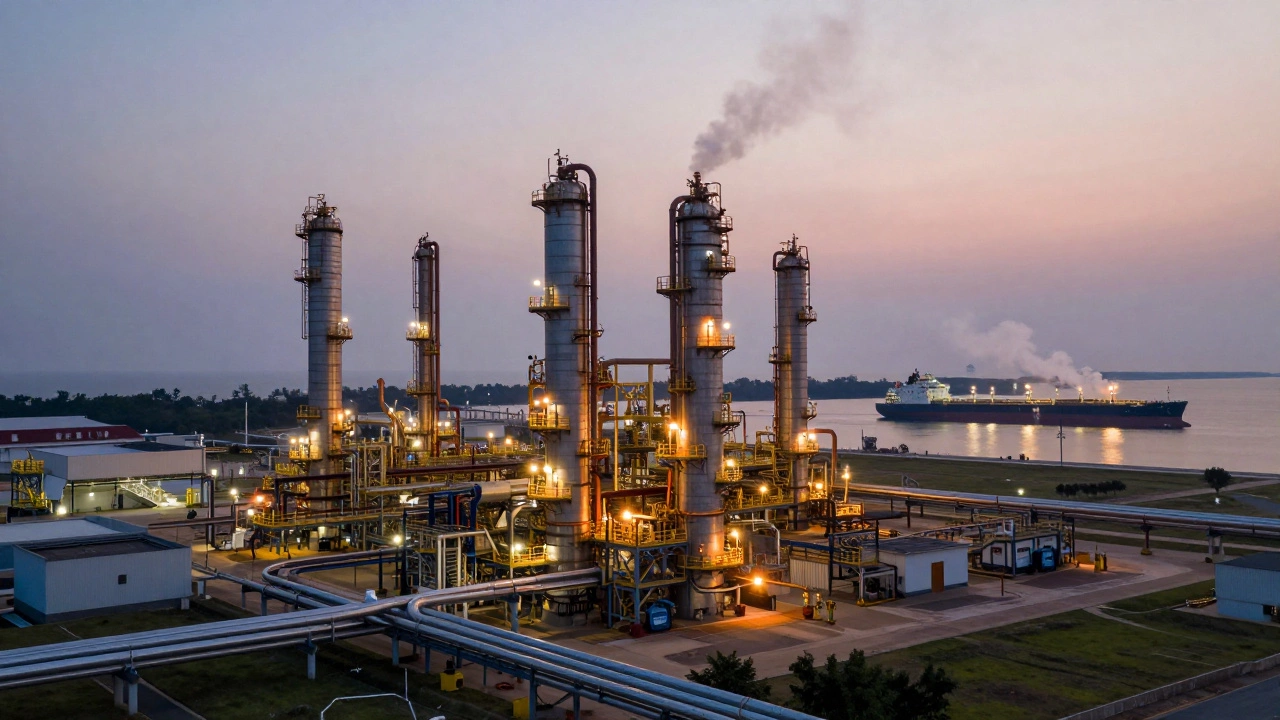
- Cracking - These hydrocarbons are heated in massive furnaces to break them into ethylene and propylene.
- Polymerization - The broken-down molecules are chemically linked into long chains (polymers) like polyethylene.
- Processing - The polymers are cooled into pellets, shipped to converters, and melted into final products.
Each step requires billions in infrastructure. A single ethylene cracker costs $2 billion to build and runs 24/7 for decades. That’s why only a few companies can afford to be in this game.
Where Is Plastic Made? Geographic Hotspots
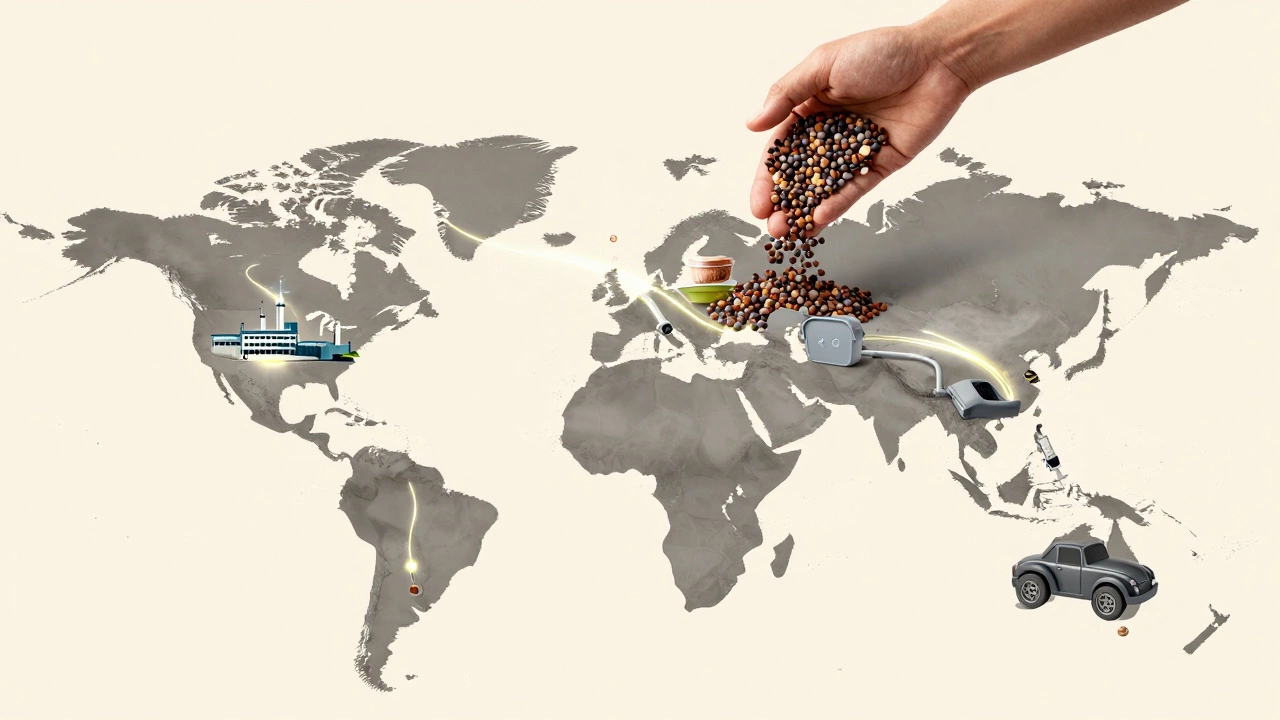
Plastic production isn’t evenly spread. It’s clustered where feedstock is cheap and infrastructure is strong:
- North America - The U.S. Gulf Coast (Texas, Louisiana) is the world’s most efficient plastic production zone thanks to cheap shale gas.
- East Asia - China, South Korea, and Taiwan produce over 50% of global plastic. China alone makes more than 30%.
- Europe - Germany, the Netherlands, and Belgium lead in high-value specialty plastics and recycling tech.
- Middle East - Saudi Arabia and Qatar use cheap oil to make plastics for export. Aramco’s petrochemical arm is a rising global force.
The U.S. and China together account for nearly half of global plastic resin output. That’s why global supply chains are so fragile-any disruption in either country ripples worldwide.
What’s Changing in the Plastic Industry?
The industry is under pressure. Governments are banning single-use plastics. Consumers want sustainable packaging. Investors are pulling funding from virgin plastic projects.
So what are the big manufacturers doing?
- Investing in recycling - Dow, LyondellBasell, and BASF are building chemical recycling plants that break plastic back into its original molecules.
- Switching to bio-based feedstocks - Some companies now use sugarcane or waste oils instead of fossil fuels to make polyethylene.
- Designing for reuse - Plastic bottles are being made with fewer layers, so they’re easier to recycle.
- Collaborating with brands - Companies like Nestlé and Unilever now partner directly with plastic makers to create closed-loop systems.
The future isn’t about eliminating plastic-it’s about making it circular. The manufacturers who adapt fastest will survive.
Why This Matters to You
You might think plastic manufacturing is a distant, industrial issue. But it’s not. Every time you buy bottled water, order online, or use a food container, you’re part of this system. The companies that make the plastic also shape its environmental impact.
When you see a recycling symbol on a package, ask: Who made the plastic inside? Is it designed to be recycled? Are the makers investing in real solutions-or just greenwashing?
The plastic industry is changing. And you have more power than you think. Supporting brands that use recycled content, demanding less packaging, and pushing for better policies all help shift the market. The biggest plastic makers listen to customers. They always have.