
India Car Import Cost Estimator
Estimated Total Cost
Quick Reality Check: The Cost of Importing
- Customs Duty: Expect to pay between 60% and 125% of the car's value.
- Registration: Local taxes apply based on the engine capacity and car value.
- Compliance: Modifying a foreign car to meet Indian road norms can cost thousands.
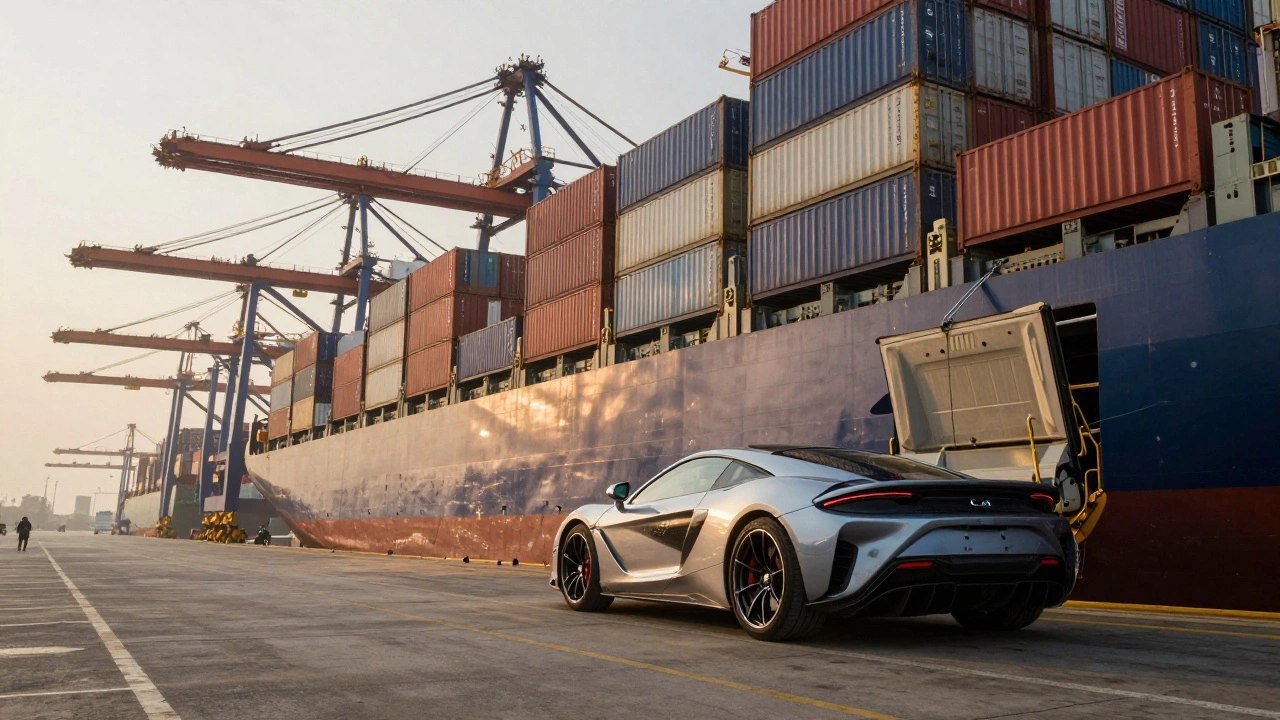
- Shipping: Freight and insurance add a significant chunk to the initial price.
Understanding the Heavy Hitters: Customs and Duties
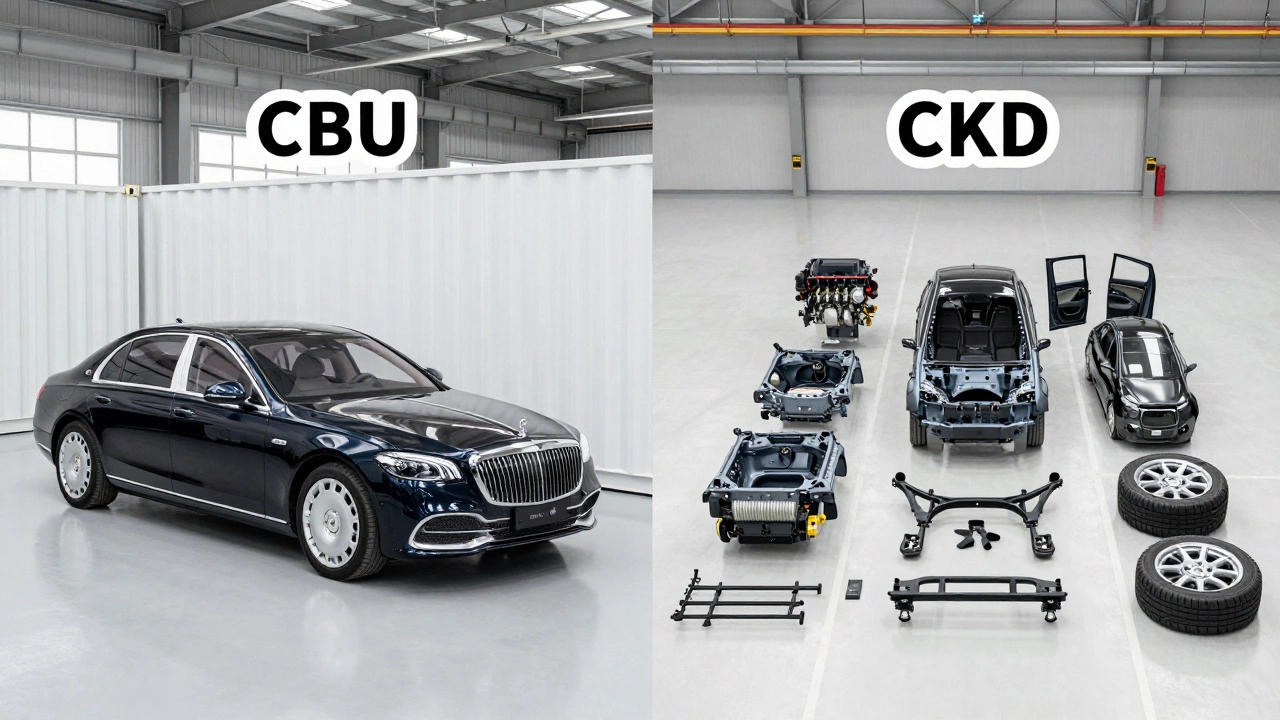
When you bring a vehicle into the country, you aren't just paying for shipping. You are dealing with Customs Duty is a tax imposed by the government on imported goods to protect domestic industries . In India, this is where the "savings" usually vanish. If you import a car as a CBU is a Completely Built Unit, meaning the car is fully assembled abroad , the duties are punishing. For most luxury cars, the Basic Customs Duty (BCD) starts high, and then you add the Integrated GST (IGST) and a Social Welfare Surcharge.
Let's say you find a car for $30,000 in Dubai. By the time the Indian government applies a 100% duty, your $30,000 car suddenly costs $60,000 before you've even paid for the ship. Why does the government do this? It's a deliberate move to encourage Automobile Manufacturing within Indian borders. By making imports expensive, the state pushes global brands to build factories in cities like Pune or Chennai.
CBU vs CKD: The Secret to Lowering Costs
If you look at how brands like BMW or Mercedes-Benz operate in India, they rarely import every single car as a CBU. Instead, they use CKD is Completely Knocked Down kits, where the car is shipped as a collection of parts and assembled locally . Because assembling the car in India creates jobs and uses local labor, the government offers significantly lower duty rates for CKDs compared to fully assembled cars.
| Feature | CBU (Completely Built Unit) | CKD (Completely Knocked Down) |
|---|---|---|
| Customs Duty Rate | Very High (up to 125%) | Moderate (significantly lower) |
| Assembly Location | Foreign Country | India |
| Delivery Time | Faster (direct shipment) | Slower (requires assembly) |
| Best For | Rare/Vintage collectibles | Mass-market luxury models |
Navigating the Legal Maze: Rules and Permits
Money isn't the only hurdle; the paperwork is a mountain. To legally import a car, you need to adhere to the guidelines set by the DGFT is Directorate General of Foreign Trade, the body that regulates imports and exports in India . One of the biggest sticking points is the age of the vehicle. Generally, you cannot import used cars unless you are a diplomat or a returning resident (Transfer of Residence) with specific exemptions.
Then there is the issue of emissions. Your imported car must meet BS6 is Bharat Stage 6, the current emission standard in India equivalent to Euro 6 standards. If you're importing a vintage car, you might get a pass, but for any modern vehicle, if it doesn't hit these environmental marks, the RTO is Regional Transport Office, responsible for vehicle registration and licensing will simply refuse to register it. A car without an RTO registration is essentially a very expensive paperweight that you cannot legally drive on public roads.
The "Transfer of Residence" Loophole
Is there any way to actually make it cheaper? For those who have lived abroad for a long time, the Transfer of Residence (TR) facility provides some relief. If you are an Indian citizen returning home after staying abroad for at least two years, you can import your personal effects-including a car-at a concessional rate of duty.
However, don't get too excited. Even with TR, the car must be used, and there are strict limits on the age of the vehicle. You'll still have to deal with the RTO and prove that the car meets Indian safety and emission standards. It's "cheaper" than a standard import, but it's rarely "cheap" in absolute terms.
Hidden Costs That Catch Buyers Off Guard
Beyond the taxes, there are operational nightmares. Consider the fuel. Many foreign cars are tuned for high-octane fuel or specific diesel grades that might not be readily available at every pump in a small Indian town. This often requires engine re-tuning or expensive additives.
Then there is the parts problem. Since you've imported a specific trim or model not sold in India, you can't just walk into a local dealership for a replacement air filter or brake pad. You'll be ordering parts from overseas, paying international shipping, and waiting weeks for a simple repair. This is why importing cars to India usually becomes a hobby for the wealthy rather than a smart financial move.
Is it Ever Worth It?
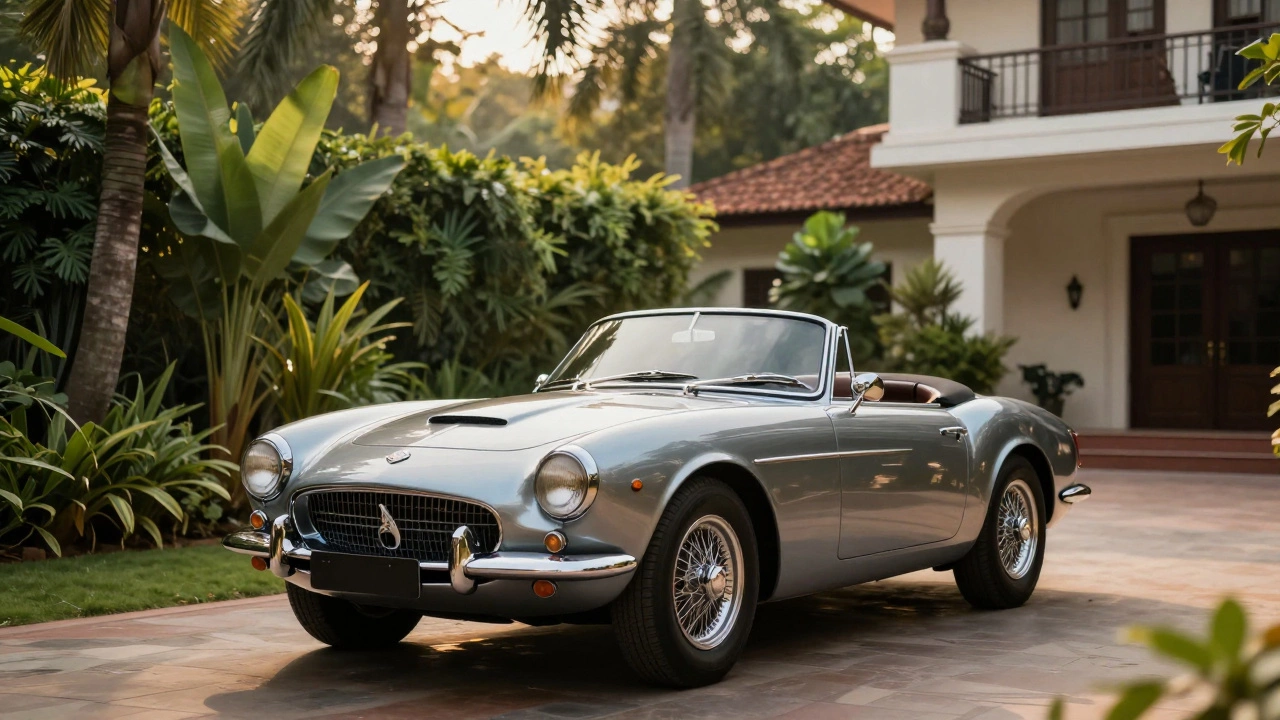
If you are looking for a bargain, the answer is a hard no. Buying a locally manufactured or assembled car is almost always cheaper. But if you are a collector looking for a specific Classic Car is a vehicle of historical interest, typically over 30 years old, often exempt from some modern emission rules , the math changes. The emotional value of owning a piece of history often outweighs the crushing weight of the customs duties.
For the average driver, the most logical path is to look for cars assembled in India. The growth of the local industry means that most global brands now have a footprint here, providing the same luxury and performance without the 100% tax surcharge.
Can I import a used car to India as a private citizen?
Generally, no. India has very strict laws against importing used vehicles to protect the domestic market. The only common exceptions are for diplomats or people returning to India under the Transfer of Residence (TR) rules, who must meet specific residency and ownership criteria.
What is the average customs duty for a luxury car?
For Completely Built Units (CBUs), duties can range from 60% to 125% depending on the vehicle's value and engine capacity. This includes Basic Customs Duty, IGST, and the Social Welfare Surcharge.
Does the BS6 emission standard apply to imported cars?
Yes. Any modern vehicle imported into India must comply with Bharat Stage 6 (BS6) emission norms to be registered by the RTO. If the car does not meet these standards, it cannot be legally driven on Indian roads.
Is it cheaper to import an Electric Vehicle (EV)?
While the government provides some incentives for EV adoption, importing a luxury EV as a CBU is still expensive due to high customs duties. However, the overall cost of ownership might be lower due to reduced fuel costs and different tax slabs for EVs in some states.
What is the difference between CBU and CKD?
CBU stands for Completely Built Unit, where the car is finished and ready to drive upon arrival. CKD stands for Completely Knocked Down, where the car is shipped as parts and assembled in India. CKDs attract much lower import duties because they support local manufacturing.
Next Steps for Potential Importers
If you are still determined to bring a vehicle home, start by contacting a licensed customs house agent (CHA). They can give you a precise quote on duties based on the car's CIF (Cost, Insurance, and Freight) value. Before buying the car abroad, obtain a "No Objection Certificate" or a compliance report to ensure the model can actually be registered in India. If you're just looking for a luxury ride, your best bet is to visit a local dealer for a model assembled in India to save yourself from a bureaucratic and financial nightmare.