
US Plastic Production Leaderboard
Explore the top plastic manufacturers in America by comparing their estimated annual resin production capacity. Click on a company to see detailed insights about their primary products and strategic advantages.
Select a bar above to view company details.
You probably don't think about it when you grab a water bottle or unwrap a package, but there's a massive industrial engine humming in the background. It’s not just about recycling bins and ocean cleanup crews; it’s about who is actually making the stuff in the first place. If you’re wondering who produces the most plastic in America, the answer isn't one single factory. It’s a handful of giant chemical corporations that dominate the market.
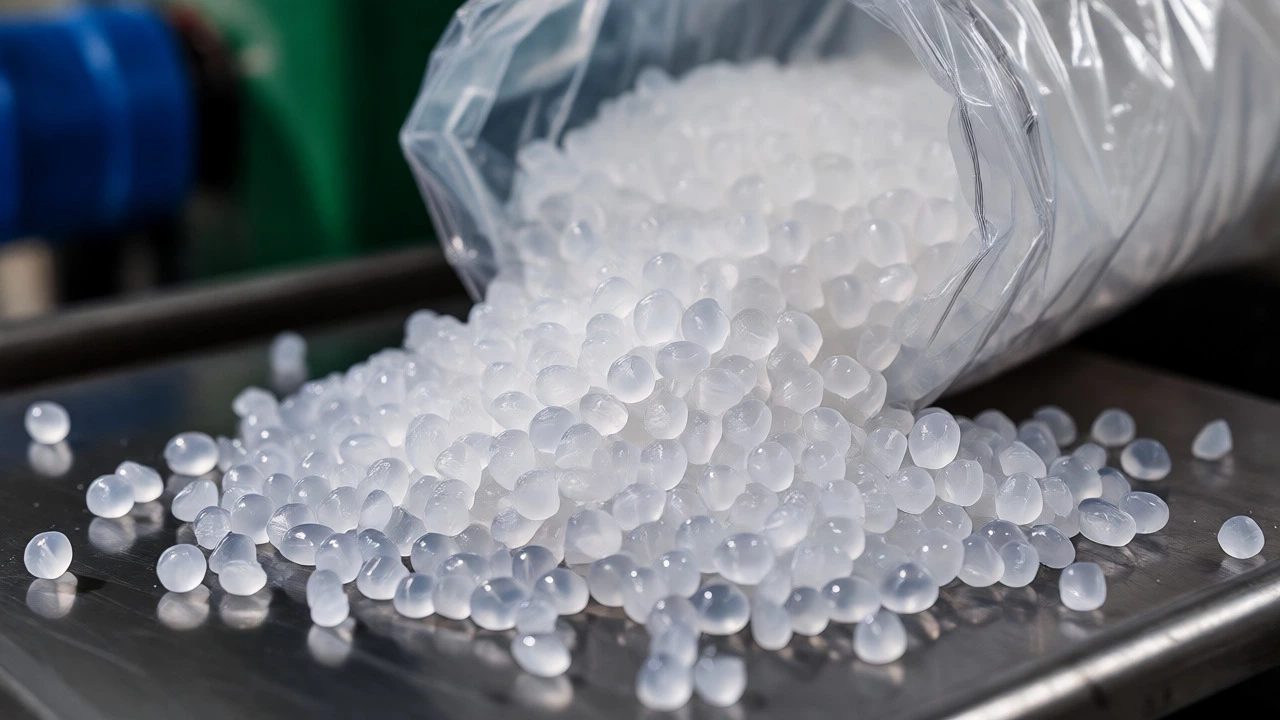
These companies are the giants of the petrochemical industry. They take crude oil and natural gas liquids and turn them into the raw materials-resins and polymers-that eventually become everything from your phone case to the bumper on your car. Let’s break down who these players are, where they operate, and why their scale matters for both the economy and the environment.
The Big Three: Dominating US Plastic Production
If you look at the sheer volume of output, three names consistently rise to the top. These aren't small startups; they are multinational conglomerates with footprints stretching across the Gulf Coast and beyond.
Dow Inc. is widely considered the largest producer of plastics and chemicals in North America. Headquartered in Midland, Michigan, Dow doesn't just make plastic; it makes the building blocks for it. Their portfolio includes polyethylene (used in bags and films) and polystyrene (used in packaging). In recent years, Dow has produced over 10 million metric tons of plastic resins annually in the US alone. That’s enough to wrap around the Earth multiple times. What sets Dow apart is its integration-they often own the wells that provide the ethane feedstock, giving them a cost advantage that smaller competitors struggle to match.
LyondellBasell is another heavyweight. While technically headquartered in Rotterdam, Netherlands, its operational heart beats strongly in Houston, Texas. LyondellBasell is the world’s largest producer of polypropylene, a versatile plastic used in automotive parts, medical devices, and food containers. Their presence in the US is so significant that many analysts count them as a domestic leader. They focus heavily on circular economy initiatives, trying to balance their massive output with sustainable practices, though critics argue their primary goal remains volume growth.
ExxonMobil Chemical might surprise you. Yes, Exxon is famous for oil, but their chemical division is a plastic powerhouse. By leveraging their own supply of natural gas liquids, ExxonMobil produces vast quantities of polyethylene. Their Baytown, Texas complex is one of the largest integrated chemical sites in the world. Because they control the upstream oil and gas, they can produce plastic resin cheaper than many standalone chemical companies, allowing them to flood the market with low-cost material.
Why the Gulf Coast is the Plastic Capital of America
Notice a pattern? Dow, LyondellBasell, and ExxonMobil all have massive operations along the US Gulf Coast, particularly in Texas and Louisiana. Why there?
It comes down to geography and infrastructure. The shale boom in the Permian Basin unleashed a flood of ethane and propane. Instead of exporting all this gas, companies built cracking plants right next to the pipelines. This reduces transport costs significantly. Plus, the region has access to deep-water ports for exporting finished plastics to Asia and Europe.
This concentration creates a cluster effect. Suppliers, logistics providers, and specialized labor pool in this area. If you’re looking for jobs in plastic manufacturing, Houston and Baton Rouge are the epicenters. But this concentration also raises environmental concerns. Communities near these plants often face higher air pollution levels, leading to ongoing debates about health impacts versus economic benefits.
Beyond the Giants: Specialized and Regional Producers
While the big three handle commodity plastics (the cheap, high-volume stuff), other companies specialize in high-performance engineering plastics. These are the materials used in aerospace, electronics, and medical implants.
Covestro is a German company with a huge US footprint, particularly in polycarbonates and polyurethanes. You’ll find Covestro products in everything from eyeglass lenses to insulation foam. They compete directly with local players by focusing on innovation rather than just volume.
Eastman Chemical Company, based in Kingsport, Tennessee, focuses on specialty additives and fibers. They’re less about mass-producing grocery bags and more about creating materials that withstand extreme heat or resist chemicals. Their approach highlights that "plastic" isn't a monolith; it’s a diverse family of materials with different producers.
How Do We Measure "Most"?
When we ask who produces the most, we need to define our metrics. Are we talking about weight? Revenue? Number of facilities?
Usually, industry reports use metric tons of resin produced. Here’s how the major players stack up in terms of estimated annual US resin capacity:
| Company | Primary Product Focus | Key US Locations | Market Position |
|---|---|---|---|
| Dow Inc. | Polyethylene, Polystyrene | Texas, Louisiana, Michigan | Leader in Volume |
| LyondellBasell | Polypropylene | Texas, California, Ohio | Global Leader in Polypropylene |
| ExxonMobil Chemical | Polyethylene | Texas, New Jersey | Cost Leader via Integration |
| Formosa Plastics Corp | PVC, Polyethylene | Texas, Louisiana | Major PVC Producer |
| Westlake Corporation | Vinyl Chloride Monomer (VCM) | Louisiana, Texas | Specialist in Vinyls |
Note that Formosa Plastics deserves a mention here. Though privately held, they are a massive player, especially in PVC (polyvinyl chloride), which is used in pipes and construction materials. Their Point Comfort, Texas plant is iconic-and controversial-due to historical pollution issues.
The Shift Toward Sustainable Production
Here’s the twist: the definition of "top producer" is changing. Consumers and regulators are demanding sustainability. So, who produces the most plastic now also needs to answer: who produces the most recycled or bio-based plastic?
Dow and LyondellBasell are investing billions in advanced recycling technologies. They’re moving away from linear models (make-use-dispose) toward circular ones. For example, Dow has committed to helping remove 1 million metric tons of plastic waste from the environment annually by 2030. Meanwhile, newer entrants like EcoPlast or regional startups are trying to carve out niches with compostable alternatives, though their volumes are tiny compared to the giants.
This shift affects who leads the pack. A company might be #1 in virgin plastic production but lagging in recycled content. Investors are watching these metrics closely. If you’re an entrepreneur looking to enter the space, consider where the gap is. Is it in raw resin production? Or is it in processing those resins into sustainable end-products?
What Does This Mean for Businesses and Consumers?
Understanding who produces plastic helps you navigate supply chains. If you’re a manufacturer buying resin, knowing that Dow or Exxon controls the price of polyethylene means you need to hedge against oil price fluctuations. When oil prices drop, plastic becomes cheaper, which can hurt alternative material suppliers but boost plastic demand.
For consumers, it clarifies responsibility. Blaming "plastic" is vague. Blaming specific production practices is actionable. Knowing that a few corporations drive the majority of US output suggests that policy changes targeting these large entities could have outsized impacts on waste reduction.
Frequently Asked Questions
Which state produces the most plastic in the USA?
Texas is the undisputed leader. Thanks to its abundant natural gas resources and extensive pipeline network, Texas hosts the largest concentration of petrochemical plants in the nation. Louisiana is a close second, particularly for vinyl and chlor-alkali products.
Is Dow the biggest plastic company in the world?
Dow is one of the largest, but competition is fierce. Sinopec (China) and SABIC (Saudi Arabia) are global rivals. However, within the United States specifically, Dow consistently ranks as the top producer by volume of resin manufactured domestically.
Do these companies recycle their own plastic?
Increasingly, yes. Companies like LyondellBasell and Dow are developing chemical recycling methods that break plastic down to its molecular level, allowing it to be remade into new virgin-quality plastic. However, mechanical recycling (melting and reshaping) still dominates, and much of the output ends up in landfills despite corporate pledges.
Why is plastic production concentrated in the Gulf Coast?
It’s about feedstock proximity. Plastic is made from ethane and propane, which come from natural gas. The shale boom made these gases cheap and accessible in Texas and Louisiana. Building plants nearby minimizes transportation costs for heavy, bulky raw materials.
Are there any new major plastic producers emerging?
While no new giant has emerged to challenge the top three recently, several mid-sized firms are expanding bioplastics capabilities. Additionally, foreign companies like China’s Wanhua Chemical are exploring US expansion, though regulatory hurdles remain high.