
Chemical Supplier Selection Tool
Select your primary business need to find the ideal chemical manufacturing partner.
Bulk Volume
I need basic raw materials like ethylene or propylene at the lowest cost per ton.
High Tech / Custom
I require custom formulations for electronics, pharma, or high-performance coatings.
Asia Region
I operate in Asia and want to minimize logistics costs and tariffs.
Company Name
Headquarters: Location
Description of why this company is the best fit.
Key Advantages
Strategic Fit Analysis
When you think of the chemicals that build our world-from the plastics in your phone to the fertilizers growing your food-you might wonder who actually makes them. The answer isn't just one company; it’s a mix of massive industrial giants with different strengths. If you are looking for the single biggest player by revenue, BASF holds the crown. But if you look at specific sectors like petrochemicals or the rapidly growing market in India, the picture changes completely.
The title of "world's largest" depends on how you measure size: total revenue, production volume, or market capitalization. For most business analysts and investors, revenue is the standard metric. By this measure, BASF, the German multinational, has consistently topped the list for years. However, understanding the landscape requires looking beyond just one name. You need to know who drives the market in Asia, who dominates specific chemical types, and how companies like Reliance Industries in India are reshaping the global hierarchy.
The Undisputed Leader: BASF SE
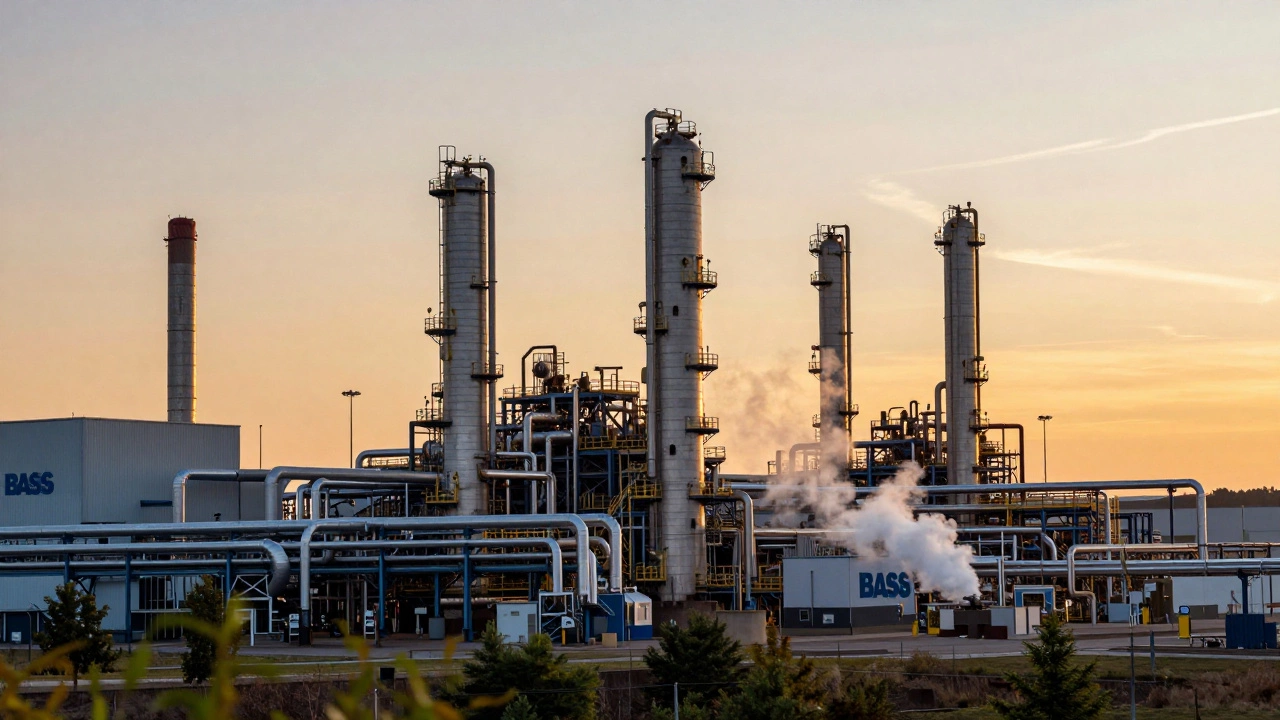
BASF SE is a German multinational chemical company headquartered in Ludwigshafen, Germany, and the largest chemical producer in the world by revenue. Founded in 1865, BASF operates on a scale that is hard to grasp. In recent fiscal years, their annual revenue has hovered around €87 billion (approximately $94 billion USD), depending on currency fluctuations and energy costs in Europe.
Why is BASF so big? It’s not just about making one thing. They operate through six main segments: Chemicals, Intermediates & Materials, Industrial Solutions, Surface Technologies, Nutrition & Care, and Agricultural Solutions. This diversification means they supply everything from basic raw materials to high-end specialty chemicals used in pharmaceuticals and cosmetics.
Their "Verbund" system is key to their efficiency. This integrated production network links together plants and facilities to maximize efficiency and minimize waste. When one plant produces excess heat or steam, it powers another. This creates a cost advantage that smaller competitors struggle to match. For anyone studying the chemical manufacturing sector, BASF represents the gold standard of vertical integration and operational scale.
The Petrochemical Giant: Sinopec and ExxonMobil
If we shift the lens from general chemicals to petrochemicals-chemicals derived from petroleum-the rankings change. Here, state-owned enterprises and oil majors take the lead.
Sinopec Group, China State Petroleum Corporation, is often cited as the largest petrochemical producer in terms of volume. With its massive refining capacity and integrated downstream operations, Sinopec produces millions of tons of ethylene, polyethylene, and other polymers annually. Its sheer output volume rivals or exceeds many Western conglomerates when you strip away the non-chemical refining revenues.
In the West, ExxonMobil remains a titan. While primarily an energy company, its chemical division is one of the largest globally. ExxonMobil excels in olefins and aromatics, producing the building blocks for plastics. Their recent investments in megaprojects in Texas and Singapore highlight their strategy to dominate the high-volume, low-margin commodity chemical space where scale is king.
The Rising Power: Reliance Industries in India
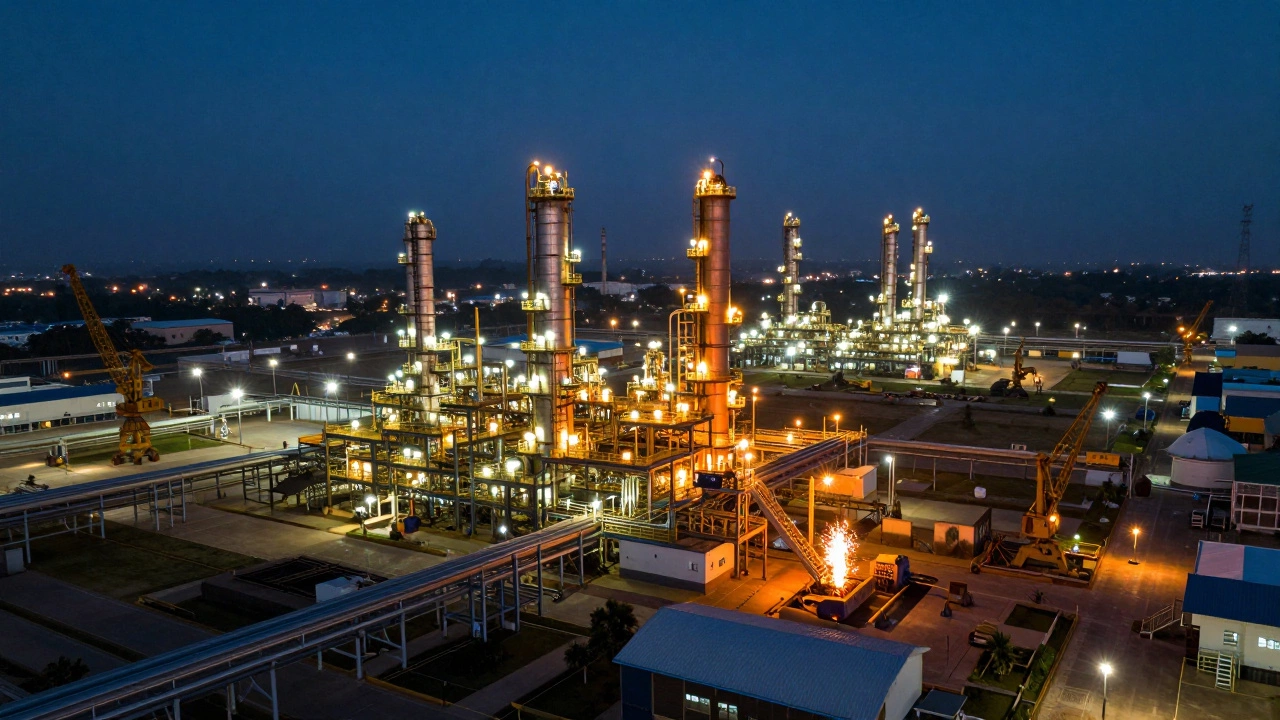
You mentioned interest in chemical manufacturers in India. This is a critical area because India is becoming the fastest-growing major chemical market in the world. The undisputed leader here is Reliance Industries Limited (RIL).
Reliance isn’t just an Indian giant; it’s a global heavyweight. Through its subsidiary, Reliance Industries Limited, specifically the Oil to Chemicals (O2C) business, RIL operates one of the world’s largest integrated petrochemical complexes in Jamnagar, Gujarat. The Jamnagar refinery complex processes over 1.5 million barrels of crude oil per day, feeding into massive petrochemical units.
Here is why Reliance matters in the global context:
- Scale: RIL is among the top 10 chemical producers globally by revenue when considering its combined oil-to-chemicals and retail businesses. Its chemical segment alone generates tens of billions in revenue.
- Integration: Like BASF’s Verbund, Reliance uses deep integration. Crude oil becomes naphtha, which becomes ethylene and propylene, which become plastics and fibers. This minimizes logistics costs and maximizes margin control.
- Green Transition: Reliance is aggressively pivoting toward green hydrogen and renewable energy, aiming to decarbonize its chemical production. This positions it well for future regulatory environments in Europe and North America.
For investors or suppliers looking at the Indian market, Reliance is the gatekeeper. No discussion of Indian chemical manufacturing is complete without analyzing RIL’s capex plans and product slate.
Other Key Players in the Global Landscape
While BASF, Sinopec, and Reliance grab headlines, several other companies hold significant power in specific niches. Understanding these players helps you see where specialization beats generalization.
| Company | Headquarters | Key Strength | Approx. Revenue (USD) |
|---|---|---|---|
| BASF SE | Germany | Diversified Specialty & Commodity Chemicals | $94 Billion |
| Sinopec | China | Petrochemical Volume & Refining Integration | $250+ Billion (Total Energy) |
| Reliance Industries | India | Integrated Oil-to-Chemicals Complex | $100+ Billion (Total Conglomerate) |
| Dow Inc. | USA | Materials Science & Plastics | $40 Billion |
| DuPont | USA | High-Performance Materials & Electronics | $11 Billion |
| Lanxess | Germany | Specialty Chemicals & Rubber | $6 Billion |
Dow Inc. and DuPont represent the American approach. Dow focuses heavily on materials science, supplying packaging, construction, and agriculture. DuPont, after spinning off its legacy chemical business into Corteva, now focuses on high-performance materials for electronics, transportation, and healthcare. These companies earn less in total revenue than BASF but often command higher profit margins due to the specialized nature of their products.
In Europe, Lanxess and Covestro (spun off from Bayer) dominate the specialty polymer space. Covestro is the world’s leading producer of polyurethane systems, essential for insulation, furniture, and automotive parts. These firms show that you don’t need to be the biggest in volume to be influential; you just need to own the critical supply chain for high-tech industries.
Why the "Largest" Title Shifts
The ranking of chemical manufacturers is not static. Several forces are reshaping who leads the pack:
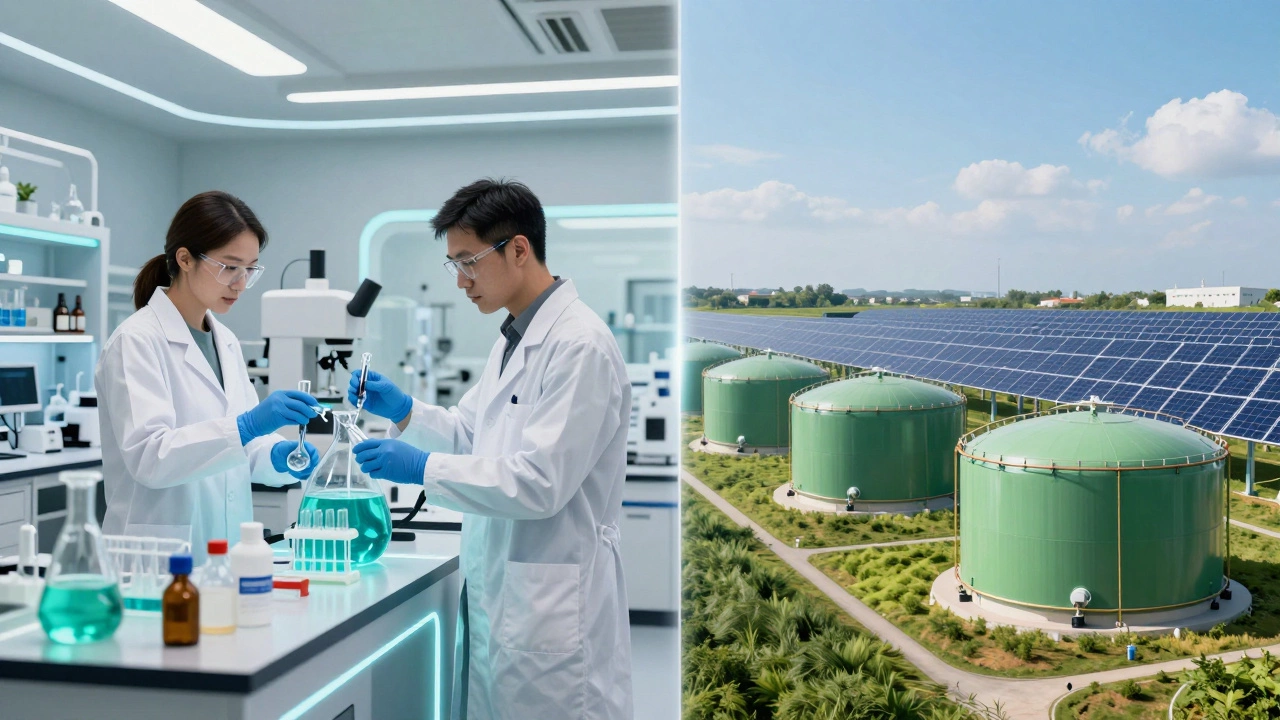
- Energy Costs: European manufacturers like BASF face higher natural gas prices compared to US and Middle Eastern rivals. This has led to some production shifts, with BASF investing more in the US and China to secure cheaper feedstocks.
- Consolidation: Mergers create temporary spikes in size. When Dow and DuPont merged and then split, it redefined the competitive landscape. Future acquisitions could quickly move a mid-tier player into the top five.
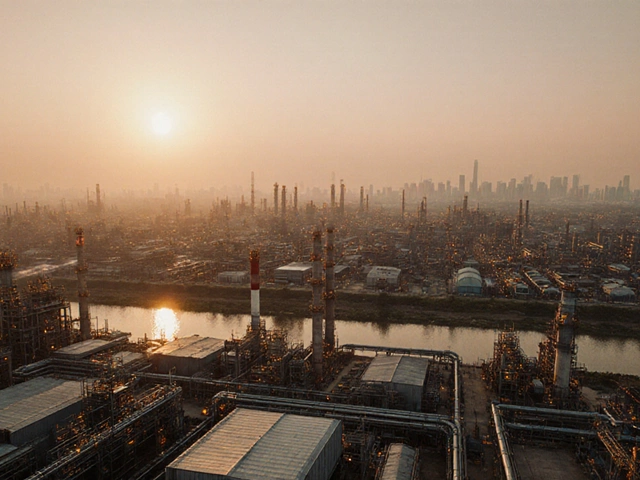
- Regional Demand: Asia consumes more chemicals than any other region. Companies with strong footholds in China and India, like Sinopec and Reliance, benefit from proximity to growing demand centers, reducing logistics costs and tariffs.
- Sustainability Regulations: New EU regulations on carbon emissions and circular economy requirements favor companies with established green technologies. BASF and Lanxess are investing heavily here, which may give them a long-term edge over competitors slower to adapt.
How to Choose a Partner or Supplier
If you are a business owner looking for chemical suppliers, knowing who is the "largest" is only the first step. You need to match your needs with the right type of manufacturer.
- For Commodity Chemicals: If you need bulk ethylene, propylene, or basic acids, go with volume leaders like Sinopec, Dow, or Reliance. Price competition is fierce, and logistics will determine your final cost.
- For Specialty Chemicals: If you require custom formulations for pharmaceuticals, coatings, or electronics, look to BASF, Lanxess, or DuPont. Their R&D capabilities and technical support justify higher prices.
- For Regional Supply Chains: If you operate in Asia, sourcing from Indian or Chinese manufacturers can reduce lead times and tariff risks. Reliance and Sinopec offer robust local networks.
Always evaluate not just the price per ton, but the reliability of supply, the quality consistency, and the supplier’s commitment to sustainability. A cheaper supplier with frequent disruptions can cost you more in the long run.
Is BASF really the largest chemical company?
Yes, by pure chemical revenue, BASF is consistently ranked as the largest chemical manufacturer in the world. While energy companies like Sinopec have higher total revenues, much of that comes from oil refining and sales, not chemical production. BASF’s core business is entirely focused on chemicals, giving it the top spot in industry-specific rankings.
Who is the largest chemical manufacturer in India?
Reliance Industries Limited (RIL) is the largest chemical manufacturer in India. Its Jamnagar complex is one of the largest integrated petrochemical facilities globally. Other major Indian players include Tata Chemicals, Godrej Consumer Products (for soaps/detergents), and Asian Paints (for coatings), but Reliance dominates in terms of volume and revenue in the basic and intermediate chemical sectors.
What is the difference between commodity and specialty chemicals?
Commodity chemicals are produced in large volumes with standardized specifications, such as ethylene, sulfuric acid, or ammonia. Prices are driven by global supply and demand. Specialty chemicals are produced in smaller volumes with unique properties tailored for specific applications, like catalysts, adhesives, or electronic materials. They command higher margins due to their technical complexity and customer-specific value.
How do energy costs affect chemical manufacturers?
Energy is a major input cost for chemical production, especially for energy-intensive processes like cracking naphtha into ethylene. High natural gas or electricity prices, as seen recently in Europe, can erode profit margins. This has led many European manufacturers to invest in regions with cheaper energy, such as the United States or the Middle East, to maintain competitiveness.
Are there any new entrants challenging the top chemical companies?
While no single new company currently challenges the scale of BASF or Sinopec, several trends are emerging. Biotech firms are creating bio-based alternatives to traditional petrochemicals. Additionally, smaller, agile startups focused on green chemistry and recycling technologies are gaining traction. These companies may not be "largest" by revenue yet, but they are influencing innovation and potentially disrupting traditional supply chains in the next decade.