
Textile Hub Sourcing Finder
Select your project requirements below to discover the ideal manufacturing hub in India.
Recommended Hub:
✓ Primary Products
⚠ Sourcing Tip
Quick Takeaways: The Top Textile Hubs
- Surat: The undisputed king of synthetic textiles and man-made fibers.
- Tiruppur: The knitwear capital, handling a massive chunk of the world's cotton t-shirts.
- Ahmedabad: Known as the 'Manchester of India' for its historic cotton mill dominance.
- Coimbatore: The hub for spinning and textile machinery.
- Ludhiana: The go-to spot for woolens and winter wear.
Surat: The Powerhouse of Synthetic Textiles
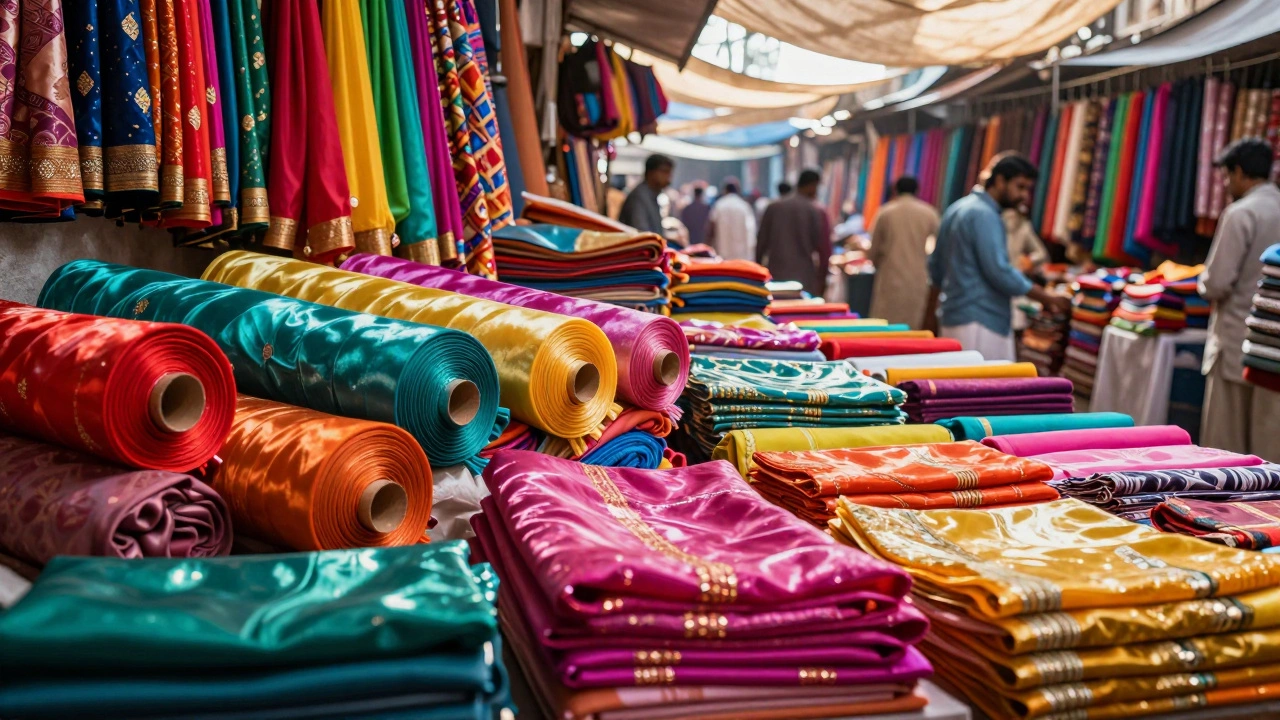
When someone asks which is the largest textile city, Surat in Gujarat often takes the trophy because of its scale. It isn't just about clothes; it's about the massive infrastructure of Synthetic Textiles. The city has shifted the focus from traditional cotton to polyester and viscose, which are cheaper and more durable for mass production.
Walking through the markets in Surat, you'll see thousands of small and medium enterprises (SMEs) specializing in artificial silks and georgettes. The city's strength lies in its integrated ecosystem. You have the raw material providers, the weavers, the dyers, and the wholesalers all within a few square kilometers. This proximity reduces transport costs and allows manufacturers to flip a design from a sketch to a finished saree in a matter of days. For anyone looking for textile manufacturers India offers at a scale that can handle millions of meters of fabric per month, Surat is the primary destination.
Tiruppur: The Knitwear Giant of the South
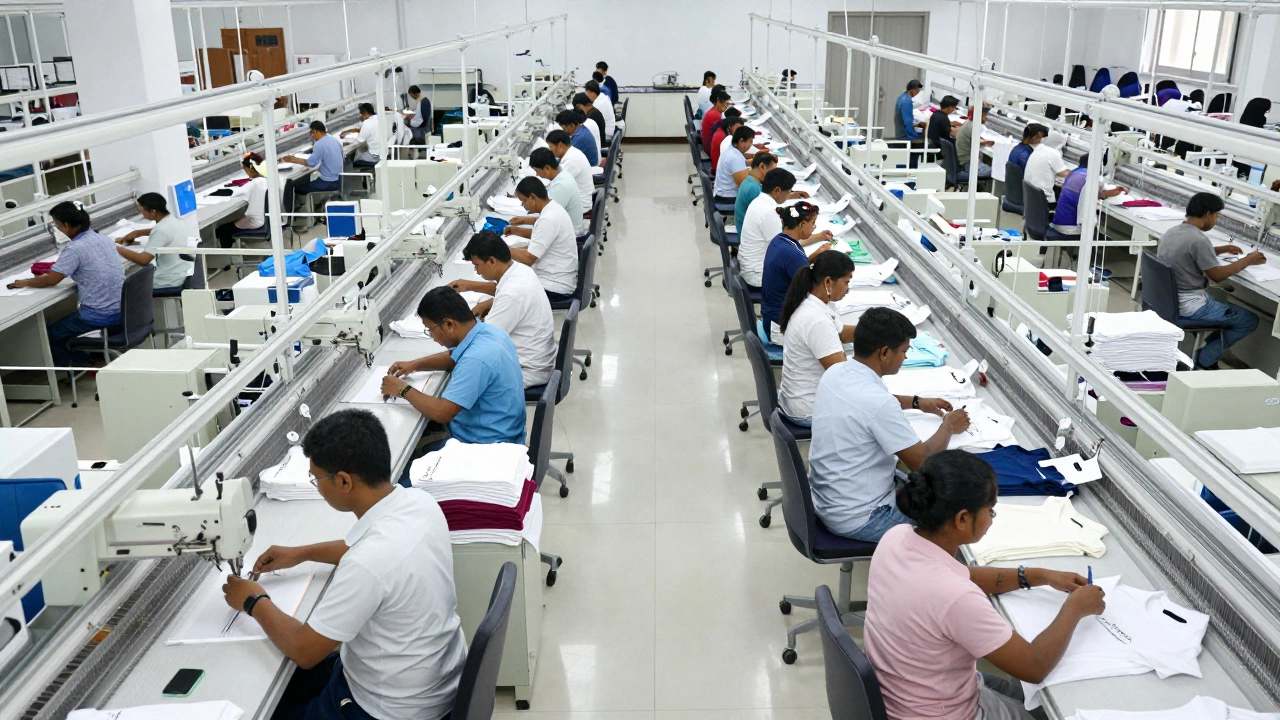
While Surat wins on synthetics, Tiruppur in Tamil Nadu is the global beast when it comes to Knitwear. If you are wearing a cotton t-shirt from a global brand, there is a very high chance it was stitched in Tiruppur. The city focuses almost exclusively on hosiery and knitted garments.
What makes Tiruppur different is its export-oriented mindset. Unlike the domestic-heavy markets of North India, Tiruppur is wired for the US and European markets. They have mastered the art of "vertical integration," meaning a single factory often handles spinning, knitting, dyeing, and stitching. This efficiency allows them to keep prices low while maintaining the quality standards required by international retail giants. The city has evolved from small home-based units to massive industrial parks that employ hundreds of thousands of workers.
Ahmedabad: The Historic Manchester of India
Ahmedabad earned the nickname 'Manchester of India' long before the modern era of fast fashion. Historically, it was the center of the Cotton Industry. While the massive old mills have evolved, the city remains a critical hub for denim and home textiles.
If you look at the current landscape, Ahmedabad has pivoted toward high-end fabric processing and specialized denim production. Many of the world's biggest denim brands source fabric from Gujarat's mills. The city benefits from being near the port of Mundra, making it easy to import raw cotton and export finished denim rolls. It's less about the "market stalls" you see in Surat and more about massive industrial plants that operate on a global scale.
Comparing the Top Textile Hubs
To help you decide where to look for manufacturers, here is a breakdown of the specialized strengths of each city.
| City | Primary Material | Main Product | Market Focus |
|---|---|---|---|
| Surat | Polyester/Synthetic | Sarees, Dress Materials | Domestic/Mass Market |
| Tiruppur | Cotton | T-shirts, Innerwear | International Export |
| Ahmedabad | Cotton/Denim | Jeans, Bed Linens | Industrial/Global |
| Ludhiana | Wool/Acrylic | Sweaters, Thermal wear | Domestic/Winter |
| Coimbatore | Cotton Yarn | Yarn, Machinery | B2B Manufacturing |
Ludhiana and Coimbatore: The Niche Specialists
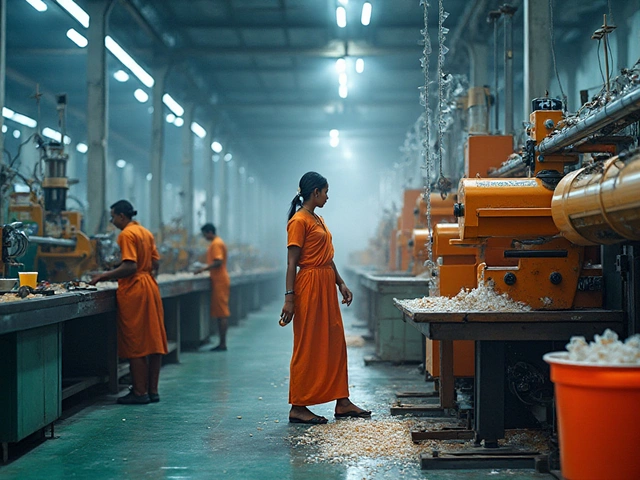
You can't talk about the largest cities without mentioning the specialists. Ludhiana in Punjab is the winter capital. When the temperature drops across India, the demand for woolens spikes, and Ludhiana is the only city capable of meeting that volume. They specialize in everything from heavy wool sweaters to acrylic thermals. Their manufacturing is characterized by a high density of small-scale workshops that can scale up rapidly during the autumn months.
On the other hand, Coimbatore is the engine room. While they do produce fabric, their real claim to fame is Textile Machinery and spinning. They provide the tools that the other cities use. If a mill in Surat needs a new spinning frame or a loom, there is a good chance it was engineered or assembled in Coimbatore. It is the B2B heart of the industry, focusing on the "how" of manufacturing rather than the "what" of the final garment.
Common Pitfalls When Sourcing from These Cities
If you're planning to partner with a manufacturer in these hubs, avoid the mistake of treating them all the same. A factory in Tiruppur is built for high-volume, standardized exports. If you go to them with a small, highly customized order of 50 pieces, you'll likely be ignored. For small-batch, customized synthetic work, the smaller units in Surat are much more flexible.
Another trap is ignoring the "cluster effect." In these cities, the best quality often doesn't come from the biggest factory, but from the factory that has the best relationship with the local dyeing unit. Since most processes (weaving, dyeing, printing) are outsourced to different specialized workshops in the same neighborhood, your manufacturer's local network is more important than their own machinery.
The Future of Indian Textile Hubs
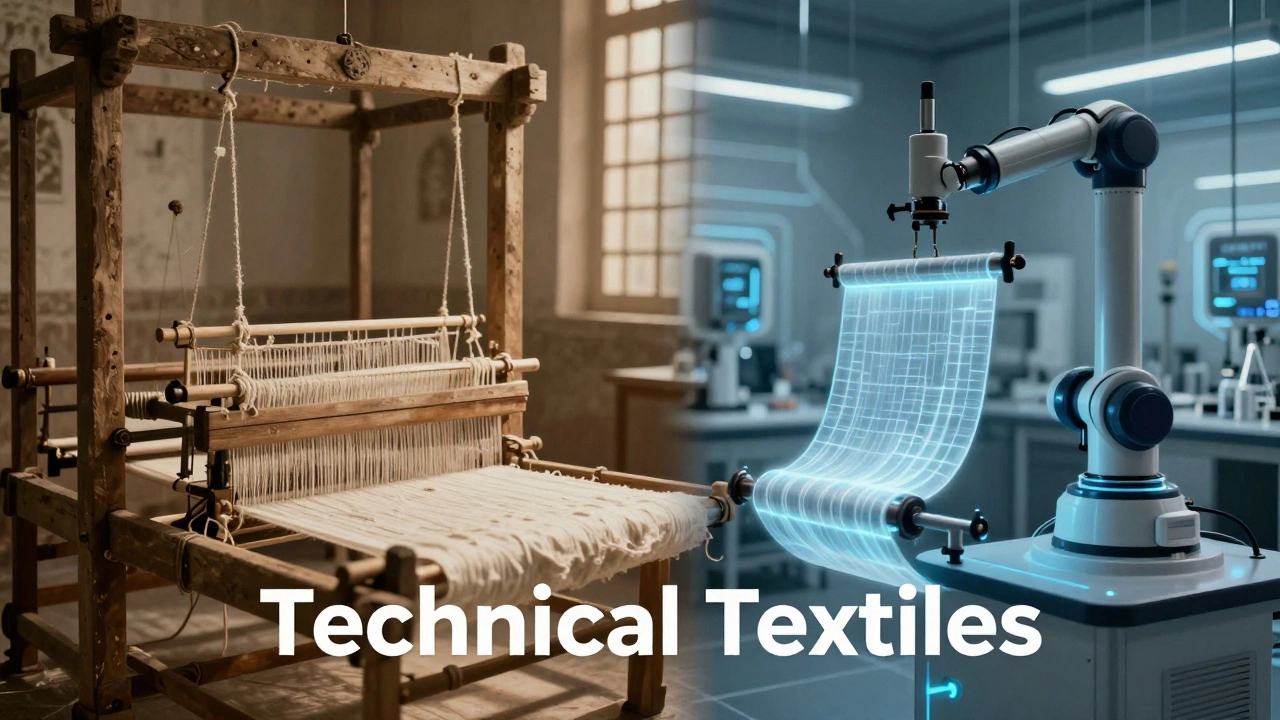
We are seeing a shift toward Technical Textiles. This is where the industry moves away from fashion and into functional fabrics-think medical gowns, automotive upholstery, or industrial filters. Cities like Ahmedabad and Coimbatore are investing heavily in this. The goal is to move from being the "world's tailor" to becoming the "world's material scientist." This shift is attracting more venture capital and government support through schemes that encourage automation and sustainable dyeing processes to reduce water pollution.
Is Surat really the largest textile city?
In terms of synthetic fabric volume and the number of trading units, yes. Surat dominates the man-made fiber market and is the largest hub for sarees and dress materials in India. However, if you measure 'largest' by export value of knitted garments, Tiruppur would take the lead.
Where should I go for cotton t-shirt manufacturing?
Tiruppur is the absolute best choice. It is specifically structured for knitwear and hosiery, with an entire ecosystem designed for cotton t-shirts, polos, and underwear.
What is the difference between Ahmedabad and Surat textiles?
Ahmedabad is more focused on cotton and denim (natural fibers) and large-scale industrial milling. Surat is the center for synthetics, polyester, and artificial silk, with a heavier emphasis on the trading and wholesale of finished dress materials.
Which city is best for woolens?
Ludhiana is the primary hub for woolens and winter wear in India, producing the vast majority of the country's sweaters, shawls, and thermal clothing.
Can I find textile machinery in these cities?
Yes, Coimbatore is the leading center for textile machinery and spinning mills, providing the equipment used by manufacturers across the country.
Next Steps for Your Textile Journey
Depending on your goal, your next move varies. If you are a startup brand, start by visiting the wholesale markets in Surat to understand fabric blends. If you are looking to launch a global apparel line, fly to Tiruppur and visit the industrial estates to vet factories for compliance and quality. For those interested in the raw machinery side, Coimbatore's industrial zones are the place to be. Always remember to request samples and check the lead times, as production speeds vary wildly between the industrial giants of the South and the trading-centric units of the West.