
Indian Textile Giants Explorer
Click on a company card below to view detailed insights about their market position, key products, and strategic advantages.
Reliance Industries
Vertical Integration & Retail Giant
Arvind Ltd
World's Largest Denim Maker
Aditya Birla (Grasim)
VSF Production Leader
Welspun Living
Home Textiles Specialist
Select a Company
Choose one of the four giants above to see their specific strengths and global impact.
Reliance Industries Limited
The Undisputed Leader in Scale
Why They Are "Biggest"
- Vertical Integration: Controls everything from oil/petrochemicals (raw materials) to retail shelves.
- Diversified Revenue: Textiles are just one arm; financial muscle comes from Oil, Gas, and Telecom (Jio).
- Retail Power: Reliance Trends is one of India's largest fashion retailers.
Key Products & Strategy
- Synthetics: Massive production of Polyester and Nylon fibers feeding smaller manufacturers.
- Sustainability: Heavy investment in green energy for textile mills to appeal to Western brands.
- Global Reach: High influence via exports and expanding retail footprint.
Arvind Ltd
The Specialist King of Denim
Core Strengths
- Denim Dominance: Recognized as the largest denim manufacturer in the world.
- Focused Approach: Almost exclusively focused on textiles/apparel, allowing faster innovation.
- B2B + B2C: Manufactures for global brands while owning consumer labels like Flying Machine and Mufti.
Innovation & Partnerships
- Global Clients: Key supplier for Levi’s, Tommy Hilfiger, Calvin Klein.
- R&D Focus: Proprietary tech for waterless dyeing and stretchable fabrics.
- Efficiency: High efficiency per employee compared to diversified conglomerates.
Aditya Birla Group (Grasim)
The Upstream Fiber Giant
Market Position
- VSF Leader: Grasim is the world's largest producer of Viscose Staple Fiber (VSF).
- Critical Input: Their fiber is essential for blending with cotton for soft, durable fabrics.
- Supply Chain Control: Dominates the upstream segment, influencing costs for downstream makers.
Impact & Products
- Key Products: Viscose Staple Fiber, Yarn, Blended Fabrics.
- Applications: Shirts, home furnishings, and blended apparel.
- Global Influence: Dominant presence in Asian fiber markets.
Welspun Living
Kings of Home Textiles
Specialization
- Home Furnishing: Leaders in bedsheets, towels, rugs, and blankets.
- Export Powerhouse: Major supplier to US retailers like Walmart and Target.
- Digital Printing: Pioneered techniques for intricate designs on home textiles.
Global Reach
- Primary Market: Very high presence in the USA.
- Expansion: Growing exports to Europe, Australia, and domestic Indian market.
- Trendsetter: Sets global trends in home decor through digital design capabilities.
You walk into a store in London or New York, pick up a shirt, and check the tag. It says "Made in India." But who actually made it? Was it a small family workshop in Surat or a massive industrial giant with factories spanning three states? If you are trying to identify who is the biggest textile company in India, the answer isn't just one name-it's a battle between two titans: Reliance Industries and Arvind Ltd.
This isn't just about who has the most looms. It’s about market capitalization, revenue streams, vertical integration, and global influence. For investors, sourcing managers, or industry watchers, understanding these giants is crucial. The Indian textile sector is the second-largest employer in the country, contributing significantly to GDP. But when we talk about "biggest," we need to define what that means. Are we talking about raw cotton processing? Synthetic fiber production? Or branded apparel sales?
Defining "Biggest": Revenue vs. Market Cap vs. Production Capacity
Before naming names, let’s clear up the confusion. In business, size can be measured in three ways:
- Revenue: How much money flows through the company annually.
- Market Capitalization: What the stock market thinks the company is worth.
- Production Capacity: How many tons of fabric or polyester they produce per year.
If you look at pure revenue, Reliance Industries dominates because textiles are just one part of their empire. They also sell oil, gas, and telecom services. If you look at dedicated textile operations, companies like Arvind Ltd or Welspun Living might seem larger relative to their total business size. However, when we combine all factors-financial muscle, supply chain control, and global reach-Reliance Industries Limited (RIL) stands out as the undisputed leader in scale, even if they aren't a "pure-play" textile firm.
The Titan: Reliance Industries and Its Textile Arm
When people ask who runs the show, the answer usually points to Mukesh Ambani’s Reliance Industries. While RIL is famous for Jio and petrochemicals, its textile division is a monster in its own right. Through subsidiaries like Retail Ventures Limited (RVL) and its upstream polymer businesses, Reliance controls a massive chunk of the value chain.
Why is Reliance considered the biggest? First, they don't just make clothes; they make the raw materials. Their petrochemical division produces polyester, nylon, and other synthetic fibers that feed thousands of smaller manufacturers. This vertical integration gives them an unfair advantage in cost and supply stability. Second, their retail arm, Reliance Trends, is one of the largest fashion retailers in India. They aren't just manufacturing; they are selling directly to millions of consumers.
In recent years, Reliance has doubled down on sustainability and technology. They have invested heavily in green energy to power their textile mills, aiming to reduce carbon footprints. This move appeals to Western brands looking for ethical suppliers. By controlling everything from the oil well to the retail shelf, Reliance ensures that every rupee spent on a garment passes through their hands.
The Specialist King: Arvind Ltd
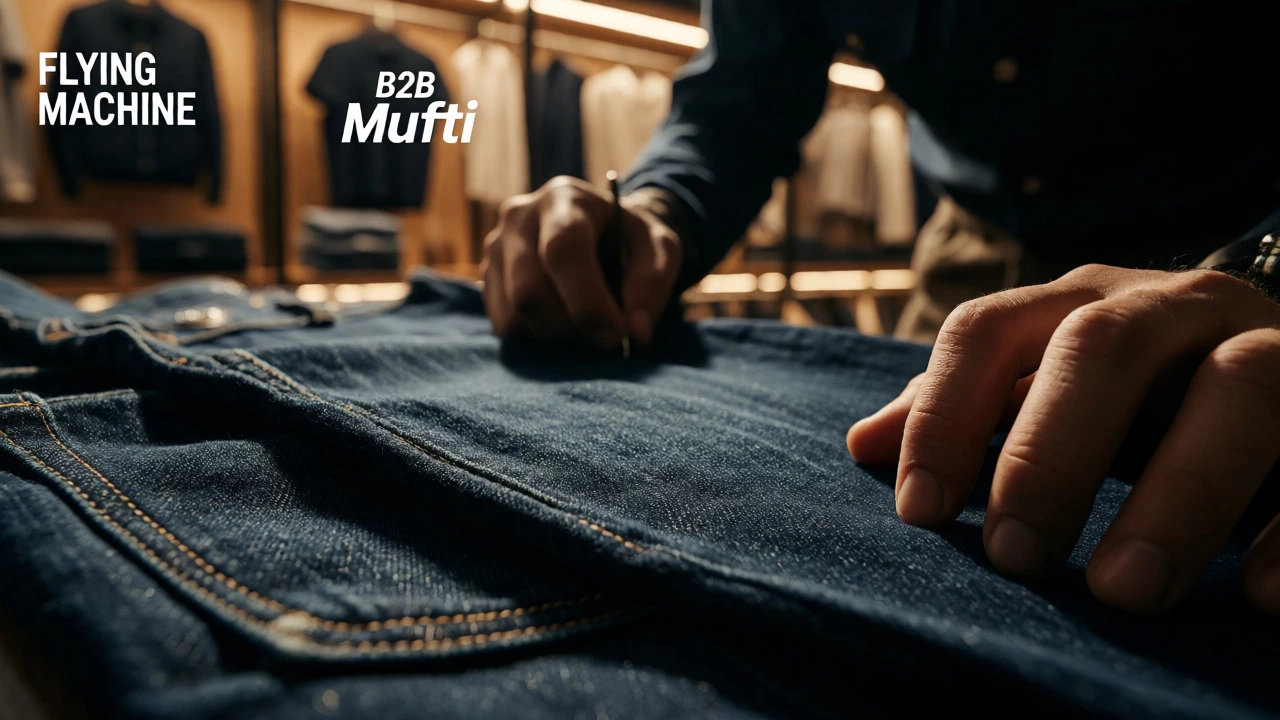
If Reliance is the conglomerate, then Arvind Ltd is the specialist. Headquartered in Ahmedabad, Arvind is often cited as the largest denim manufacturer in the world. Unlike Reliance, Arvind focuses almost exclusively on textiles and apparel. This focus allows them to innovate faster in specific niches like technical fabrics and sustainable denim.
Arvind’s strength lies in its partnerships. They manufacture for global giants like Levi’s, Tommy Hilfiger, and Calvin Klein. When you buy a pair of premium jeans in Europe, there is a high chance Arvind stitched them. Beyond manufacturing, Arvind owns several consumer brands, including Flying Machine and Mufti. This dual approach-B2B manufacturing and B2C branding-makes them resilient during economic downturns.
What sets Arvind apart is their commitment to R&D. They have developed proprietary technologies for waterless dyeing and stretchable fabrics. In a market where fast fashion demands constant innovation, Arvind’s ability to pivot quickly makes them a favorite among international buyers. While their revenue is lower than Reliance’s total turnover, their efficiency per employee and brand recognition in the textile-specific sector are unmatched.
The Contenders: Aditya Birla Group and Welspun Living
No discussion about India’s textile giants is complete without mentioning the Aditya Birla Group. Through their subsidiary Grasim Industries, they dominate the viscose staple fiber (VSF) market. VSF is a key material for blending with cotton to create soft, durable fabrics used in shirts and home furnishings.
Grasim is the world’s largest producer of VSF. If you wear a blend of cotton and rayon, there’s a good chance the rayon came from an Aditya Birla plant. Their presence in the upstream segment is critical. Without their fiber, many downstream manufacturers would struggle to source consistent quality materials.
Then there is Welspun Living, formerly known as Welspun India. They are the kings of home textiles. Think bed sheets, towels, and rugs. Welspun supplies major US retailers like Walmart and Target. Their success story is built on exporting high-quality home furnishing products. They have pioneered digital printing techniques that allow for intricate designs on bedsheets, setting trends globally.
| Company | Primary Strength | Key Products | Global Reach |
|---|---|---|---|
| Reliance Industries | Vertical Integration & Retail | Polyester, Nylon, Ready-to-wear | High (via exports & retail expansion) |
| Arvind Ltd | Denim & Technical Fabrics | Jeans, Shirts, Performance Wear | Very High (Major supplier to US/EU brands) |
| Aditya Birla (Grasim) | Fiber Production (VSF) | Viscose Staple Fiber, Yarn | High (Dominant in Asian fiber markets) |
| Welspun Living | Home Textiles | Bedsheets, Towels, Rugs | Very High (Leader in US home furnishing imports) |
How These Giants Impact Global Supply Chains
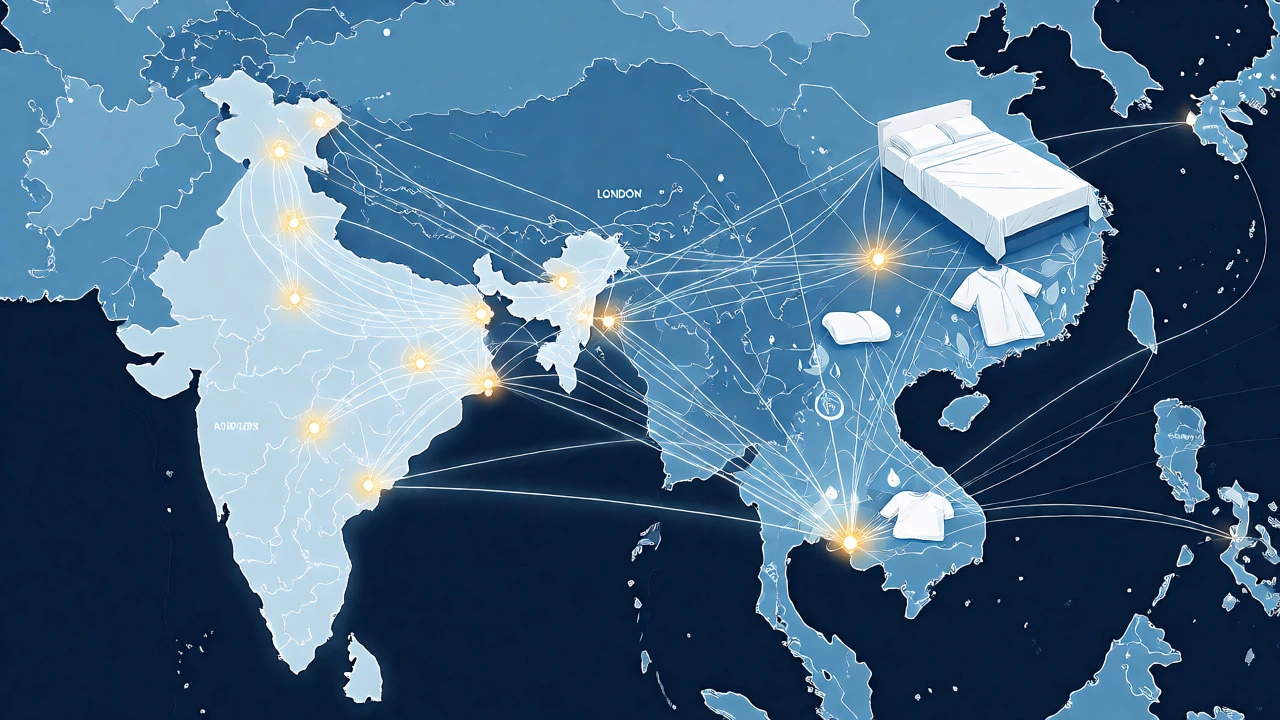
Why should a buyer in Birmingham care about which Indian company is the biggest? Because these corporations set the standards for pricing, lead times, and compliance. When Reliance invests in green hydrogen to decarbonize their plants, it forces competitors to follow suit. When Arvind introduces a new water-saving dye technique, it becomes an industry benchmark.
These companies also influence labor practices. Due to their size, they are under constant scrutiny by NGOs and international buyers regarding worker safety and wages. This pressure has led to better working conditions in organized sectors compared to unorganized cottage industries. For instance, both Reliance and Arvind have implemented strict codes of conduct across their supply chains, auditing subcontractors regularly.
Furthermore, their financial stability matters. During the pandemic, smaller manufacturers collapsed due to cash flow issues. The big players survived and even expanded. This consolidation means that today, if you want reliable bulk orders delivered on time, you likely deal with one of these top-tier firms. They have the logistics networks and banking relationships to handle complex international shipments without hiccups.
Emerging Players and Future Trends
While the current leaders are entrenched, the landscape is shifting. Sustainability is no longer a buzzword; it’s a requirement. Companies that fail to adopt eco-friendly processes risk losing contracts with European brands facing strict regulations like the EU’s Green Deal.
New entrants are focusing on niche markets. For example, some startups are specializing in organic cotton or recycled polyester. However, scaling up remains difficult for them due to high capital requirements. The big companies have the advantage here-they can absorb the cost of transition more easily.
Another trend is automation. The biggest textile companies are investing in AI-driven quality control and robotic weaving. This reduces human error and increases output consistency. If you are comparing suppliers, look for those adopting Industry 4.0 technologies. It’s a sign they are future-proofing their operations.
Is Reliance Industries purely a textile company?
No, Reliance Industries is a diversified conglomerate. While its textile division is massive and influential, it operates alongside huge segments in oil and gas, petrochemicals, and telecommunications (Jio). The textile business benefits from the group's overall financial strength but does not represent the entirety of the company's operations.
Which company is the largest denim manufacturer in India?
Arvind Ltd is widely recognized as the largest denim manufacturer in India and one of the largest in the world. They produce denim fabric and finished garments for many international brands, leveraging advanced technology for sustainable and high-quality denim production.
Does Welspun Living only export to the USA?
While Welspun Living has a very strong presence in the US market, supplying major retailers like Walmart and Target, they also export to Europe, Australia, and other regions. Additionally, they have a growing domestic footprint in India, catering to the rising middle class demand for premium home textiles.
Why is Aditya Birla Group important in textiles?
Aditya Birla Group, through Grasim Industries, is the world's largest producer of Viscose Staple Fiber (VSF). This fiber is essential for creating blended fabrics used in clothing and home textiles. Their dominance in raw material production influences costs and availability for downstream manufacturers globally.
Are Indian textile companies competitive against China?
Yes, increasingly so. As labor costs rise in China, global brands are shifting sourcing to India. Indian companies offer competitive pricing, a large skilled workforce, and improving infrastructure. Government incentives like PLI schemes further boost competitiveness, making India a viable alternative for mass production.