
Pharma Distributor Matchmaker
Answer these questions about your pharmaceutical manufacturing business to find out which of the Big 3 distributors is the best strategic partner for you.
Your Results
McKesson
0%Analyzing...
AmerisourceBergen
0%Analyzing...
Cardinal Health
0%Analyzing...
Strategic Recommendation
Complete the quiz to see your personalized recommendation.
The American pharmaceutical supply chain is a massive, complex machine that moves billions of dollars worth of medication every year. At the center of this operation sit three giants. If you are looking to understand who controls the flow of drugs from manufacturers to pharmacies, hospitals, and clinics, you need to know about McKesson, AmerisourceBergen, and Cardinal Health. Together, these three companies-often referred to as the "Big 3" or PDPs (Pharmacy Benefit Managers/Distributors)-control roughly 90% of the prescription drug distribution market in the United States.
This isn't just trivia for industry insiders. For manufacturers, especially those looking to export from hubs like India to the US, understanding these gatekeepers is critical. They don't just move boxes; they set pricing dynamics, manage inventory risks, and dictate compliance standards. Let's break down exactly who they are, how they operate, and why their dominance matters so much.
The Monopoly of Three: Why Only These Companies?
You might wonder why the market consolidated into just three players. Historically, there were dozens of regional distributors. Over the last two decades, mergers and acquisitions have whittled them down. The result is an oligopoly where economies of scale are king. To handle the sheer volume of SKUs (Stock Keeping Units)-which can number in the hundreds of thousands per distributor-you need massive infrastructure, advanced logistics software, and deep financial reserves.
These three companies provide more than just shipping. They offer data analytics, inventory management solutions, and financing options to pharmacies. A small independent pharmacy, for instance, relies on these distributors to keep its shelves stocked without tying up all its cash in inventory. This dependency locks the relationship in place, making it incredibly difficult for new competitors to enter the market.
1. McKesson Corporation: The Revenue Leader
McKesson Corporation is the largest pharmaceutical distributor in the world by revenue. Headquartered in Irving, Texas, McKesson is a behemoth that generates over $275 billion in annual revenue. It operates through three main segments: U.S. Pharmaceutical, U.S. Medical-Surgical, and International.
What sets McKesson apart is its sheer scale and its integration with healthcare services. Through its subsidiary, RxPayment Solutions, and partnerships with major health systems, McKesson has embedded itself deeply into the administrative side of healthcare. They distribute not only brand-name and generic drugs but also specialty medications, which are high-cost treatments for complex conditions like cancer and autoimmune diseases.
For a manufacturer, landing a contract with McKesson means access to tens of thousands of retail pharmacies and hospital networks across the country. However, their bargaining power is immense. They often negotiate rebates and discounts that can significantly impact the net price a manufacturer receives for their product. Their technology platform, McKesson Connect, allows for real-time tracking of inventory, ensuring that stockouts are minimized-a crucial feature during public health crises.
2. AmerisourceBergen: The Specialty Focus
AmerisourceBergen is a leading global pharmaceutical products distributor and supply chain solutions provider. Based in Chesterbrook, Pennsylvania, this company is known for its strong focus on specialty pharmaceuticals and its robust wholesale distribution network. Unlike some competitors that have diversified heavily into medical supplies, AmerisourceBergen has stayed tightly focused on the drug supply chain.
AmerisourceBergen is particularly dominant in the specialty drug sector. As the market shifts toward more personalized, high-cost therapies, their expertise in handling cold-chain logistics and secure storage for sensitive medications gives them an edge. They serve approximately 265,000 pharmacies and healthcare facilities. One of their key strengths is their data-driven approach to inventory optimization, helping pharmacies reduce waste and improve cash flow.
They also own a significant stake in various healthcare technology platforms, which helps them integrate seamlessly with pharmacy management systems. For Indian pharma manufacturers exporting generics, AmerisourceBergen is a key partner because of their extensive network in community pharmacies, which are the primary outlets for generic prescriptions.
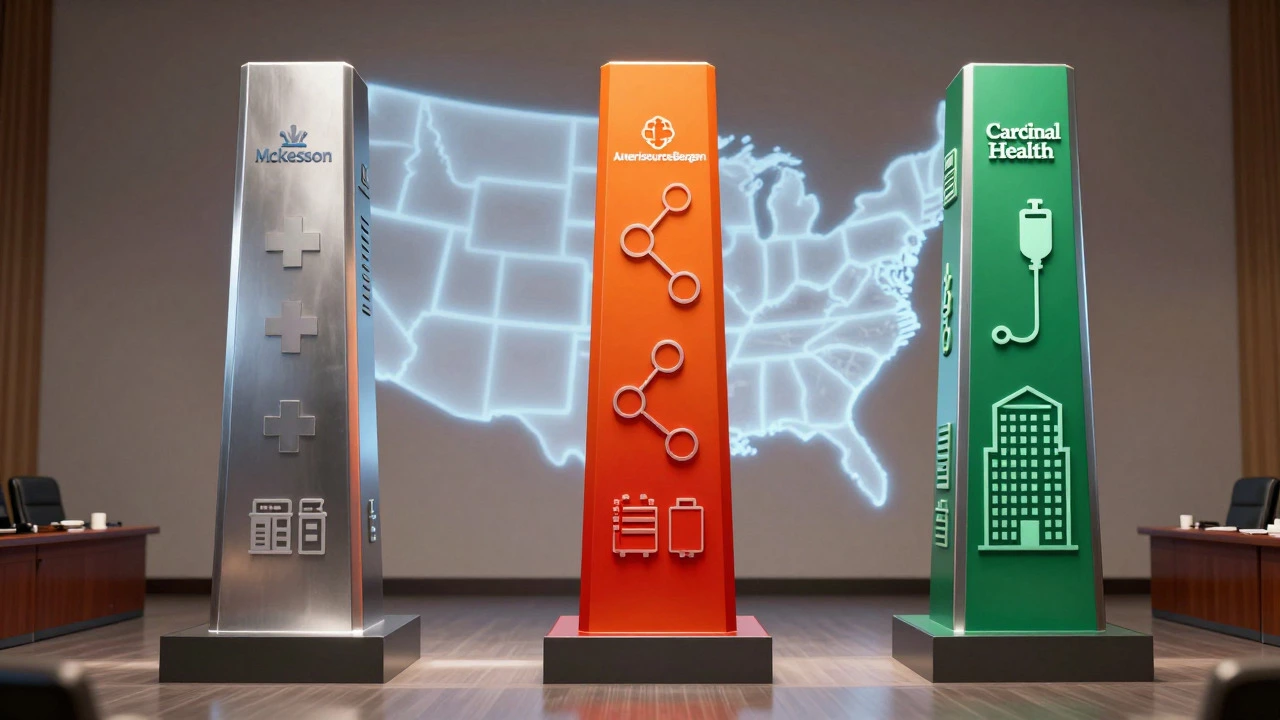
3. Cardinal Health: The Hospital Powerhouse
Cardinal Health is a global distributor of healthcare products and services with a particular strength in hospital supply chains. Headquartered in Dublin, Ohio, Cardinal Health is unique among the Big 3 because of its deep roots in the institutional and hospital market. While they do distribute to retail pharmacies, their core competency lies in supplying hospitals, long-term care facilities, and group purchasing organizations (GPOs).
Cardinal Health operates one of the most sophisticated logistics networks in the industry, including its own fleet of trucks and warehouses equipped with advanced automation. This vertical integration allows them to maintain strict control over delivery times and temperature-sensitive products. They are also a leader in sterile compounding and IV therapy products, which are critical for hospital operations.
If your manufacturing facility produces injectables, biologics, or large-volume parenterals, Cardinal Health is likely your most important potential partner. Their relationships with GPOs mean they can influence purchasing decisions at the hospital system level, making them a powerful ally for manufacturers seeking institutional contracts.
Comparison of the Big 3 Pharma Distributors
| Feature | McKesson | AmerisourceBergen | Cardinal Health |
|---|---|---|---|
| Primary Strength | Revenue Scale & Healthcare Services | Specialty Drugs & Retail Network | Hospital Supply Chain & Logistics |
| Headquarters | Irving, Texas | Chesterbrook, Pennsylvania | Dublin, Ohio |
| Key Market Segment | Broad (Retail, Hospital, Medical) | Retail Pharmacies & Specialty | Hospitals & Institutional Care |
| Logistics Model | Integrated with Third-Party Providers | Data-Driven Inventory Optimization | Vertically Integrated Fleet & Warehouses |
| Best For Manufacturers Of | High-Volume Generics & Brand Drugs | Specialty Medications & Cold Chain | Injectables, Biologics & Hospital Supplies |
Implications for Pharma Manufacturers from India
For pharmaceutical manufacturers based in India, understanding the Big 3 is not optional-it's strategic. India is one of the largest suppliers of generic drugs to the United States. When you export to the US, you rarely sell directly to pharmacies. You sell to these distributors. Here’s what you need to know:
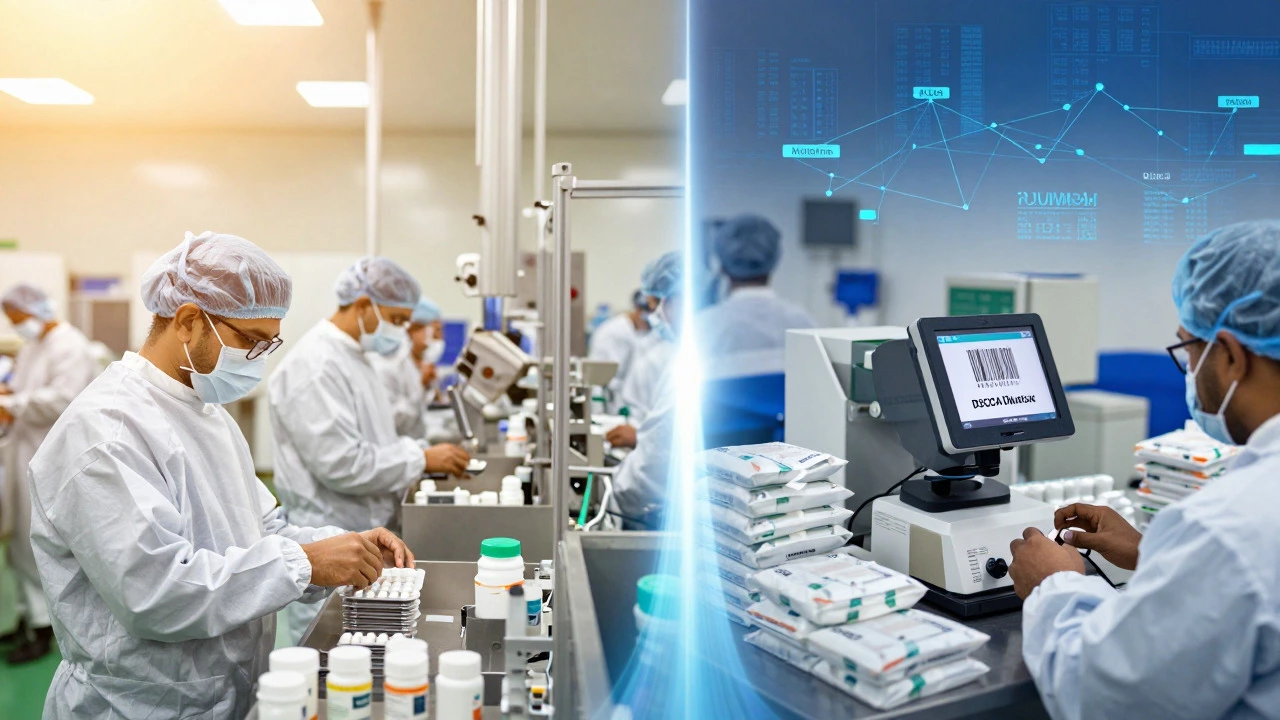
- Compliance is Non-Negotiable: All three distributors require strict adherence to FDA regulations and the Drug Supply Chain Security Act (DSCSA). Your manufacturing facilities must be FDA-approved, and your packaging must include track-and-trace serialization. Failure to meet these standards will result in immediate rejection.
- Pricing Pressure: The Big 3 wield significant power in negotiations. They often demand rebates, chargebacks, and prompt-pay discounts. Manufacturers must build these costs into their pricing models from the start. Understanding the difference between Wholesale Acquisition Cost (WAC) and Net Price is essential.
- Relationship Building: Getting listed with a major distributor takes time. It involves rigorous audits, quality assurance checks, and commercial negotiations. Start building relationships early. Attend industry conferences like JPMorgan Healthcare Conference or BIO International Convention to connect with procurement teams.
- Diversification Strategy: Don’t rely on just one distributor. Many successful Indian manufacturers work with all three to mitigate risk. If one distributor faces a recall or logistical issue, having backups ensures continuity of supply.
The Future of Distribution: Trends to Watch
The landscape is evolving. Digital health platforms, direct-to-consumer telemedicine, and mail-order pharmacies are changing how drugs are delivered. The Big 3 are adapting by investing in digital infrastructure and expanding their home-delivery capabilities. For example, McKesson has partnered with Amazon Pharmacy, while AmerisourceBergen has launched its own digital health initiatives.
Another trend is the rise of biosimilars. As patents expire for expensive biologic drugs, cheaper biosimilar alternatives are entering the market. Distributors are playing a key role in educating providers and managing the transition from originator biologics to biosimilars. Manufacturers who can produce high-quality biosimilars will find eager partners among these distributors.
Sustainability is also becoming a priority. All three companies have announced goals to reduce carbon emissions in their supply chains. Manufacturers who adopt green practices in production and packaging may gain a competitive edge in securing contracts.
Who are the top 3 pharmaceutical distributors in the USA?
The top three pharmaceutical distributors in the USA are McKesson Corporation, AmerisourceBergen, and Cardinal Health. Together, they control approximately 90% of the prescription drug distribution market in the country.
How do these distributors affect drug prices?
These distributors negotiate rebates, discounts, and fees with manufacturers. While they help manage inventory and ensure availability, their bargaining power can lead to higher list prices for drugs, even if the net price paid by insurers is lower due to rebates.
Can Indian pharma manufacturers sell directly to US pharmacies?
It is extremely rare for foreign manufacturers to sell directly to individual US pharmacies. Most sales go through the Big 3 distributors, who handle logistics, compliance, and payment processing. Direct sales usually require establishing a US-based entity and navigating complex regulatory hurdles.
What is the DSCSA and why does it matter for distributors?
The Drug Supply Chain Security Act (DSCSA) requires traceability of prescription drugs throughout the supply chain. Distributors must verify product authenticity and prevent counterfeit drugs from entering the market. Manufacturers must provide serialized packaging to comply with these rules.
Which distributor is best for specialty drugs?
AmerisourceBergen is particularly strong in the specialty drug segment, offering advanced cold-chain logistics and specialized handling for high-cost, complex therapies. However, McKesson and Cardinal Health also have robust specialty divisions.