
Drug Price Comparison Calculator
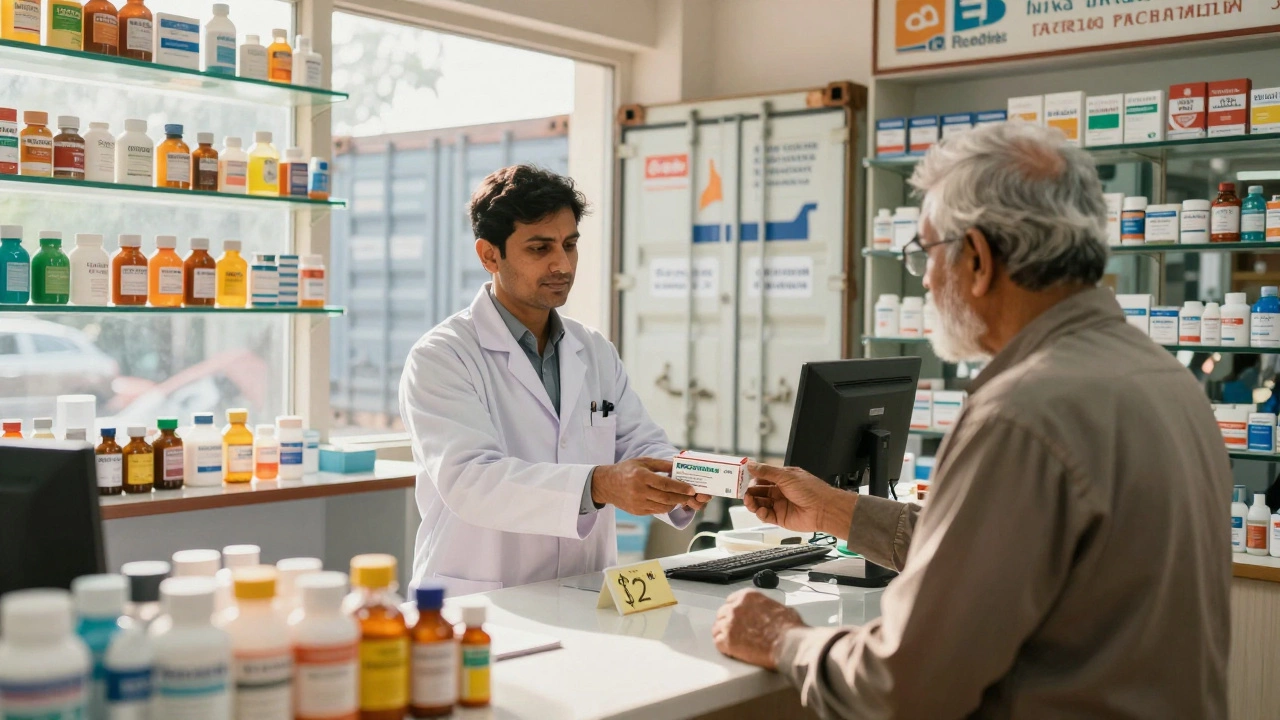
Walk into any pharmacy in the U.S., the UK, or Canada, and you’ll see the same thing: a $100 pill for a common medication. Now walk into a pharmacy in Mumbai, Delhi, or Chennai, and you’ll find the exact same pill for under $2. It’s not a trick. It’s not a scam. It’s just how the system works in India-and it’s been working this way for decades.
India Doesn’t Patent Everything
The biggest reason drugs are cheaper in India comes down to patent law. When a drug company in the U.S. or Europe invents a new medicine, they get a 20-year patent. That means no one else can make or sell it during that time. They charge high prices to recoup their R&D costs-and make a profit.India’s patent laws are different. Before 2005, India didn’t allow product patents on drugs at all. Only process patents. That meant a company could patent the way a drug was made, but not the drug itself. So if Pfizer made a version of a heart drug using Method A, an Indian company could make the exact same drug using Method B-and sell it for a fraction of the price.
Even after India changed its laws in 2005 to comply with global trade rules, the country kept strict limits. A drug has to be truly new-not just a minor tweak-to qualify for a patent. That’s why drugs like HIV antiretrovirals, cancer treatments, and diabetes meds are still made as generics in India. They’re not copies. They’re legally produced versions that meet the same safety standards as the brand-name ones.
Manufacturing at Scale, With Lower Costs
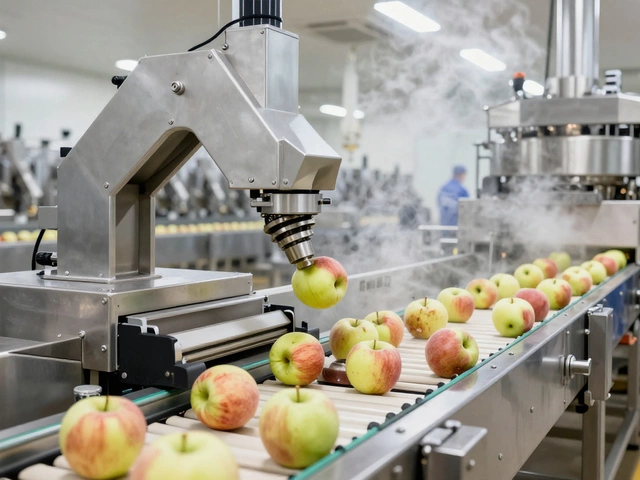
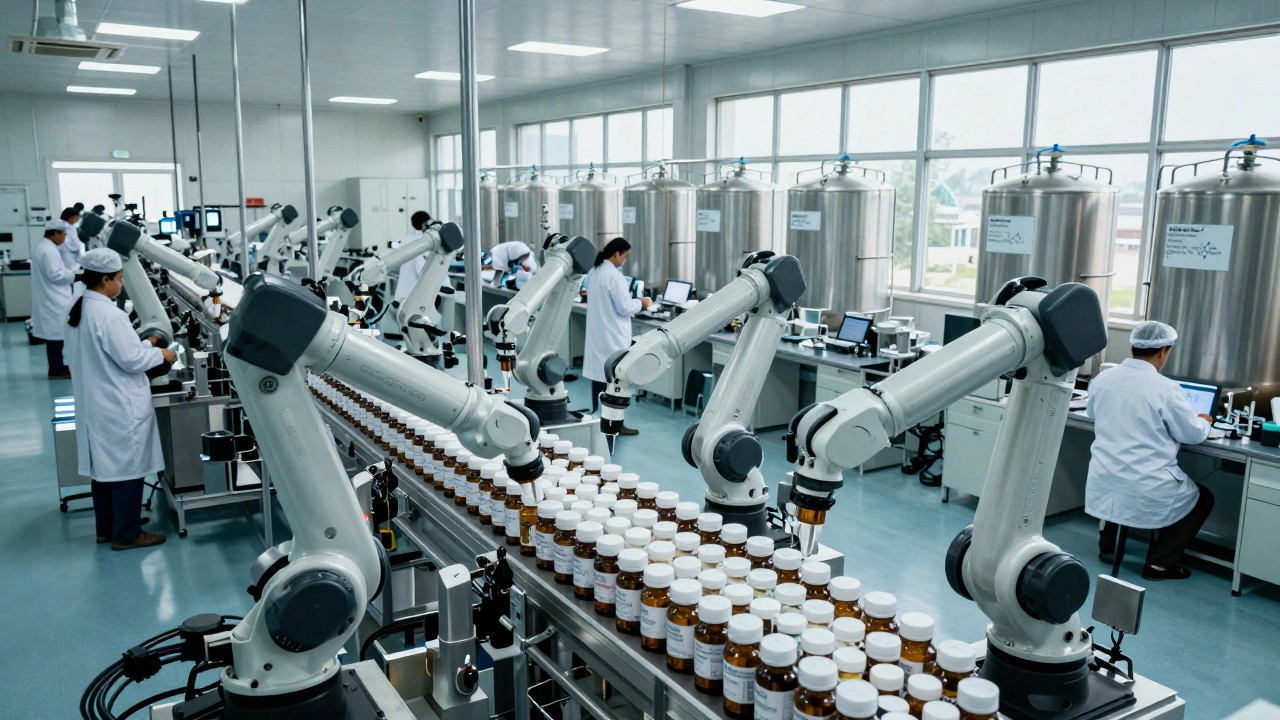
India produces over 20% of the world’s generic medicines by volume. That’s not because they’re lazy. It’s because they’re efficient.Indian pharma companies operate with lean supply chains. Labor costs are lower. Factories are built to handle massive volumes-sometimes producing hundreds of millions of tablets a year. They don’t spend millions on flashy marketing or expensive sales reps. No celebrity endorsements. No fancy packaging. Just clean, standardized production.
Take insulin, for example. In the U.S., a vial can cost over $250. In India, the same insulin-made by companies like Biocon or Dr. Reddy’s-costs under $5. Why? Because Biocon doesn’t need to pay for 10,000 sales reps convincing doctors to prescribe it. They sell in bulk to governments, NGOs, and distributors worldwide.
India’s drug manufacturing is also spread across dozens of cities-Hyderabad, Ahmedabad, Pune, Baddi-each with clusters of suppliers for raw materials, packaging, and logistics. That reduces transportation costs and keeps prices low.
No Price Controls in the U.S.-But India Has Them
In the U.S., drug companies set prices based on what the market will bear. If a drug treats a rare disease, and there are no alternatives, they can charge $500,000 a year. No one can stop them.In India, the government steps in. The National Pharmaceutical Pricing Authority (NPPA) sets price caps on over 800 essential medicines. These include antibiotics, painkillers, blood pressure meds, and insulin. Companies can’t charge more than the government-approved ceiling price.
That doesn’t mean Indian companies lose money. They make up for it by selling huge volumes. And because they don’t have to spend money lobbying for price hikes or fighting lawsuits, they keep costs down. The result? A 90% drop in price for many life-saving drugs compared to Western markets.
Raw Materials and Chemicals Are Local
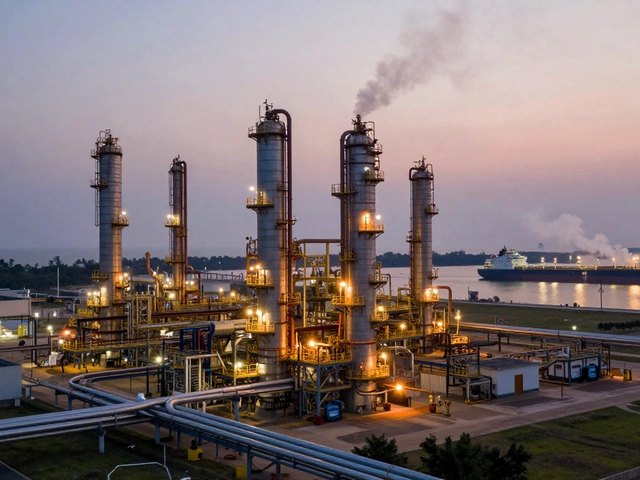
Most of the active pharmaceutical ingredients (APIs)-the actual drug part-in medicines come from China. But India doesn’t just import them. They make them too.India is one of the few countries in the world that can produce APIs at scale. Companies like Sun Pharma and Cipla have their own chemical plants. They don’t rely on foreign suppliers for the core ingredients. That cuts out middlemen, tariffs, and shipping delays.
Plus, India has decades of experience in chemical synthesis. Engineers and chemists there know how to produce complex molecules cheaply. They’ve optimized reactions to use less solvent, less energy, and fewer steps. That’s not magic. It’s engineering.
Regulations Are Strict-But Not Overburdening
Some people think cheap drugs mean low quality. That’s not true.Indian manufacturers must meet the same standards as the U.S. FDA or the European Medicines Agency if they want to export. Over 400 Indian plants are approved by the FDA. That’s more than any other country except the U.S. and Germany.
India’s Central Drugs Standard Control Organization (CDSCO) doesn’t have the same budget as the FDA, but it’s tough. Inspections are frequent. If a plant fails, it’s shut down. In 2023, the CDSCO suspended 17 drug manufacturing units for violating quality standards.
So yes, the drugs are cheap-but they’re not cheaply made. They’re made smartly.
Export-Driven Business Model
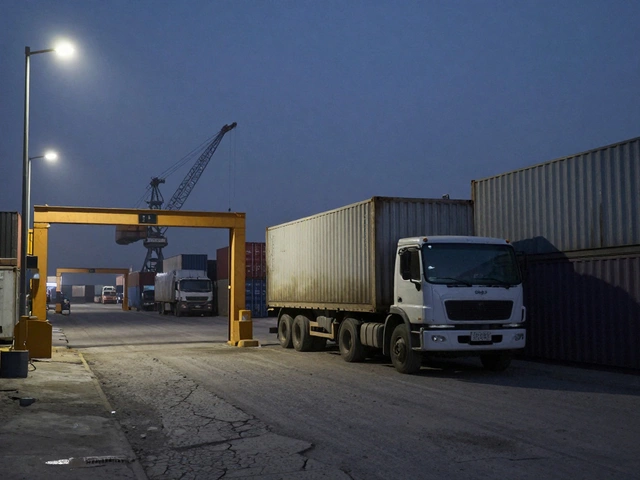
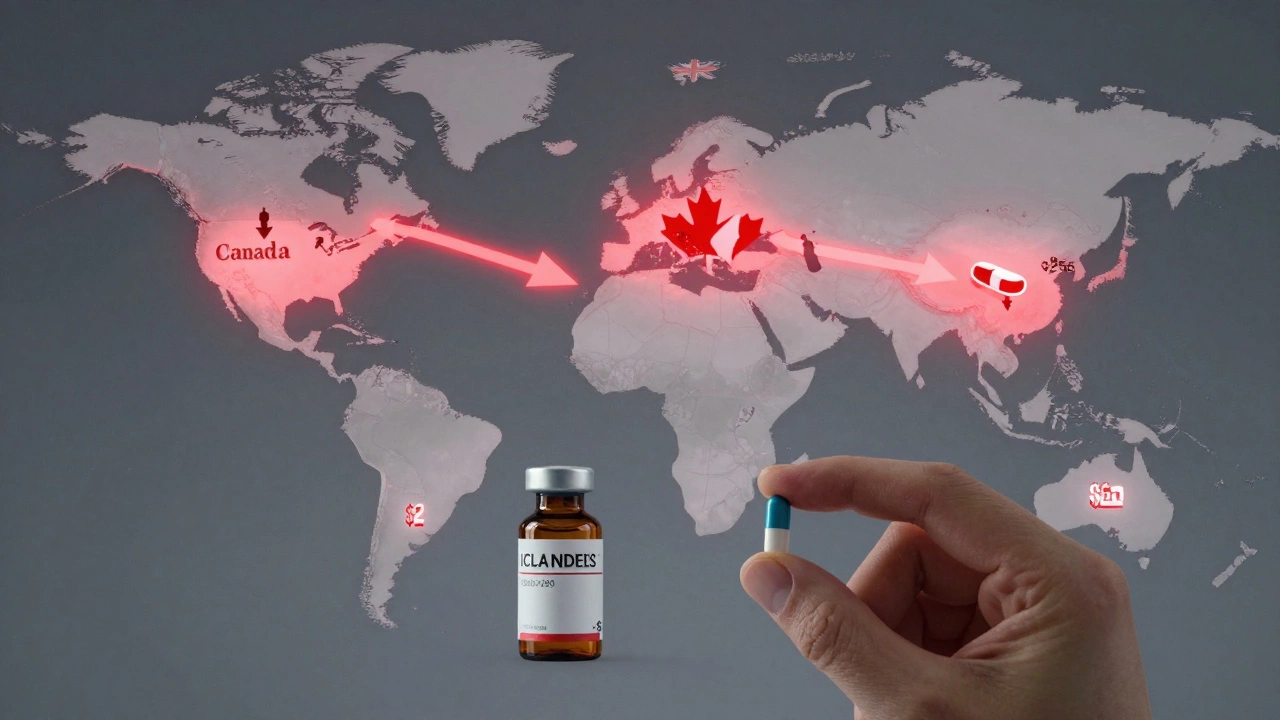
India doesn’t just sell cheap drugs to its own people. It sells them to the world.Over 60% of India’s generic drug production is exported. The U.S. gets 40% of its generic pills from India. The UK, Canada, Australia, and African nations rely on Indian-made medicines too.
Because they sell in bulk to governments and international health organizations, Indian companies can afford to keep margins thin. A single order for 10 million tablets of metformin might only earn $0.02 profit per pill-but multiply that by 10 million, and you’ve got a $200,000 profit. No need for high per-unit prices.
This model also lets them invest in R&D. Companies like Dr. Reddy’s and Lupin now develop their own new drugs. But they still make generics because it’s the engine that funds innovation.
Why This Matters Outside India
The low cost of drugs in India isn’t just a local quirk. It’s a lifeline.When HIV/AIDS hit Africa in the early 2000s, the branded antiretrovirals cost $10,000 a year per patient. No country could afford it. Then Indian companies started producing generic versions for under $100 a year. Millions of lives were saved.
Today, when a U.S. patient can’t afford their insulin, they turn to Indian pharmacies that ship directly. Some even travel to India to buy medicine. It’s not illegal. It’s just how the system works.
India’s model proves that high-quality medicine doesn’t have to be expensive. It just needs the right policies, smart manufacturing, and a focus on people over profits.
What’s Changing?
India’s dominance in generics isn’t guaranteed forever. The U.S. and EU are pushing for stricter patent enforcement. Some Indian companies are moving into more expensive branded drugs and biologics. Costs for raw materials and energy are rising.But for now, India remains the world’s pharmacy. And as long as the rules stay the same, drugs will stay cheap there.
Are generic drugs from India safe?
Yes. Over 400 Indian drug factories are approved by the U.S. FDA, and many more meet European and WHO standards. Indian generics must prove they are bioequivalent to the brand-name drug-meaning they work the same way in the body. They’re not inferior. They’re identical in active ingredients, dosage, and effectiveness.
Can I buy drugs from India online?
Yes, but with caution. Many reputable Indian pharmacies ship internationally, especially for medications like insulin, cancer drugs, and HIV treatments. Look for companies with FDA or WHO certifications. Avoid sites that don’t require a prescription or that offer prices that seem too good to be true. Always check with your doctor before switching medications.
Why don’t U.S. drug companies make drugs in India?
Some do. Companies like Pfizer and Merck have manufacturing plants in India. But they usually make drugs for local markets or export them as generics. They don’t make their branded U.S. drugs there because they’d lose patent protection. Their profit model depends on charging high prices in countries with strict patent laws.
Do Indian drug companies cut corners to save money?
Not the major ones. The biggest Indian pharma companies-Cipla, Sun Pharma, Dr. Reddy’s-invest heavily in quality control. They’ve been fined and shut down before for violations, so they’ve learned. Cutting corners is risky. A single bad batch can destroy a company’s global reputation. Most focus on volume and efficiency, not shortcuts.
Is India the only country that makes cheap generics?
No. China makes many of the raw ingredients (APIs), and countries like Brazil and Egypt also produce generics. But India is the only one that combines large-scale production, strong regulatory compliance, and a legal framework that allows generics to thrive. No other country matches India’s combination of volume, quality, and affordability.