

Global Furniture Matchmaker
Not sure where to source your next piece? Select your priorities below to find the ideal region for your needs.
Recommended Region
We often assume that expensive means better, but in the world of global manufacturing, price tags can be misleading. Some nations dominate specific segments-like Italy’s luxury sector or Germany’s ergonomic office solutions-while others, like India, offer a unique blend of traditional artistry and competitive pricing. To find the right fit for your home or business, you need to look beyond brand names and understand the manufacturing DNA of each region.
The Italian Standard: Luxury and Design Innovation
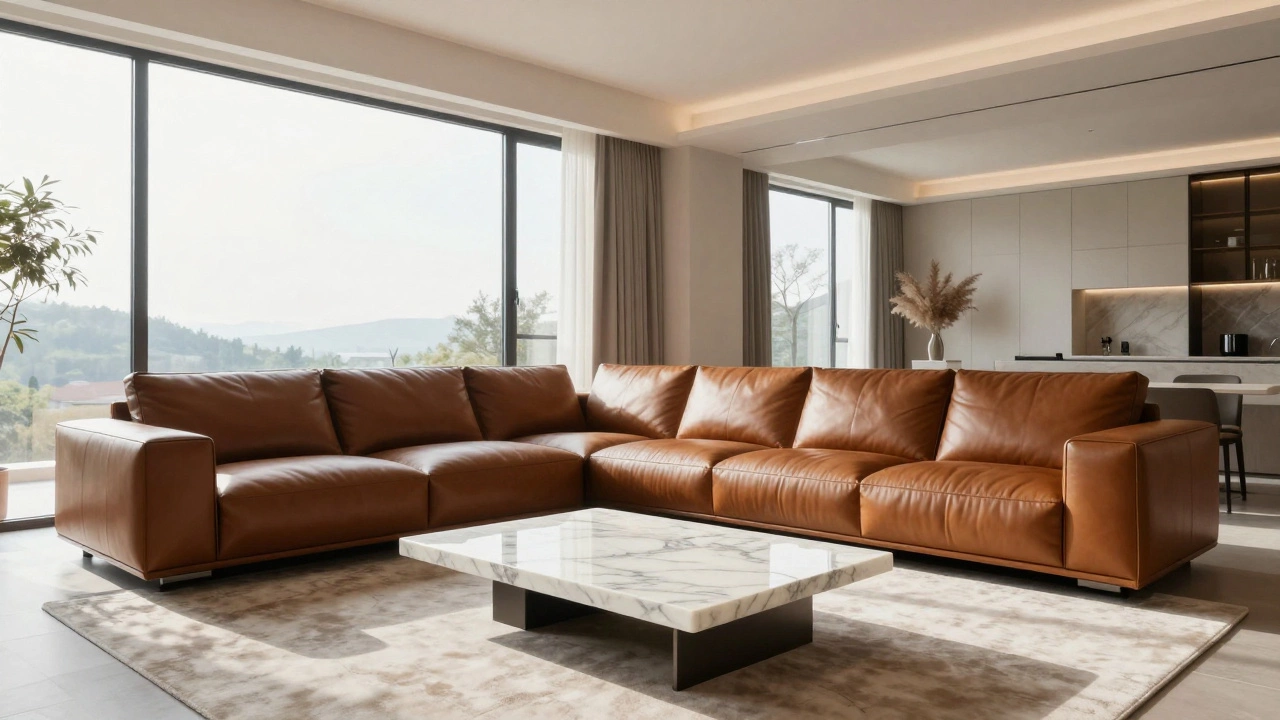
When people talk about high-end furniture, Italy is usually the first name that comes up. But why? It isn’t just marketing. Italy has built an ecosystem where design, engineering, and artisanal skill intersect seamlessly. The region around Milan, particularly the province of Como, is a hub for leather processing, while the Veneto region specializes in solid wood crafting.
Italian furniture is defined by its emphasis on aesthetics without sacrificing functionality. Brands like Poltrona Frau and Cassina don’t just make chairs; they create pieces that balance historical reverence with modern materials. If you are looking for statement pieces that double as investment assets, Italy is hard to beat. However, this excellence comes at a premium. You are paying for the designer’s vision and the meticulous hand-finishing that machines cannot replicate.
- Strengths: Unmatched design innovation, premium leather and marble integration, strong brand equity.
- Weaknesses: High cost, longer lead times due to custom nature, less focus on mass-market affordability.
Germany: Precision Engineering and Ergonomics
If Italy is about beauty, Germany is about function. German furniture manufacturing is rooted in the Bauhaus movement, which prioritized utility and simplicity. Today, this translates into some of the most durable and ergonomically sound furniture in the world. Think of companies like Vitra or Herman Miller (though American-owned, their European production lines adhere to strict German standards).
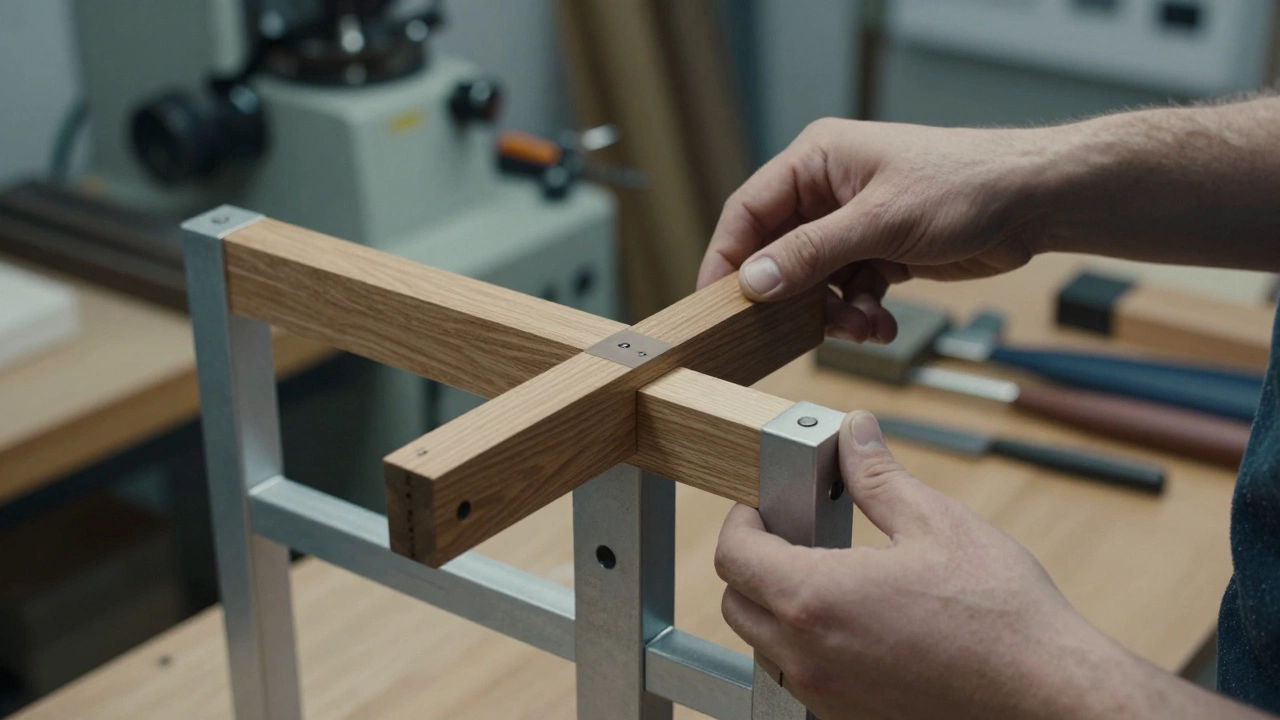
German furniture excels in joinery techniques and structural integrity. They use advanced machinery to ensure that every joint fits perfectly, reducing the risk of wobble or wear over time. This makes German furniture ideal for high-traffic commercial spaces or homes where durability is paramount. The finish is often understated, focusing on clean lines and robust materials like steel, glass, and treated hardwoods.
- Strengths: Exceptional durability, ergonomic design, consistent quality control, sustainable manufacturing practices.
- Weaknesses: Can feel utilitarian or cold to those seeking ornate designs, higher upfront costs for specialized ergonomic pieces.
Scandinavia: Minimalism and Natural Materials
Denmark, Sweden, and Norway have redefined modern living through their commitment to minimalism. Scandinavian furniture is not just a style; it is a lifestyle choice centered on hygge (coziness) and practicality. The region’s abundant forests provide access to high-quality pine, oak, and birch, which are often left untreated or lightly finished to highlight natural grain patterns.
Scandinavian furniture is known for its light color palettes and organic shapes. Companies like IKEA (Sweden) and HAY (Denmark) have democratized this design, making it accessible to millions. While IKEA focuses on flat-pack efficiency, other Danish makers like Flensted-Fur continue to produce high-end wooden chairs that last generations. The appeal here is versatility; these pieces blend easily into any decor, from industrial lofts to cozy cottages.
- Strengths: Timeless design, use of sustainable woods, functional simplicity, broad price range.
- Weaknesses: Lower-end options may lack longevity, limited variety in ornate or traditional styles.
India: Artisanal Heritage and Competitive Value
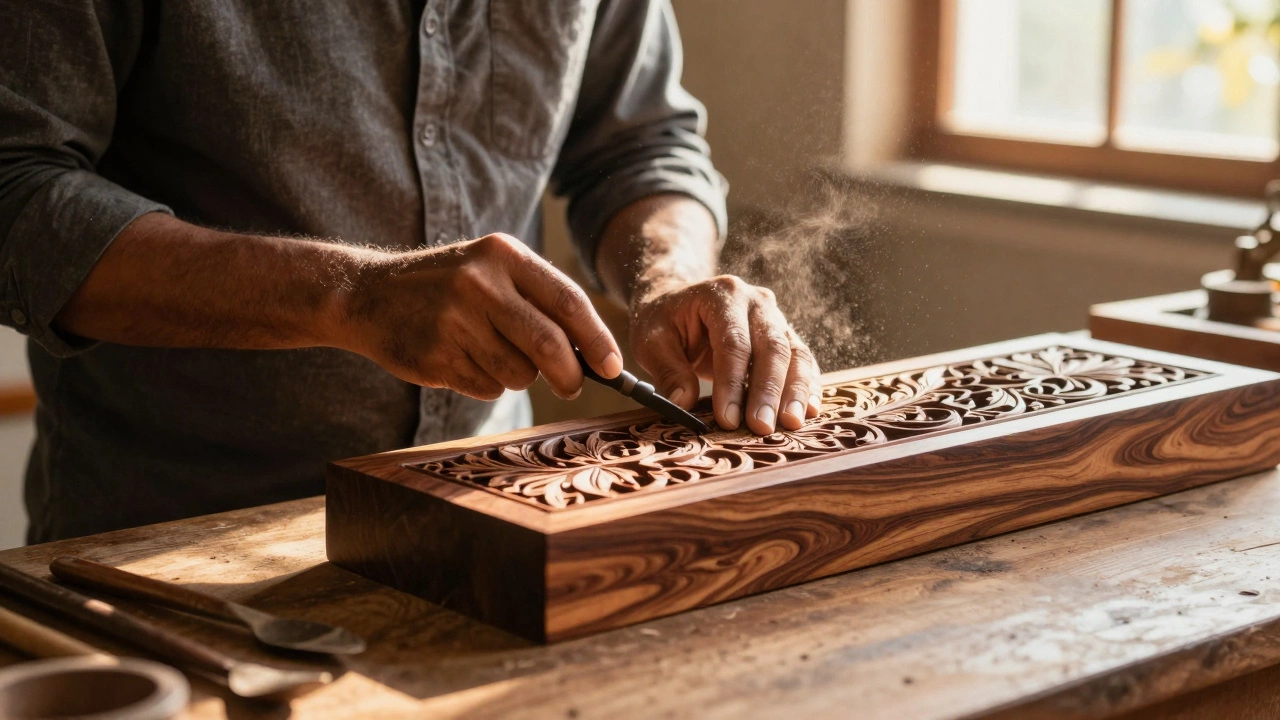
Often overlooked in global conversations about "best" furniture, India is actually a powerhouse in terms of craftsmanship and material diversity. With a history of woodworking dating back centuries, Indian artisans specialize in intricate carvings, inlay work, and the use of exotic woods like rosewood, teak, and sheesham (Indian rosewood). These woods are naturally resistant to termites and moisture, making them ideal for long-term use.
Indian furniture manufacturing combines traditional handiwork with modern production capabilities. Clusters in cities like Moradabad (brassware), Jodhpur (wooden furniture), and Hyderabad (teak export) supply both domestic and international markets. For buyers, India offers a compelling value proposition: you get hand-finished details that would cost significantly more in Europe, but at a fraction of the price. Additionally, the rise of eco-friendly initiatives means many Indian manufacturers now use reclaimed wood and non-toxic finishes.
| Country | Key Strength | Best For | Price Range |
|---|---|---|---|
| Italy | Design & Luxury | Statement pieces, high-end interiors | $$$ - $$$$$ |
| Germany | Durability & Ergonomics | Office furniture, long-lasting home goods | $$ - $$$$ |
| Scandinavia | Minimalism & Sustainability | Modern homes, small spaces | $ - $$$ |
| India | Artisanal Craftsmanship & Value | Custom pieces, ethnic decor, budget-conscious luxury | $ - $$ |
Other Notable Mentions: USA, China, and Vietnam
While the above four regions dominate the conversation, other countries play critical roles. The United States leads in mid-century modern revival and outdoor furniture, leveraging vast timber resources and innovative synthetic materials. Brands like West Elm and Restoration Hardware cater to a market that values convenience and trend-driven designs.
China is the world’s factory, producing everything from low-cost particle board items to high-end exports for Western brands. Their advantage lies in scale and speed. If you need thousands of identical units quickly, China is unmatched. However, quality can vary wildly depending on the supplier.
Vietnam has emerged as a rising star, particularly in rattan, bamboo, and solid wood furniture. With lower labor costs than China and a growing reputation for quality, Vietnam is becoming a go-to for eco-conscious designers seeking natural textures.
How to Choose the Right Country for Your Needs
Selecting the "best" country depends entirely on your specific requirements. Here is a quick decision framework:
- Budget Constraints: If you are working with a tight budget but want quality, look toward India or Vietnam. They offer superior material value compared to European alternatives.
- Design Priority: If aesthetics are your main concern and budget is secondary, Italy is the clear choice. Their pieces are often considered art.
- Longevity & Function: For offices or high-use areas, German or Scandinavian furniture provides the best return on investment through durability.
- Sustainability: Scandinavia and increasingly India lead in using renewable resources and ethical labor practices.
Remember, the label "Made in [Country]" does not always tell the whole story. Many global brands source materials from one country, manufacture in another, and assemble in a third. Always check the origin of the primary materials and the final assembly location to ensure you are getting the quality you expect.
Is Indian furniture cheaper than Italian furniture?
Yes, generally speaking. Indian furniture offers significant cost advantages due to lower labor costs and local availability of high-quality woods like teak and sheesham. While Italian furniture commands a premium for design branding and hand-finishing, Indian pieces often provide similar material quality at a fraction of the price, especially when avoiding major international brands.
Which country is best for eco-friendly furniture?
Scandinavian countries (particularly Sweden and Denmark) are leaders in sustainable furniture manufacturing, with strict regulations on forest management and chemical use. However, India is also emerging as a strong contender, with many artisans using reclaimed wood and natural, non-toxic finishes. Look for certifications like FSC (Forest Stewardship Council) regardless of the country of origin.
Why is German furniture so durable?
German furniture benefits from a culture of precision engineering and rigorous quality control standards. Manufacturers often use advanced joinery techniques and high-density materials that resist wear and tear. The focus on ergonomics also means that stress points are carefully calculated, leading to products that maintain their structural integrity over decades of use.
Can I buy Italian furniture online?
Yes, many Italian brands now sell directly to consumers online. However, shipping costs can be high due to the weight and fragility of luxury materials like marble and solid wood. It is advisable to purchase from reputable retailers that offer white-glove delivery services to ensure the pieces arrive in perfect condition.
What is the difference between Scandinavian and Japanese furniture?
Both styles emphasize minimalism, but Scandinavian furniture tends to be lighter in color and uses more varied woods like pine and birch, focusing on coziness (hygge). Japanese furniture often features darker woods, stricter geometric lines, and a deeper philosophical connection to Zen principles, emphasizing space and silence. Both prioritize functionality, but the emotional tone differs.




![Which Country Dumps the Most Plastic in the Ocean? [Data & Facts for 2025]](/uploads/2025/07/thumbnail-which-country-dumps-the-most-plastic-in-the-ocean-data-facts-for.webp)