
Manufacturing Profitability Calculator
CNC Machining
High PrecisionElectronics
Assembly (PCBA)Industrial Cleaning
Equipment & PartsRenewable Fab.
Solar/Wind HardwareKey Barrier to Entry:
Select a business model to see details.
Forget the myth that you need a billion-dollar valuation to make serious money. The real cash flow often hides in plain sight, tucked away in specialized manufacturing business ideas that solve specific, urgent problems for other companies. If you are asking what the highest paid small business is, the answer isn't usually software or dropshipping. It is often industrial services and niche production where margins stay fat because few people want to do the dirty work.
In 2026, the landscape has shifted. Supply chains are shorter, automation is accessible, and customers pay a premium for reliability over rock-bottom prices. You don't need a massive factory floor to capture this value. You need a focused operation with high barriers to entry-whether that barrier is technical skill, regulatory compliance, or proprietary technology.
The Reality of High-Margin Small Businesses
When we talk about "highest paid," we are talking about net profit margins, not just revenue. A business bringing in £1 million but keeping only £50,000 is less valuable than one bringing in £300,000 and keeping £150,000. The most lucrative small businesses typically operate in B2B (business-to-business) sectors rather than B2C (business-to-consumer).
Why? Because businesses have budgets. They don't haggle over pennies like consumers do. If your product saves them time, reduces liability, or enables their own revenue stream, they will pay a premium. This dynamic creates the perfect environment for high-profit small scale manufacturing ventures.
- Service-Based Manufacturing: Combining physical goods with ongoing maintenance contracts.
- Niche Specialization: Serving a tiny market so well that you become the default supplier.
- High-Ticket Items: Selling fewer units at higher price points.
Top Contender: Precision CNC Machining & Prototyping
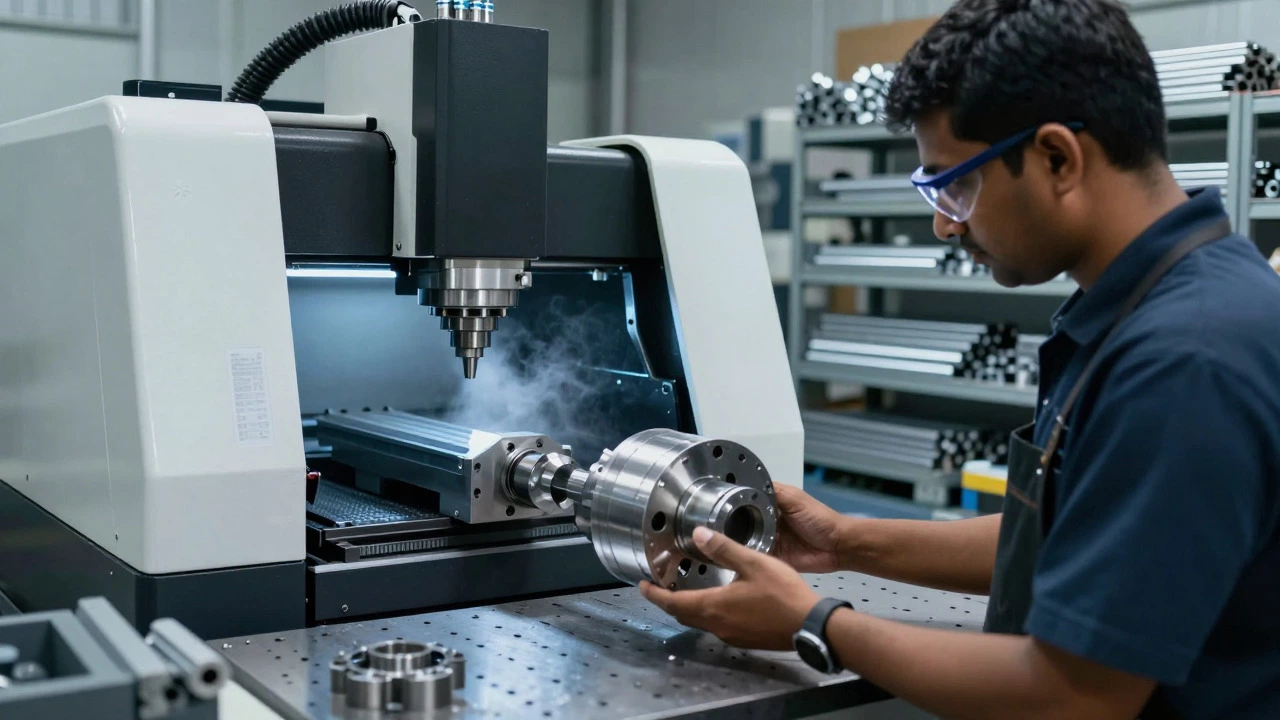
If there is a king of high-margin small manufacturing, it is precision machining. Companies that use Computer Numerical Control (CNC) machines to cut metal, plastic, or composite materials into precise parts command some of the highest hourly rates in the industry.
CNC Machining is a subtractive manufacturing process that uses computer-controlled tools to shape raw materials into complex components. A small shop with just three or four modern CNC mills can generate six-figure profits annually. Why? Because aerospace, medical device, and automotive companies need custom parts fast, and they cannot risk quality issues. They pay for speed and accuracy.
The barrier to entry here is knowledge and equipment cost, which keeps competition lower than in generic retail. A typical job shop might charge £80-£150 per hour for machine time, plus setup fees. With an 80% gross margin on labor and skilled operators, the net profit potential is immense. You aren't selling widgets; you are selling engineering certainty.
Specialized Electronics Contract Manufacturing
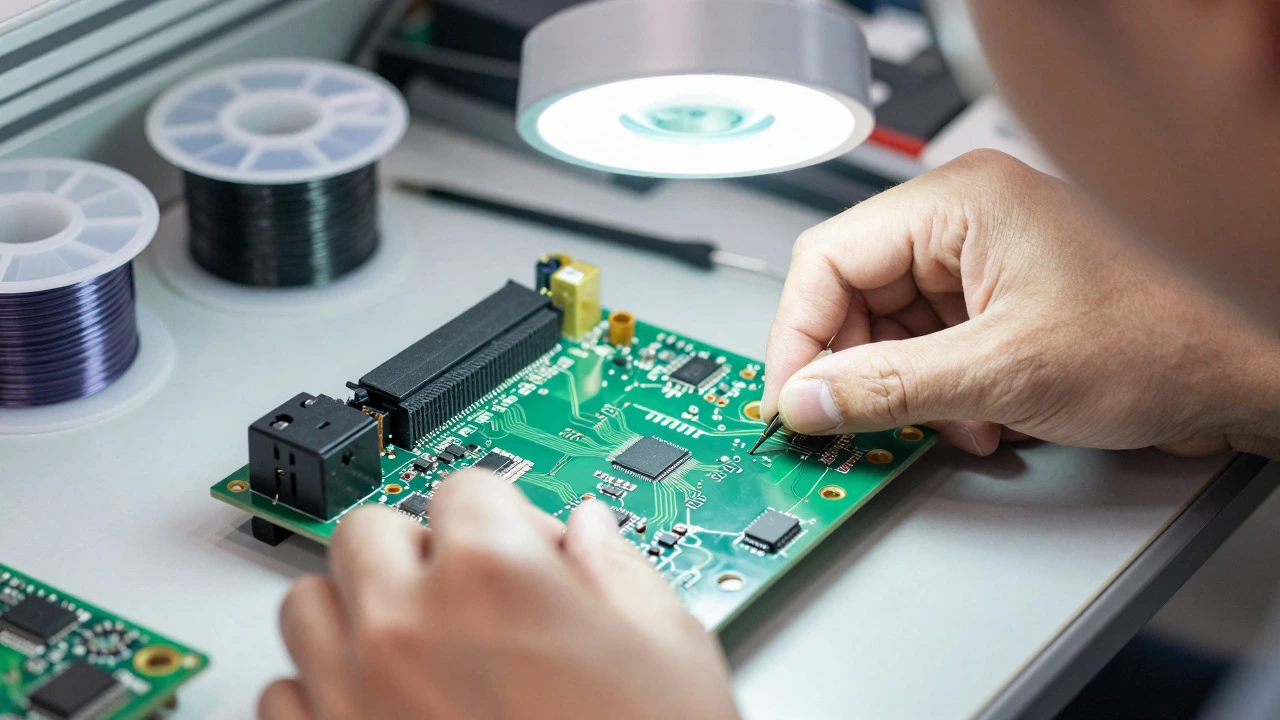
While large factories handle mass production for consumer electronics, there is a huge gap for low-volume, high-complexity electronic assembly. This is known as PCBA (Printed Circuit Board Assembly) for startups and IoT (Internet of Things) companies.
Contract Manufacturing is a business model where a company outsources the production of its products to a third-party manufacturer. In 2026, with the explosion of smart devices, many tech firms lack the capital to build their own lines. They need a partner who can assemble 500 units, test them, and ship them globally. These small-scale electronics manufacturers charge significant markups for engineering support, quality assurance, and supply chain management.
The key here is flexibility. Large manufacturers ignore orders under 10,000 units. If you position yourself as the expert for batches of 100 to 5,000, you face little competition and can dictate pricing. Margins in this sector often exceed 30% net because the value add is technical expertise, not just manual labor.
Industrial Cleaning & Maintenance Equipment
This sounds unglamorous, but specialized cleaning solutions for industries like food processing, pharmaceuticals, or data centers are incredibly profitable. Think about it: a hospital cannot afford downtime due to poor sanitation. A data center cannot risk dust damaging servers.
Manufacturing or refurbishing high-end industrial vacuums, steam cleaners, or filtration systems taps into a recession-proof market. These are essential operational expenses for other businesses. Furthermore, these businesses thrive on recurring revenue through service contracts and replacement filters/parts. The initial sale gets the foot in the door, but the long-term service agreements provide steady, high-margin cash flow.
Custom Fabrication for Renewable Energy
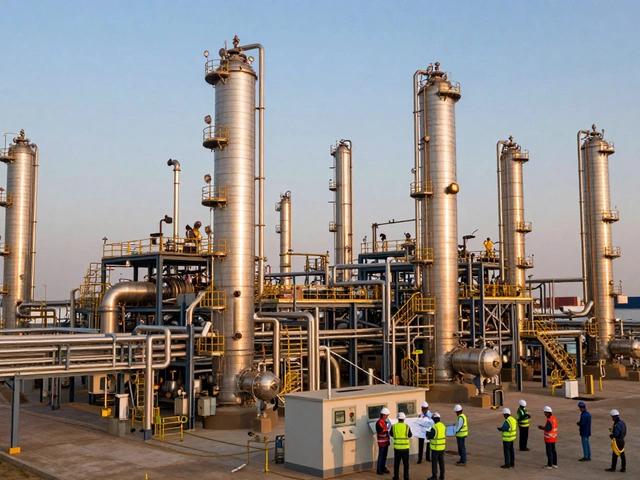
The green energy transition is creating demand for bespoke hardware. Solar panel mounting structures, wind turbine components, and battery housing units often require custom fabrication. Unlike standard construction materials, these parts must withstand extreme weather and meet strict safety certifications.
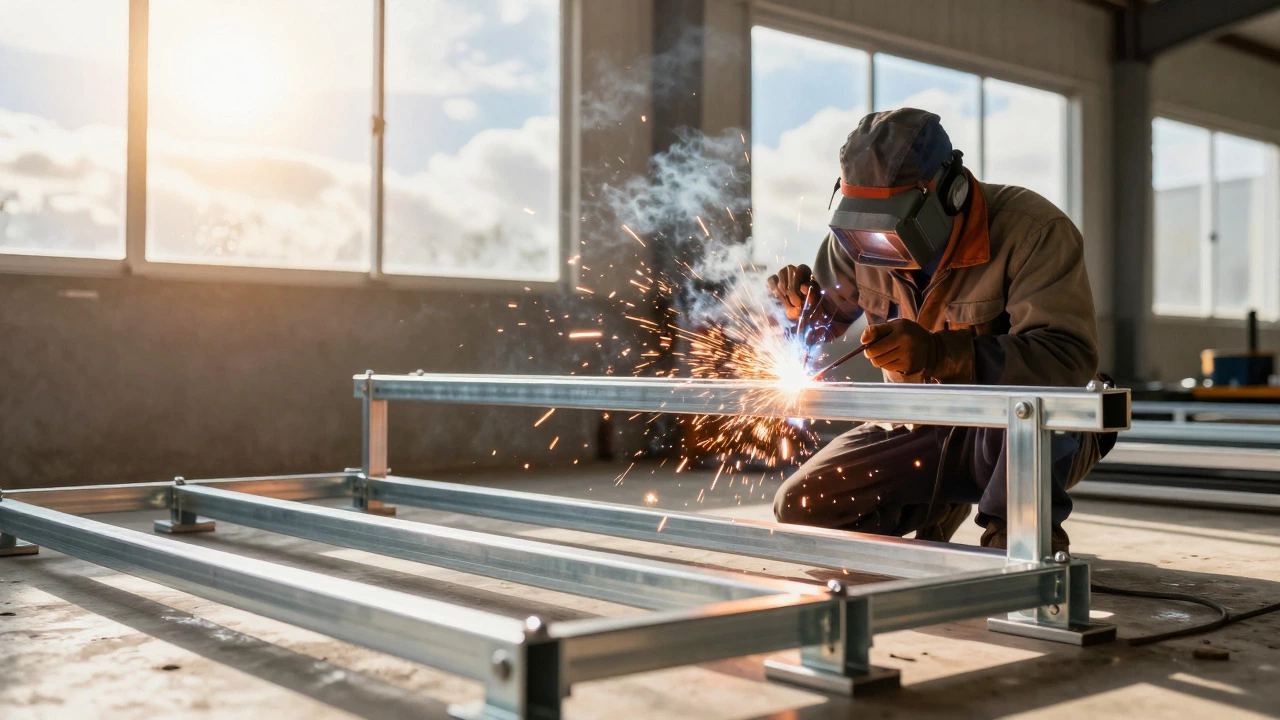
Metal Fabrication is an industrial process that involves cutting, bending, and assembling metals to create structures or products. A small workshop specializing in stainless steel or aluminum fabrication for solar farms can secure multi-year contracts. The margins are healthy because the stakes are high-if a mount fails, the entire array suffers. Clients pay for durability and certification compliance.
| Business Type | Startup Cost Estimate | Net Profit Margin | Key Barrier to Entry |
|---|---|---|---|
| CNC Machining | High (£100k+) | 25-40% | Technical Skill & Equipment |
| Electronics Assembly | Medium (£50k+) | 20-35% | Supply Chain & Certification |
| Industrial Cleaning Equip. | Low-Medium (£20k+) | 30-50% | Distribution Network |
| Renewable Fab. | Medium (£40k+) | 20-30% | Safety Certifications |
How to Maximize Profits in Any Niche
Choosing the right sector is only half the battle. To ensure your small business becomes the "highest paid" version of itself, you must optimize your operations. Here are the non-negotiable strategies for 2026:
- Automate Where Possible: Use ERP (Enterprise Resource Planning) software to track inventory, invoicing, and production schedules. Manual tracking kills margins.
- Focus on Recurring Revenue: Structure deals so clients return. Whether it's monthly part replacements or annual maintenance, predictability allows for better cash flow management.
- Price for Value, Not Cost: Don't just add 20% to your material costs. Price based on the value you deliver to the client. If your part saves them £10,000 in downtime, charging £2,000 is a bargain.
- Build Strategic Partnerships: Align with larger distributors who need reliable subcontractors. Being the "go-to" backup for a major player guarantees volume during peak seasons.
Pitfalls to Avoid
Even the best business ideas fail if executed poorly. Common traps include over-investing in machinery before securing clients, ignoring cash flow cycles (clients paying in 60 days while you pay suppliers in 30), and trying to serve too many markets. Stick to one niche, dominate it, and then expand.
What is the easiest high-paying small business to start?
Service-based manufacturing, such as industrial cleaning equipment distribution or simple metal fabrication, tends to have lower startup costs and faster break-even times compared to high-tech sectors like CNC machining. However, "easiest" depends on your existing skills. If you are an engineer, CNC is easier to enter than sales-driven distribution.
Do I need a lot of capital to start a manufacturing business?
Not necessarily. While heavy machinery requires investment, you can start with contract manufacturing models where you outsource production initially and focus on design and sales. Alternatively, used equipment markets offer affordable entry points for CNC lathes and milling machines.
Which manufacturing niche has the highest growth potential in 2026?
Electronics assembly for IoT devices and components for renewable energy infrastructure are seeing rapid growth. As global regulations tighten on emissions and connectivity increases, demand for specialized hardware in these sectors continues to outpace supply.
How can a small manufacturer compete with large factories?
Compete on speed, customization, and customer service. Large factories are optimized for volume and struggle with short runs or last-minute changes. By positioning yourself as an agile partner for low-volume, high-complexity jobs, you avoid direct price competition.
Is it better to manufacture products or provide manufacturing services?
Providing manufacturing services (job shops) often yields higher immediate cash flow and lower inventory risk. Product manufacturing requires marketing, distribution, and brand building. Services allow you to focus purely on production efficiency and client relationships.