
Small Scale Manufacturing Profit Calculator
Calculate Your Profit Potential
Estimate your monthly earnings for small-scale manufacturing businesses based on the article's key principles about high margins and low-volume production.
Profit Estimate
Monthly Revenue: £0.00
Monthly Costs: £0.00
Monthly Profit: £0.00
Based on the article: "A maker who sells 200 handmade candles a month at £12 each, with a £7 profit per candle, makes £1,400 profit monthly."
Small-scale manufacturing succeeds through high margins, not volume. Your profit depends on unique craftsmanship, local sourcing, and direct customer relationships.
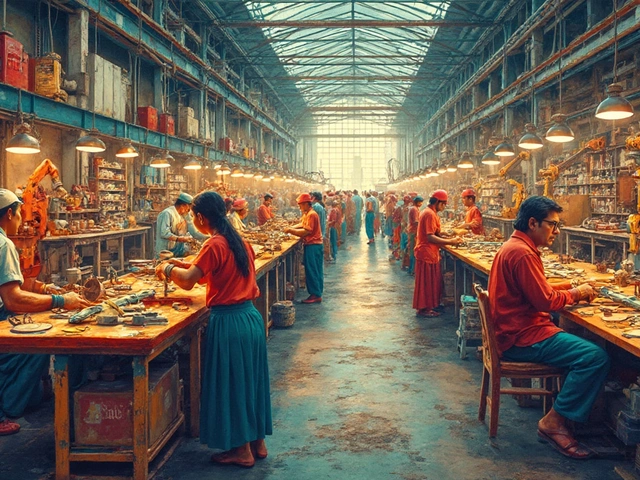
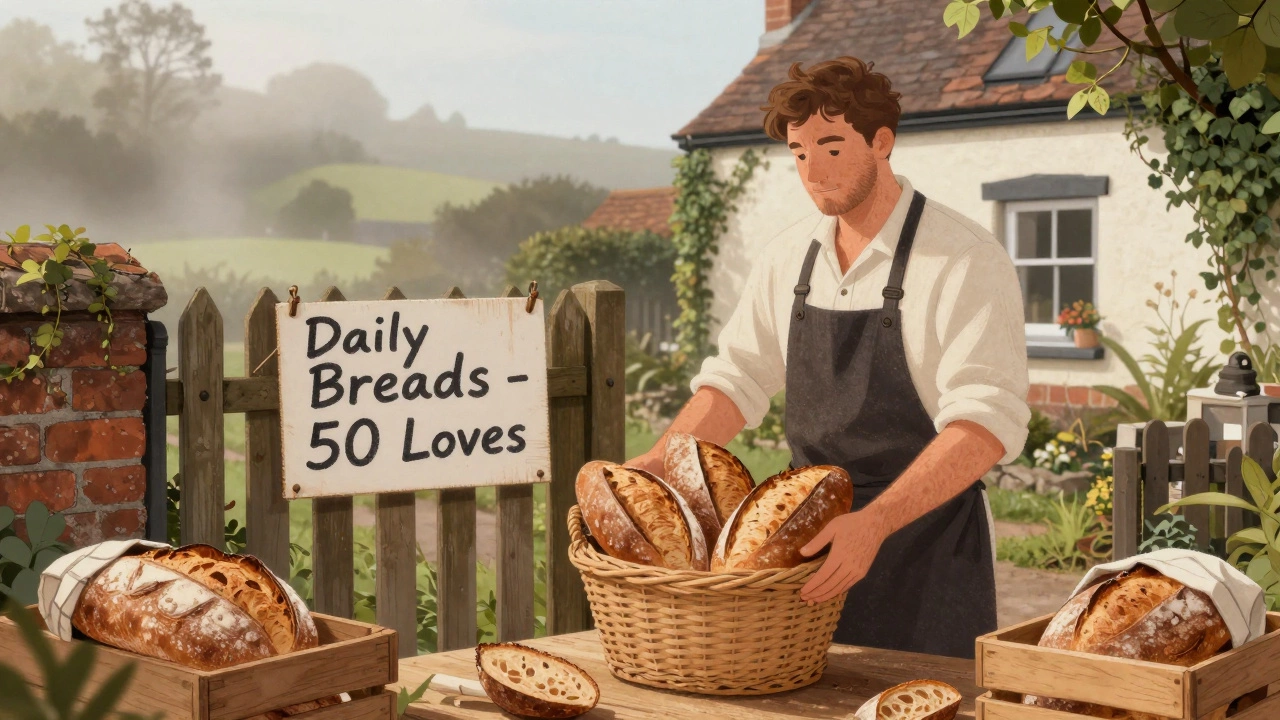
Small scale manufacturing isn’t some fancy term used only in business textbooks. It’s what happens when someone turns a garage, a backyard shed, or a small workshop into a real production line. It’s the person making soap in their kitchen and selling it at the farmers’ market. It’s the local baker who bakes 50 loaves a day and delivers them to three nearby shops. It’s the family that sews custom bags in a room behind their house and ships them across the country. These aren’t big factories with hundreds of workers. They’re small, focused, and often run by one or two people who know every bolt, every stitch, every batch.
What exactly counts as small scale manufacturing?
There’s no single global rule, but in the UK, small scale manufacturing usually means producing goods with fewer than 50 employees and annual turnover under £10 million. In many developing countries, the threshold is even lower-sometimes just one or two people using hand tools or basic machines. The key isn’t size alone. It’s about control. The maker owns the process, from raw material to finished product. They decide what to make, how much to make, and who to sell it to.
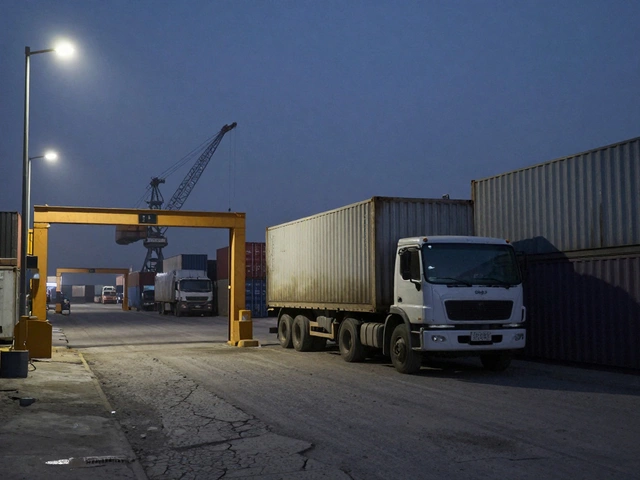
Compare that to big manufacturers. A car plant might produce 1,000 vehicles a day using automated robots and supply chains that stretch across continents. A small scale manufacturer might make 10 custom bike frames a week, welding each one by hand, choosing the steel, painting it themselves, and talking to the customer before they even start.
How is it different from big manufacturing?
Big factories thrive on volume. They need to make thousands of the same thing to keep costs low. Small scale manufacturers thrive on variety. They make things that are different-custom sizes, unique designs, local materials. They don’t need to sell 10,000 units. They just need to sell 50, and make enough on each one to keep going.
Here’s a simple breakdown:
| Feature | Small Scale Manufacturing | Large Scale Manufacturing |
|---|---|---|
| Employees | 1-50 | 100+ |
| Production Volume | Low to moderate | High, mass production |
| Equipment | Hand tools, basic machines | Automated lines, robotics |
| Customization | High-each product can be different | Low-standardized products only |
| Supply Chain | Local or regional | Global, complex |
| Startup Cost | Low-often under £10,000 | High-millions required |
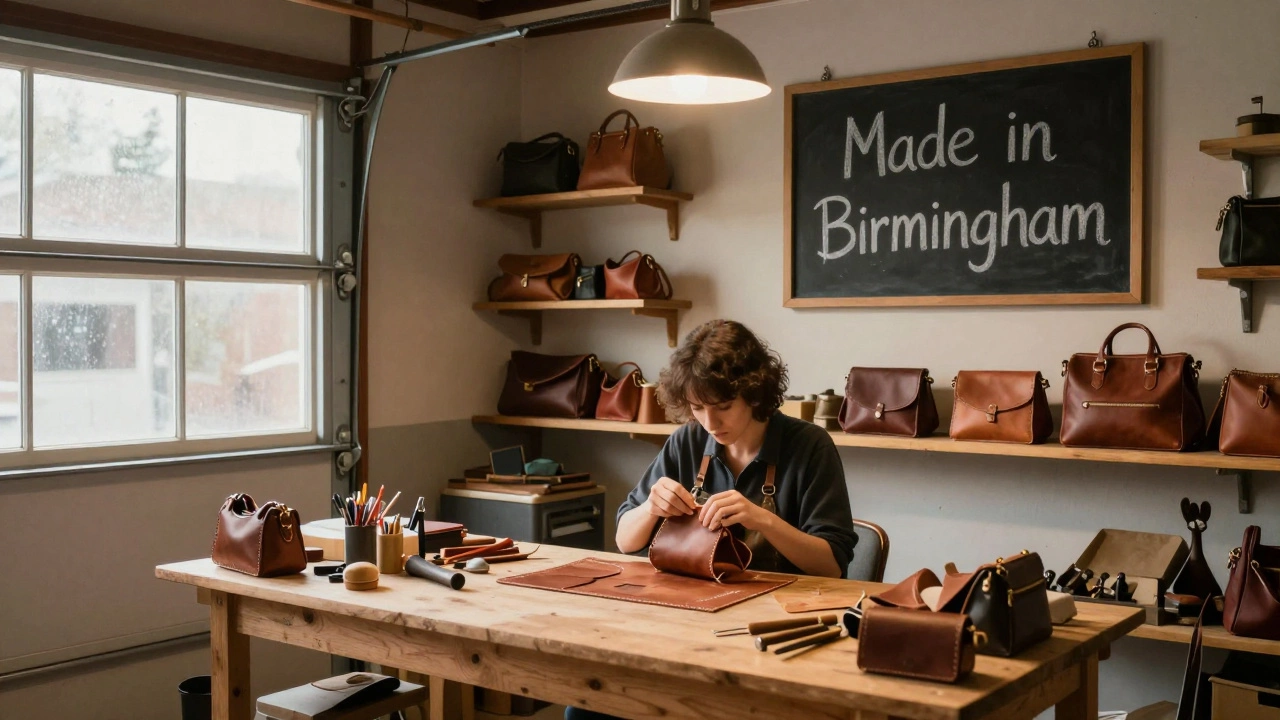
That’s why small scale manufacturing is so common in places like Birmingham, where there’s a long history of workshops and skilled craftspeople. You’ll find them in old industrial buildings turned into maker spaces, or tucked into quiet streets where the only sign is a handwritten chalkboard outside the door.
What kinds of things are made this way?
People think small scale means cheap or low quality. That’s not true. Many high-end products start small. Here are real examples from across the UK:
- Handmade leather goods-belts, wallets, and bags stitched one at a time using vegetable-tanned leather from local tanneries.
- Artisan food products-small-batch jams, pickles, or chocolate made in home kitchens under food safety licenses.
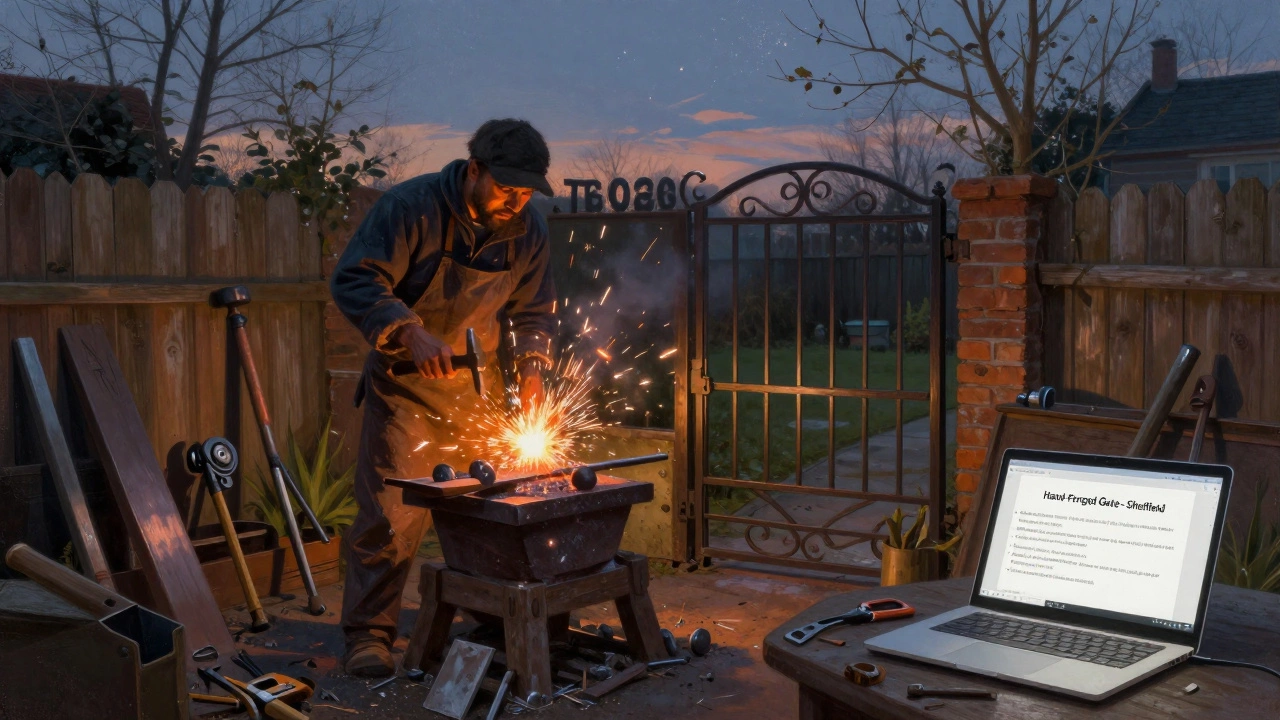
- Custom metalwork-furniture legs, garden gates, or fireplace tools forged by a single blacksmith.
- 3D-printed parts-replacement components for vintage appliances, made on demand for customers who can’t find them anywhere else.
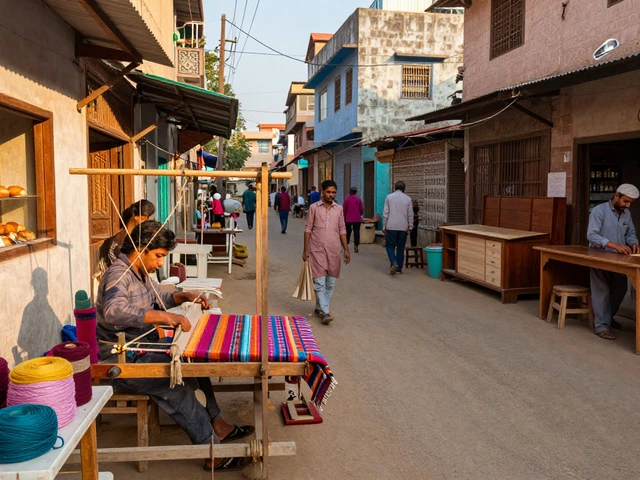
- Handwoven textiles-scarves and blankets woven on small looms, using wool from local sheep farms.
These aren’t hobby projects. These are businesses. Some of them earn £100,000 a year or more. One woman in Sheffield makes custom guitar picks from recycled vinyl records. She sells them online and to music shops across Europe. She doesn’t need to make 10,000 a month. She makes 800-and each one costs £8 to produce and sells for £15.
Why do people choose small scale manufacturing?
It’s not always about money. Often, it’s about freedom. You’re not stuck in a cubicle. You’re not answering to a manager who doesn’t care about your product. You decide the hours, the materials, the quality standards. You build something real with your hands.
There’s also a growing market for things that feel personal. People don’t just want a product-they want a story. They want to know who made it, where it came from, and how it was made. Small scale manufacturers give them that. A customer who buys a hand-thrown ceramic mug doesn’t just want a mug. They want to know it was made by a potter in Shropshire, fired in a wood-burning kiln, and glazed with a recipe passed down from her grandmother.
Government support helps too. In the UK, programs like the Start Up Loans scheme and local enterprise partnerships offer grants and training to small makers. Many councils even provide low-cost workshop space in former industrial units.
What are the challenges?
It’s not easy. You’re not just the maker-you’re the accountant, the marketer, the delivery driver, and the customer service rep. You don’t have a HR department to handle sick days. You don’t have a legal team to handle contracts. If you get sick, the work stops.
Scaling up is tricky. If you suddenly get a big order from a retailer, can you handle it? Do you have the space? The tools? The cash to buy more materials? Many small manufacturers get overwhelmed by success. They take on too much, hire too fast, and burn out.
Another problem? Competition from cheap imports. A plastic toy made in China and shipped by the containerload can cost £2. Your handmade wooden version might cost £18 to make. But here’s the thing: people who buy your product aren’t comparing prices with China. They’re comparing it to other handmade goods. They’re willing to pay more for quality, uniqueness, and ethics.
How to get started
If you’re thinking about starting small scale manufacturing, here’s how to begin without risking everything:
- Start with what you already know-if you bake, make jam. If you sew, make aprons. If you fix things, make replacement parts.
- Test demand before investing-sell a few items at a market or online. See if people actually want them.
- Keep it simple-don’t buy expensive machines right away. Use what you have. A hand drill, a sewing machine, a kiln from eBay-these can get you started.
- Register your business-even if you’re just selling from home, you need to be registered with HMRC and follow safety rules.
- Talk to other makers-join local maker groups. There are hundreds in the UK. They’ll share tips, tools, and even customers.
The best small manufacturers don’t try to be Amazon. They try to be themselves. And that’s exactly what makes them successful.
Is small scale manufacturing the future?
More and more people are asking: Where did this come from? Who made it? Is it ethical? Is it built to last? Big manufacturers can’t answer those questions easily. But small makers can. They can show you the workshop. They can name the supplier. They can tell you how many hours went into each piece.
It’s not about replacing big factories. It’s about giving people another choice. A choice for local economies. A choice for craftsmanship. A choice for sustainability. When you buy from a small manufacturer, you’re not just buying a product. You’re supporting a person, a community, and a way of making things that’s been around for centuries-and still works today.
Is small scale manufacturing profitable?
Yes, but not because of volume. Profit comes from high margins, not high sales numbers. A maker who sells 200 handmade candles a month at £12 each, with a £7 profit per candle, makes £1,400 profit monthly. That’s more than many full-time jobs. The key is keeping costs low and selling directly to customers.
Do I need a business license for small scale manufacturing?
You need to register as self-employed or a limited company with HMRC. If you’re making food, cosmetics, or toys, you may need additional permits for safety and hygiene. Local councils often have guides for home-based makers. Always check your local rules-requirements vary by product and location.
Can I start small scale manufacturing with no money?
You can start with almost nothing. Many makers begin by using tools they already own-a sewing machine, a soldering iron, a kitchen oven. Sell a few items online or at a local fair to fund the next step. The first £500 investment often goes toward basic packaging, labels, or a simple website.
What’s the difference between small scale manufacturing and a hobby?
A hobby is something you do for fun. Small scale manufacturing is when you sell your products regularly and rely on that income-even if it’s just a little. If you’re making things to earn money, not just to pass time, it’s a business. That means you need to track income, pay taxes, and follow safety rules.
Are there grants or funding for small manufacturers in the UK?
Yes. The Start Up Loans programme offers up to £25,000 at low interest. Local enterprise partnerships sometimes offer grants for equipment or training. Some councils have funds for makers to rent workshop space. Also check the UK Government’s Business Support Helpline for current opportunities.
Next steps if you’re thinking of starting
Don’t wait for the perfect idea. Start with what you can make today. Make one thing. Sell it to one person. Get feedback. Make it better. Do it again. That’s how every small manufacturer starts. You don’t need a big plan. You just need to begin.