
Food Product Profitability Calculator
Production Costs
Revenue & Sales
You might guess that chocolate or fresh produce drives the biggest revenue streams in the industry. Surprisingly, those categories often struggle with lower margins due to high ingredient costs and spoilage rates. The real money sits in processed goods where shelf stability meets consumer convenience. When analyzing unit economics across the global market, three categories consistently outperform others: specialty snacks, condiments, and dry spice mixes. These sectors allow manufacturers to control costs while commanding premium pricing through branding and packaging.
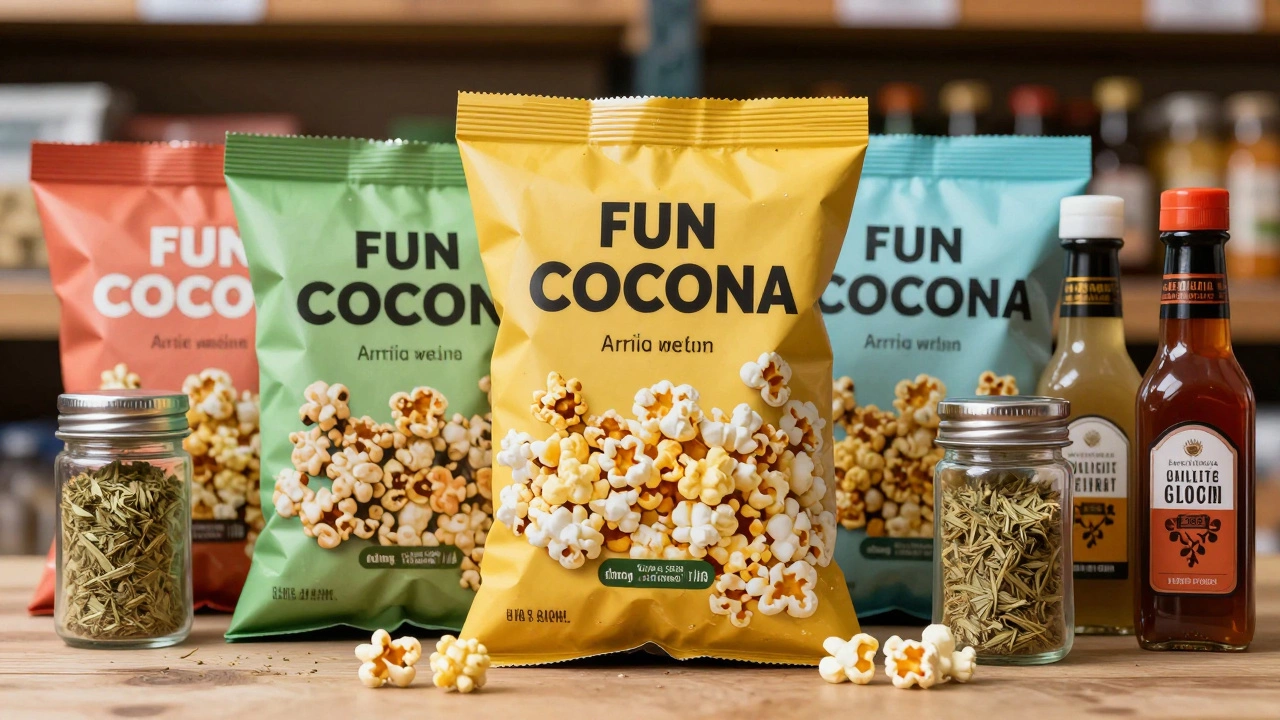
In 2026, the landscape shifts slightly toward sustainability, yet the core economic principles remain unchanged. A manufacturer focusing on Popcorn is a low-cost raw material with massive markup potential when packaged correctly.Popped Corn. You can buy kernels for pennies and sell a branded bag for pounds. However, volume is king here. Without efficient distribution channels, even high-markup items fail to move inventory.
High-Margin Categories That Move Fast
If you are running a Food Processing Unit facility designed to transform raw ingredients into shelf-ready products., understanding the product mix is vital. Not every recipe works in a factory setting. Some items require delicate handling that ruins your bottom line. Others, like Spice Powder ground seeds and plants with long shelf lives.Ground Spices, fit almost any setup. The density of value per gram is incredibly high. You import raw cardamom or black pepper, process it in small batches, and the final retail weight looks substantial compared to the input cost.
Then there are condiments. Think beyond ketchup. Specialty hot sauces and artisanal dressings have seen a boom in recent years. Consumers pay significantly more for "gourmet" labels, even if the base ingredients are similar to supermarket brands. This phenomenon creates an arbitrage opportunity. If your brand identity is strong enough, you can charge double the price for a bottle that costs ten percent of the sticker price to make. This isn’t just about cooking; it is about Brand Equity the intangible value attached to a product name..
The Math Behind Snack Manufacturing
Why do chips and puffed snacks dominate profitability lists? The answer lies in caloric density versus weight cost. Potato chips have historically been the benchmark. However, in 2026, healthier alternatives are capturing the wallet share. We are seeing a massive shift toward legume-based puffs and quinoa balls. These products command higher prices from health-conscious buyers who ignore the cost sensitivity of traditional snackers. For a processor, this means investing in extrusion technology capable of handling complex flours without clogging or burning.
| Product Type | Avg. Gross Margin | Shelf Life | Equipment Complexity |
|---|---|---|---|
| Spice Blends | 65-80% | 2 Years | Low |
| Specialty Popcorn | 50-70% | 6 Months | Medium |
| Condiments | 45-60% | 1-3 Years | Medium |
| Fresh Produce | 20-35% | Days | High |
Notice how Fresh Produce falls significantly behind. The refrigeration costs and waste management expenses eat directly into profits. Your storage infrastructure needs to support long-term holding. Dry goods win because they survive transport better. Logistics is silent killer of margins. If your product spoils before reaching the shelf, you are literally throwing money away. By sticking to dry or semi-dry processed items, you reduce dependency on cold chains and expand your geographic reach.
Necessary Infrastructure for Maximum Returns
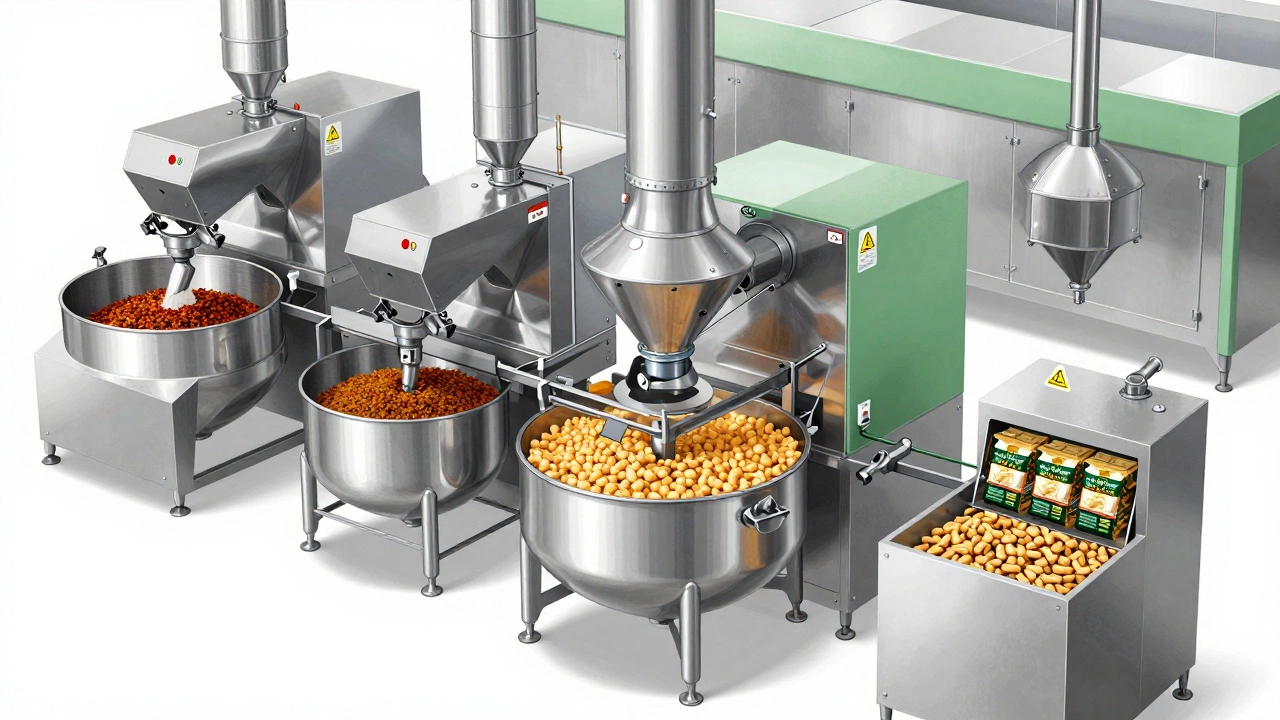
You cannot run a profitable operation with basic kitchen tools. Industrial scaling requires dedicated machinery. A Mixing Machine equipment used to combine ingredients uniformly. designed for heavy viscous loads is essential for sauces. For powders, dust extraction systems become mandatory for safety compliance. Regulatory bodies like the FSA in the UK enforce strict hygiene standards. Failure to meet these means shutting down production immediately. The initial capital expenditure hits hard, but amortizing that cost over millions of units brings the per-unit cost down drastically.
Packaging plays a role just as big as the food itself. Consumers judge quality by the seal, the label, and the feel of the container. Cheap packaging signals cheap ingredients. Investing in sustainable materials, such as biodegradable plastics or recycled cardboard, aligns with 2026 environmental mandates. It opens doors to government incentives and attracts eco-friendly distributors who refuse to stock plastic-heavy goods. This decision protects your brand reputation in the long run.
Trends Shaping Profit in 2026
The market moves faster today than ever before. What worked five years ago may not work now. Currently, plant-based protein is stabilizing its prices. Earlier hype inflated costs, making some ventures unsustainable. Now, Pea Protein Isolate a concentrated source of vegetable protein. has reached cost parity with some animal proteins in bulk procurement. This allows snack makers to launch "meat-free" meat sticks without bleeding cash. Another trend is sugar reduction. Reformulating classic treats to cut calories allows entry into diet stores where competition is fierce. Lower sugar also means fewer restrictions on ingredients and simpler labeling requirements.
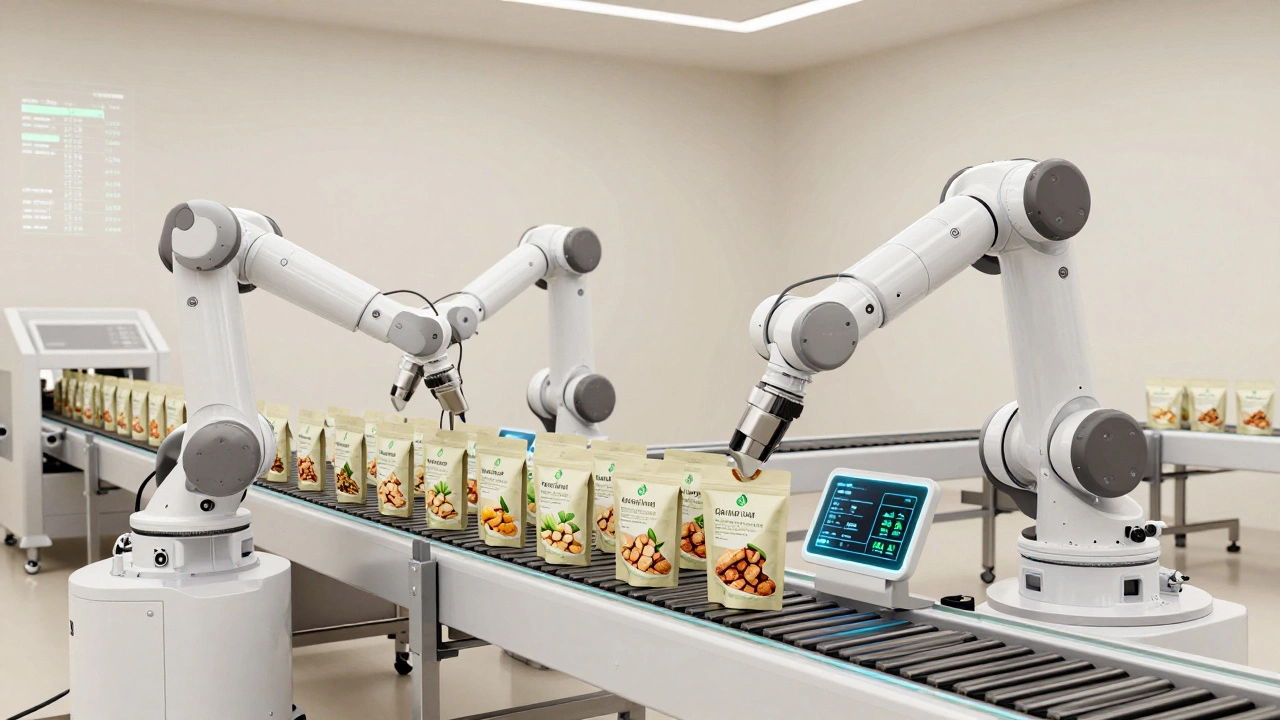
Automation is no longer optional. Labour costs in places like Birmingham continue to rise. Robotic arms filling jars and computer vision inspecting seals save thousands in error correction. A single mislabeled batch can trigger a recall costing hundreds of thousands. Investing in smart sensors monitors temperature and humidity in real-time. This data feeds back into your quality assurance logs. You prove compliance automatically rather than building files manually. This speed improves cash flow because audits pass faster.
Managing Risks and Supply Chains
Sourcing raw materials creates vulnerability. Global commodity prices fluctuate weekly. Locking in contracts with suppliers provides stability. If you rely on imported nuts, currency exchange rates impact your margins daily. Local sourcing mitigates this but limits variety. A balanced strategy involves hybrid sourcing. Use local grains for staples and import exotic flavors sparingly to maintain uniqueness. Diversification prevents a shock in one region from stopping your entire line. Always keep six months of non-perishable stock in reserve warehouses.
Distribution is the bridge between factory and customer. Selling direct-to-consumer online eliminates middlemen but adds logistical complexity. Warehousing small parcels increases shipping costs. Partnering with retailers offers volume sales but reduces margin. You have to negotiate terms carefully. Consignment models help build relationships but delay payment cycles. Cash flow dictates survival more than profit does in the early stages. Prioritize customers who pay quickly over those offering better wholesale prices.
Scaling Up Successfully
Growth requires discipline. Many operators scale too fast and dilute quality. The best expansion happens by mastering one SKU before adding ten. Perfect your popcorn recipe until it tastes identical every batch. Then replicate that precision to your next flavor. Consistency builds trust. Customers return for reliability, not occasional brilliance. Marketing should focus on retention rather than acquisition once you have traction. Email campaigns and subscription boxes yield higher lifetime value than expensive ad buys. Retargeting previous purchasers is always cheaper than finding new faces.
Conclusion and Next Steps
Focusing on processed staples offers the clearest path to revenue. Whether you start with spices or snacks, the goal is to minimize waste and maximize turnover. Avoid fresh perishables unless you have established cold logistics. Prioritize machinery that handles high volumes with minimal labor. Keep your branding strong to command premium pricing. Finally, monitor regulatory changes constantly. Compliance keeps your lights on while margins fill the bank account.
What food product has the highest profit margin?
Specialty spice blends and gourmet hot sauces typically offer the highest gross margins, often exceeding 70%, because raw ingredient costs are low relative to the retail shelf price driven by branding and perceived quality.
Is popcorn production still profitable in 2026?
Yes, popcorn remains highly profitable due to the low cost of corn kernels compared to the sold price of packaged bags. However, differentiation through organic ingredients or unique flavor profiles is now necessary to compete.
How much equipment do I need to start a small food unit?
For dry goods like spices, you need industrial grinders, sieves, and packaging machines. Initial investment varies widely based on capacity, but a functional small-scale setup requires mixing, heating, and sealing capabilities meeting food safety standards.
Are fresh foods worth processing?
Fresh foods usually have lower margins due to spoilage risks. While some high-end cuts exist, processed and dried goods generally provide better financial stability and storage ease for business owners.
Does sustainable packaging affect profit?
Sustainable packaging often has higher upfront costs but protects brand image and avoids future regulatory fines. In 2026, many retailers prioritize eco-friendly products, potentially increasing sales volume enough to offset costs.