
Semiconductor Ecosystem Simulator: Design to Device
How it works: Click through the stages of the semiconductor lifecycle to see how India's current capabilities match against the requirements of each phase.
Chip Design (Architecture)
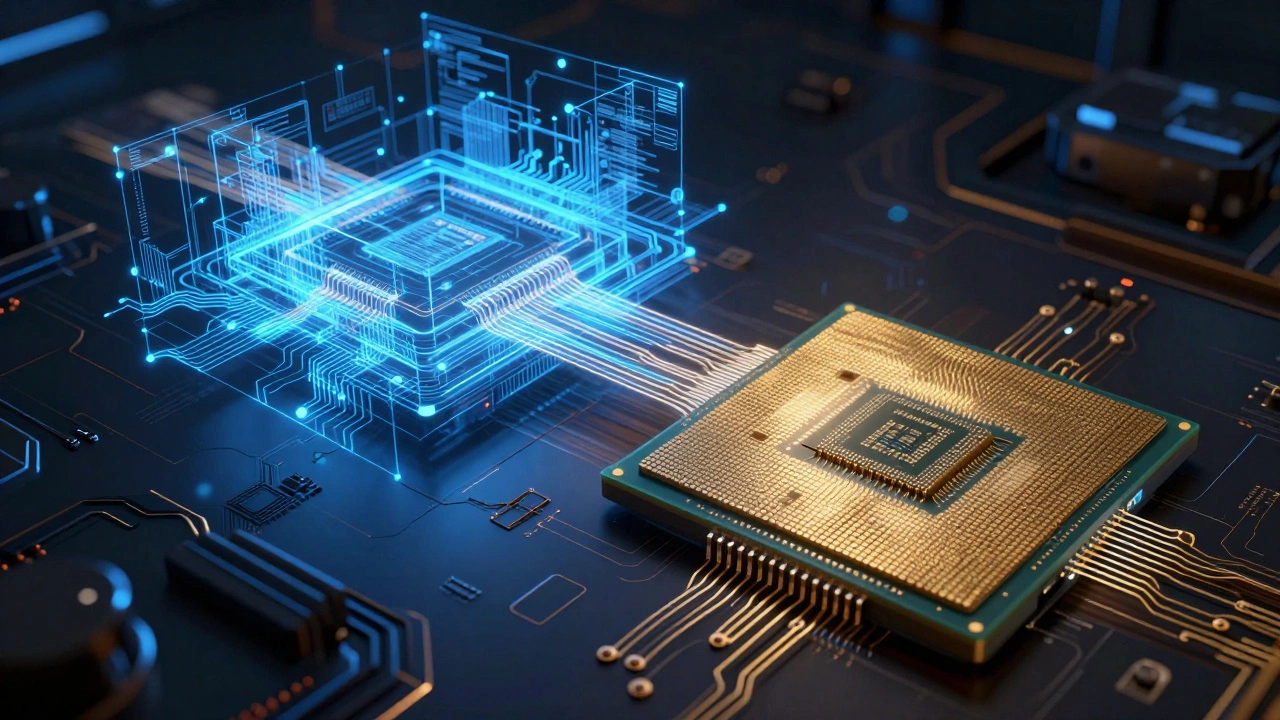
Global LeaderMapping the logic and circuits using high-end software. India dominates this phase with thousands of engineers in hubs like Bengaluru and Hyderabad.
Key Indian Players/Hubs:
- Bengaluru & Hyderabad Hubs
- Global Chip Design Centers
Key Takeaways: The State of Indian Chips
- India historically dominated chip design but lacked fabrication plants (fabs).
- The government is now offering billions in incentives to bring manufacturing onshore.
- Focus is shifting toward ATMP (Assembly, Testing, Marking, and Packaging) first, followed by full-scale fabrication.
- Strategic partnerships with companies like Micron and Tata are the current driving forces.
The Gap Between Designing and Making
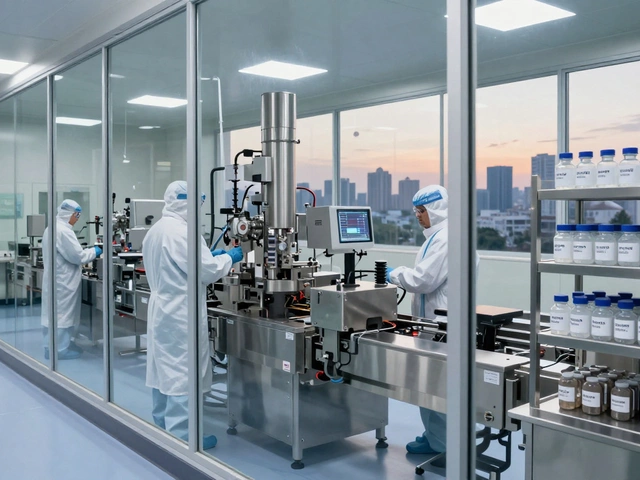
To understand where India stands, you have to know the difference between a "fabless" company and a "foundry." For decades, India has been a fabless powerhouse. If you open a smartphone or a laptop, there is a high chance the architecture of the chip inside was mapped out by an engineer in India. However, the actual manufacturing-the process of etching circuits onto silicon-requires a Fabrication Plant (or "fab"), which is essentially a multi-billion dollar clean room. Until recently, India had no commercial-scale fabs for advanced logic chips.
Why is this a problem? Because when the world hit a chip shortage in 2021 and 2022, India's automotive and electronics sectors ground to a halt. We realized that relying on a single geographic point-mostly Taiwan-was a massive risk. This created the urgency to start semiconductors made in India, moving beyond just assembling parts imported from China.
The First Big Wins: Assembly and Packaging
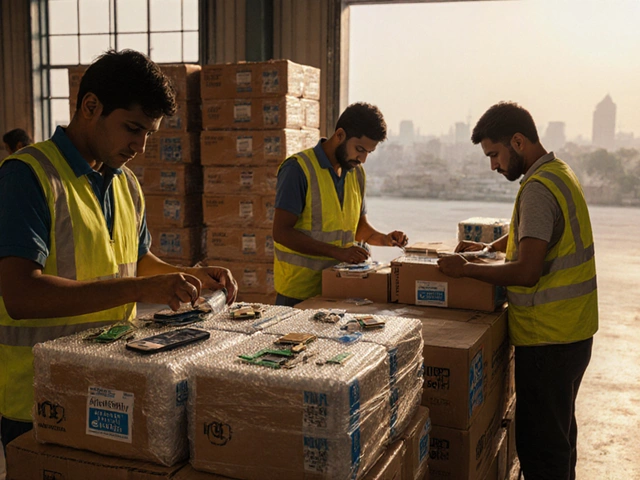
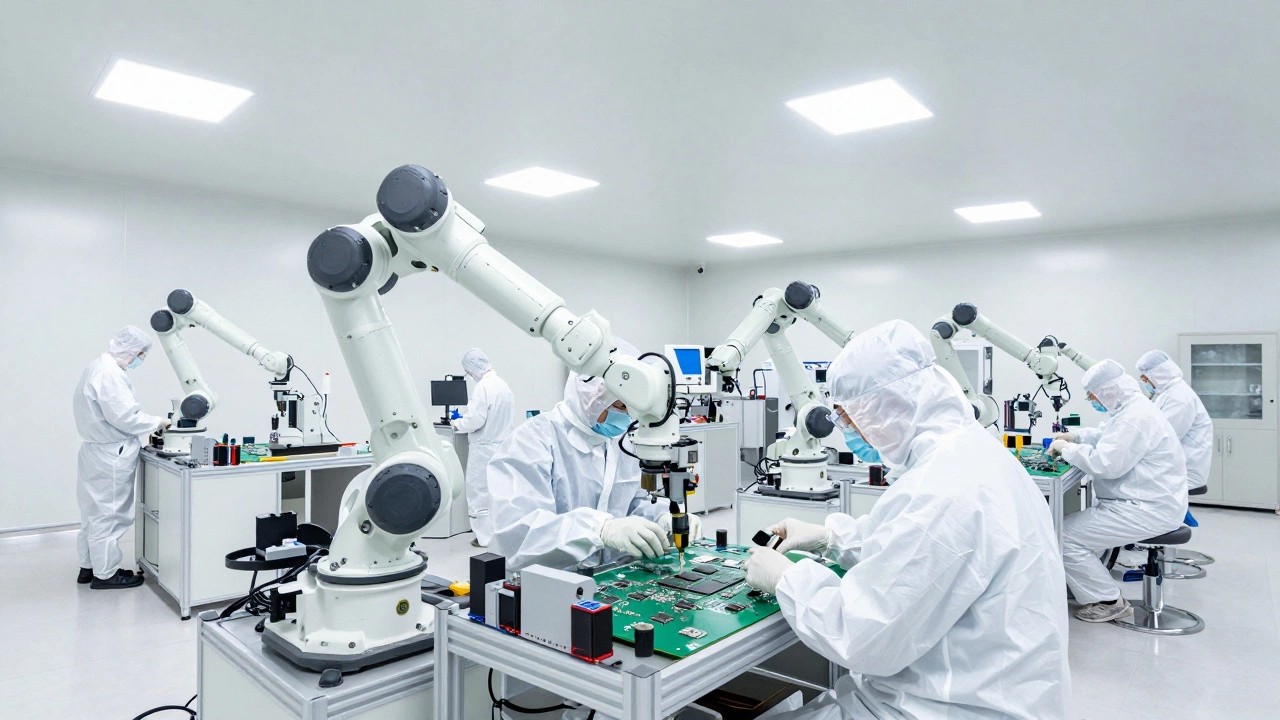
Building a full-scale fab is like trying to build a city from scratch; it takes years and an insane amount of water and electricity. Because of this, India is starting with ATMP. Think of this as the "final assembly line" of the chip world. Instead of making the raw wafer, the company imports the wafer and then cuts, tests, and packages it into the final chip you see on a circuit board.
Micron Technology is a leading American memory manufacturer that has committed to building a massive assembly and test facility in Gujarat. This is a huge deal because it proves that global players trust India's infrastructure enough to house high-precision equipment. They aren't just making chips; they are creating a localized supply chain for memory products used in everything from AI servers to electric vehicles.
| Feature | Chip Design (Established) | Chip Fabrication (Emerging) |
|---|---|---|
| Primary Activity | Logic mapping and architecture | Physical etching on silicon wafers |
| Infrastructure Need | High-end software and engineers | Clean rooms, ultra-pure water, stable power |
| Investment Level | Moderate (Human Capital) | Extreme (Billions of Dollars) |
| India's Current Status | Global Leader | Early Stage / Scaling Up |
The Role of the Tata Group and Local Giants
You can't talk about Indian industry without mentioning Tata Group. They aren't just playing catch-up; they are leading the charge. Tata Electronics is building a massive fab in Dholera, Gujarat. This plant isn't just for show-it's aimed at producing logic chips that can be used in consumer electronics and industrial sensors.
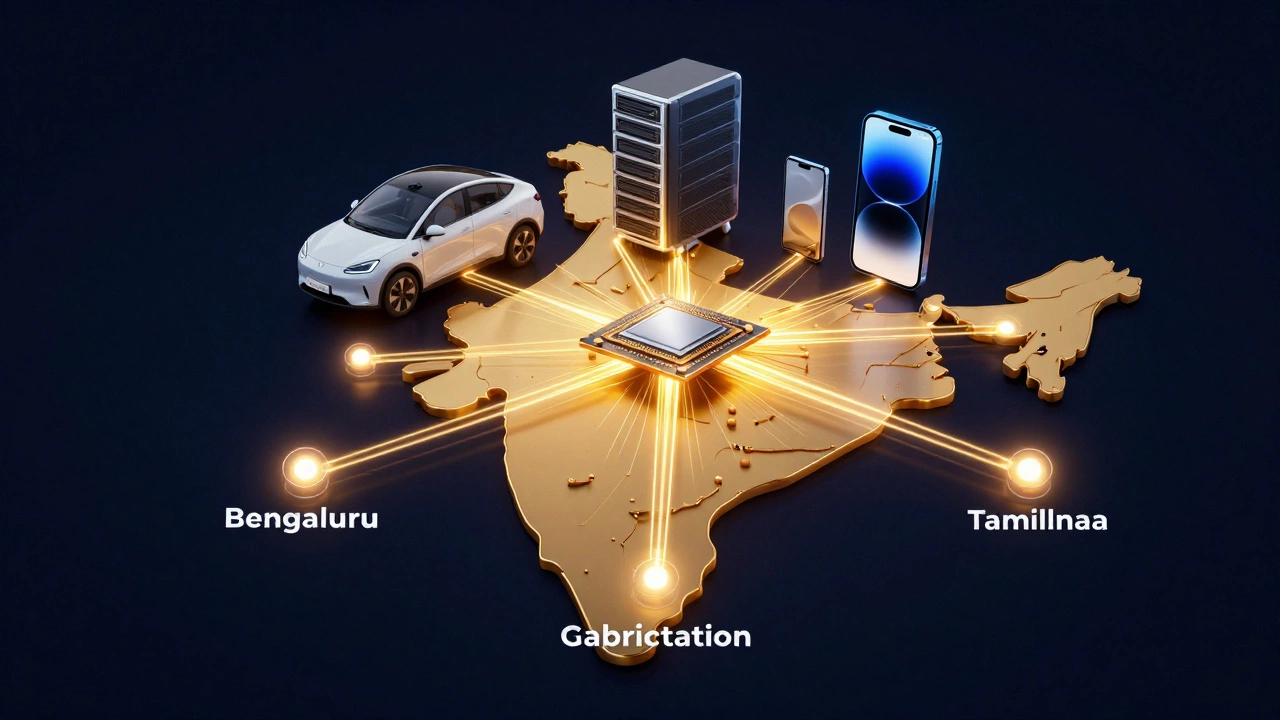
This is where the ESDM (Electronic System Design and Manufacturing) sector comes into play. By having a local fab, Tata can feed chips directly into their other electronics ventures. It creates a loop where the chip is designed in Bengaluru, fabricated in Gujarat, and installed in a device assembled in Tamil Nadu. That's the dream of a fully integrated domestic ecosystem.
Overcoming the Infrastructure Hurdle
Making chips isn't as simple as building a factory. A single fab can use millions of gallons of ultra-pure water every day. If the water isn't perfectly clean, a single speck of dust can ruin an entire batch of wafers, costing millions of dollars. India is solving this by creating "Special Economic Zones" with dedicated power grids and water treatment plants.
Another challenge is the chemical supply chain. Chips require specific gases and photoresists. India is now partnering with countries like Japan to ensure these materials are available locally. Without this, a "Made in India" chip would still rely on a long, fragile international shipping route for its raw materials, defeating the purpose of onshore manufacturing.
What This Means for the Average Consumer
Will your next phone be cheaper because of this? Probably not immediately. Chip manufacturing is about national security and economic resilience, not necessarily about lowering the price of a budget smartphone. However, it does mean that Indian tech companies will have faster access to prototypes. When a company can test a chip in their own backyard instead of waiting weeks for a shipment from East Asia, innovation happens faster.
Moreover, it creates a new class of high-paying jobs. We are moving from "coding for others" to "building the hardware that runs the code." This shift attracts talent back to India from Silicon Valley and Europe, creating a brain-gain effect that fuels other sectors like robotics and aerospace.
Does India actually manufacture its own chips yet?
Yes, but mainly in the form of Assembly, Testing, Marking, and Packaging (ATMP). Full-scale fabrication (making the raw silicon wafers) is currently in the build-out phase with major plants under construction by companies like Tata and Micron. We are moving from the "assembly" phase to the "creation" phase.
Why is it so hard to build a chip factory in India?
Fabrication plants require an incredibly stable power supply (zero flickers) and massive amounts of ultra-pure water. Any contamination or power surge can destroy millions of dollars of inventory. Building this level of infrastructure from scratch takes significant time and government coordination.
What is the India Semiconductor Mission?
It is a government initiative that provides financial incentives-essentially sharing the cost of building factories-to encourage companies to set up semiconductor fabs and packaging plants within India.
Which cities are becoming the chip hubs?
Gujarat (specifically Dholera) is becoming the primary hub for fabrication due to land availability and government support. Bengaluru and Hyderabad remain the primary hubs for the design and architecture side of the industry.
Are these chips used in smartphones or cars?
Both. The current focus is on a mix of memory chips (like those from Micron) and logic chips for industrial use and automotive electronics, which are critical for the growing electric vehicle market in India.
Next Steps and Troubleshooting for Investors
If you are looking at this from a business perspective, don't just follow the big names. The real opportunity lies in the "ancillary ecosystem." This includes companies that provide the chemicals, the specialized piping for ultra-pure water, and the testing software.
For those worried about the timeline, remember that the semiconductor industry moves in cycles. The first two years are always about infrastructure. If you don't see thousands of chips rolling off the line tomorrow, it's not a failure; it's just the physics of building a fab. Keep an eye on the completion of the Dholera projects as the primary indicator of success.