
Plastic Production & Feedstock Estimator
Production Insights Simulator
Select a region and enter an amount to see the simulated output and feedstock details.
Key Takeaways
- China is the largest producer of plastic by volume, driven by its massive domestic manufacturing sector.
- The US and Saudi Arabia follow closely, leveraging cheap shale gas and oil.
- A handful of 'super-majors' like Sinopec and ExxonMobil dominate the raw material production.
- Production is shifting toward the Middle East and Asia as Western nations face stricter regulations.
The Giants of Plastic Production
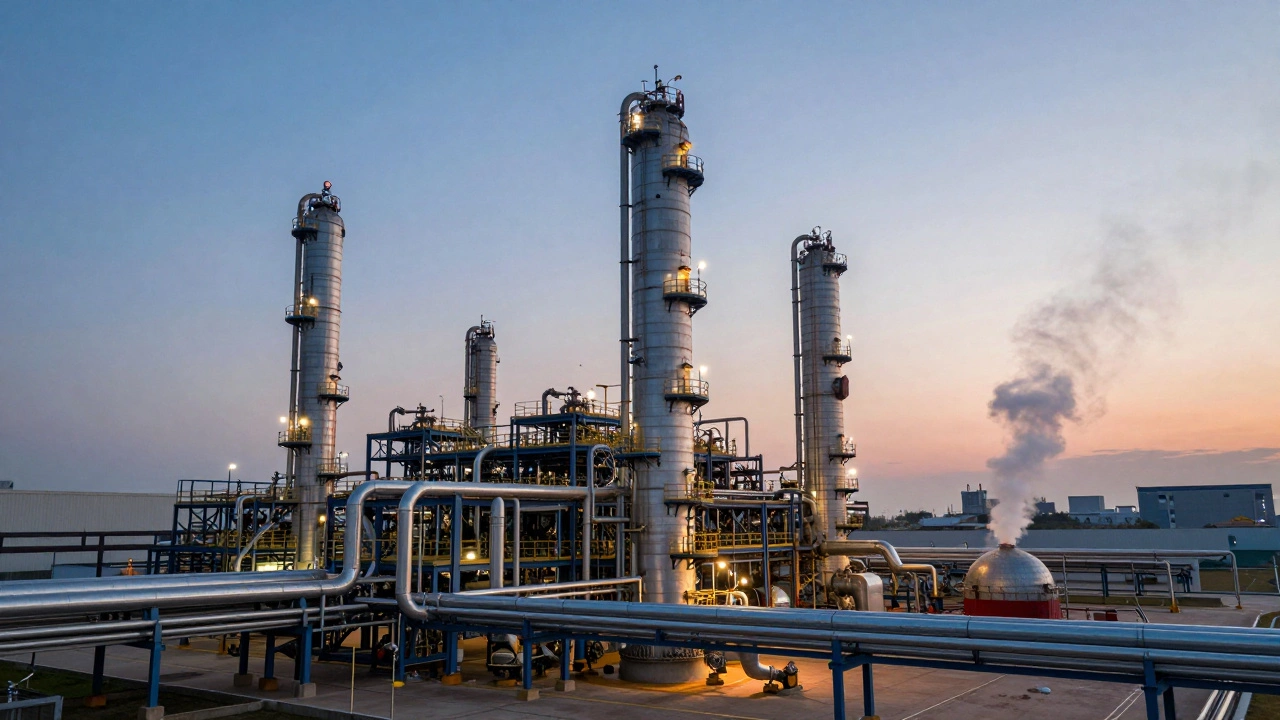
When we talk about who 'creates' plastic, we have to distinguish between the companies making the raw plastic pellets (polymers) and the factories turning those pellets into products. The real power lies with the plastic manufacturing companies large-scale industrial enterprises that convert hydrocarbons into synthetic polymers.Currently, the crown for the biggest producer often fluctuates between state-owned enterprises in China and private giants in the US. For instance, Sinopec China Petroleum & Chemical Corporation, one of the world's largest oil and petrochemical companies is a behemoth. They don't just refine oil; they operate massive crackers that split hydrocarbons into ethylene and propylene, the building blocks of most plastics. If you look at the volume of polyethylene produced, Sinopec's output is nearly unmatched on a single-company basis.
Then you have ExxonMobil a multinational oil and gas corporation with a massive petrochemical wing. They focus heavily on the high-end polymers used in industrial packaging and automotive parts. While they might not have the same state-backed scale as Chinese firms, their efficiency and global distribution network make them a dominant force in the Atlantic market.
Country-Level Production: Where is the Plastic Born?
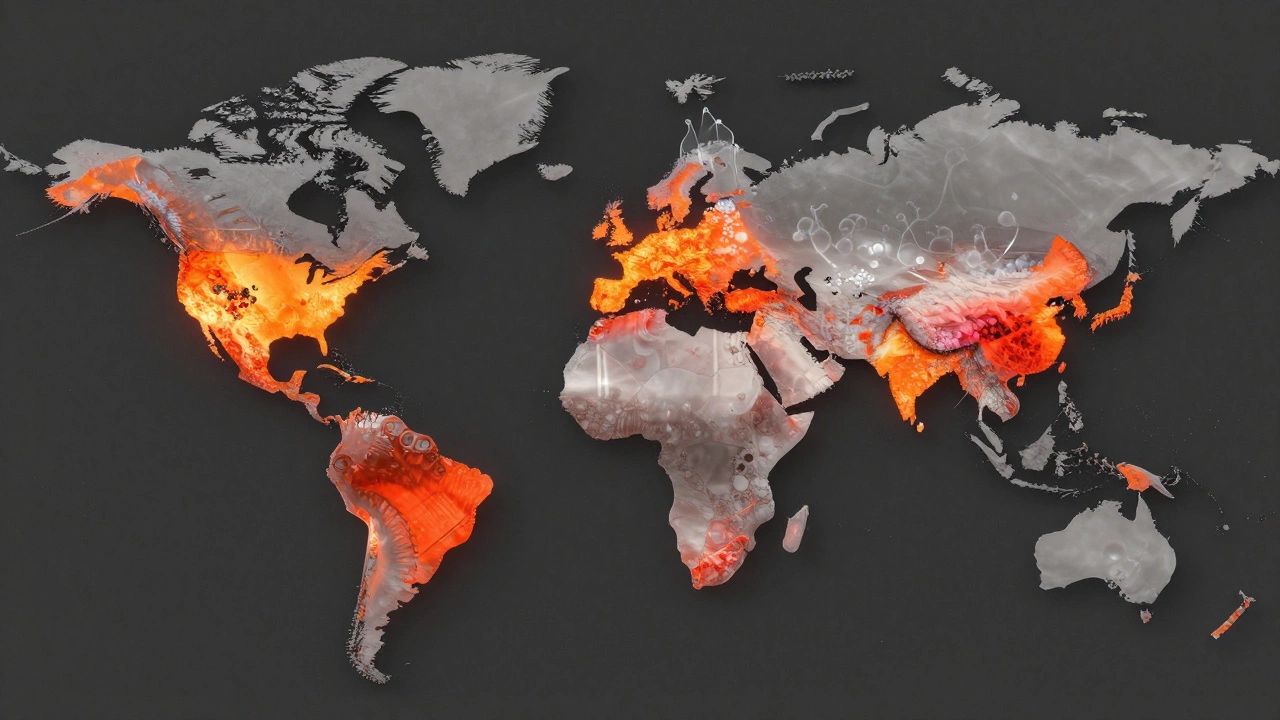
If we zoom out from companies to countries, the map of plastic production looks like a heat map of industrialization. China the world's leading producer of plastics and manufactured goods is the undisputed leader. Why? Because they have a 'closed loop' of demand. They produce the raw resin and then immediately use it in their own factories to make toys, electronics, and clothing. According to industry data from the last few years, China often accounts for nearly 30% of the global plastic production capacity.The United States a global leader in petrochemical production due to the shale gas revolution is the second biggest player. The US has a massive advantage because of fracking. The abundance of ethane-a byproduct of natural gas-makes it incredibly cheap to produce ethylene, which is the primary ingredient for polyethylene (the stuff in plastic bags). This has led to a 'plastics boom' along the Gulf Coast, where new plants are popping up every few years.
We can't ignore Saudi Arabia a global energy powerhouse focused on diversifying oil into high-value petrochemicals. Through SABIC Saudi Basic Industries Corporation, one of the largest chemical companies in the world, the kingdom has moved from just selling crude oil to selling the plastic derived from it. This is a strategic move to capture more value from every barrel of oil they pump.
| Region/Country | Primary Raw Material | Key Polymer Focus | Market Driver |
|---|---|---|---|
| China | Coal & Oil | PP, PE, PVC | Domestic Manufacturing |
| United States | Ethane (Shale Gas) | Polyethylene | Low Feedstock Cost |
| Saudi Arabia | Crude Oil/Gas | Polyethylene, Polypropylene | State Investment |
| European Union | Naphtha | Specialty Polymers | High-Tech Engineering |
The Chemistry of the Problem: What are they actually making?
To understand who creates the most plastic, you have to know what Polymers large molecules composed of repeating structural units actually are. Most of the global production is concentrated in a few specific types.First is Polyethylene (PE) the most common plastic in the world, used for bags and bottles. This is the high-volume king. When companies like Dow or LyondellBasell report record profits, it's often because PE demand is spiking. It's cheap, durable, and unfortunately, very hard to break down.
Then there is Polypropylene (PP) a thermoplastic polymer used in packaging, textiles, and automotive parts. This is used heavily in the automotive industry-think of those plastic bumpers or interior trim. Because China is the world's largest car producer, their PP production is astronomical.
Finally, we have Polyvinyl Chloride (PVC) a high-strength plastic used primarily in construction and piping. PVC is a huge part of the infrastructure boom in developing nations. If a city is building new water lines or electrical conduits, they are buying tons of PVC, much of it sourced from the massive plants in Asia.
The Shift: From the West to the East
For decades, the US and Europe dominated the chemical landscape. But the wind has shifted. The Petrochemical Industry the branch of chemistry that applies petroleum chemistry to the production of plastics and chemicals is moving toward Asia.Why is this happening? It comes down to two things: regulation and demand. In Europe, the focus is shifting toward the Circular Economy an economic system aimed at eliminating waste and the continual use of resources. They are implementing taxes on virgin plastic and pushing for recycled content. While this is great for the planet, it makes it less profitable to build brand-new, massive plastic plants in Germany or France.
Meanwhile, Southeast Asia and India are seeing a massive rise in the middle class. More people are buying packaged goods, disposable electronics, and fast fashion. This creates a vacuum of demand that Chinese and Middle Eastern companies are more than happy to fill. They are building 'mega-complexes' that integrate everything from the oil well to the final plastic pellet in one geographic area to save on transport costs.
The Hidden Role of Oil Companies
It's a common mistake to think that 'plastic companies' are separate from 'oil companies'. In reality, the biggest plastic producers are simply oil companies that decided to diversify. This is called downstream integration. Instead of just selling a barrel of oil for $80, a company like BASF the largest chemical producer in the world, headquartered in Germany or Shell processes that oil into chemicals, then into polymers, and sells the final plastic for a much higher margin.This is why the fight against plastic pollution often targets oil companies. They aren't just fuel providers; they are the primary architects of the plastic age. By controlling the 'feedstock' (the raw oil and gas), they control the price and availability of the plastic that the rest of the world uses.
Looking Forward: Will the Rankings Change?
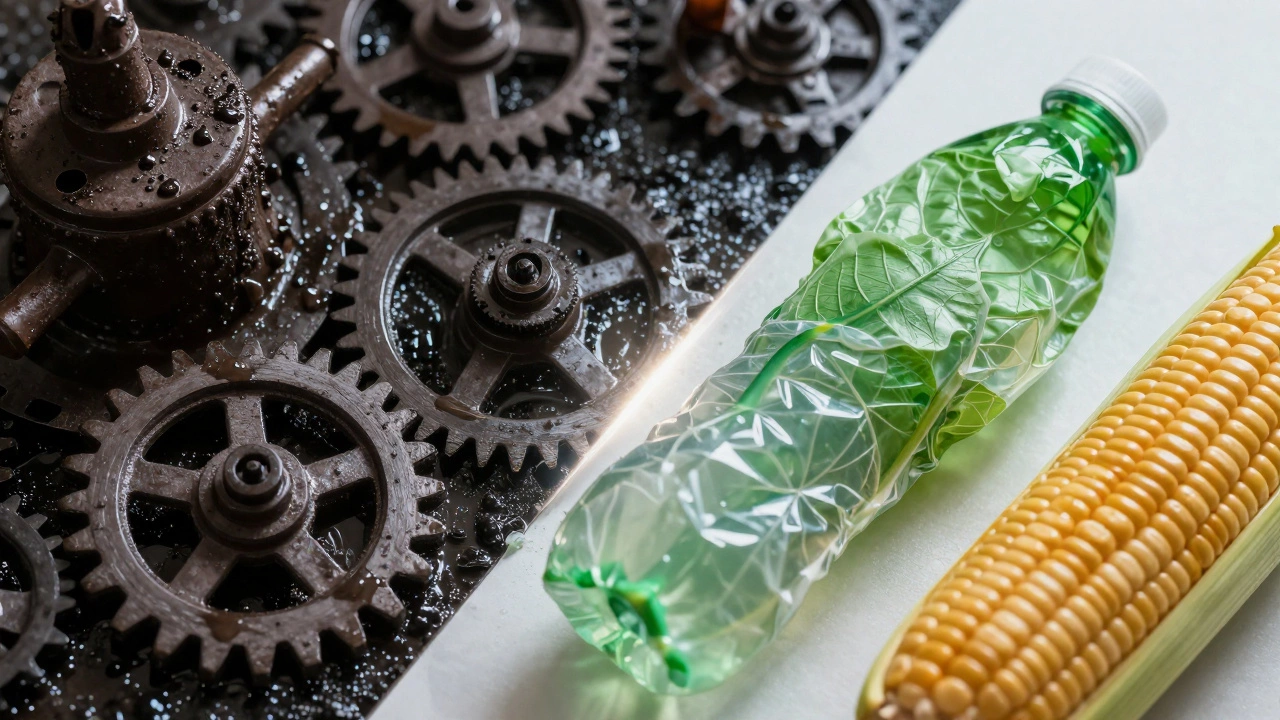
As we move toward 2030, we are seeing the rise of Bioplastics plastics made from renewable biomass sources, such as corn starch or sugarcane. While currently a tiny fraction of the market, companies are investing heavily here to avoid the growing backlash against fossil-fuel plastics.However, bioplastics aren't a magic fix. Many still require industrial composting to break down, and some are actually just a blend of traditional plastic and organic matter. The real change will come when the cost of using recycled plastic becomes lower than the cost of making new plastic from oil. Right now, the economics are skewed; it's often cheaper to pump new oil than to collect and clean old bottles. Until that flips, the big petrochemical giants will continue to lead the charts.
Which company is the single largest producer of plastic?
While it varies by year and specific polymer, Sinopec (China) often leads in total volume due to its massive state-backed operations. However, in terms of global market influence and specific polymers like polyethylene, US giants like ExxonMobil and Dow are equally significant.
Why does China produce so much plastic?
China acts as the world's factory. Their massive production of consumer electronics, toys, and household goods requires an enormous amount of raw plastic. By producing the plastic domestically, they reduce costs and keep their supply chains fast and efficient.
Is all plastic made from oil?
The vast majority (over 90%) is made from fossil fuels like petroleum and natural gas. However, there is a growing market for bioplastics made from plant-based sources like corn or sugarcane, though these still represent a small percentage of global output.
What is the difference between a polymer and plastic?
A polymer is the chemical structure (a long chain of molecules). Plastic is the finished material, which consists of polymers combined with additives like plasticizers or colorants to give it specific properties like flexibility or hardness.
Are there any alternatives to the big petrochemical companies?
Yes, there are smaller firms focusing on biodegradable polymers and chemical recycling. However, these cannot yet compete with the scale and low cost of the petrochemical giants, who benefit from decades of infrastructure and cheap feedstock.
Next Steps for the Conscious Consumer
If you're looking to reduce your reliance on the products of these giants, start by auditing your 'hidden plastics'. We all know about bottles, but look at your clothing (polyester is plastic) and your tea bags (some contain plastic sealants).For those in business, shifting to suppliers that use post-consumer recycled (PCR) resins is the best way to signal to the market that the demand is moving away from virgin plastics. When the demand for 'new' plastic drops, the investment in those massive petrochemical complexes will eventually slow down. It's a slow process, but the shift in the global supply chain starts with the buyer.