
Steel Consumption Comparison Tool
Compare Steel Consumption
See how steel consumption in different countries compares to China's record usage of 900 million metric tons (55% of global total).
Comparison Results
Enter a country or value to see how it compares to China's steel consumption.
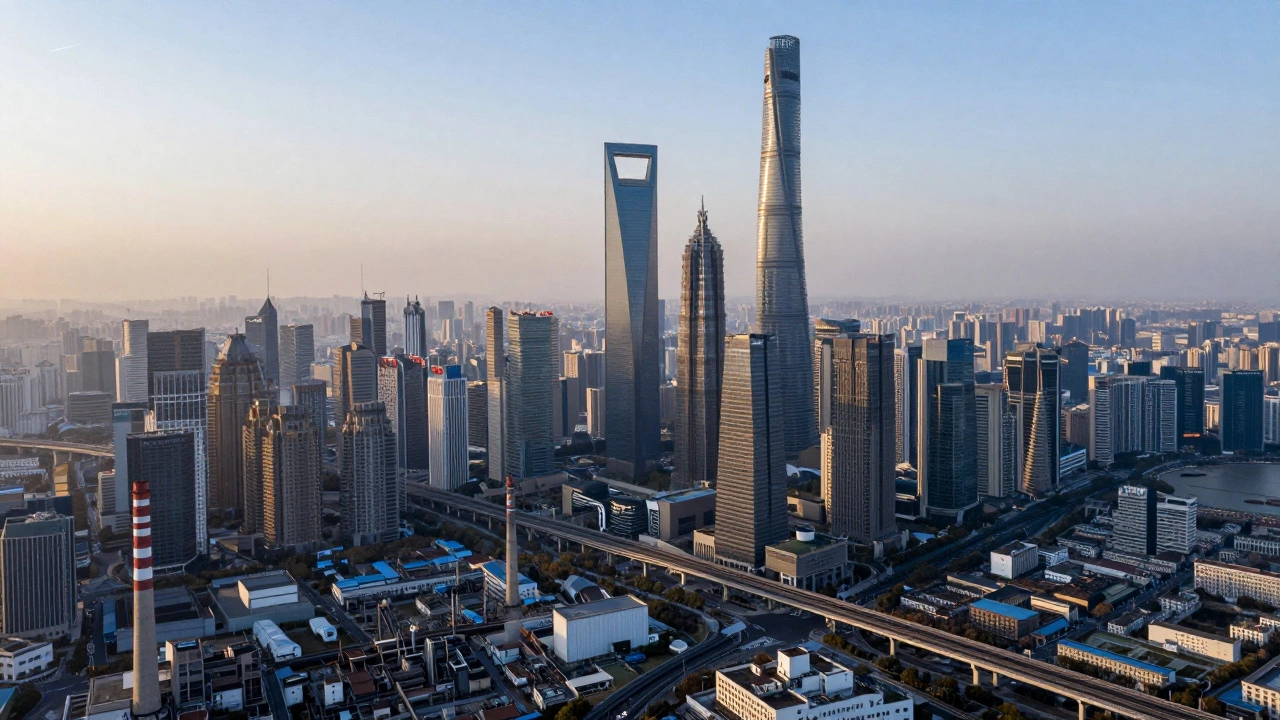
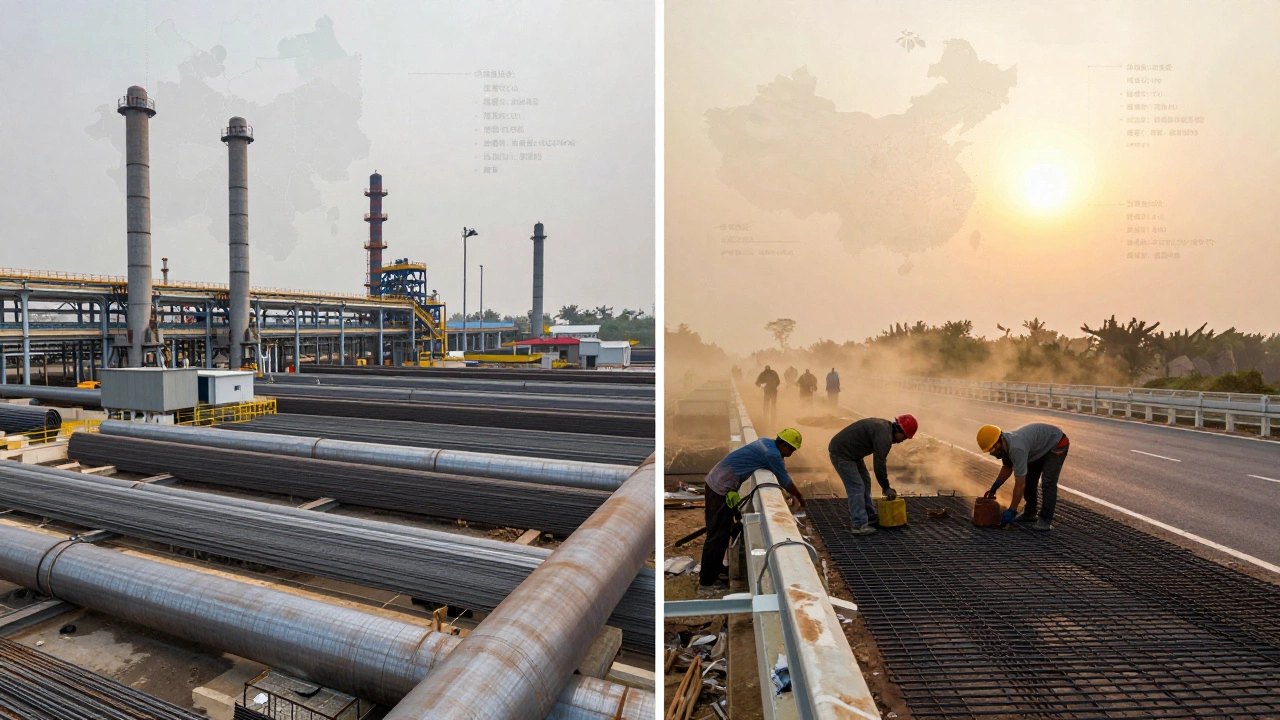
China uses more steel than the next 10 countries combined. In 2025, it consumed just over 900 million metric tons of crude steel-nearly 55% of the world’s total. That’s more than the entire output of the United States, Japan, Germany, and India put together. This isn’t just a numbers game. It’s the backbone of everything from skyscrapers in Shanghai to high-speed rail lines stretching across provinces, from household appliances to wind turbines powering rural grids.
Why China Dominates Steel Consumption
China’s steel demand isn’t accidental. It’s the result of decades of targeted urbanization, infrastructure investment, and industrial policy. Since the early 2000s, the country has built more concrete and steel structures than any nation in history. Think about it: over 300 million people moved from rural villages into cities between 2000 and 2020. Each of those new urban dwellers needed housing, roads, subways, and power plants-all made with steel.
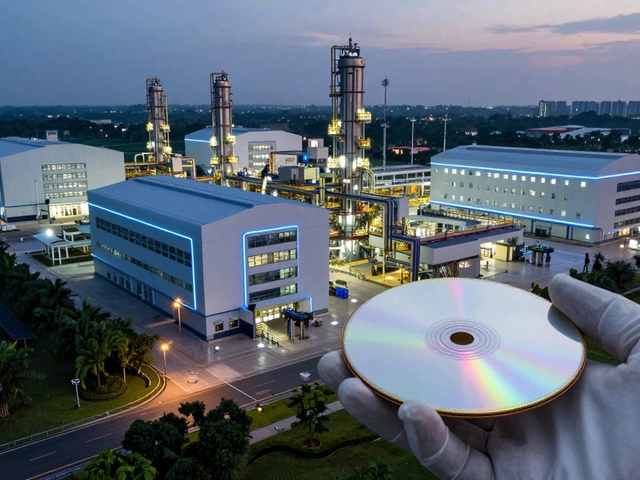
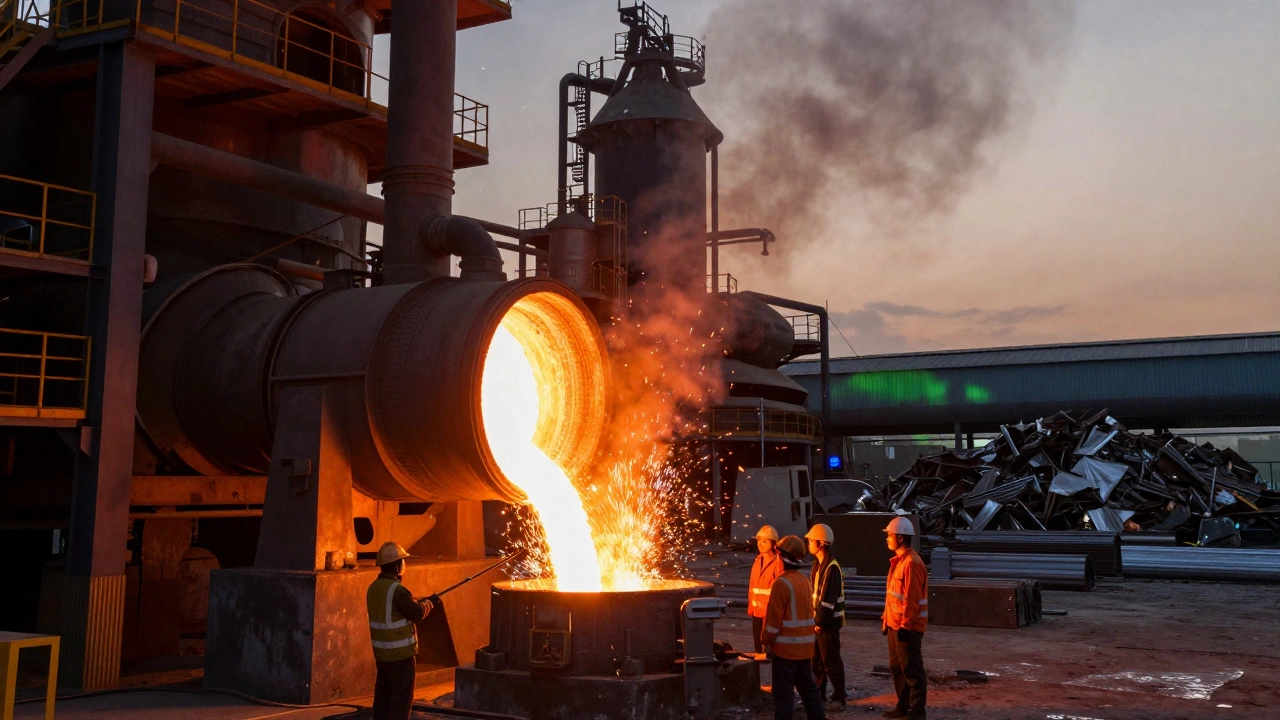
By 2025, China had over 1,200 active steel mills, most of them large-scale integrated plants using blast furnaces. These aren’t small operations. A single mill like Baosteel in Shanghai can produce over 20 million tons of steel a year. The government still owns or heavily influences many of these plants, and policy drives production. When China wants more housing, it tells its steelmakers to ramp up. When it wants to cut emissions, it shuts down older, polluting furnaces and replaces them with electric arc furnaces that recycle scrap.
How Steel Consumption Measures Economic Activity
Steel is one of the most reliable leading indicators of economic growth. If a country is building roads, bridges, factories, or apartment blocks, it needs steel. That’s why analysts track steel production and consumption like a heartbeat. In 2024, when China’s steel demand dipped slightly for the first time in over a decade, global markets took notice. Commodity traders, construction firms, and even carmakers watched the numbers closely. A drop in Chinese steel use often signals slower growth-or a shift toward services and technology over heavy industry.
Other countries follow different patterns. The United States, for example, uses less steel overall but relies more on recycled content. Nearly 70% of U.S. steel comes from scrap, melted down in electric arc furnaces. That’s because American infrastructure is already built-new construction is mostly replacement or upgrades. In contrast, India and Southeast Asian nations are still in the early stages of building their urban networks. Their steel use is rising fast, but they’re nowhere near China’s scale.
Who’s Next? India, the U.S., and Other Major Players
India is the second-largest consumer of steel, with about 130 million metric tons used in 2025. That’s up from just 50 million in 2010. The Indian government’s push for infrastructure-new highways, ports, and smart cities-is driving that growth. But India still imports over 15% of its steel needs because domestic production can’t keep up with demand. Its mills are smaller, less efficient, and still catching up on technology.
The United States consumed around 85 million metric tons in 2025. That’s a lot, but it’s less than 5% of global usage. The U.S. focuses on high-value steel: automotive-grade alloys, aerospace materials, and specialty grades for oil and gas pipelines. It doesn’t need to build as many new buildings, so its consumption is stable, not explosive.
Japan and South Korea, both advanced economies, use about 60 million tons combined. They’re leaders in high-quality steel production but import raw materials like iron ore and coal. Their steel is used in cars, electronics, and ships-products designed for export. Russia and Brazil round out the top five, but their output is declining due to sanctions and economic instability.
Steel Production vs. Consumption: What’s the Difference?
It’s easy to confuse production with consumption. China produces about 95% of the steel it uses. That’s rare. Most countries produce less than they consume. The U.S. produces only 70% of its steel needs. Germany, Italy, and the UK import over half of their steel. Countries like Saudi Arabia and the UAE produce almost none-they import everything for construction projects like the NEOM megacity or Dubai’s skyscrapers.
When you hear “top steel producer,” it usually means China. But when you ask “who uses the most steel?” the answer is still China. The two are linked, but not always the same. For example, Vietnam produced 18 million tons of steel in 2025 but consumed only 12 million. The rest was exported to Indonesia, Thailand, and even the U.S. Meanwhile, Turkey produced 40 million tons but consumed 38 million-almost all of it stayed home for construction and machinery.
The Future of Global Steel Demand
Steel demand isn’t going away. But how it’s made and where it’s used is changing. China’s growth is slowing, and its government is pushing for carbon neutrality by 2060. That means phasing out coal-powered blast furnaces and switching to hydrogen-based steelmaking. It’s expensive, but it’s happening. By 2030, China plans to cut emissions from steel production by 50%.
Meanwhile, India is set to overtake the U.S. in steel consumption by 2030. Africa is starting to wake up-Ethiopia, Nigeria, and Egypt are building new factories and cities. The European Union is investing billions in green steel, but its overall demand is flat or falling.
Electric vehicles are another twist. They use less steel than gas cars-about 20% less on average. But they need more copper, lithium, and rare earths. So while total steel use might plateau, the type of steel changes. High-strength, lightweight grades are in demand. So are steels that can handle battery casings and motor housings.
What This Means for Global Trade and Supply Chains
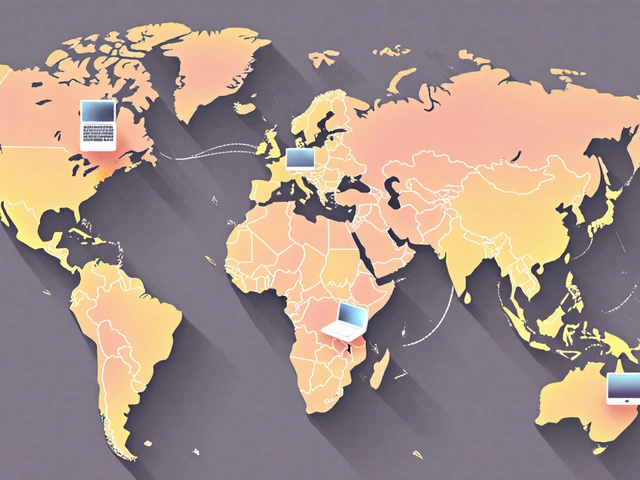
China’s dominance shapes global trade. Iron ore comes from Australia and Brazil. Coking coal comes from the U.S., Canada, and Russia. China buys over 60% of the world’s seaborne iron ore. When China slows down, commodity prices drop. When it ramps up, prices spike. That affects everything from shipping rates to mining stocks.
Trade wars matter too. The U.S. imposed tariffs on Chinese steel in 2018. That didn’t stop China from exporting-it just redirected shipments to Southeast Asia, where the steel was reprocessed and sent to the U.S. as “Vietnamese” or “Thai” steel. It’s a loophole that still works today.
Supply chains are getting more complex. Companies now track not just where steel is made, but how. Carbon footprint, labor practices, and energy source are becoming as important as price. The EU’s Carbon Border Adjustment Mechanism (CBAM) now taxes imported steel based on its emissions. That’s changing where manufacturers source their materials.
Final Takeaway: China Still Leads, But the Game Is Changing
No other country comes close to China’s steel consumption. It’s not even close. But that doesn’t mean the story ends there. India is rising. Africa is waking up. Europe is reinventing. And China itself is transitioning from quantity to quality, from coal to clean tech.
If you’re in construction, manufacturing, or logistics, watching steel numbers gives you a real-time pulse on global economic shifts. The country that consumes the most steel isn’t just building more-it’s shaping the future of industry, trade, and even climate policy.
Is China the largest producer and consumer of steel?
Yes. China is both the largest producer and consumer of steel by a massive margin. In 2025, it produced and consumed over 900 million metric tons, accounting for about 55% of global output and use. No other country comes close.
Which country uses the second-most steel?
India is the second-largest consumer of steel, using around 130 million metric tons in 2025. Its demand is growing rapidly due to infrastructure projects, urbanization, and government industrial policies. However, it still imports a significant portion of its steel needs.
Why does China consume so much more steel than the U.S.?
China is still in the middle of massive urbanization and infrastructure expansion. It’s building new cities, highways, rail networks, and housing for hundreds of millions of people. The U.S. already built most of its infrastructure decades ago, so its steel use is focused on maintenance, replacement, and high-value applications like cars and machinery.
Is steel consumption declining globally?
No. Global steel consumption is still rising, but growth is slowing in mature economies like the U.S. and Europe. The biggest increases are coming from India, Southeast Asia, and parts of Africa. Overall, demand is expected to keep growing through 2030, especially as developing nations build out their industrial and urban foundations.
How is green steel changing the market?
Green steel-made using hydrogen instead of coal-is starting to enter the market. China, the EU, and Japan are investing heavily in this technology. While it’s still expensive and only a small fraction of total production, it’s reshaping trade rules. Countries like the EU now charge carbon taxes on imported steel, pushing producers to adopt cleaner methods or lose market access.