
Mexico Manufacturing Cost Calculator
Your Manufacturing Details
Mexico Manufacturing Factors
Based on your inputs, we'll calculate hidden costs from the article
Cost Analysis Results
US Manufacturing
Mexico Manufacturing
Recommendation:
Many startups think manufacturing in Mexico is a smart move-close to the U.S., lower labor costs, and free trade agreements like USMCA. But the reality is more complicated. While Mexico offers real advantages, it also comes with serious drawbacks that can derail a new manufacturing business if you don’t see them coming. This isn’t about scaring you off. It’s about giving you the full picture so you don’t waste time, money, or momentum on assumptions that don’t hold up in practice.
Supply Chain Bottlenecks Are Worse Than You Think
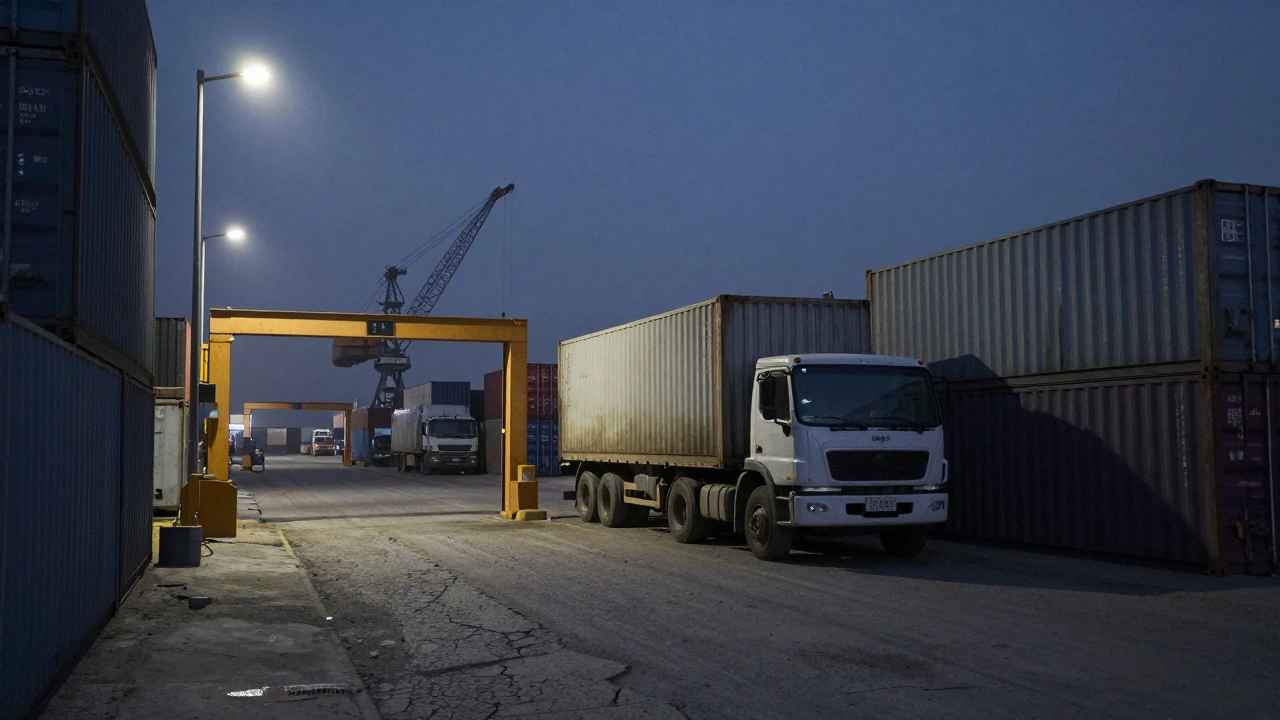
Just because Mexico is geographically close to the U.S. doesn’t mean logistics are smooth. Ports like Lázaro Cárdenas and Manzanillo are often backed up. A shipment that should take three days can sit for two weeks because of poor port infrastructure, understaffed customs, or labor strikes. In 2024, the average time to clear customs in Mexico jumped to 7.8 days, up from 4.2 days in 2022. That’s not a glitch-it’s a pattern. If your business relies on just-in-time inventory, this kind of delay can shut down your entire production line. And unlike in China, where logistics are heavily automated and tracked, Mexico’s freight system still depends heavily on manual processes and local trucking companies with inconsistent reliability.
Labor Shortages Are Real, Even With Lower Wages
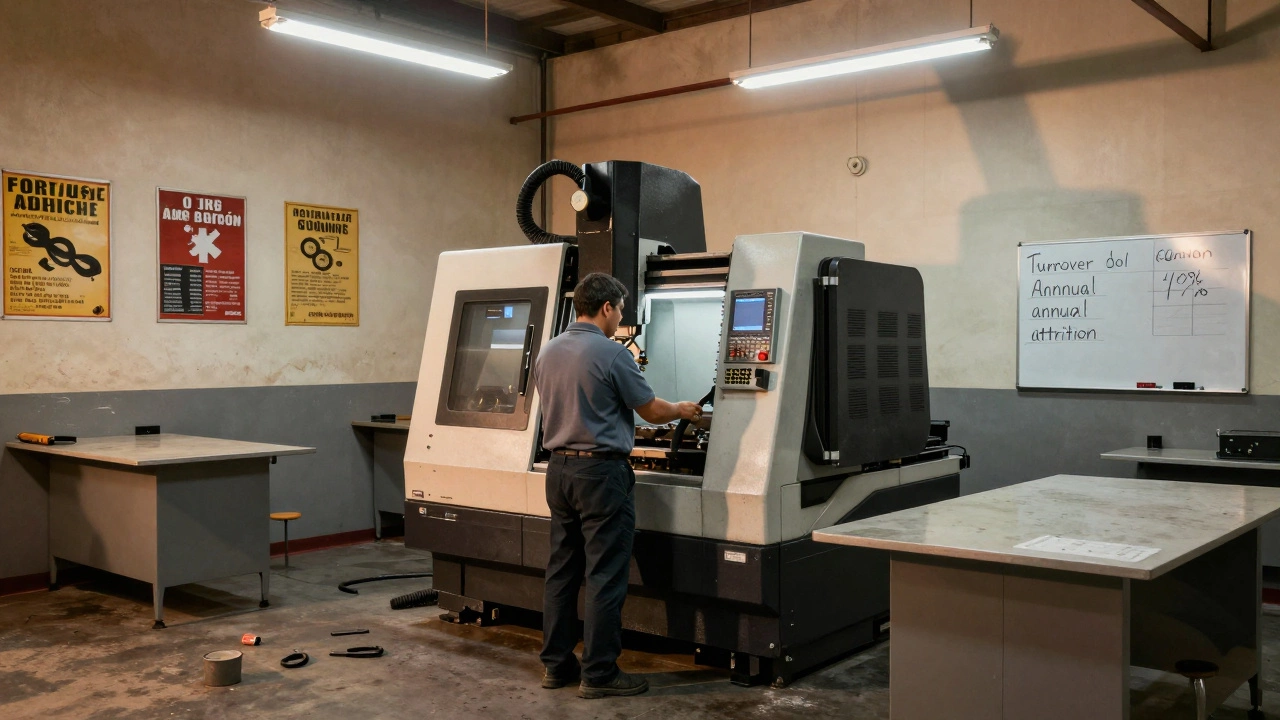
You hear "lower labor costs" and assume you’ll get a steady stream of skilled workers. But skilled labor is scarce. A 2025 survey by the Mexican Manufacturers Association found that 68% of manufacturing plants in northern states like Nuevo León and Chihuahua are struggling to fill positions for CNC operators, welders, and quality control technicians. Why? Because workers are leaving for higher-paying jobs in logistics, warehousing, and even U.S.-based factories offering better benefits. Many factories now pay $8-$10/hour just to keep people in the door, but even that isn’t enough. Turnover hits 40% annually in some sectors. That means constant retraining, lost productivity, and quality issues.
Corruption and Bureaucracy Slow Everything Down
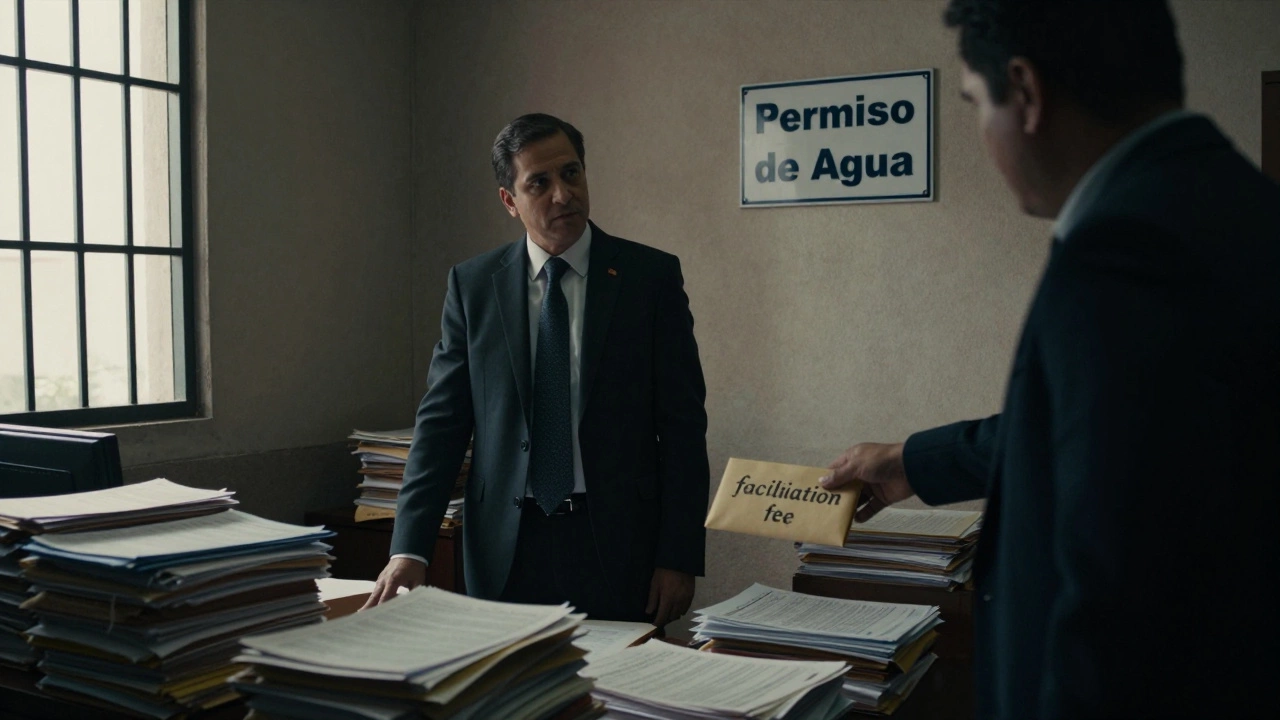
Yes, Mexico has free trade agreements. But getting permits, licenses, and environmental approvals often feels like running an obstacle course blindfolded. A friend who started a small electronics assembly plant in Tijuana spent 11 months just to get a water usage permit. He had to visit five different government offices, pay unofficial "facilitation fees," and hire a local lawyer just to navigate the paperwork. These aren’t rare cases. A World Bank report from late 2024 ranked Mexico 112th out of 190 countries for ease of starting a manufacturing business, behind countries like Rwanda and Bangladesh. Even if you follow every rule, delays are built into the system.
Security Risks Can Be Costly-and Dangerous
Manufacturing in Mexico isn’t just about paperwork and labor. It’s also about safety. Theft of raw materials, finished goods, and even machinery is common. In 2023, the Mexican government reported over 2,100 thefts targeting industrial zones in the northern border states. Some gangs specialize in hijacking cargo trucks. Others break into warehouses at night. Insurance premiums for manufacturing facilities in Mexico are 3-5 times higher than in the U.S. or Canada. And even if you install cameras and guards, there’s no guarantee they’ll act. Many private security firms are underfunded, poorly trained, or have ties to local criminal networks. You’re not just risking money-you’re risking your team’s safety.
Infrastructure Is Uneven and Unreliable
Electricity outages. Water shortages. Broken roads. These aren’t minor inconveniences-they’re daily realities in many manufacturing hubs. In 2025, a study by the Mexican Engineering Institute found that 43% of factories in Guanajuato and Querétaro experienced at least one power outage per week. Some plants have had to install diesel generators just to keep production going. Water is another issue. Northern states are facing severe droughts, and factories are being forced to reduce output because they’re not allowed to draw from municipal supplies. If your process needs consistent power or clean water, you’re not just paying for labor-you’re paying for backup systems, storage tanks, and emergency fuel.
Quality Control Is Harder Than It Looks
Many assume that because Mexican workers are cheaper, they’re less skilled. That’s not true. But the systems to ensure quality are often weak. Unlike in Germany or Japan, where lean manufacturing and Six Sigma are standard, many Mexican factories still rely on manual inspections and paper logs. There’s no centralized certification system for quality control. One client who outsourced automotive parts to a factory in Monterrey found that 18% of shipments failed U.S. inspection standards. The factory claimed it was "random defects." But when they dug deeper, they found the factory had no calibrated measurement tools, no training program for inspectors, and no system to track root causes. Fixing this took six months and $120,000 in consulting fees. You can’t assume quality just because the price is low.
Legal and IP Protection Is Weak
If you’re bringing proprietary technology or unique designs to Mexico, you’re at risk. Mexico has laws that protect intellectual property-but enforcement is inconsistent. A U.S. startup that developed a specialized medical device component found a local factory copying their design and selling it to competitors within eight months. They sued. The case dragged on for 18 months. In the end, they won a small settlement, but the damage was done. Their market share was gone, and their IP was now in the hands of at least three other companies. There’s no real way to monitor what happens in a factory once you hand over the blueprints. And if you try to audit, you’ll be told it’s "too expensive" or "not standard practice."
Environmental and Regulatory Pressure Is Rising
Mexico’s environmental regulations are tightening. In 2024, the government introduced stricter emissions rules for factories and mandated real-time monitoring of wastewater discharge. Many small and mid-sized manufacturers aren’t prepared. Retrofitting a plant to meet new standards can cost $200,000 or more. And if you’re in the food, chemical, or pharmaceutical space, compliance isn’t optional-it’s a dealbreaker. You might think you’re saving money by moving production south of the border, but you could end up spending more on upgrades than you saved on labor.
Reputation Risk Can Hurt Your Brand
Let’s say you’re a U.S.-based startup selling eco-friendly products. You move manufacturing to Mexico to cut costs. Then a news report surfaces showing unsafe working conditions or illegal dumping at your supplier’s facility. Your customers don’t care who actually made the product-they care that your brand is connected to it. A 2025 consumer survey found that 61% of Americans would stop buying from a brand linked to unethical manufacturing in Mexico. Your marketing budget might have been built on sustainability, but your supply chain tells a different story. Rebuilding trust takes years.
It’s Not Just About Cost
People think manufacturing in Mexico is cheaper. But when you add up the hidden costs-delayed shipments, security upgrades, power backups, legal fees, quality fixes, and training-you’re not saving much. In fact, a 2025 analysis by the Center for Manufacturing Innovation found that for small to mid-sized companies, the total cost of ownership for manufacturing in Mexico was only 7% lower than in the U.S. for products requiring high precision or tight quality control. For many, it’s not worth the risk.
That doesn’t mean Mexico is a bad choice. But it means you need to go in with your eyes open. Don’t assume proximity equals efficiency. Don’t assume lower wages mean lower risk. Do your homework. Visit the factories yourself. Talk to other businesses that have tried it. Ask for hard data, not promises. And if you’re not ready to manage complexity, maybe you’re better off staying closer to home.
Is manufacturing in Mexico cheaper than in China?
It depends on the product. For simple, high-volume goods, China still wins on price. But for products that need to ship quickly to the U.S. or require frequent design changes, Mexico can be more cost-effective overall. Labor in China is rising, and shipping from China to the U.S. now averages 30-45 days. Mexico cuts that to 5-10 days. But when you factor in security, infrastructure, and compliance costs, the savings aren’t as big as they look.
What industries struggle the most in Mexico?
Industries that rely on precision, consistency, and high-tech equipment struggle the most. Medical device manufacturing, aerospace components, and high-end electronics face the biggest challenges because of weak quality control systems and lack of certified technicians. Even food processing is getting harder due to water shortages and new environmental rules. If your product needs flawless tolerances or sterile conditions, Mexico’s infrastructure may not support it.
Can I avoid corruption by hiring a local partner?
Not reliably. Many local partners are part of the system. Some openly admit to paying "facilitation fees" just to get permits processed. A better approach is to work with ISO-certified factories that have international clients and documented compliance processes. These companies avoid corruption because they’re accountable to foreign buyers. Don’t assume a local connection means less red tape-it often means more.
Are there any regions in Mexico that are safer for manufacturing?
Yes. The states of Querétaro, Puebla, and Jalisco have lower crime rates and better infrastructure than northern border states. They also have more foreign investment, which means better security, cleaner utilities, and stronger enforcement of labor and environmental rules. But even in these areas, you still need to vet suppliers carefully. No region is risk-free.
What’s the biggest mistake startups make when manufacturing in Mexico?
They treat it like a cost-cutting shortcut instead of a complex operational shift. They sign contracts without visiting the facility. They assume language and culture are similar to the U.S. They don’t budget for delays or unexpected costs. The biggest mistake? Not planning for failure before it happens.