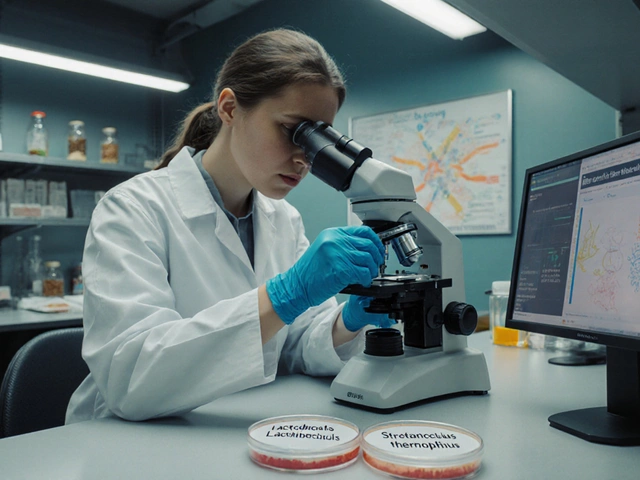
Ever wonder how raw milk turns into yogurt, or how a bunch of tomatoes becomes ketchup in a bottle? It’s not magic. It’s food processing operations - the real, step-by-step work that happens behind the scenes in food processing units. These aren’t just factory jobs. They’re precision tasks that keep your pantry stocked, your fridge full, and your meals safe. And they’re way more complex than most people realize.
Why Food Processing Operations Matter
Food doesn’t just sit on a shelf and stay fresh. Left alone, it spoils. Bacteria grow. Mold spreads. Nutrients break down. That’s why food processing operations exist - to extend shelf life, improve safety, and make food easier to transport and eat. Think about it: without these steps, you wouldn’t get shelf-stable soups, frozen veggies, or pasteurized milk. Even the bagged salad you grab on your way to work went through at least five different operations before it landed in your cart.
The global food processing industry handles over 4 billion tons of food annually. In the UK alone, food manufacturing contributes more than £30 billion to the economy. It’s not a side business. It’s a backbone.
The Core Food Processing Operations
There are seven main food processing operations that cover nearly everything you eat. These aren’t optional steps - they’re the foundation. Skip one, and the product either won’t work or won’t be safe.
- Cleaning and sorting - This is step one. Raw ingredients like potatoes, apples, or chicken are washed, sorted by size, and checked for damage or contamination. Machines use air jets, water sprays, and optical scanners to remove dirt, stones, or rotten pieces. In a modern facility, a single sorting line can process 10,000 apples per hour.
- Size reduction - Cutting, grinding, chopping, or blending. This isn’t just for convenience. Smaller pieces cook faster, mix better, and preserve more evenly. Think of flour from wheat, minced meat, or pureed fruit. The equipment here ranges from simple knives to industrial hammer mills that spin at 3,000 RPM.
- Heating and cooking - Heat kills pathogens, changes texture, and unlocks flavor. Pasteurization (heating to 72°C for 15 seconds) is used in milk and juice. Sterilization (121°C under pressure) is used for canned goods. Even baking bread or roasting coffee beans counts. This step often determines shelf life more than anything else.
- Preservation - This is where food survives months on a shelf. Methods include freezing (down to -18°C), drying (removing 90% of water), canning (sealing in airtight containers), and adding preservatives like salt, sugar, or citric acid. Each method has trade-offs. Drying saves space but changes taste. Freezing keeps flavor but needs constant cold.
- Separation and purification - Not everything belongs in the final product. Oil is separated from water in olive oil production. Lactose is removed from milk for lactose-free products. Filtration, centrifugation, and membrane technology do this. A single dairy plant might process 500,000 liters of milk daily, separating cream, skim, and whey into three different streams.
- Forming and shaping - This turns processed ingredients into consumer-ready forms. Think of pasta extrusion, bread molding, or sausage stuffing. Machines use dies, molds, and rollers to create consistent shapes. A pasta factory can produce 12 tons of spaghetti per hour using steel dies that are replaced every 8 hours due to wear.
- Packaging - The final operation. It’s not just putting food in a box. Modern packaging controls oxygen, moisture, and light. Vacuum-sealed meat, nitrogen-flushed chips, and UV-blocking juice bottles all use specialized materials. In the UK, over 80% of packaged food uses modified atmosphere packaging (MAP) to extend freshness by weeks.
How These Operations Work Together
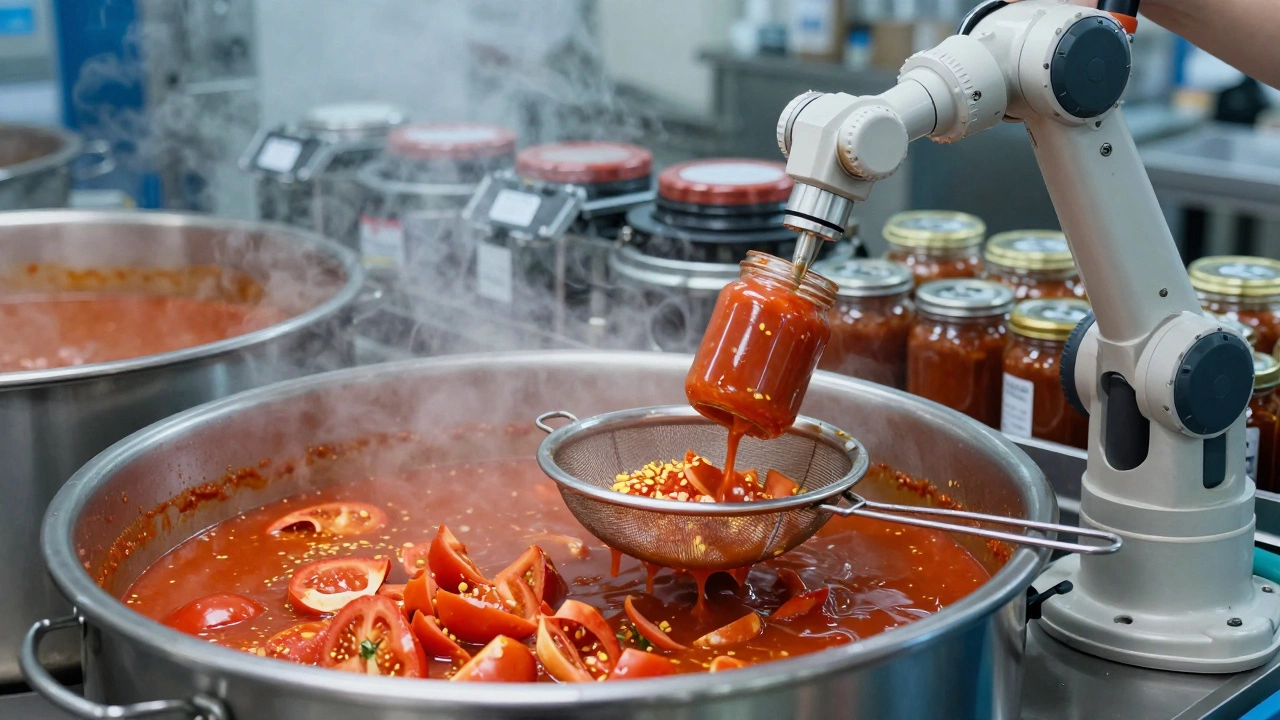
Take a simple product: tomato sauce. It starts with tomatoes arriving at the plant. First, they’re washed and sorted - any bruised ones get tossed. Then, they’re chopped and cooked in large vats. After cooking, the sauce goes through a sieve to remove skins and seeds. Next, sugar, salt, and vinegar are added and mixed. The sauce is then heated again to kill any remaining bacteria. After that, it’s filled into glass jars, sealed under vacuum, and pasteurized one last time. Finally, it’s labeled, boxed, and shipped.
Each step happens in a different zone of the food processing unit. Temperature, humidity, and even air pressure are controlled in each area. Workers don’t walk between zones freely. Airflow is designed to move from clean to dirty areas - never the other way around. Cross-contamination is one of the biggest risks in food production, and these operations are designed to prevent it.
Technology Driving Modern Food Processing
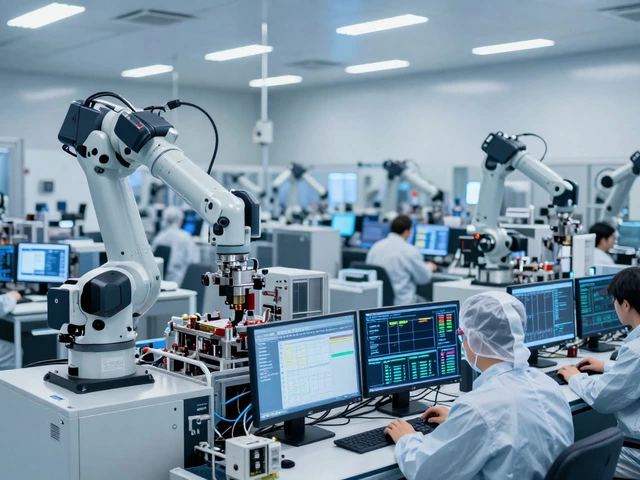
Food processing units today aren’t run by hand. Sensors monitor every step. Cameras spot defects in real time. Robots load pallets. AI predicts when a filter needs cleaning. In a leading UK facility, a single production line can track every tomato from field to shelf using RFID tags. If a batch fails a quality check, the system automatically quarantines it and alerts the quality team.
Automation has cut labor costs by 40% in the last decade. But it’s not just about efficiency. It’s about consistency. A human might miss a tiny piece of plastic in a bag of frozen peas. A high-res camera won’t. A machine won’t get tired. And in food safety, that matters.
Pain Points and Challenges
It’s not all smooth. Food processing operations face real problems:
- Waste - Up to 30% of raw food can be lost during processing. Peels, stems, and trimmings often end up as animal feed or compost, but efforts are growing to turn them into flavor extracts or fiber supplements.
- Energy use - Heating, freezing, and drying take massive amounts of power. Many new plants now use heat recovery systems - capturing waste heat from one process to use in another.
- Regulations - The UK’s Food Standards Agency and EU hygiene rules require detailed records for every batch. If a traceability system fails, entire shipments can be recalled.
- Consumer demands - People want clean labels (no E-numbers), organic ingredients, and minimal processing. But less processing means shorter shelf life and higher costs. It’s a balancing act.
What Happens After Processing?
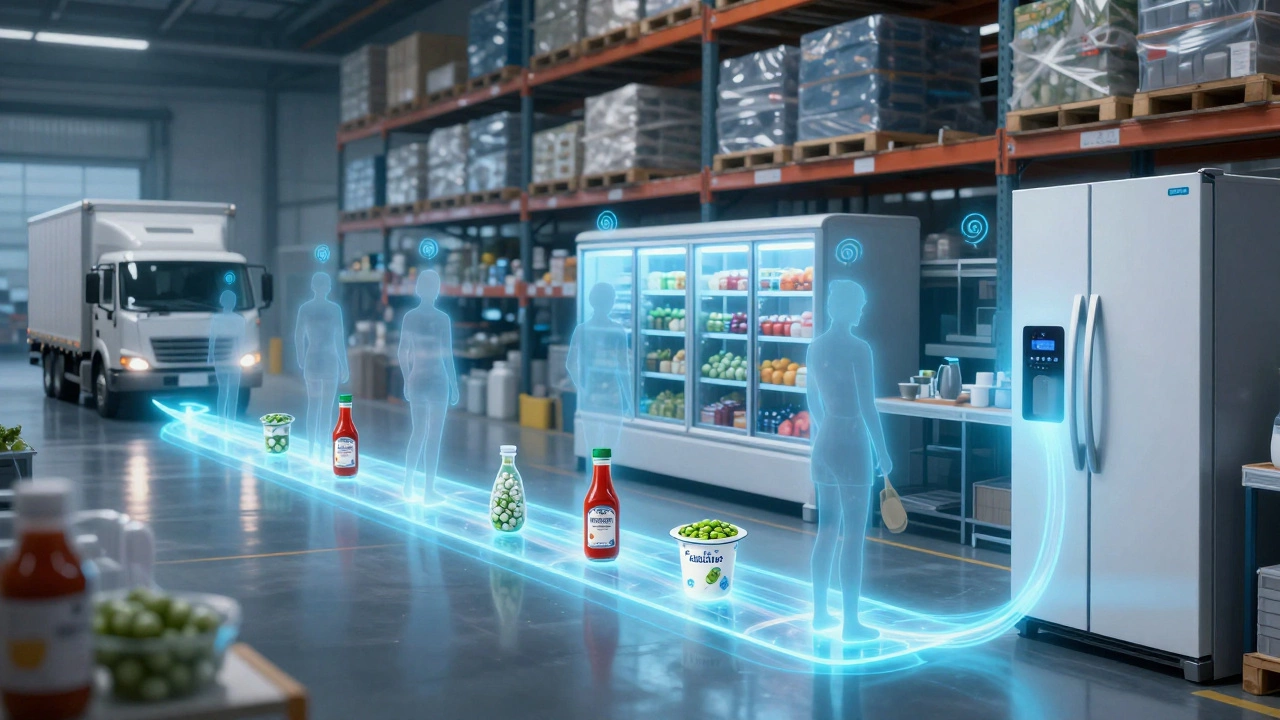
The final product doesn’t just disappear into a store. It enters a cold chain - a network of refrigerated trucks, warehouses, and shelves that keep food at safe temperatures from factory to fridge. In the UK, over 70% of processed food travels this way. Break the chain even once, and bacteria can multiply. That’s why food processing operations don’t end at the packaging line. They extend all the way to your kitchen.
And here’s something most people don’t realize: the same operations used to make ketchup are used to make pet food, baby food, and even pharmaceutical syrups. The equipment is often identical. The difference? The rules. Baby food has stricter limits on contaminants than adult food. That’s why food processing units have separate lines - and sometimes separate buildings - for different product types.
Final Thoughts
Food processing operations might seem invisible, but they’re everywhere. They’re why you can buy frozen strawberries in February. Why your bread doesn’t mold in a week. Why canned beans last two years. These aren’t just factory tasks - they’re science, engineering, and safety combined into one system.
If you’ve ever wondered how food gets from a farm to your table, now you know. It’s not one big step. It’s dozens of precise, controlled operations - each one necessary, each one designed to protect you.
What are the seven main food processing operations?
The seven core food processing operations are: cleaning and sorting, size reduction, heating and cooking, preservation, separation and purification, forming and shaping, and packaging. Each step plays a specific role in making food safe, stable, and ready for consumption. Skipping any one can compromise safety, shelf life, or quality.
Is food processing the same as food manufacturing?
Yes, essentially. "Food processing" and "food manufacturing" are used interchangeably in industry. Both refer to transforming raw agricultural products into packaged food items using mechanical, chemical, or biological methods. The term "manufacturing" often implies larger-scale, automated operations, while "processing" can include smaller operations - but the steps involved are the same.
How do food processing units ensure safety?
Food processing units follow strict hygiene protocols based on HACCP (Hazard Analysis Critical Control Point) systems. They use zoning (separating clean and dirty areas), air filtration, temperature controls, and automated monitoring. Every batch is logged with timestamps, equipment IDs, and operator details. Random samples are tested for pathogens like E. coli or Listeria. If anything fails, the batch is quarantined and traced back to its source.
Can food processing make food less healthy?
It can, but it doesn’t have to. Some operations - like adding salt, sugar, or preservatives - can reduce nutritional value. But others, like fortifying milk with vitamin D or removing trans fats from oils, improve health. Modern food processing is moving toward minimal processing: using high-pressure processing (HPP) or cold pasteurization to kill germs without heat, preserving more nutrients. The goal now isn’t just shelf life - it’s nutrition retention too.
What’s the difference between pasteurization and sterilization?
Pasteurization uses moderate heat (usually 72°C for 15 seconds) to kill harmful bacteria without destroying flavor or nutrients. It’s used for milk, juice, and yogurt. Sterilization uses much higher heat (121°C under pressure) to kill *all* microbes, including spores. It’s used for canned foods and baby formula. The result? Pasteurized food still needs refrigeration. Sterilized food can sit on a shelf for years.