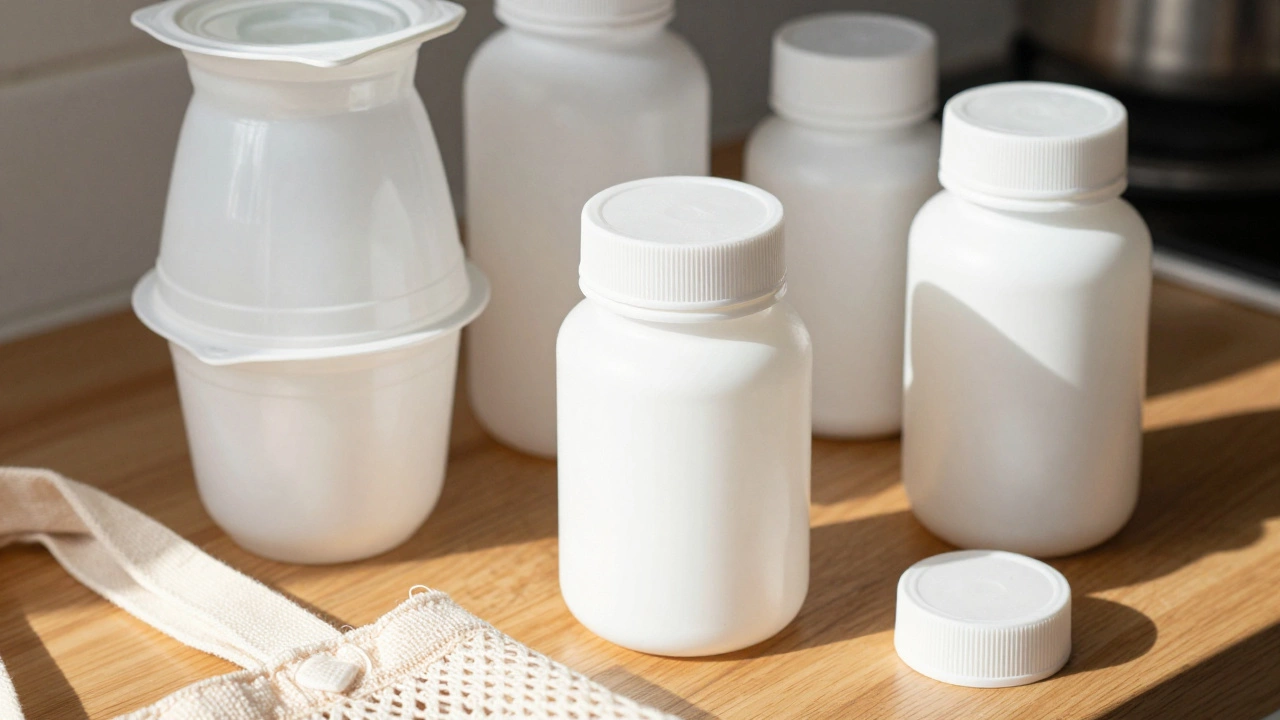
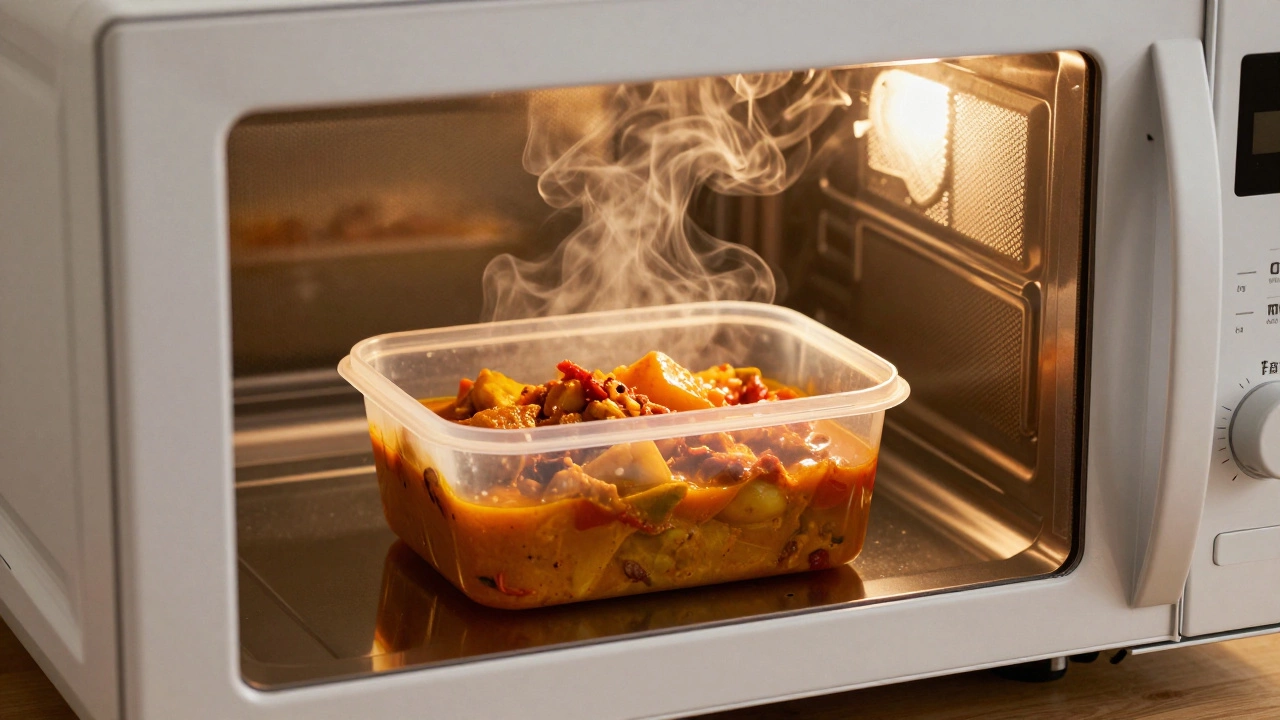
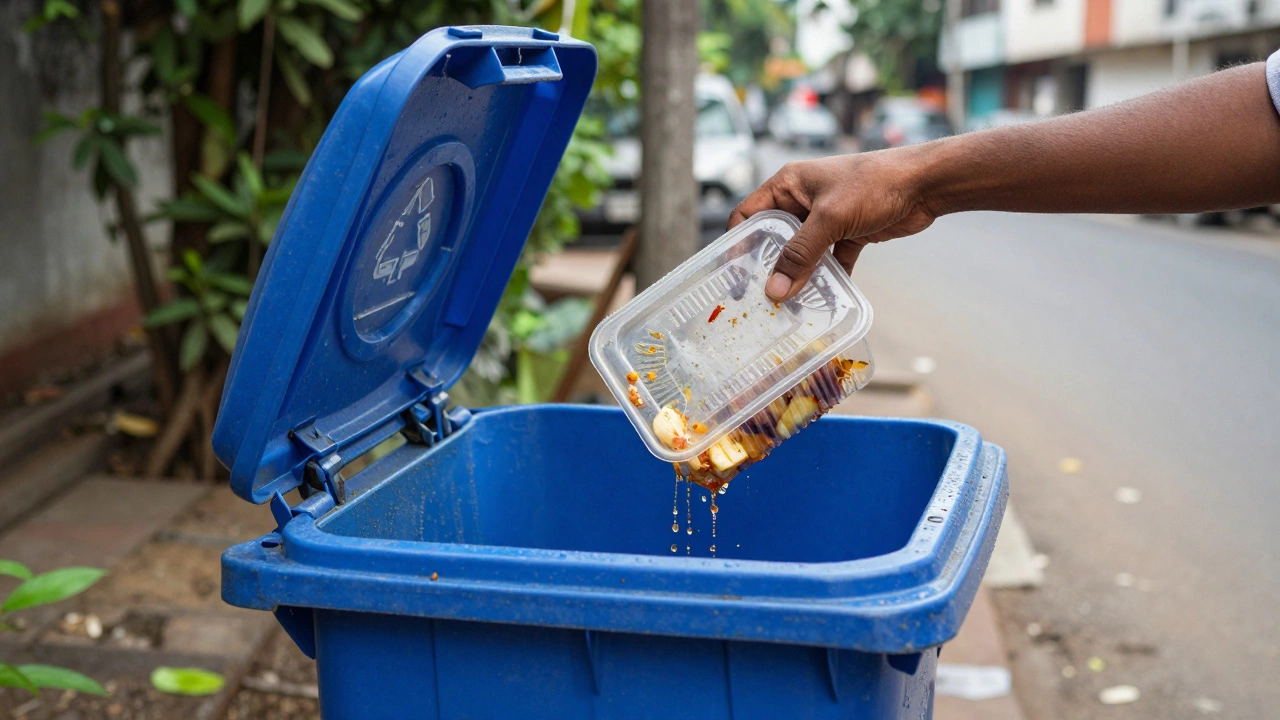
You toss a yogurt cup into the bin, glance at the triangle symbol on the bottom, and see a number. Often, that number is 5. It shows up on medicine bottles, microwave containers, and even some reusable shopping bags. Knowing exactly what this means matters more than most realize. Many people assume all plastic is the same trash, but the materials behave differently. Understanding code 5 plastic helps you make safer choices at home and better decisions about waste.
This specific resin type has unique traits that set it apart from the others. It handles heat much better than common packaging plastics. That difference changes how you reuse containers and where your local council sends them for processing.
What Is Code 5 Plastic Exactly?
When you see the number 5 inside a chasing arrows triangle, it stands for Polypropylene, often shortened to PP. This is a type of thermoplastic polymer made from propylene monomers. Unlike rubber that stays hard, thermoplastics can melt when heated and solidify again upon cooling.
This material is durable, lightweight, and resistant to many household chemicals.
Companies like Coca-Cola used to test bottles with this resin because it resists cracking better than stiffer plastics.
In the factory setting, we process this material through extrusion or injection molding. The chemical structure gives it a high melting point, roughly around 160 degrees Celsius. This physical property allows it to survive the hot wash cycle of a dishwasher or the heat of a steamer without deforming.
If you work in manufacturing, you know consistency is key. PP offers excellent "fatigue resistance," meaning you can bend a bottle cap hinge thousands of times before it snaps. Most other plastics would crack after fewer cycles.
Common Items You Touch Daily
You interact with this material more than you think. It is everywhere in modern life, hiding under brand labels. Here are the most frequent items found with this resin:
Food Containers: Many deli tubs, margarine pots, and microwave-safe lunch boxes use this plastic because it does not soften easily.
Caps and Closures: Screw-top lids for shampoo bottles or water jugs are almost always made from this because the threads need to remain pliable.
Syringes and Medical Gear: Sterilization equipment relies on its ability to handle autoclave heat without breaking down.
Ropes and Fabrics: Synthetic ropes, carpets, and thermal underwear linings utilize spun fibers of this polymer.
Think about the last time you microwaved leftovers. If the container didn't melt, it was likely this type. Unlike polystyrene foam cups that sweat condensation on a cold drink, this resin repels moisture effectively.
Comparison of Common Plastics
Resin Code
Name
Heat Resistance
Typical Use
1
PET
Low (Softens ~70°C)
Beverage Bottles
2
HDPE
Medium (Softens ~120°C)
Milk Jugs, Detergent
5
Polypropylene
High (Melts ~160°C)
Yogurt Cups, Bottle Caps
6
Polystyrene
Low (Brittle, ~90°C)
Foam Cups, Takeout Boxes
The Recyclability Debate
Here comes the tricky part. You see the number 5, which implies it fits in the recycling stream. Does it? Not always. Technically, this plastic is recyclable. In theory, facilities can collect it, shred it, wash it, and pelletize it for new products.
However, the economics change depending on where you live. In Birmingham and many UK areas, council kerbside schemes vary wildly. Some collections include it in the blue bin; others ask you to visit a Household Waste Recycling Centre (HWRC). Even in regions like the West Midlands, market demand fluctuates.
Contamination ruins batches. A yogurt pot stuck with residue cheese sauce cannot be easily cleaned compared to a clean HDPE milk jug. Oils and food particles lower the quality of the recycled pellets. If your local facility cannot separate it from Type 2 plastics efficiently, they may landfill it despite the label.
We are seeing shifts in policy toward 2026. More automated sorting centers now use optical sorters that identify polymers by density. This improves capture rates for polypropylene specifically. Yet, it remains harder to recycle than PET bottles due to its lower market value for re-manufacturing.
Safety and Health Concerns
Parents worry about chemicals leaching into food. This is where this resin shines. The FDA considers it safe for food contact. It does not typically contain Bisphenol A (BPA), a hormone disruptor found in older polycarbonate plastics.
It also has low toxicity levels when burned or processed. Manufacturers prefer it for baby teat warmers and medical syringes because it does not degrade quickly in body temperature environments.
That said, no plastic is indestructible. Over time, scratches can harbor bacteria. Scratched containers should be retired. While the plastic itself does not leach dangerous compounds like some older versions, physical wear creates hygiene issues. Always inspect containers before reuse.
How It Compares to Other Codes
Most people group all plastics together. They are distinct chemical families. Comparing this type to its neighbors clarifies why you shouldn't mix them in bins.
Type 1 (PET) is brittle and crystallizes easily. Type 5 (Polypropylene) is flexible and semi-crystalline. If you try to recycle them mixed together, the resulting material becomes weak and useless. That is why proper separation is critical.
Also consider Type 2 (HDPE). You might find a detergent bottle labeled with a 2 and the cap labeled with a 5. This happens constantly. You should remove the 5-labeled cap before recycling the 2-labeled bottle to prevent machine jams. Cap manufacturers use this softer plastic because it screws tightly over the rigid bottle neck.
Practical Tips for Consumers
You can help manage waste better by understanding these items. Follow these guidelines to reduce your footprint:
Check Local Rules: Verify with your specific council website. In 2026, waste policies update annually. What collected in January might change by June.
Clean Before Binning: Rinse out food residue. Dirty loads get rejected at the facility and sent to landfill.
Don't Overthink: If unsure, leave it out rather than putting it in a dirty bin. Contamination hurts the whole batch.
Reuse When Possible: Because this material handles heat well, it is the best candidate for washing out and reusing for storage at home.
Avoid assuming all soft plastics are the same. Grocery bags are usually different types. Just because something feels similar does not mean it recycles the same way.
Industry Outlook for Manufacturers
For those building businesses, the demand for recycled polypropylene is growing. Closed-loop recycling efforts are gaining traction. Brands are committing to higher percentages of post-consumer recycled (PCR) content.
However, finding high-quality PCR material remains a hurdle. Virgin resin is still cheaper. Regulatory pressure is expected to increase supply chains to buy recycled stock regardless of cost. We anticipate stricter mandates on packaging composition across the UK by late 2026.
Design innovation is also shifting. Engineers design mono-material packaging (using only one plastic type) to simplify recycling. Instead of a multi-layer tube, new designs aim for uniform composition, making recovery more efficient.
Is code 5 plastic safe to put in the microwave?
Generally, yes. Because polypropylene has a high melting point, it can withstand typical microwave temperatures without warping or releasing toxins. However, always check for a specific "microwave safe" symbol on the container to be certain.
Can I recycle code 5 plastic in my regular bin?
It depends on your local council. While it is technically recyclable, many residential curbside programs do not accept film or soft types of this plastic. Rigid items like yogurt pots are more commonly accepted in collection banks.
Does code 5 plastic contain BPA?
No. Polypropylene does not contain BPA (Bisphenol A). It is considered one of the safer options among common plastics for food storage purposes.
What happens if I throw it in the wrong bin?
Misplaced recycling contaminates the sorted load. If soft polypropylene gets mixed with glass or paper, that entire truckload may be rejected by the Material Recovery Facility and sent to landfill.
How does code 5 differ from code 2?
Code 2 is High-Density Polyethylene (HDPE), which is usually stiffer and cloudy. Code 5 is Polypropylene, which is clearer, more flexible, and melts at a higher temperature.
I am an expert in the manufacturing sector with a focus on innovations in India's industrial landscape. I enjoy writing about the evolving trends and challenges faced by the manufacturing industry. My career involves working with numerous companies to enhance their manufacturing processes. I am passionate about exploring the integration of technology to improve efficiency and sustainability. I often share insights and developments in the field, aiming to inspire those with a keen interest in manufacturing.