Unit Operations in Manufacturing: What They Are and Why They Matter
When you think of manufacturing, you might picture robots welding car parts or factories churning out smartphones. But beneath all that noise are unit operations, fundamental physical or chemical steps used to transform raw materials into finished products. Also known as process units, these are the non-negotiable building blocks that make everything from pharmaceuticals to furniture possible. Whether it’s drying wood for Indian furniture, mixing chemicals in Gujarat, or cooling molten steel in Jamshedpur — every single step falls into one of these core operations.
Unit operations aren’t fancy. They’re simple, repeatable, and universal. Think mixing, heating, cooling, filtering, drying, distilling, grinding, and pressing. These aren’t just lab terms — they’re the daily work of small manufacturers across India who turn scrap metal into tools, waste plastic into containers, or raw cotton into fabric. You don’t need a PhD to use them. You just need to know which one does what. For example, if you’re making soap from leftover oils, you’re doing saponification, a chemical unit operation that turns fats and alkali into soap. If you’re drying dried fruit for a snack business, you’re using dehydration, a physical unit operation that removes moisture to extend shelf life. These aren’t theoretical. They’re the reason your local maker can turn a few hundred rupees worth of materials into something people will pay for.
The real power of unit operations is how they connect. A plastic bottle starts with extrusion, a process that melts and shapes polymer into a tube, then moves to blow molding, a forming operation that uses air pressure to create the bottle shape. In pharma, filtration, a separation process that removes impurities comes before crystallization, a purification step that forces active ingredients to form pure solids. These chains are what make scaling possible. And that’s why the best small manufacturers in India don’t just copy big factories — they understand which unit operations can be done cheaply, locally, and with minimal energy.
What you’ll find below are real stories of people using these exact operations to build businesses with almost no money. One person turned kitchen waste into biodegradable plates using pressing and drying. Another started a small chemical lab in Pune by mastering distillation and mixing. None of them called themselves engineers. But they knew their unit operations — and that’s what made the difference.
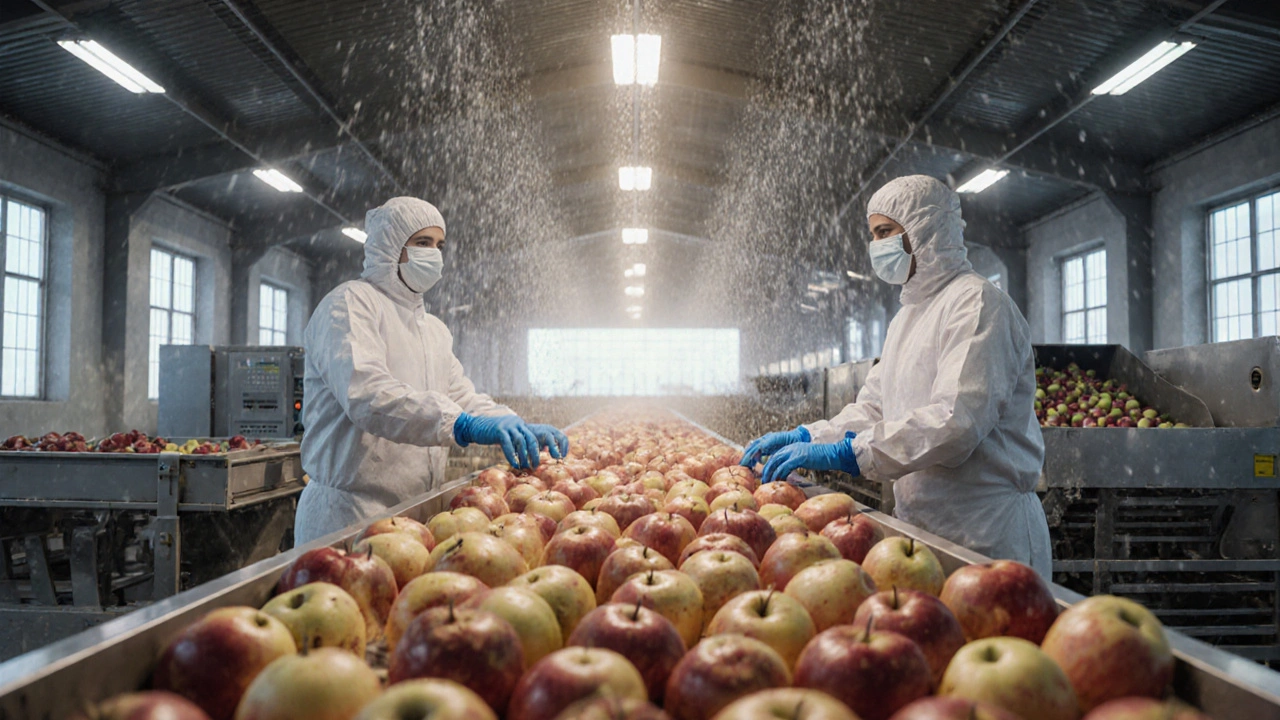
What Are the Basic Unit Operations in Food Processing?
Learn the seven basic unit operations in food processing-cleaning, mixing, separation, heating, drying, size reduction, and packaging-that turn raw ingredients into safe, shelf-stable food products.
Food Processing
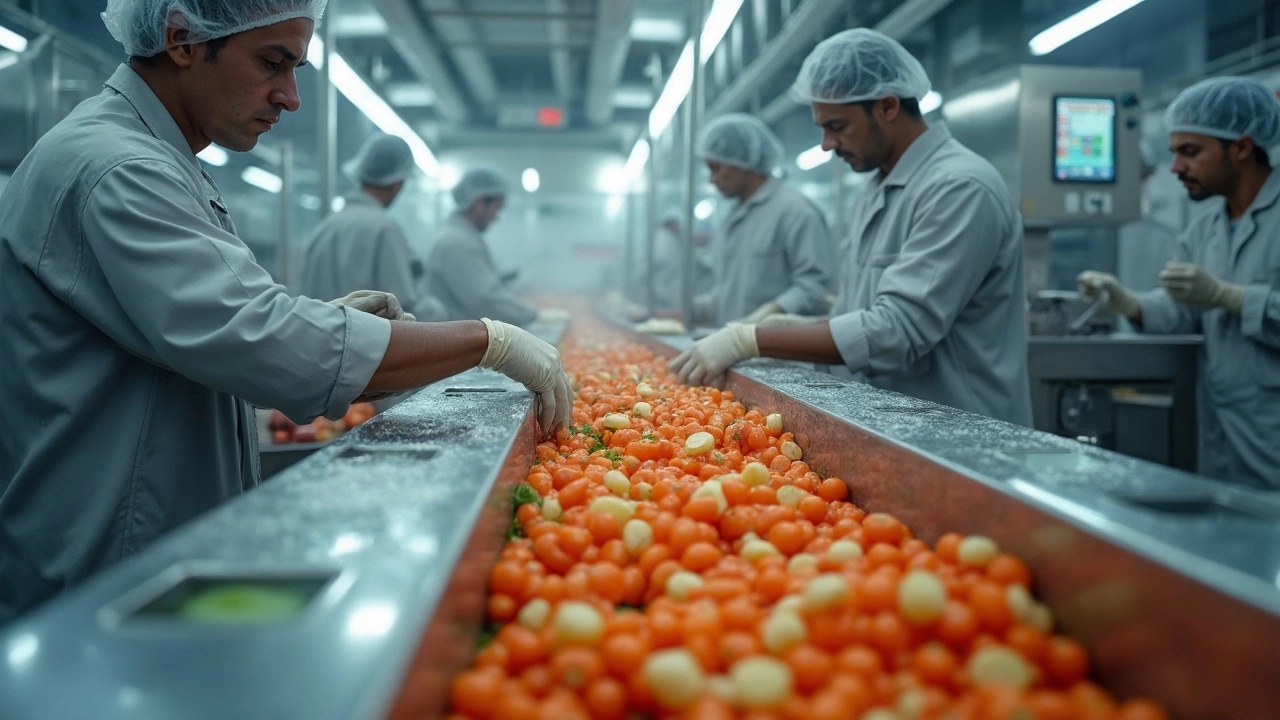
Unit Operations of Food Processing: What Actually Happens in the Plant?
Curious what's really happening inside a food processing plant? This article breaks down the key unit operations, step by step. From how raw ingredients get cleaned to how they're turned into the snacks you find on your shelf, everything is covered with simple examples. Dive into the basics and pick up real tips on making food safer, tastier, and longer-lasting. It's practical, jargon-free, and perfect for anyone who wants to know how their food is made.
Food ProcessingLatest Posts





Tags
- manufacturing
- small scale manufacturing
- plastic manufacturing
- India
- plastic pollution
- food processing
- textile industry
- government schemes
- electronics manufacturing
- small business
- steel manufacturing
- startup ideas
- production
- textile manufacturers India
- manufacturing business ideas
- business ideas
- chemical manufacturers India
- electronics manufacturing India
- steel manufacturing plants
- manufacturing business