Semiconductor Supply Chain: How India Is Shaping Global Electronics Manufacturing
When you think of a semiconductor supply chain, the complex network of design, fabrication, testing, and distribution that turns raw materials into the chips powering every modern device. Also known as chip supply chain, it’s the invisible backbone of smartphones, electric vehicles, medical gear, and even your smart fridge. This isn’t just about factories—it’s about raw materials from Australia, design teams in California, wafer production in Taiwan, assembly in Vietnam, and testing centers scattered across Southeast Asia. For years, India stayed on the sidelines, importing finished chips instead of making them. But that’s changing fast.
What’s driving the shift? The global chip shortage, a massive disruption that exposed how fragile the world’s electronics supply chain really is. When COVID hit and geopolitical tensions rose, countries realized they couldn’t rely on just one region for critical components. Suddenly, everyone wanted local production. India saw its chance. With strong government incentives under the Production Linked Incentive (PLI) scheme, companies like Foxconn, Tata, and Vedanta are now building fabs and assembly lines. And it’s not just about big players—smaller manufacturers are stepping in to make PCBs, connectors, and passive components that feed into the bigger systems. This isn’t about replacing Taiwan overnight. It’s about adding new layers to the chain—especially in packaging, testing, and component sourcing—where India already has skilled labor and growing infrastructure.
Look at electronics manufacturing India, a sector that’s grown from a niche activity to a national priority. States like Karnataka, Tamil Nadu, and Andhra Pradesh are now home to clusters of electronics factories, many linked directly to the semiconductor ecosystem. You’ll find companies making display drivers, memory modules, and even simple microcontrollers right here. It’s not all high-end silicon yet—but it’s the foundation. And that’s where the real opportunity lies: building the supporting industries that make full-scale chip production possible. The next five years will decide if India becomes a key node in the global semiconductor network—or just another assembly hub. What’s clear? The demand for locally made electronics is rising. The skills are here. The policy is shifting. Now it’s about execution.
Below, you’ll find real stories from people who’ve started small manufacturing businesses tied to this chain—whether they’re repurposing scrap electronics, building test jigs for chip makers, or sourcing components for local tech startups. These aren’t theoretical ideas. They’re working models from right here in India, showing how ordinary entrepreneurs are stepping into an extraordinary global shift.
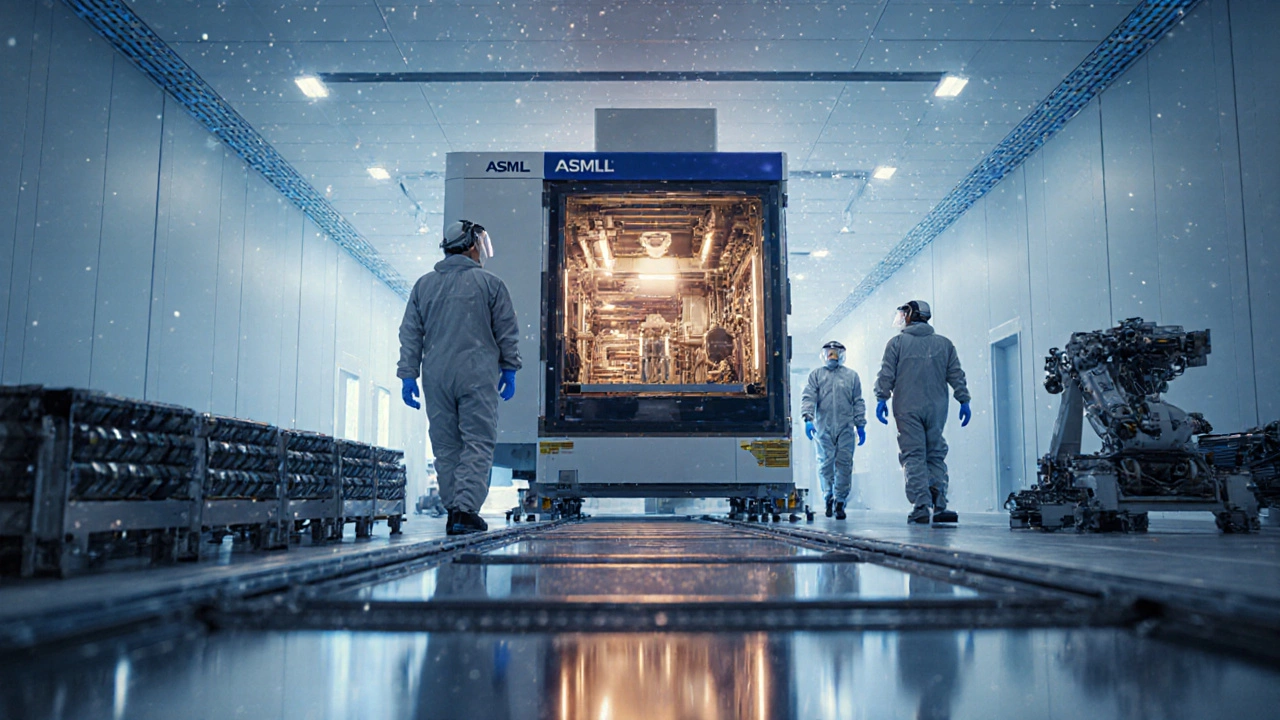
Why America Struggles to Build Semiconductors
Explore why the United States lags in semiconductor production, covering cost, talent, equipment, supply chain and policy factors, plus a roadmap for growth.
Electronics Manufacturing
Latest Posts



Tags
- manufacturing
- small scale manufacturing
- plastic manufacturing
- plastic pollution
- India
- food processing
- textile industry
- government schemes
- electronics manufacturing
- small business
- steel manufacturing
- startup ideas
- production
- textile manufacturers India
- manufacturing business ideas
- business ideas
- chemical manufacturers India
- electronics manufacturing India
- steel manufacturing plants
- plastic manufacturers