Manufacturing Jobs in India: Types, Opportunities, and Where to Start
When you think of manufacturing jobs, paid work involved in turning raw materials into finished goods through industrial processes. Also known as industrial jobs, it includes everything from assembling electronics to welding steel frames and packaging food products. These aren’t just factory floor roles anymore—they’re the backbone of India’s economic rise. From tiny workshops in Gujarat making plastic parts to large plants in Tamil Nadu building electric vehicle batteries, manufacturing jobs are growing faster than most people realize.
What makes these jobs different today? They’re no longer just about lifting heavy parts or standing on assembly lines. Many now require basic tech skills—reading digital work orders, using simple CNC machines, or checking quality with handheld scanners. You don’t need a college degree. Many start with a six-week training program at a government skill center and land a job paying ₹15,000 to ₹25,000 a month. In states like Uttar Pradesh and Maharashtra, local governments are offering free tools and uniforms just to get people into these roles. And it’s not just big companies hiring. small manufacturer, a business with fewer than 50 employees that produces goods locally, often with customized or niche products owners across India are hiring fast because they can’t find enough skilled workers. One owner in Ludhiana told me he’s paid ₹30,000 a month to a worker who can operate a laser cutter—no experience required, just willingness to learn.
Where are these jobs? Gujarat leads in chemicals and textiles. Tamil Nadu and Karnataka dominate electronics and auto parts. Maharashtra has the biggest mix—from pharmaceuticals to machinery. Even smaller towns like Tiruppur and Moradabad are becoming hubs because of low rent, good transport links, and workers who’ve been in the trade for generations. The government’s Production Linked Incentive (PLI) scheme is pushing companies to make more in India, which means more openings in the next two years. You don’t need to move to a big city. Many of the best-paying manufacturing jobs are in places you’ve never heard of.
What’s next? If you’re looking at a career path, start with one skill—welding, sewing, machine operation, or quality control. Then build from there. Many workers move up to team lead, supervisor, or even start their own small shop after a few years. The real advantage? These jobs don’t disappear when the economy dips. People still need clothes, medicine, cars, and phones—even in a recession. And with India pushing to make more of its own stuff, the demand is only going up.
Below, you’ll find real stories from people who started with nothing and built careers in Indian manufacturing—from turning scrap metal into profitable products to landing jobs in high-tech factories without a single degree. These aren’t theoretical guides. They’re lived experiences. And they show exactly how to get started, where to look, and what to avoid.
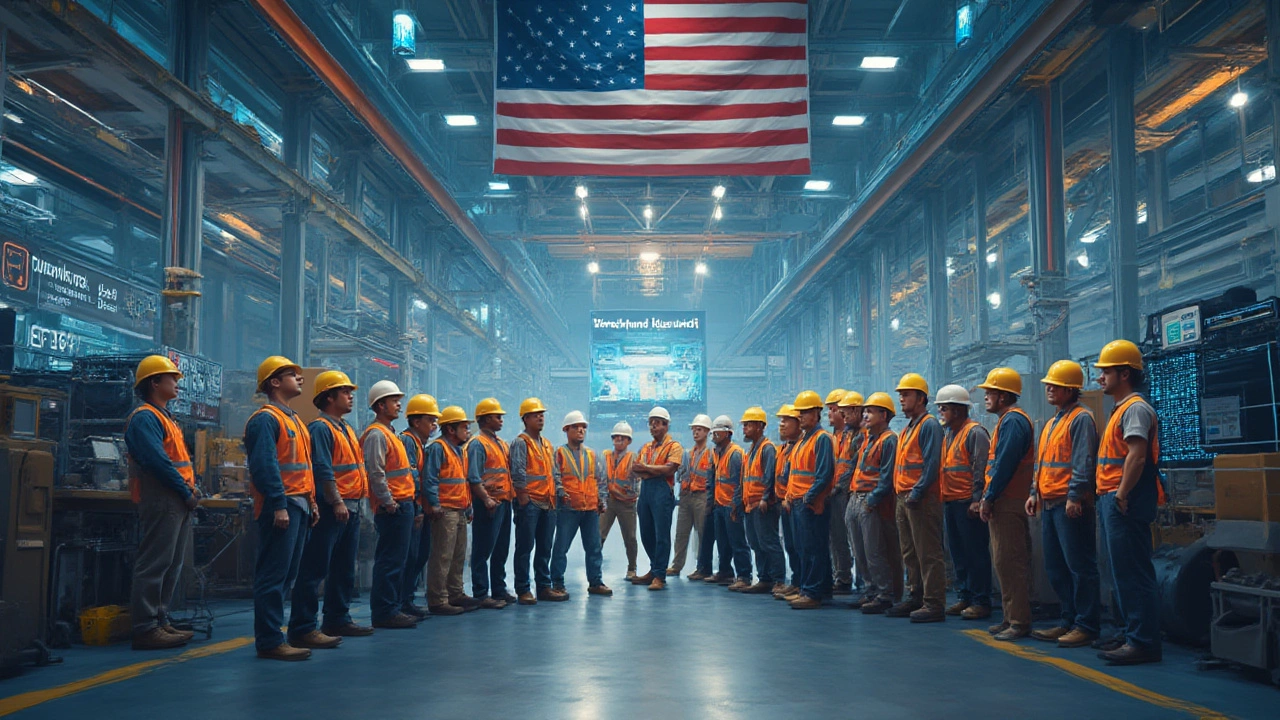
US Manufacturing Workforce Percentage: Key Stats and Insights for 2025
Curious about how much of the US workforce is in manufacturing? Discover current statistics, key historical changes, and what this means for American jobs.
Business and Industry
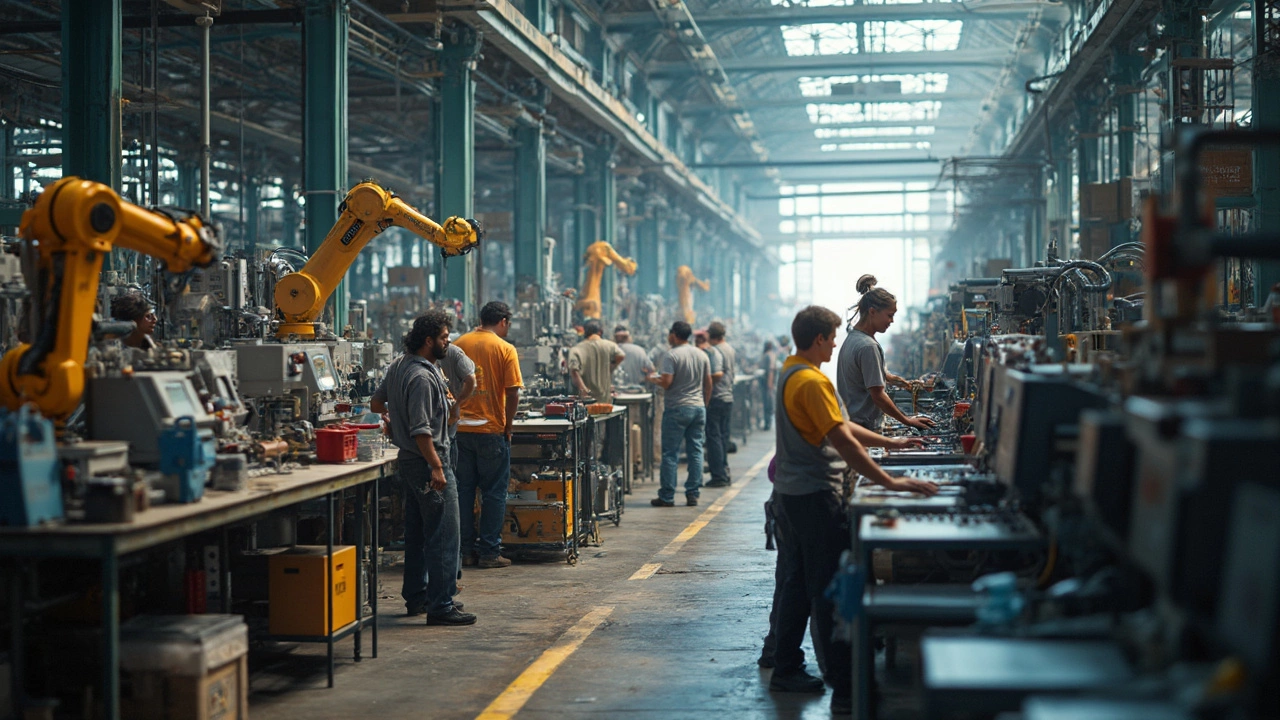
Are Manufacturing Jobs Coming Back to America? New Realities Behind the Headlines
This article looks at whether manufacturing jobs are really returning to America and what that means for workers. It explores the impact of government policies, incentives, and the changing nature of factory work. You'll get honest insight into the jobs that are coming back and what kinds of skills employers want now. Plus, expect tips on how to take advantage of this shift if you're thinking about a career in manufacturing.
Government SchemesLatest Posts



Tags
- manufacturing
- small scale manufacturing
- plastic manufacturing
- plastic pollution
- India
- food processing
- textile industry
- government schemes
- electronics manufacturing
- small business
- steel manufacturing
- startup ideas
- production
- textile manufacturers India
- manufacturing business ideas
- business ideas
- chemical manufacturers India
- electronics manufacturing India
- steel manufacturing plants
- plastic manufacturers