Indian Power Standards: What They Are and Why They Matter
When you flip a switch in a factory in Gujarat or plug in a machine in Tamil Nadu, you're relying on Indian power standards, a set of technical rules that define how electricity is generated, distributed, and used safely across the country. Also known as electrical safety codes for India, these standards ensure that every wire, plug, and motor works without risking lives or damaging equipment. They’re not just paperwork—they’re the invisible backbone of every manufacturing plant, electronics factory, and even your local workshop.
These standards are set by the Bureau of Indian Standards (BIS), and they cover everything from voltage levels (230V ±10% for most homes and factories) to the design of plugs, circuit breakers, and grounding systems. If you’re running a small manufacturing unit, ignoring these rules isn’t just risky—it’s illegal. Factories that don’t follow Indian power standards, a set of technical rules that define how electricity is generated, distributed, and used safely across the country risk shutdowns, fines, or worse—electrical fires that destroy equipment and lives. Even export-focused manufacturers must meet these standards to ship products abroad, because global buyers check for BIS certification before placing orders.
These rules also connect to bigger trends in Indian manufacturing. For example, Gujarat’s push to become a chemical and electronics hub depends on stable, standardized power. The same goes for electronics manufacturing in Karnataka and Tamil Nadu—without consistent voltage and safety protocols, production lines stall. And when companies like those making solar inverters or electric motor controllers design their products, they don’t just guess—they build to Indian power standards. That’s why you’ll find BIS marks on everything from cheap phone chargers to heavy-duty industrial transformers.
What’s interesting is how these standards are evolving. With more factories going solar, using variable frequency drives, or switching to LED lighting, the old rules are being updated to handle new loads and smarter systems. That’s why you’ll see posts here about everything from chemical plant safety to electronics manufacturing—because power standards touch every corner of Indian industry. Whether you’re starting a small business or scaling up a factory, understanding these rules isn’t optional. It’s the difference between running smoothly and shutting down overnight.
Below, you’ll find real examples of how Indian power standards impact manufacturing, safety, and innovation—from the tools factories use to the policies that keep them running. No theory. No fluff. Just what matters on the ground.
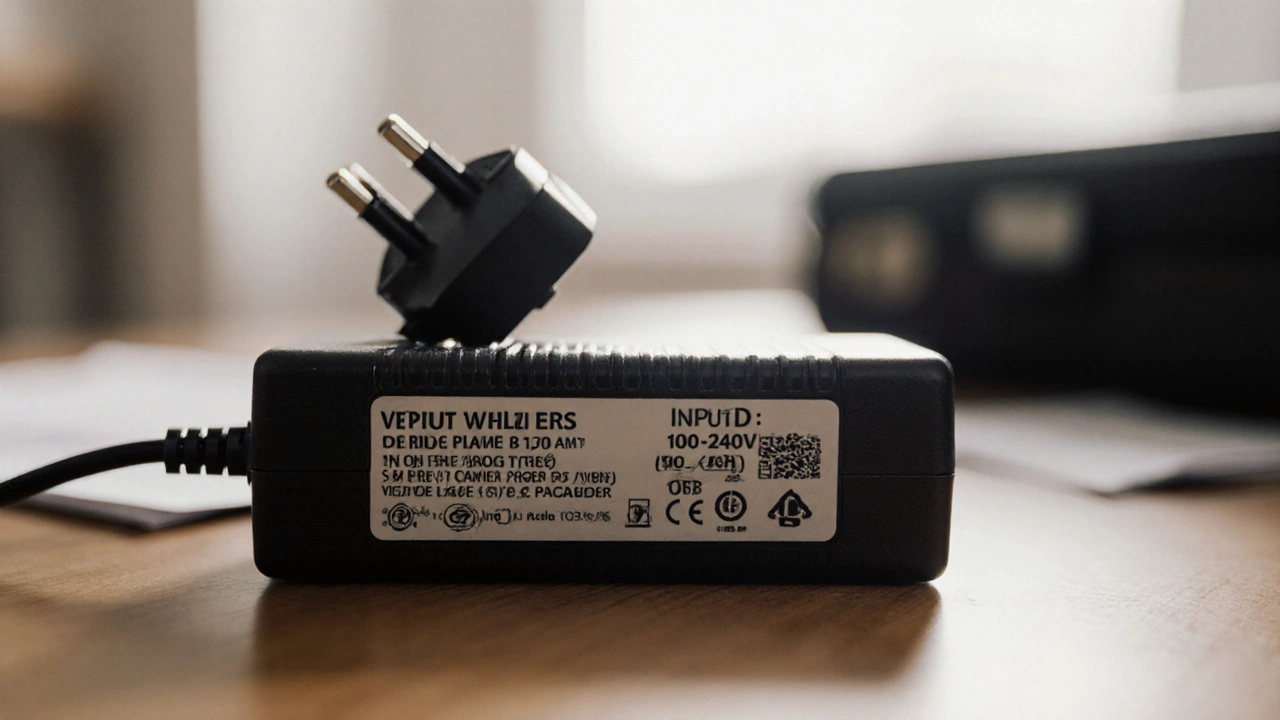
Will US Electronics Work in India? Voltage, Plugs, and What You Really Need to Know
Will your US electronics work in India? Learn what devices are safe, which ones to avoid, and how to use them without damage. Voltage, plugs, and real-world tips for travelers and expats.
Electronics Manufacturing
Latest Posts




Tags
- manufacturing
- small scale manufacturing
- plastic manufacturing
- plastic pollution
- India
- food processing
- textile industry
- government schemes
- electronics manufacturing
- small business
- steel manufacturing
- startup ideas
- production
- textile manufacturers India
- manufacturing business ideas
- business ideas
- chemical manufacturers India
- electronics manufacturing India
- steel manufacturing plants
- plastic manufacturers