Food Manufacturing: How India Is Changing What We Eat
When you open a packet of chips, a jar of pickle, or a box of instant noodles, you’re holding the result of food manufacturing, the process of turning raw ingredients into safe, shelf-stable products for mass consumption. Also known as food processing, it’s not just about machines—it’s about science, regulation, and local taste. This isn’t just big factories in Gujarat or Tamil Nadu. It’s also home-based units making pickles, chutneys, and snacks that travel across the country. The line between homemade and industrial is fading fast, and India is leading the change.
Food science, the study of how ingredients behave under heat, pressure, and time explains why your bread rises, why yogurt thickens, and how plant-based meat mimics chicken. It’s the hidden engine behind every packaged product. Meanwhile, food safety, the set of practices ensuring products don’t make people sick is no longer optional. With rising demand and stricter rules, even small makers now need hygiene certifications, testing, and traceability. You can’t just cook and sell anymore—you have to prove it’s safe.
India’s food manufacturing scene is split between giants like Nestlé and local heroes making masalas in Kerala or dairy in Punjab. What’s surprising? Many of the most popular snacks you buy were invented by small-scale producers who scaled up using smart packaging and WhatsApp orders. The government’s FSSAI rules are pushing quality, while startups are using AI to predict flavor trends and reduce waste. You’ll find posts here that show how a woman in Odisha turned her kitchen into a ₹50 lakh business, how a Delhi lab tests for pesticide residues, and why the spice industry is moving from hand-grinding to automated blending.
This isn’t about fancy labs or billion-dollar plants. It’s about real people, real food, and real choices—what you eat, how it’s made, and who benefits. Below, you’ll see how ordinary Indians are reshaping food manufacturing one batch at a time.

What Are the Food Processing Operations? A Clear Breakdown of How Food Gets from Farm to Package
Food processing operations are the essential steps that turn raw ingredients into safe, shelf-stable food. From cleaning and cooking to packaging and preservation, these operations ensure your food stays fresh, safe, and consistent - whether it’s yogurt, canned soup, or frozen vegetables.
Food Processing
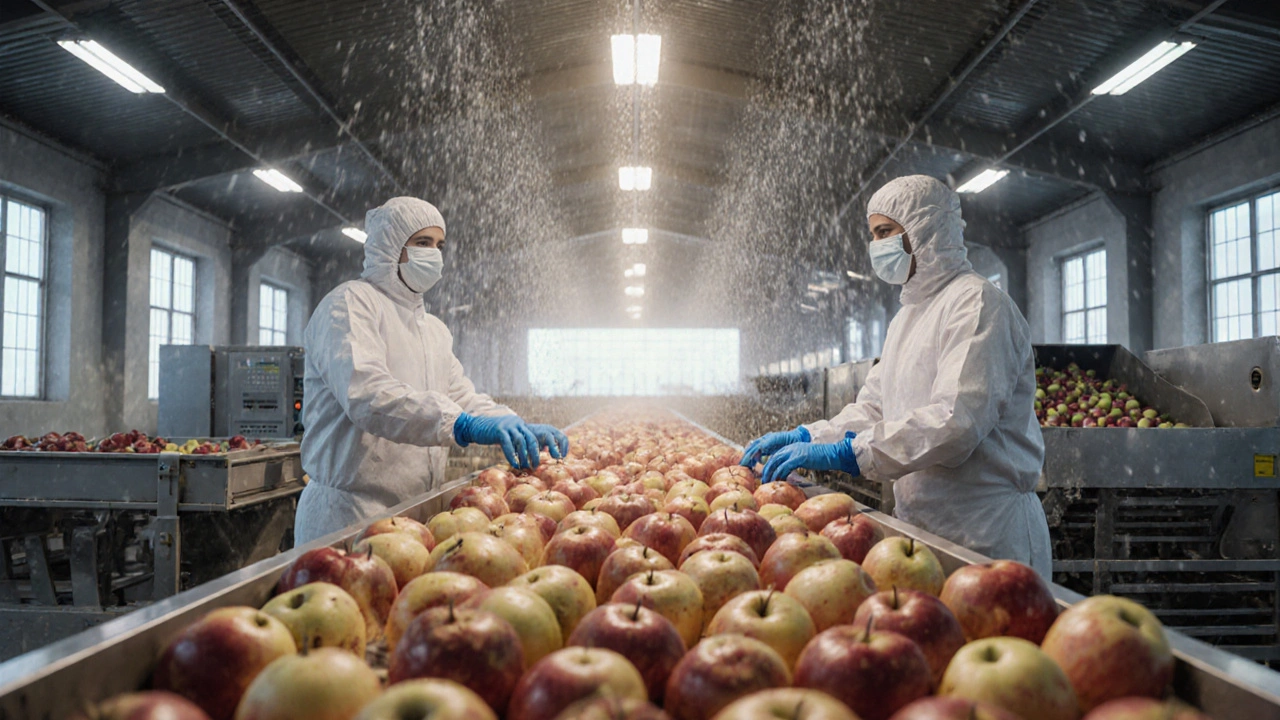
What Are the Basic Unit Operations in Food Processing?
Learn the seven basic unit operations in food processing-cleaning, mixing, separation, heating, drying, size reduction, and packaging-that turn raw ingredients into safe, shelf-stable food products.
Food ProcessingLatest Posts


Tags
- manufacturing
- small scale manufacturing
- plastic manufacturing
- India
- plastic pollution
- food processing
- textile industry
- government schemes
- electronics manufacturing
- small business
- steel manufacturing
- startup ideas
- production
- textile manufacturers India
- manufacturing business ideas
- business ideas
- chemical manufacturers India
- electronics manufacturing India
- steel manufacturing plants
- manufacturing business