Fab Construction: What It Is, How It Works, and Why It Matters in Indian Manufacturing
When you see a steel frame rising for a new factory, a bridge, or even a solar power plant, you’re looking at fab construction, the process of cutting, shaping, and assembling metal components into structural systems. Also known as steel fabrication, it’s not just welding pipes together—it’s turning raw material into the skeleton of modern industry. In India, fab construction is no longer just about copying designs from abroad. Local shops are now building custom frames for solar farms, food processing units, and even small-scale machinery—often faster and cheaper than imports.
This isn’t just about big factories. structural steel, the main material used in fab construction, is everywhere: in warehouses in Gujarat, workshops in Tamil Nadu, and even in rooftop sheds in rural Punjab. The process involves a few key steps: cutting metal to size, bending it with hydraulic presses, drilling holes for bolts, and finally welding or bolting pieces into place. No fancy tech needed—just skilled hands, good measurements, and the right tools. And that’s why so many small manufacturers are jumping in. Unlike running a full assembly line, fab construction lets you start with one CNC cutter, a welder, and a few employees. You don’t need a billion-dollar plant. You just need to know what to build and who needs it.
What makes fab construction powerful is how it connects to other parts of Indian manufacturing. If you’re making machinery, you need fabricated frames. If you’re building furniture from steel, you need bent tubes and welded joints. Even in food processing, you’ll find fabricated tanks and conveyors. It’s the invisible glue holding many industries together. And with states like Gujarat and Maharashtra pushing manufacturing incentives, more small players are getting access to subsidized tools, training, and even land for workshops. You don’t have to be a giant to compete anymore.
What you’ll find in the posts below are real examples of how fab construction is being used—from the steel giants in the U.S. to the backyard workshops in India that are beating global prices. You’ll see how scrap metal becomes high-value parts, how local fabricators are winning contracts from solar companies, and why India’s next manufacturing boom isn’t coming from big corporations alone. It’s coming from the people who know how to cut, bend, and weld—and who know exactly what the market needs next.
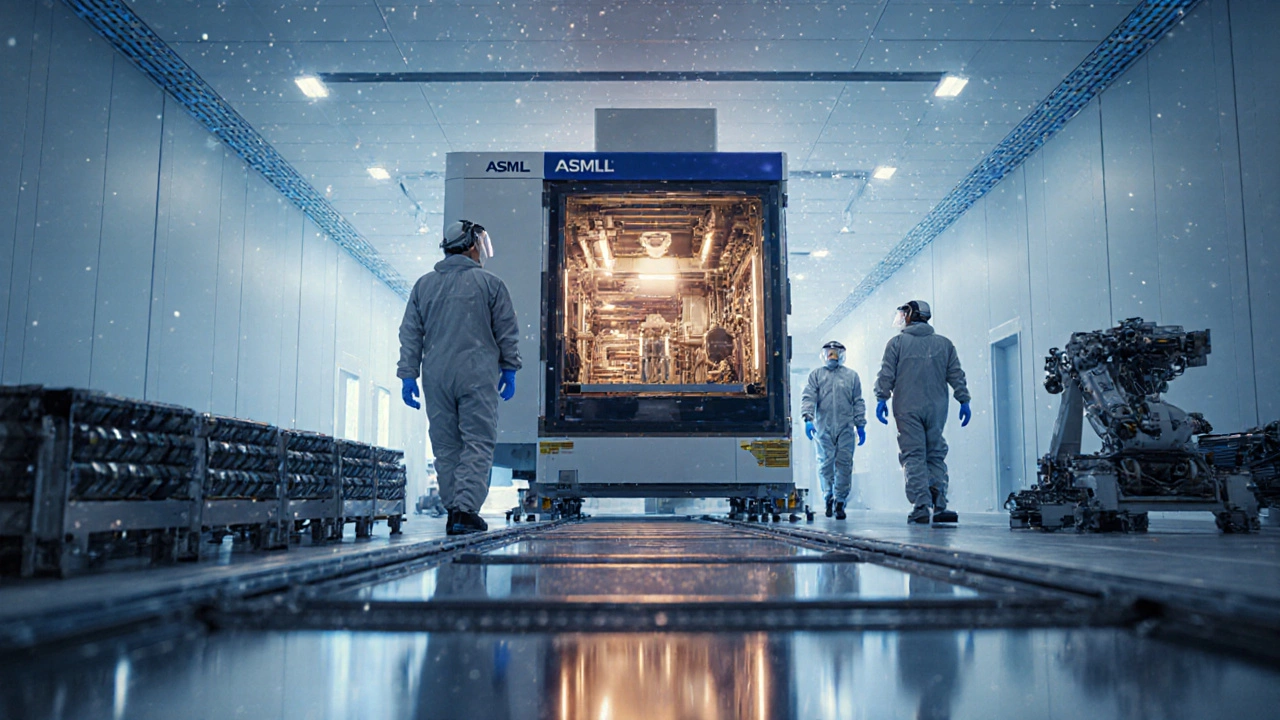
Why America Struggles to Build Semiconductors
Explore why the United States lags in semiconductor production, covering cost, talent, equipment, supply chain and policy factors, plus a roadmap for growth.
Electronics Manufacturing
Latest Posts




Tags
- manufacturing
- small scale manufacturing
- plastic manufacturing
- plastic pollution
- India
- food processing
- textile industry
- government schemes
- electronics manufacturing
- small business
- steel manufacturing
- startup ideas
- production
- textile manufacturers India
- manufacturing business ideas
- business ideas
- chemical manufacturers India
- electronics manufacturing India
- steel manufacturing plants
- plastic manufacturers