DESI Manufacturing: What It Is and Why It's Changing Indian Industry
When you hear DESI, a term rooted in Indian identity meaning "locally made" or "of our own". Also known as made-in-India, it isn't just about where something is built—it's about who built it, with what tools, and for whom. This isn't government propaganda. It's the quiet revolution happening in small workshops in Gujarat, family-run units in Tamil Nadu, and backyard factories in Uttar Pradesh turning scrap metal, plastic waste, and raw cotton into real products people actually buy.
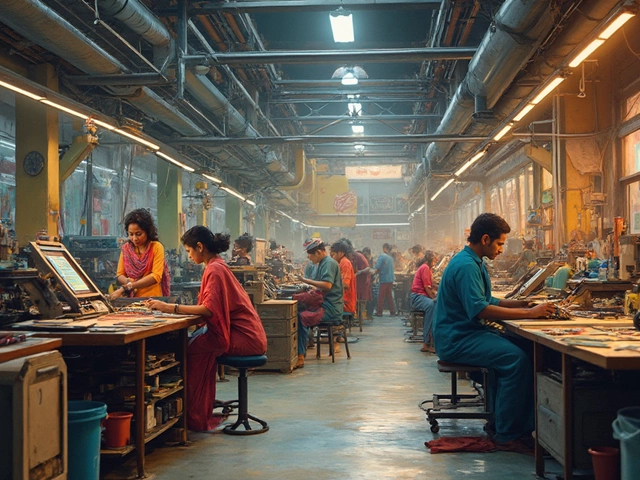
DESI manufacturing doesn't need billion-dollar plants. It thrives on small-scale manufacturing, businesses with fewer than 50 workers producing goods using simple machines and local labor. Think hand-forged steel brackets, stitched textile bags, or pressed coconut oil soap—all made with tools you can buy at a local hardware store. These aren't replacements for big factories. They're the backbone of India’s real production economy. And they’re growing fast because customers now care where things come from. A phone charger made in Bangalore beats one shipped from China if it’s cheaper, faster, and comes with a story.
What makes DESI different? It’s not just about patriotism. It’s about speed, cost, and control. When you make something locally, you fix it the same day. You change the design after one customer complaint. You don’t wait three months for a container to arrive. That’s why you’re seeing more local production, goods made and sold within the same region, cutting out long supply chains. in markets from Jaipur to Jharkhand. Even big brands are partnering with these small makers—not to replace them, but to tap into their agility. And it’s not just about electronics or textiles. From chemical mixtures in Gujarat to custom machinery in Maharashtra, DESI is showing up everywhere.
You’ll find posts here about how people started businesses with zero money, turning trash into tools. You’ll see how Gujarat became India’s chemical powerhouse, why Indian furniture is now outselling China in some markets, and how a single person with a sewing machine can build a brand that rivals big labels. This isn’t about dreams. It’s about dirt under the nails, late nights fixing a broken press, and selling the first 10 units to neighbors. The future of Indian manufacturing isn’t in some shiny new plant—it’s in the hands of the people who’ve been doing it all along. And now, the world is starting to notice.
Which Country Leads the World in Digitalization?
Discover which nation leads global digitalization, why the UAE tops the rankings, and how other countries can catch up with infrastructure, e‑government and skill initiatives.
Business and Industry
Latest Posts

Tags
- manufacturing
- small scale manufacturing
- plastic manufacturing
- plastic pollution
- India
- food processing
- textile industry
- government schemes
- electronics manufacturing
- small business
- steel manufacturing
- startup ideas
- production
- textile manufacturers India
- manufacturing business ideas
- business ideas
- chemical manufacturers India
- electronics manufacturing India
- steel manufacturing plants
- plastic manufacturers