Customs Clearance in India: What You Need to Know About Importing and Exporting Goods
When you ship goods across borders, customs clearance, the official process of getting goods approved to enter or leave a country. Also known as border clearance, it’s not just paperwork—it’s the gatekeeper between your product and your customer. In India, this step can make or break a manufacturing business. Whether you’re importing raw materials for your factory or shipping finished goods overseas, skipping the details here means delays, fines, or lost sales.
Customs clearance in India involves more than paying customs duties, taxes applied to imported or exported goods based on type, value, and origin. It includes document checks, product classification under the Harmonized System (HS) code, inspection rules, and compliance with policies like the Foreign Trade Policy. If you’re sourcing electronics from China or sending textile machinery to Africa, the rules change. Gujarat’s chemical exporters and Tamil Nadu’s auto parts suppliers deal with different clearance paths than a small startup importing plastic pellets from Bangladesh. The system isn’t uniform—it’s layered, and knowing your category matters.
Many manufacturers in India struggle because they treat customs clearance as a one-time task. But it’s ongoing. A change in HS code classification, a new rule from the Directorate General of Foreign Trade, or even a minor paperwork error can hold your shipment for days. That’s why top exporters work with local clearing agents who know which port offices move faster, which documents get stamped the same day, and which inspections are avoidable with the right paperwork. Even small businesses can avoid delays by keeping digital copies of invoices, packing lists, and certificates of origin ready at all times.
India’s push to become a global manufacturing hub means customs processes are slowly improving—but they’re still inconsistent. One port might clear your shipment in 24 hours; another might take a week. That’s why understanding your route matters as much as your product. If you’re exporting furniture to the U.S. or importing machinery from Germany, your clearance path will look different than someone shipping pharmaceuticals to Kenya. The good news? The system rewards those who prepare. The best manufacturers don’t wait until their goods arrive—they plan clearance before production even starts.
Below, you’ll find real stories from Indian businesses that have navigated customs clearance successfully—and those who got stuck. You’ll see how small manufacturers cut costs, how exporters avoid penalties, and what documents actually matter on the ground. No theory. No fluff. Just what works in India’s current system.
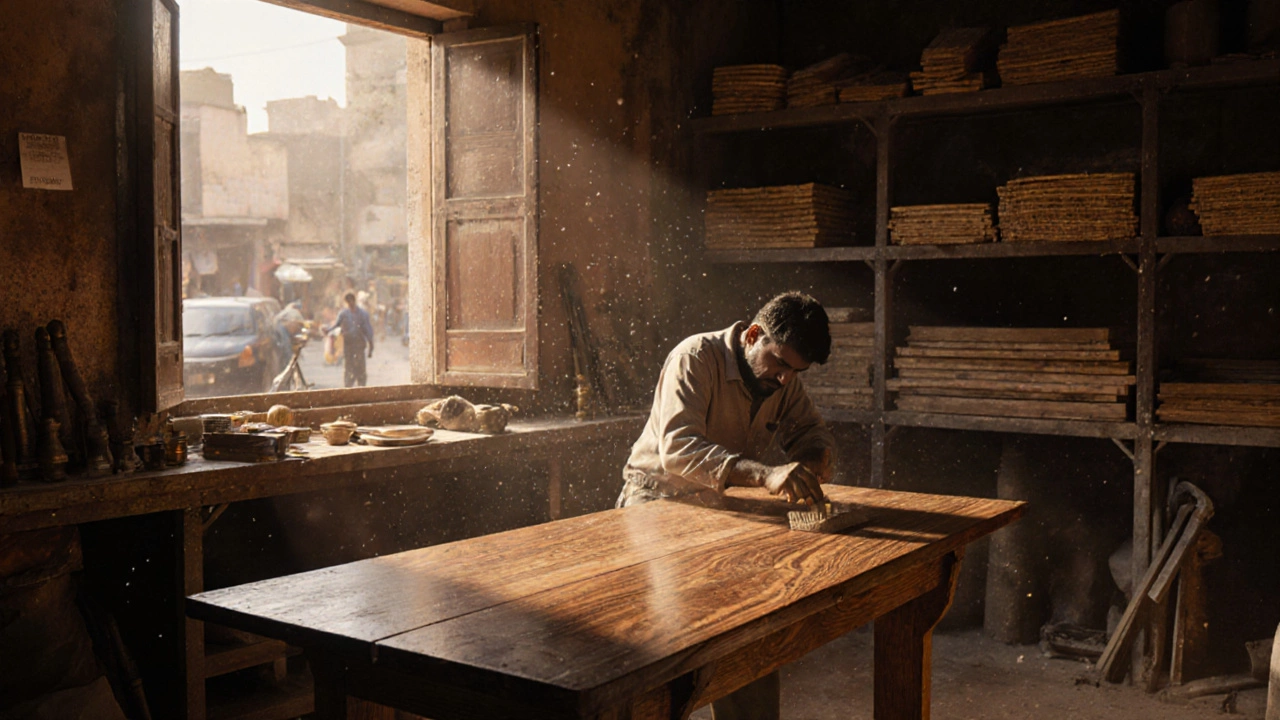
How to Import Furniture from India to the USA
Learn how to import furniture from India to the USA, covering customs duties, shipping options, required documents, quarantine rules, and cost‑saving tips.
Furniture Manufacturing
Latest Posts


Tags
- manufacturing
- small scale manufacturing
- plastic manufacturing
- plastic pollution
- India
- food processing
- textile industry
- government schemes
- electronics manufacturing
- small business
- steel manufacturing
- startup ideas
- production
- textile manufacturers India
- manufacturing business ideas
- business ideas
- chemical manufacturers India
- electronics manufacturing India
- steel manufacturing plants
- plastic manufacturers