Business Failure: Why Most Startups Fail and How to Avoid It
When you hear business failure, the collapse of a commercial venture due to poor planning, cash flow issues, or market misalignment. Also known as startup failure, it’s not always about bad ideas—it’s often about bad execution. In India’s growing manufacturing scene, hundreds of small makers start every month. Many quit within a year. Not because they lacked skill, but because they didn’t see the traps coming.
Small manufacturer, a business producing goods with limited staff and capital, often operating from a single facility or home workshop doesn’t need a big loan to begin. But it does need to understand profitable manufacturing, producing goods with high margins using low-cost inputs, efficient processes, and direct sales. Too many people chase volume instead of profit. They make 10,000 units of something no one will pay more than ₹50 for. Meanwhile, others make 500 units of something customers will pay ₹500 for—and stay in business.
The biggest mistake? Assuming demand exists because they built it. Real demand comes from solving a real problem. Look at the posts below: one maker turned scrap metal into custom brackets for local workshops. Another started with zero investment, using a sewing machine at home to make medical-grade packaging. These aren’t tech startups. They’re business failure survivors. They didn’t wait for funding. They didn’t overcomplicate. They sold one thing, to one person, then kept going.
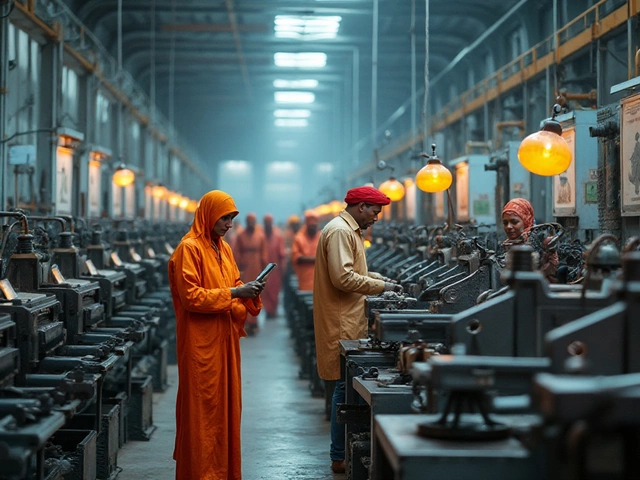
Manufacturing isn’t about scale. It’s about sustainability. You don’t need to be the biggest. You just need to be the most reliable. The most responsive. The one who shows up when others quit. The posts here show how people in Gujarat, Tamil Nadu, and Uttar Pradesh turned near-failures into steady income—by fixing one thing at a time. No magic. No hype. Just action.
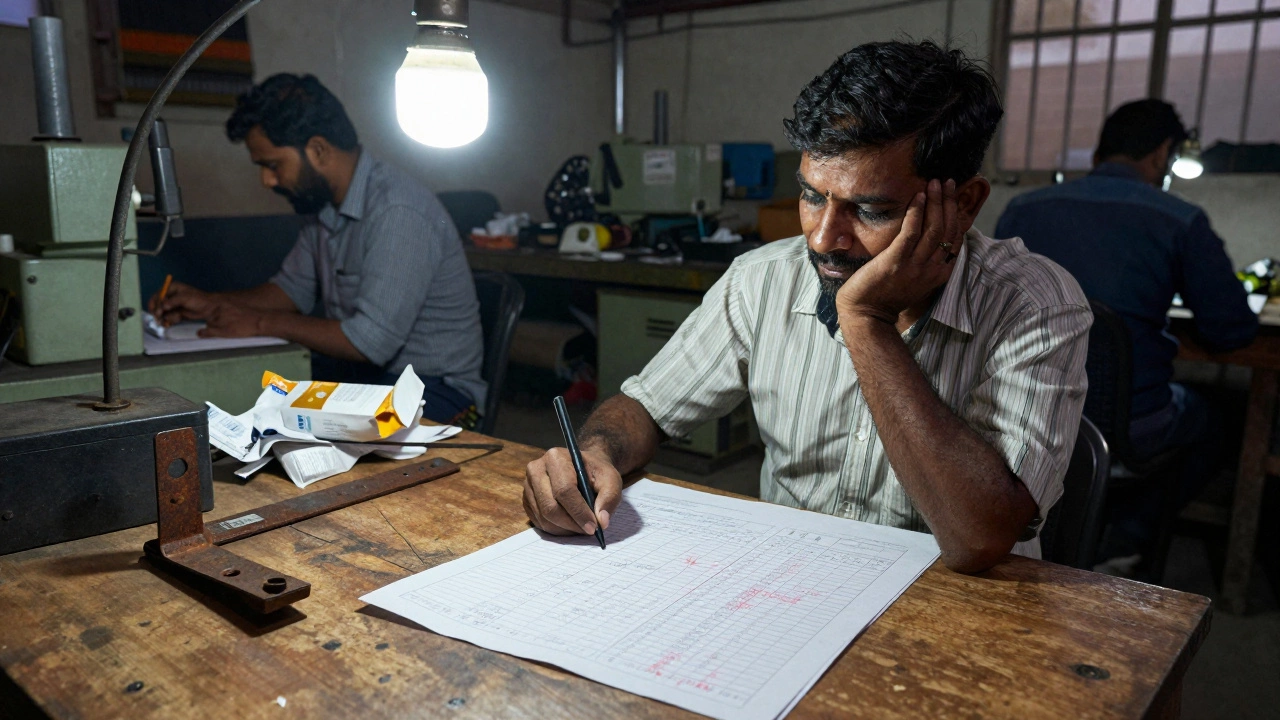
Why Do Small Scale Manufacturing Businesses Fail?
Small scale manufacturing businesses fail not because of bad products, but due to poor cash flow, ignored costs, lack of documentation, and resistance to change. Learn the real reasons behind the collapse-and how to avoid them.
Small Scale Manufacturing
Latest Posts




Tags
- manufacturing
- small scale manufacturing
- plastic manufacturing
- India
- plastic pollution
- food processing
- textile industry
- government schemes
- electronics manufacturing
- small business
- steel manufacturing
- startup ideas
- production
- textile manufacturers India
- manufacturing business ideas
- business ideas
- chemical manufacturers India
- electronics manufacturing India
- steel manufacturing plants
- manufacturing business