

Zero-Capital Manufacturing Funding Calculator
Your Manufacturing Venture Details
Enter your venture details and click calculate to see your personalized funding strategy.
Starting a manufacturing business usually screams "expensive." You need machinery, raw materials, factory space, and labor. The barrier to entry feels like a brick wall for anyone without a trust fund or a wealthy uncle. But what if you don't have that capital? What if your bank account looks more like a coffee budget than an investment portfolio?
You can still build a manufacturing empire from zero. It requires shifting your mindset from "I need to buy everything" to "I need to sell first." This approach, often called bootstrapping, is the backbone of most successful small-scale manufacturing ventures. It’s not about finding a magic money tree; it’s about leveraging sweat equity, creative partnerships, and pre-sales to generate the cash flow you need.
The journey begins long before you buy a single screwdriver. It starts with validation. Many founders fail because they build something nobody wants. Before spending a dime on production, you must prove that people will pay for your product. This involves talking to potential customers, creating simple prototypes using household items or local workshops, and gathering feedback. If you’re looking for inspiration or diverse perspectives on starting new ventures in different contexts, checking out resources like this directory might offer unexpected insights into how independent operators manage their services and client relationships, though our focus here remains strictly on industrial and craft manufacturing.
Start with Pre-Sales and Crowdfunding
The fastest way to fund a startup with no money is to get your customers to pay you before you make the product. This is the core principle of pre-sales. Instead of spending thousands on inventory, you create a landing page or a simple brochure showcasing your manufacturing idea. You offer an early-bird discount in exchange for upfront payment.
If ten people pay you $100 each, you now have $1,000 in capital. That money goes directly into buying the raw materials needed to fulfill those orders. This eliminates the risk of unsold stock. Platforms like Kickstarter or Indiegogo are excellent for this, especially for consumer goods. However, even direct sales via social media or local markets work wonders for niche manufacturing items like custom furniture, handmade textiles, or specialized electronic components.
- Create a high-quality mockup or prototype image.
- Set up a simple website or social media page.
- Offer a significant discount (20-30%) for early adopters.
- Use the collected funds exclusively for production costs.
Leverage Service-Based Revenue Streams
While your manufacturing venture is in the planning phase, you need income to cover living expenses and reinvest in the business. Use your skills to service others. If you want to start a metal fabrication business, take on freelance welding jobs. If you’re interested in food processing, cater private events or sell homemade sauces at farmers' markets.
This strategy serves two purposes. First, it keeps you solvent. Second, it builds your reputation and network. Clients who hire you for a one-off job might become your first B2B customers when you launch your own product line. For example, a carpenter taking custom repair jobs learns about common household problems, which can inspire innovative, mass-producible solutions later.

Utilize Government Grants and Schemes
In many regions, including the UK and India, governments actively support small-scale manufacturing through grants and subsidies. These funds do not need to be repaid, making them ideal for startups with no collateral. Look for schemes aimed at rural development, women entrepreneurs, or specific industries like renewable energy or electronics manufacturing.
In Birmingham, for instance, local councils often provide seed funding for businesses that create jobs. In other parts of the world, agricultural processing grants help farmers add value to their produce. The key is to research thoroughly. Visit government websites, attend local business seminars, and consult with industry associations. Applications can be tedious, but the payoff is substantial.
| Funding Source | Speed of Access | Cost/Risk | Best For |
|---|---|---|---|
| Pre-Sales | Fast (Weeks) | Low (Market Validation Required) | Consumer Goods, Niche Products |
| Service Income | Immediate | None (Time Investment) | Skilled Trades, Craftsmanship |
| Government Grants | Slow (Months) | None (Administrative Effort) | Rural Industries, Tech Manufacturing |
| Angel Investors | Medium (Months) | High (Equity Loss) | Scalable Tech, High-Growth Models |
Partner with Existing Manufacturers
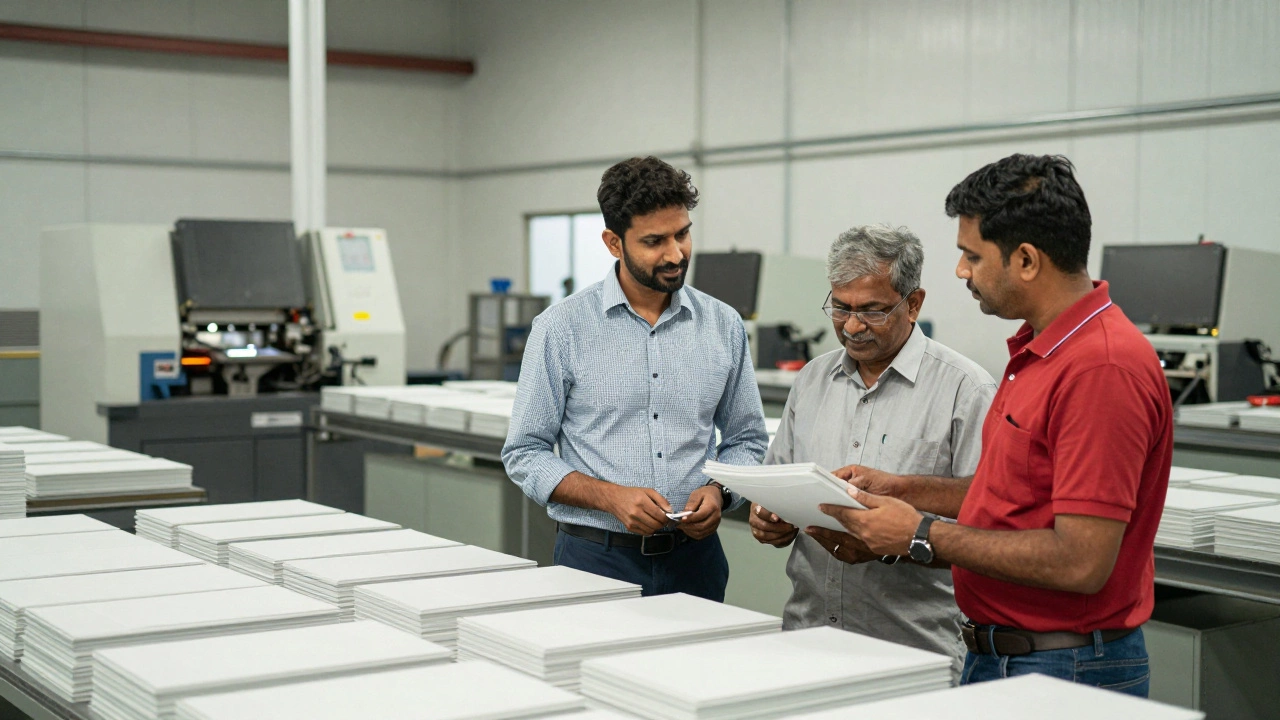
You don’t need to own a factory to manufacture products. Contract manufacturing allows you to outsource production to existing facilities. You provide the design and specifications; they handle the machinery and labor. This model drastically reduces upfront capital requirements.
Many small-scale manufacturers operate on a commission basis. You pay them only after the goods are produced and sold. This aligns incentives and reduces your financial burden. Research local workshops that have excess capacity. They are often willing to collaborate with startups to keep their machines running during off-peak hours.
Build a Strong Network and Pitch
Your network is your net worth. Attend industry meetups, trade shows, and online forums. Connect with experienced entrepreneurs who have walked the path you’re on. They can offer advice, introduce you to suppliers, or even invest small amounts. Angel investors look for passionate founders with clear plans, not just empty promises.
Prepare a compelling pitch deck that highlights your market opportunity, unique value proposition, and go-to-market strategy. Focus on traction-show evidence that people want your product. Even pre-orders count as traction. A strong narrative combined with data increases your chances of securing informal loans or micro-investments from friends, family, or acquaintances.
Minimize Costs Through Lean Operations
Every pound saved is a pound earned. Operate leanly from day one. Work from home if possible. Use free software for accounting, design, and marketing. Buy used equipment instead of new. Negotiate favorable terms with suppliers, such as net-30 payment cycles, where you pay 30 days after receiving goods. This improves cash flow significantly.
Avoid vanity metrics. Don’t spend money on fancy office spaces or expensive branding until you have consistent revenue. Reinvest profits back into the business to fuel growth. This disciplined approach ensures longevity and resilience against market fluctuations.
Can I really start a manufacturing business with absolutely zero money?
Yes, but it requires extreme creativity and hustle. You’ll likely start by selling services related to your field, pre-selling products, or partnering with existing manufacturers. True "zero" means no personal savings invested, but you will invest time and effort.
What are the best low-cost manufacturing ideas for beginners?
Ideas include handmade soaps, custom jewelry, printed t-shirts, assembled electronics kits, or processed foods like jams and pickles. These require minimal equipment and can be scaled gradually as revenue grows.
How do I find contract manufacturers willing to work with startups?
Search for local workshops with excess capacity. Attend trade shows and network with owners. Be transparent about your startup status and propose mutually beneficial terms, such as paying upon delivery or offering future volume commitments.
Are government grants easy to get for small businesses?
Not necessarily easy, but accessible. They require detailed applications and compliance with specific criteria. Success depends on thorough research, clear business plans, and alignment with government priorities like job creation or innovation.
What is the biggest mistake founders make when bootstrapping?
Spending too much too soon on non-essentials like branding, office space, or advanced technology before validating product-market fit. Focus on generating revenue first, then optimize operations.