
U.S. Steel Industry Snapshot (2026)
Total number of steelmaking facilities currently operating across the United States.
Percentage of U.S. steel produced from recycled scrap metal via Electric Arc Furnaces.
Remaining large-scale facilities using blast furnaces to process raw iron ore and coal.
Regional Production Leaders
Technology Shift
The industry has consolidated around two main technologies:
Processes raw materials (iron ore, coal). High capital cost, massive scale, fewer remaining plants.
Melts scrap steel. Cheaper, flexible, smaller footprint. Dominates new construction.
Future Outlook: Green Steel
Next-generation facilities are moving toward sustainability:
- Hydrogen-based Direct Reduction Iron (DRI)
- Renewable energy integration
- Carbon emission reduction targets
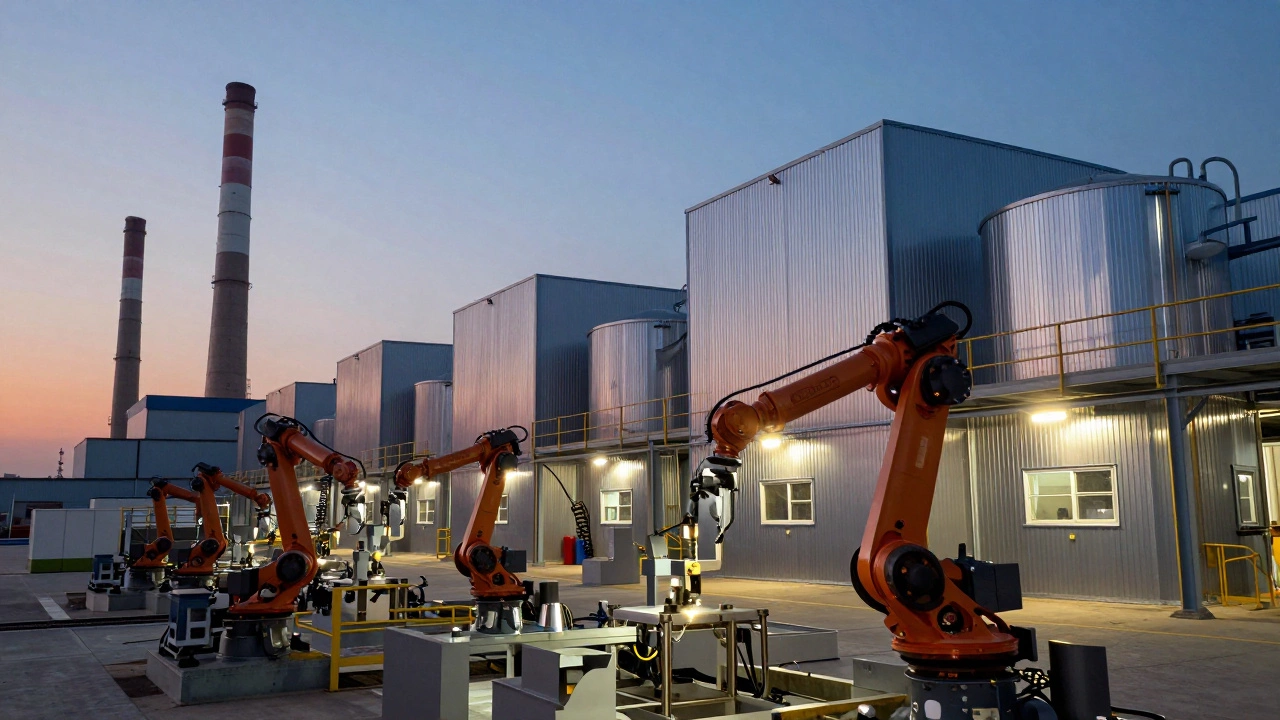
Walk through any industrial district in Pennsylvania or Ohio today, and you might expect to see smokestacks belching black clouds into the sky. Instead, you’ll likely find quiet, automated facilities humming with precision. The image of American steel has changed dramatically since the peak of the 20th century. But the question isn’t just about nostalgia; it’s about supply chain security, national defense, and economic resilience. So, how many steel plants are actually left in the United States?
The short answer is that while the number of facilities has dropped significantly from its historical high, the U.S. remains one of the top steel-producing nations globally. As of early 2026, there are approximately 40 to 50 active steelmaking facilities operating across the country. However, this number requires nuance. Not all these facilities are full-scale integrated mills. Many are smaller mini-mills focused on specific products like rebar or structural shapes. To understand the true state of American steel, we need to look beyond the raw count and examine the types of operations, their geographic distribution, and the forces reshaping the industry.
The Shift from Integrated Mills to Mini-Mills
To grasp why the number of plants has shrunk, you have to look at the technology behind them. For decades, the backbone of U.S. steel was the integrated steel mill. These massive complexes processed raw iron ore, coal, and limestone into crude steel using blast furnaces and basic oxygen furnaces. They were capital-intensive, required huge workforces, and dominated regions like Pittsburgh and Gary, Indiana.
Today, only a handful of these giants remain operational. Major players include U.S. Steel, Nucor, and Cleveland-Cliffs. Nucor, for instance, operates several large integrated facilities, but even they have diversified. The rise of the electric arc furnace (EAF) changed everything. EAFs melt down scrap steel to create new products. This process is cheaper, faster, and more flexible than traditional methods.
As a result, the industry consolidated. Smaller, inefficient integrated mills closed during the 1970s, 80s, and 90s. In their place, dozens of smaller EAF-based "mini-mills" sprang up. These plants don’t require the same scale as their predecessors. You can fit an EAF plant in a much smaller footprint. This shift explains why the total number of *facilities* might seem stable or even slightly increasing in some reports, while the number of *major integrated hubs* has plummeted. The average size of a remaining plant is larger and more efficient, but the sheer volume of small, local mills has decreased due to consolidation.
Geographic Distribution: Where Is Steel Made Today?
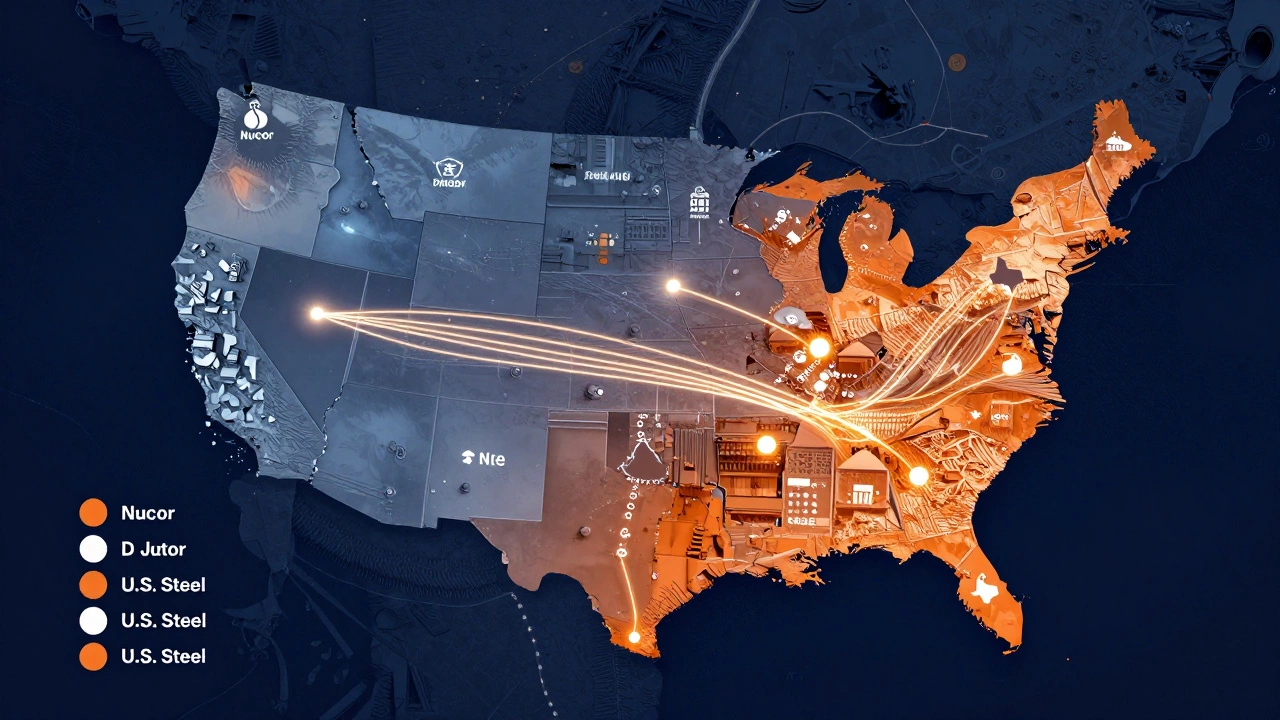
If you map out current steel production, the pattern is clear. The heartland of American steel is still the Midwest and the Rust Belt, but the focus has shifted. Pennsylvania, Ohio, and Indiana remain critical, hosting major integrated mills. However, significant growth has occurred in the South.
Texas and Alabama have become major steel hubs. Why? Proximity to ports for importing scrap metal and exporting finished goods, plus access to natural gas for energy-intensive processes. Nucor, the largest steel producer in the U.S., has heavily invested in Southern states. Their facility in Port Arthur, Texas, is one of the largest EAF plants in the world. Meanwhile, coastal states like New Jersey and California host smaller specialty mills catering to local construction and automotive needs.
| State | Dominant Mill Type | Key Companies | Primary Output |
|---|---|---|---|
| Pennsylvania | Integrated & EAF | U.S. Steel, Cleveland-Cliffs | Sheet steel, plate, beams |
| Texas | EAF | Nucor, Steel Dynamics | Rebar, structural shapes, pipe |
| Indiana | Integrated | Cleveland-Cliffs, U.S. Steel | Automotive sheet steel |
| Alabama | EAF | Nucor, AK Steel | Coated steel, automotive parts |
| Illinois | Integrated | U.S. Steel | Heavy plate, rail steel |
The Role of Scrap Metal and Recycling
A crucial detail often overlooked is that most U.S. steel today is made from recycled material. About 60-70% of steel produced in America comes from scrap. This reliance on recycling has two major implications. First, it makes the industry less dependent on domestic iron ore mining, which has declined sharply. Second, it ties the health of steel plants directly to the availability and quality of scrap metal.
This dynamic favors EAF plants over integrated mills. Integrated mills need high-quality coking coal and iron ore, both of which face supply chain vulnerabilities and environmental scrutiny. EAF plants can source scrap locally from demolition sites, car crushers, and industrial waste. This flexibility allows smaller plants to survive in areas where a giant blast furnace would be uneconomical. It also means that the "number of plants" is somewhat fluid. New EAF facilities can be built relatively quickly if demand spikes, whereas building a new integrated mill takes years and billions of dollars.
Challenges Facing Remaining Steel Plants
Despite being a global leader, the U.S. steel industry faces serious headwinds. Environmental regulations are tightening. The Environmental Protection Agency (EPA) has imposed stricter limits on emissions, forcing plants to invest heavily in pollution control technology. Some older facilities simply cannot afford these upgrades and have shut down.
Labor costs are another factor. While automation has reduced the workforce per ton of steel produced, skilled labor shortages persist. Finding welders, metallurgists, and maintenance technicians is harder than it was a decade ago. Additionally, competition from foreign producers-particularly China, India, and Vietnam-keeps pressure on prices. Even with tariffs, imported steel often undercuts domestic producers, especially in niche markets.
Energy costs also play a role. Steelmaking is energy-intensive. Fluctuations in natural gas and electricity prices can make or break a plant’s profitability. Regions with cheaper energy, like the Gulf Coast, have a distinct advantage over older plants in the Northeast facing higher utility rates.
The Future: Green Steel and Hydrogen
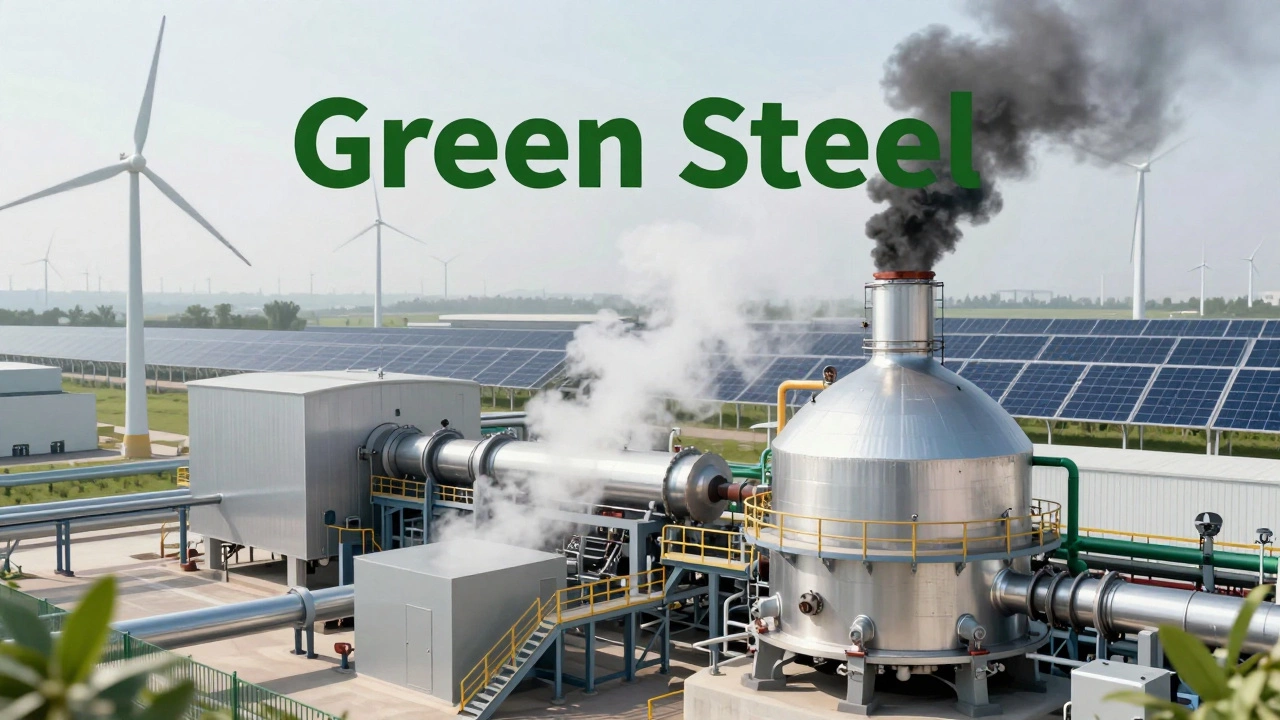
Looking ahead, the number of steel plants may not change drastically, but their technology will. The push toward green steel is gaining momentum. Traditional steel production emits vast amounts of carbon dioxide. New methods use hydrogen instead of coal to reduce iron ore, creating water vapor instead of CO2. Several pilot projects are underway, particularly in partnership with automakers who want to lower their carbon footprint.
Companies like Hydrogen Energy and major steel producers are investing in hydrogen-based direct reduction iron (DRI) plants. These facilities could replace some existing EAF setups in the coming decade. If successful, this transition could revitalize struggling regions by attracting new investment. However, it requires massive infrastructure changes, including access to renewable energy sources to produce green hydrogen.
For now, the U.S. maintains a robust network of roughly 40-50 steelmaking facilities. They are fewer in number than in the past, but more efficient, technologically advanced, and strategically located. The industry is no longer defined by smoke and sweat, but by data, automation, and sustainability. Understanding this shift is key to grasping the real strength of American manufacturing today.
How many integrated steel mills are left in the US?
There are approximately 10-12 major integrated steel mills still operating in the United States. These facilities use blast furnaces and basic oxygen furnaces to produce steel from raw materials. Most are owned by U.S. Steel, Nucor, and Cleveland-Cliffs.
Why did the number of steel plants decrease?
The decline is due to consolidation, technological shifts toward electric arc furnaces (EAF), and increased efficiency. Older, less efficient integrated mills closed because they couldn't compete with cheaper, more flexible mini-mills. Automation also reduced the need for large workforces.
Which states produce the most steel?
Pennsylvania, Texas, Indiana, Alabama, and Illinois are the top steel-producing states. Pennsylvania and Indiana host major integrated mills, while Texas and Alabama lead in EAF-based production due to lower energy costs and port access.
Is US steel production sustainable?
Sustainability is improving. About 60-70% of US steel is made from recycled scrap. New technologies like hydrogen-based direct reduction iron aim to eliminate carbon emissions. However, the industry still faces challenges with energy consumption and regulatory compliance.
What is the difference between an integrated mill and a mini-mill?
An integrated mill processes raw iron ore and coal into steel using blast furnaces. It requires massive infrastructure and capital. A mini-mill uses electric arc furnaces to melt scrap steel. Mini-mills are smaller, cheaper to build, and more flexible, allowing them to operate closer to customer markets.