
Small-Scale Manufacturing Suitability Calculator
Select the manufacturing sector you are most interested in to see a detailed breakdown of requirements, risks, and potential profitability.
3D Printing Services
Prototyping & Custom Parts
Very High GrowthEco-Packaging
Sustainable Materials
High DemandElectronics Assembly
PCB & IoT Devices
Tech NicheCustom Furniture
CNC Woodwork
Stable MarketKey Success Factors
Walking through the industrial estate here in Birmingham, you notice a shift. The massive, smoke-belching factories of the past are giving way to smaller, cleaner units humming with precision. You might be asking yourself: what is the most in-demand manufacturing sector right now? It isn’t about building cars or steel beams anymore. For the small-scale entrepreneur, the money and the opportunity lie in agility, customization, and sustainability.
In 2026, the global supply chain is still recovering from years of disruption. Big corporations are realizing that relying on a single factory halfway across the world is risky. They want suppliers who can react quickly, produce in smaller batches, and use less waste. This is your opening. If you have limited capital and space, you don't need to compete with giants. You need to outmaneuver them by focusing on niches they ignore.
The Rise of Additive Manufacturing and Prototyping
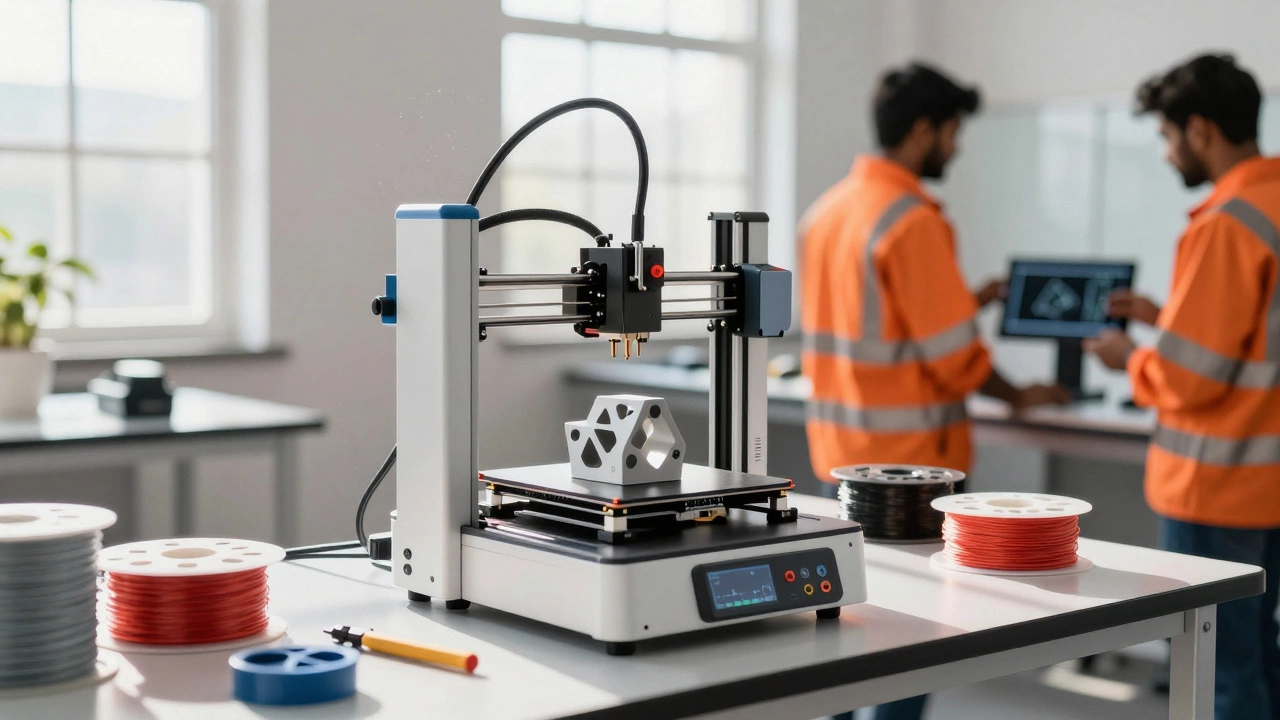
If there is one technology that has democratized manufacturing, it is 3D Printing, also known as Additive Manufacturing. It allows you to create complex parts layer by layer without expensive molds or tooling. For small businesses, this is a game-changer because the barrier to entry is incredibly low. A high-end industrial printer costs tens of thousands, but a reliable desktop unit for prototyping or small-batch production can be found for under £1,000.
The demand here is driven by three sectors: medical devices, aerospace components, and custom consumer goods. Hospitals need patient-specific surgical guides; engineers need rapid prototypes before committing to mass production. You can set up a service bureau where local designers send you their CAD files, and you print the parts overnight. The key attribute here is speed. Traditional CNC machining might take days for setup; 3D printing takes minutes.
- Low Inventory Risk: You only produce when an order comes in.
- Customization: Every part can be unique without extra cost.
- Material Variety: From biodegradable PLA plastics to durable nylon and even metal powders.
However, don't just buy a printer and wait for customers. You need to understand post-processing. A raw print often requires sanding, painting, or assembly. Offering a finished product adds significant value compared to just handing over a rough prototype.
Sustainable Packaging Solutions
Plastic pollution is no longer a distant threat; it’s a regulatory nightmare. Across Europe and much of the world, bans on single-use plastics are tightening. This creates a massive vacuum in the packaging industry. Eco-friendly Packaging is not just a trend; it is a necessity for any brand selling physical goods. Small-scale manufacturers can step in here by producing paper-based alternatives, mushroom mycelium packaging, or compostable cutlery.
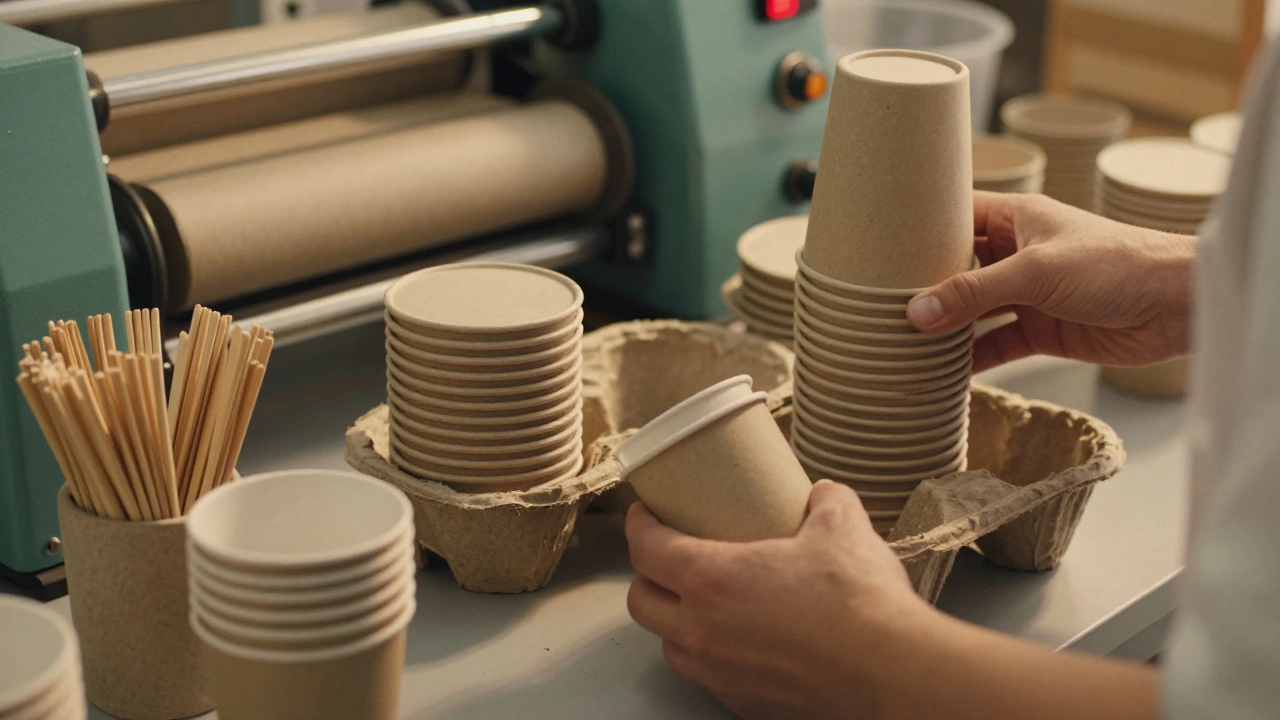
Consider the logistics of starting a paper cup or food container line. The machinery for corrugated cardboard forming or paper molding is relatively affordable compared to plastic injection molding. More importantly, the raw materials-waste paper, agricultural residue-are cheap and locally sourced. This reduces your carbon footprint and your shipping costs.
Local restaurants and grocery stores are desperate for suppliers who can deliver small quantities of branded, sustainable packaging. Big packaging plants often have minimum order quantities (MOQs) of 50,000 units, which crushes small businesses. By setting MOQs at 500 or 1,000, you capture a market segment that is currently underserved. The profit margins here are healthy because customers pay a premium for compliance and branding.
| Sector | Initial Investment | Skill Requirement | Market Growth |
|---|---|---|---|
| 3D Printing Services | Low (£1k - £5k) | High (CAD knowledge) | Very High |
| Eco-Packaging | Medium (£10k - £30k) | Medium (Operations) | High |
| Custom Furniture | Medium (£5k - £20k) | High (Craftsmanship) | Stable |
| Electronics Assembly | Low (£2k - £8k) | High (Technical) | Moderate |
Niche Electronics and IoT Devices
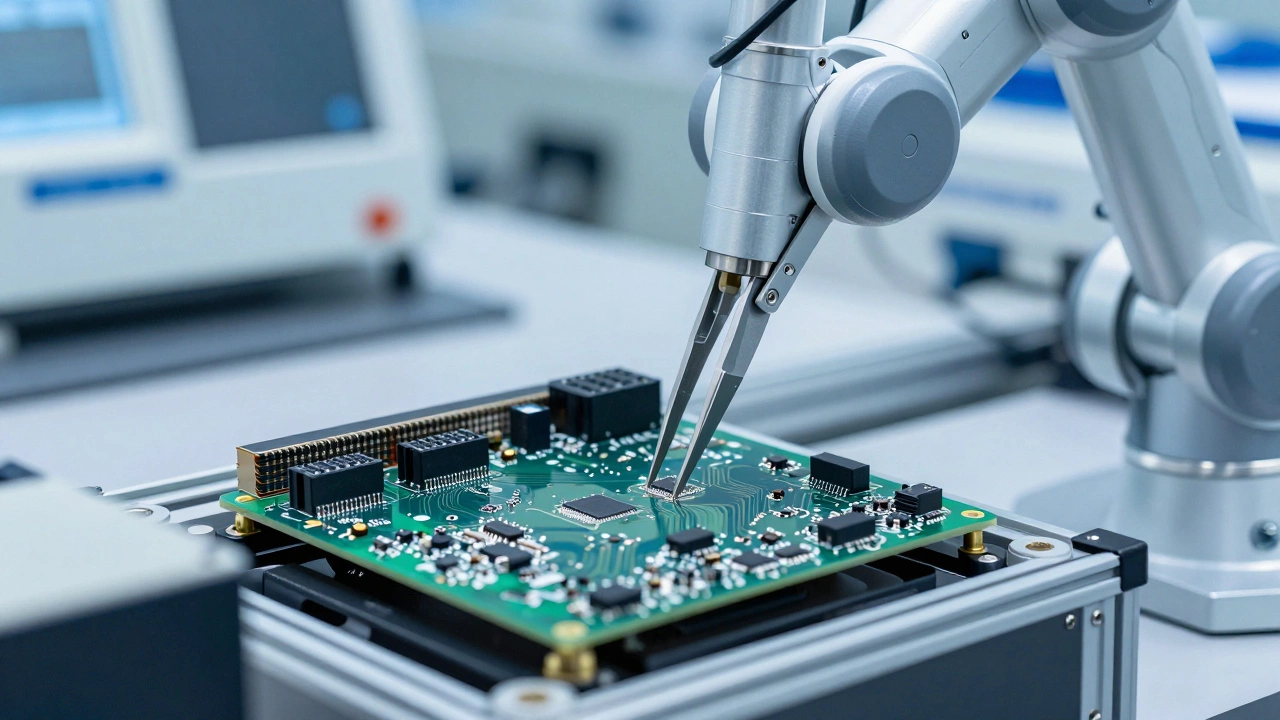
We live in a connected world, and the Internet of Things (IoT) is expanding into every corner of life. Smart homes, wearable health monitors, and automated agricultural sensors are all booming. However, big tech companies focus on the software and the final consumer device. They outsource the hardware assembly. This is where PCB Assembly (Printed Circuit Board) services come in.
You don’t need to design the chips. You need to assemble them. With Surface Mount Technology (SMT) pick-and-place machines becoming more affordable for small batches, you can offer quick-turn PCB assembly for startups and inventors. These innovators often struggle to get quotes from large contract manufacturers who prioritize orders of 10,000+ units. If you can handle orders of 50 to 500 units efficiently, you become invaluable.
This sector requires precision and cleanliness. Your workspace needs to be static-free, and your quality control must be rigorous. But the margins are excellent because you are solving a critical bottleneck for tech developers. Additionally, repairing and refurbishing specialized electronic equipment is another angle. As electronics become more complex, fewer people know how to fix them. Offering repair services for industrial sensors or medical devices can be a lucrative side-stream to your assembly business.
Custom Woodwork and Modular Furniture
Furniture manufacturing is an old industry, but the approach is new. People are tired of flat-pack furniture that falls apart after two years. There is a growing desire for durable, bespoke pieces that fit specific spaces. CNC Routing has revolutionized woodworking. A CNC router can cut intricate designs into wood, MDF, or acrylic with computer-perfect accuracy.
For a small workshop, this means you can produce consistent quality without needing a team of master carpenters. You can focus on modular furniture systems-shelves, desks, and storage units that customers can configure online. The "made-to-order" model eliminates inventory waste. You only cut the wood when the customer pays.
The key here is material sourcing. Using reclaimed wood or sustainably certified timber appeals to environmentally conscious buyers. You can charge a premium for these stories. Also, consider the local angle. Shipping heavy furniture is expensive. By serving your local region, you reduce delivery costs and appeal to customers who want to support local makers. The integration of smart features, like built-in wireless charging pads in desks, bridges the gap between traditional craftsmanship and modern tech needs.
Food Processing and Specialty Ferments
People are always eating, but they are eating differently. The demand for clean-label, organic, and functional foods is skyrocketing. Specialty Food Production is a fantastic entry point for small-scale manufacturing because regulations for cottage industries are often lighter than for chemical or electronics manufacturing.
Think beyond basic jam. Look at fermented foods like kombucha, kimchi, or miso paste. These products require time rather than expensive machinery. The process is simple: ingredients, temperature control, and patience. The value lies in the recipe and the branding. You can start in a licensed kitchen and scale up to a dedicated facility as demand grows.
Another hot area is plant-based protein alternatives. Making textured vegetable protein or mock meats requires extrusion technology, which is available in smaller scales now. The market is crowded with big brands, but they often rely on highly processed ingredients. A small manufacturer can differentiate by using whole-food ingredients and transparent sourcing. Local farmers' markets and independent grocery stores are eager to stock unique, locally produced food items that stand out from supermarket shelves.
Key Factors for Success in 2026
Choosing the right sector is only half the battle. To succeed in small-scale manufacturing today, you must adhere to a few non-negotiable principles.
- Digital Integration: Your manufacturing process should be tracked digitally. Use simple ERP software to manage inventory, orders, and production schedules. Manual spreadsheets lead to errors and lost sales.
- Sustainability Reporting: Buyers, especially B2B clients, will ask about your carbon footprint. Be prepared to show how you minimize waste and energy usage. This is no longer optional; it’s a competitive advantage.
- Agility: Your ability to change product lines quickly is your greatest asset. If a material becomes scarce, can you switch to an alternative? If a trend shifts, can you retool within weeks?
- Direct-to-Consumer Channels: Don’t rely solely on wholesalers. Build a direct relationship with your end-users through e-commerce. This gives you higher margins and valuable feedback data.
The landscape of manufacturing is shifting from volume to value. You don’t need to be the biggest player in the room. You need to be the most responsive, the most sustainable, and the most innovative. Whether you choose to print prosthetics, package salads, or assemble smart sensors, the common thread is solving immediate, local problems with efficient, clean technology.
What is the lowest cost manufacturing business to start?
Service-based manufacturing like 3D printing or custom laser cutting often has the lowest startup costs. You can begin with a single machine costing under £2,000 and operate from a garage or home office. The primary investment is in learning CAD software and marketing your services, rather than buying raw materials in bulk.
Is small-scale manufacturing profitable in 2026?
Yes, it can be highly profitable if you target niche markets. Large manufacturers struggle with small batch sizes and customization. By offering personalized products, rapid turnaround times, and sustainable practices, small manufacturers can command premium prices and maintain healthy margins despite lower volumes.
Do I need a factory for small-scale manufacturing?
Not necessarily. Many small manufacturers operate from workshops, shared maker spaces, or even residential properties (depending on local zoning laws). The key is having adequate power supply, ventilation, and safety measures. Shared industrial spaces are increasingly popular as they reduce overhead costs and provide networking opportunities.
Which manufacturing sector has the highest growth potential?
Additive manufacturing (3D printing) and eco-friendly packaging are seeing the fastest growth. Driven by technological advancements and strict environmental regulations respectively, these sectors offer significant opportunities for new entrants who can adapt quickly to changing demands and regulatory landscapes.
How do I find customers for my small manufacturing business?
Start locally. Attend trade shows, join local business networks, and partner with complementary businesses. Online platforms like Etsy, Amazon Handmade, or specialized B2B marketplaces can also help reach a broader audience. Building a strong social media presence showcasing your production process helps build trust and attract customers interested in transparency and quality.