
Plastic Decomposition Timeline Estimator
Select a plastic type and environmental condition to estimate its decomposition timeline. This tool helps manufacturers and consumers understand the long-term environmental footprint of common polymers.
Choose a plastic and environment above to see the estimated timeline.
Estimated Time
Loading...Comparison with Other Plastics (Same Environment)
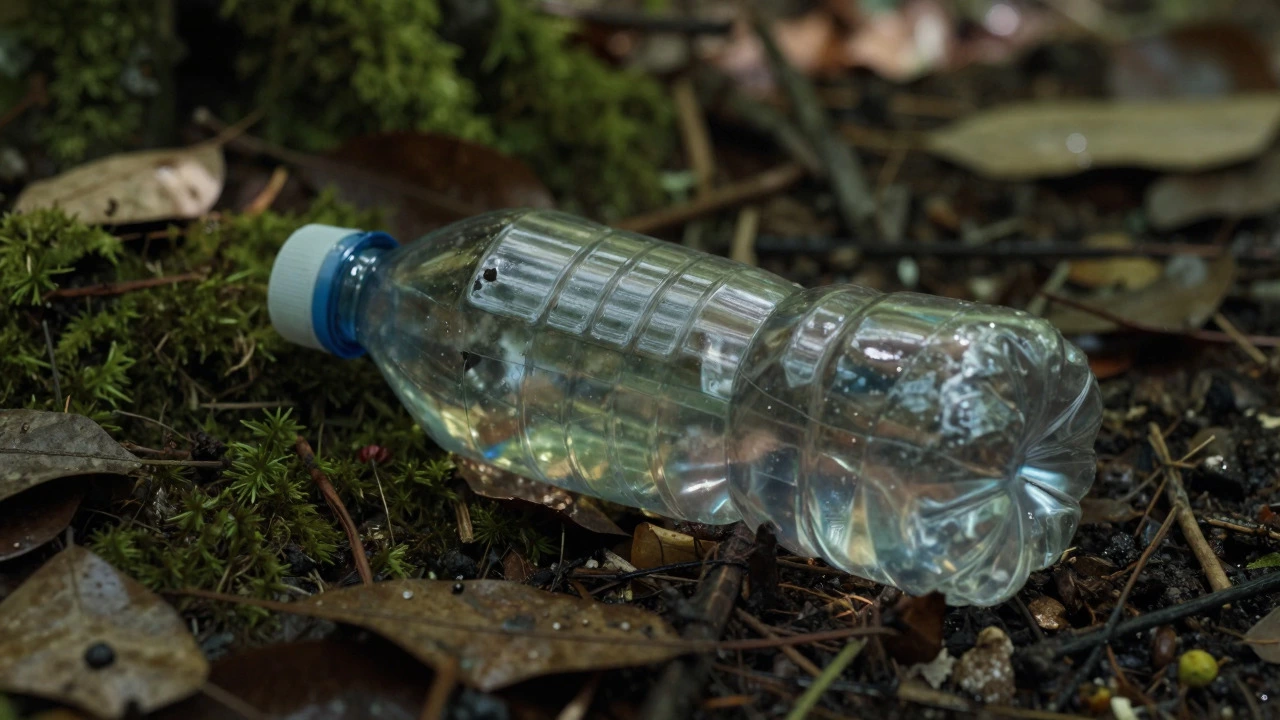
Imagine a single plastic bottle sitting in a forest. It looks the same today as it did ten years ago. But under the surface, a slow chemical breakdown is happening. For plastic manufacturing companies, understanding this timeline isn't just an academic exercise; it's a critical factor in product design, liability, and brand reputation. The answer to how long plastic lasts depends entirely on the type of polymer, the environment it’s in, and whether it’s exposed to sunlight or buried underground.
The Core Truth: It Depends on the Polymer
There is no single number for plastic decomposition. Different plastics have different molecular structures that break down at vastly different rates. When we talk about "decomposition," we are usually referring to two distinct processes: photodegradation (breaking down due to UV light) and biodegradation (being consumed by microorganisms). Most conventional plastics resist both.
Polyethylene Terephthalate (PET), commonly used in beverage bottles, is one of the most persistent. In a landfill with little oxygen and light, a PET bottle can take between 450 and 1,000 years to fully disintegrate into its original monomers. However, if left in a sunny field, UV radiation weakens the polymer chains, causing the material to become brittle and crack within 10 to 20 years. Once cracked, wind and rain turn it into smaller fragments, but these microplastics persist for centuries.
High-Density Polyethylene (HDPE), found in milk jugs and detergent containers, follows a similar pattern. Studies suggest HDPE takes approximately 300 to 500 years to degrade completely in natural environments. Its dense structure makes it resistant to microbial attack, meaning it doesn't rot like organic matter. Instead, it slowly erodes physically.
Environmental Factors That Speed Up or Slow Down Decay
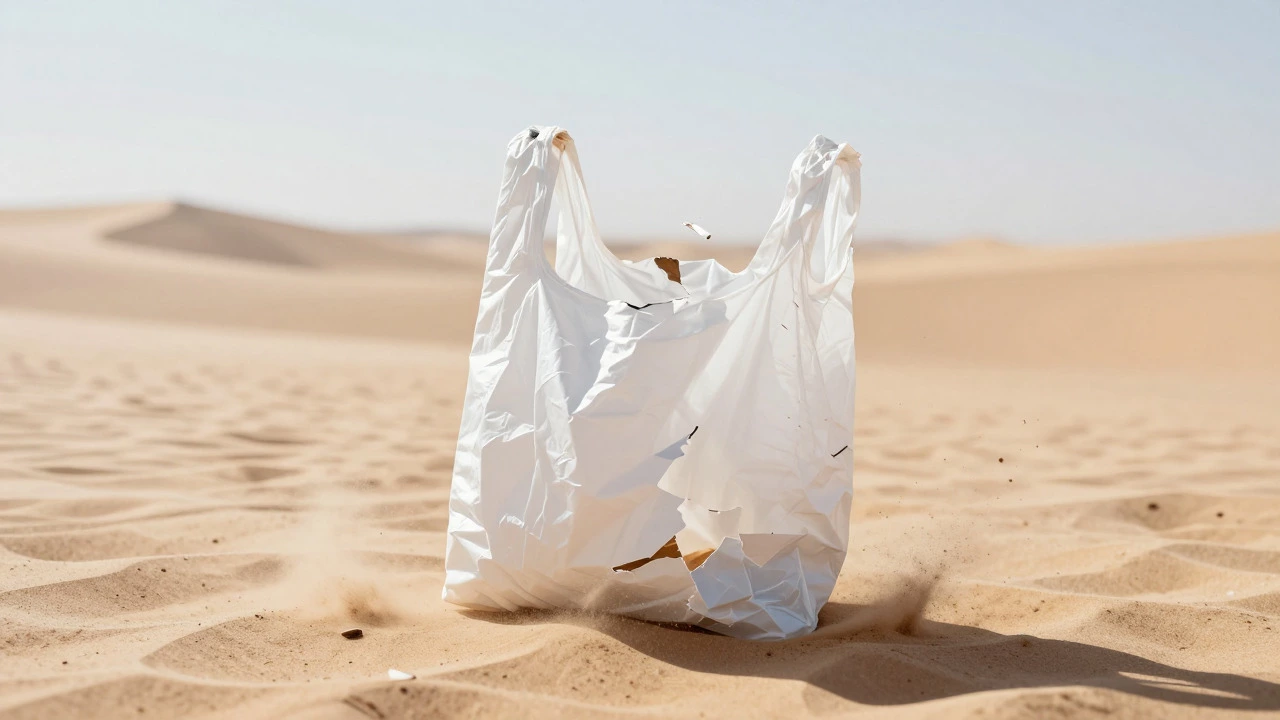
Location matters more than people think. A plastic bag in the ocean degrades differently than one in a desert. Saltwater, temperature fluctuations, and wave action accelerate physical fragmentation. In the deep ocean, where pressure is high and temperatures are low, degradation slows significantly. Conversely, in hot, dry climates with intense UV exposure, surface-level plastics can fragment faster, though they still don't truly "disappear"-they just get smaller.
Oxygen availability is another key variable. In aerobic conditions (with oxygen), some specialized bacteria can begin breaking down certain plastics, but the process is glacial. In anaerobic landfills, where oxygen is scarce, the process is even slower. This is why modern waste management strategies focus less on waiting for nature to handle the problem and more on mechanical recycling or energy recovery.
Microplastics: The Hidden Problem
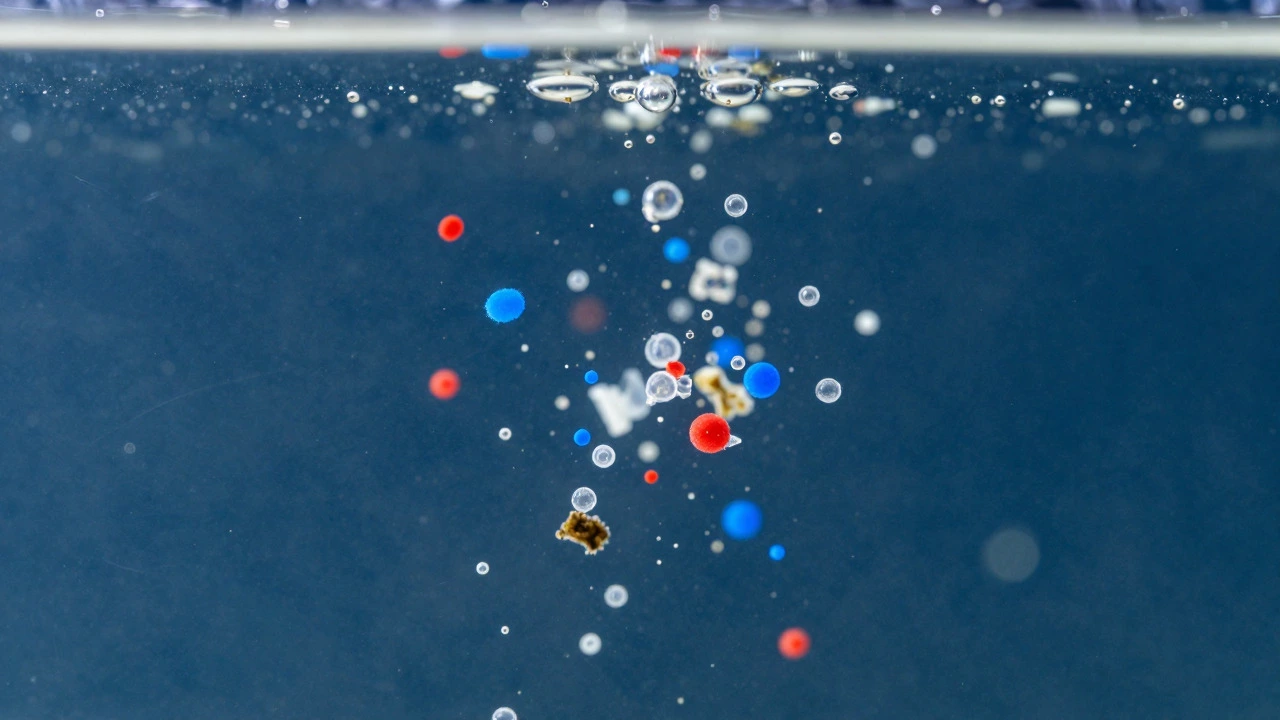
Even when a plastic item appears to be gone, it hasn't vanished. It has transformed into microplastics, particles smaller than 5 millimeters. These tiny fragments end up in soil, waterways, and even the air. For manufacturers, this is a growing concern because microplastics can leach additives like phthalates and bisphenol A into the environment. Recent research indicates that microplastic contamination is now detectable in remote Arctic ice cores, proving that these materials travel far from their source.
The persistence of microplastics means that the "lifespan" of a plastic product extends well beyond the visible object. A shopping bag might look gone after a few decades, but its constituent polymers will likely remain in the ecosystem for hundreds of years longer. This reality pushes the industry toward designing products that are either easily recyclable or made from certified compostable materials.
Comparison of Common Plastics and Their Degradation Times
To give you a clearer picture, here is a breakdown of how long common plastics take to decompose under typical environmental conditions. Note that these are estimates based on current scientific consensus, as exact timelines vary by specific formulation and location.
| Plastic Type | Common Uses | Estimated Decomposition Time | Primary Breakdown Mechanism |
|---|---|---|---|
| PET (Polyethylene Terephthalate) | Bottles, Packaging | 450 - 1,000 years | Photodegradation, Oxidation |
| HDPE (High-Density Polyethylene) | Milk Jugs, Pipes | 300 - 500 years | Physical Fragmentation |
| LDPE (Low-Density Polyethylene) | Shopping Bags, Cling Wrap | 100 - 500 years | UV Exposure, Wind Erosion |
| PP (Polypropylene) | Food Containers, Straws | 200 - 500 years | Thermal Oxidation |
| PS (Polystyrene) | Cups, Foam Packing | 500+ years | Physical Fragmentation |
| PVC (Polyvinyl Chloride) | Pipes, Flooring | 100+ years | Additive Leaching, Cracking |
What This Means for Manufacturers
For businesses in the plastic sector, knowing these timelines changes the conversation around sustainability. Consumers are increasingly aware that "recyclable" doesn't mean "disappearing." They want to know what happens to their packaging after use. Companies that invest in bioplastics or design for circularity are positioning themselves ahead of regulatory changes.
Regulations in the European Union and parts of Asia are starting to mandate extended producer responsibility (EPR), which holds manufacturers accountable for the end-of-life phase of their products. If your product takes 500 years to break down, the cost of managing that waste could eventually fall back on your company through taxes or fees. Designing for shorter lifespans or easier recyclability reduces this risk.
Additionally, transparency builds trust. Labeling products with clear information about their material composition and expected environmental footprint helps consumers make informed choices. This isn't just marketing fluff; it's a practical response to a real ecological challenge.
Frequently Asked Questions
Does plastic ever truly disappear?
Technically, yes, but it takes centuries. Eventually, all carbon-based molecules break down into simpler compounds. However, in practical terms, plastic persists as microplastics for hundreds of years, making it seem permanent in human timescales.
Is biodegradable plastic better for the environment?
It depends on the disposal method. True biodegradable plastics need industrial composting facilities to break down quickly. If thrown in a regular landfill, they may not decompose any faster than conventional plastics. Always check the certification label.
How does sunlight affect plastic degradation?
Sunlight, specifically UV radiation, causes photodegradation. It breaks the chemical bonds in the polymer chain, making the plastic brittle and prone to cracking. This speeds up physical fragmentation but doesn't eliminate the material entirely.
Why do some plastics last longer than others?
The molecular structure determines durability. Plastics with strong, stable carbon-carbon bonds and high density, like HDPE, resist microbial and chemical attack more effectively than those with weaker links or lower density.
What role do microplastics play in environmental health?
Microplastics can absorb pollutants from the water or soil and carry them into the food chain. They have been found in fish, birds, and humans. While the full health impact is still being studied, their persistence and widespread presence are major concerns for public health officials.