
Food Processing Unit Planner
Enter your production details to see:
- • Likely Scale Tier
- • Key Regulatory Requirements
- • Critical Operational Zones
- • Estimated Capital Investment Range
You walk into a supermarket, grab a jar of jam, a packet of chips, or a carton of milk, and toss it into your basket. It seems simple. But behind that shelf sits a complex web of food processing units. These are the facilities where raw agricultural produce transforms into the packaged goods we consume daily. Understanding what these units actually are-and how they differ-helps you grasp why some food costs pennies while others command premium prices.
Most people think of "the food industry" as one giant machine. It isn't. It's a spectrum ranging from a single person boiling tomatoes in a backyard shed to massive automated factories producing thousands of tonnes per day. The unit of measurement here isn't just weight; it's scale, technology, and regulatory burden. If you're looking to start a business, invest, or simply understand your supply chain, you need to know which type of unit does what.
Defining the Food Processing Unit
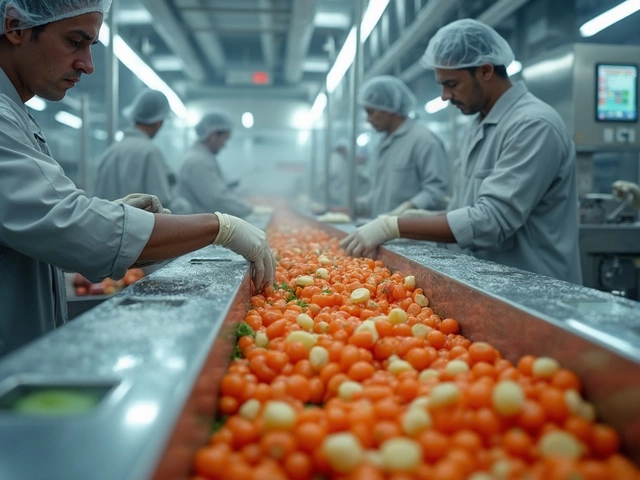
A food processing unit is any facility where raw ingredients undergo physical, chemical, or biological changes to become edible products with extended shelf life or improved taste. This definition covers everything from washing and cutting vegetables to fermenting cheese or pasteurizing juice. The core function is value addition. Raw wheat is cheap; flour is more valuable; bread is even more so. Each step requires specific equipment, labor, and hygiene protocols.
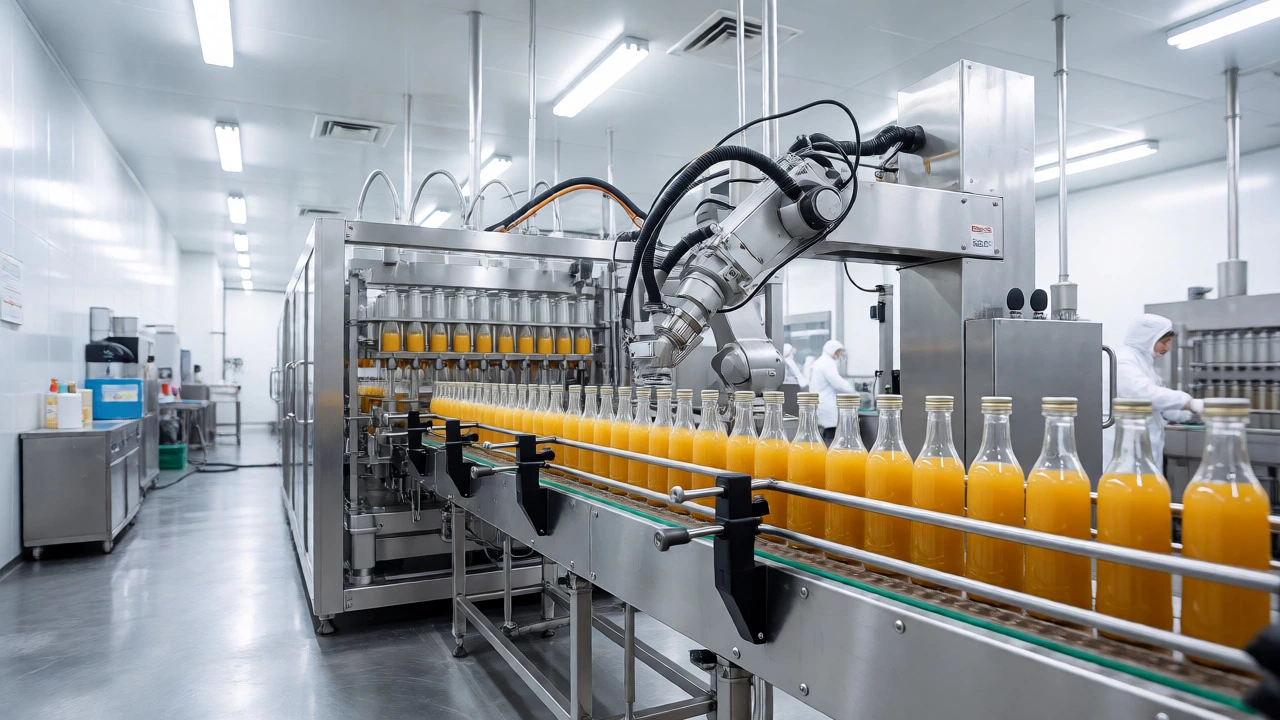
These units are classified based on three main factors: production capacity, level of automation, and product complexity. A small unit might hand-pack spices, while a large unit uses robotic arms to fill bottles at 10,000 units per hour. The distinction matters because regulations, capital investment, and market reach vary wildly between them.
The Three Tiers of Production Scale
Industry experts generally divide food processing into three distinct tiers. Knowing where a unit falls helps predict its operational challenges.
1. Micro and Small-Scale Units (MSMEs)
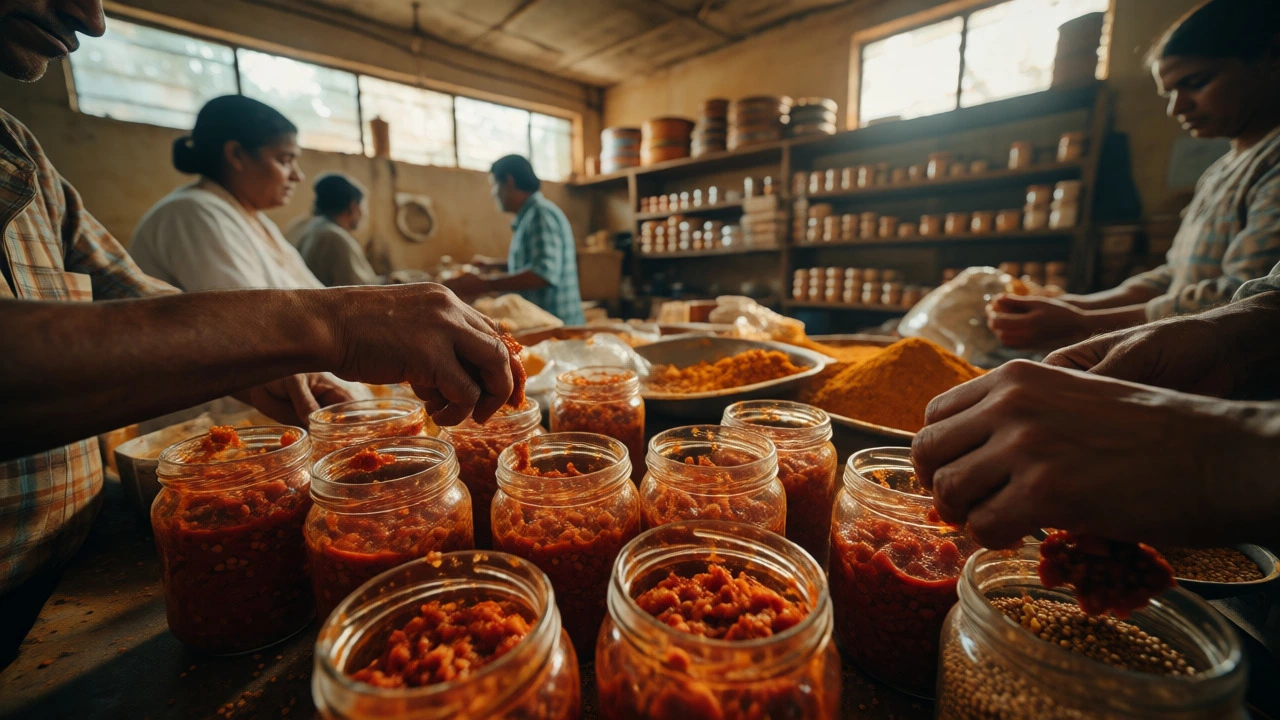
These are the backbone of local economies. Think of a family-run bakery, a small pickle maker, or a local dairy cooperative. In the UK, many of these operate under cottage industry rules initially. They rely heavily on manual labor and semi-automated tools. Their advantage? Agility. They can switch recipes quickly and cater to niche markets like gluten-free or organic. However, they struggle with consistency and scaling. One bad batch can ruin their reputation because they lack the buffer stock large players have.
2. Medium-Scale Enterprises
This tier bridges the gap. These units often specialize in one product category, such as frozen vegetables or bottled sauces. They use industrial-grade machinery but still require significant human oversight. For example, a medium-sized juice plant might use an automated press but rely on staff for quality checks and packaging adjustments. They face high pressure to meet strict HACCP (Hazard Analysis Critical Control Point) standards without the massive IT infrastructure of giants.
3. Large-Scale Industrial Plants
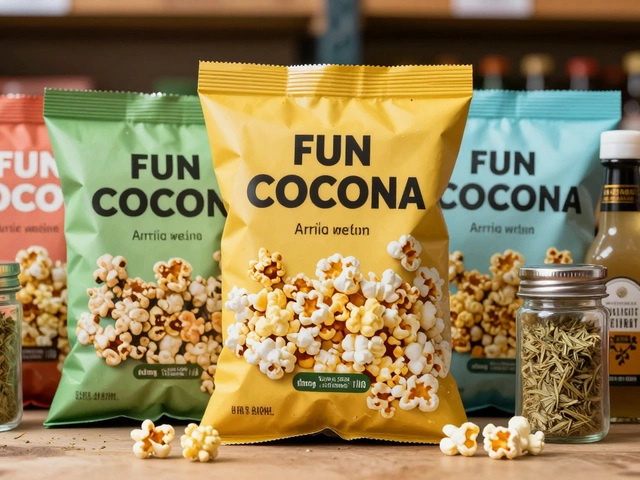
These are the heavyweights. Companies like Nestlé, Unilever, or Arla Foods run these facilities. They process millions of tonnes annually. Automation is near-total. Robots handle filling, sealing, and palletizing. The focus here is efficiency and uniformity. A single chocolate bar from a large plant tastes identical to one produced six months ago. The downside? Rigidity. Changing a product line takes months of retooling and planning.
| Feature | Micro/Small Scale | Medium Scale | Large Scale |
|---|---|---|---|
| Primary Labor | Manual/Semi-skilled | Skilled/Machine Operators | Automated/Engineers |
| Capital Investment | Low (<£50k) | Moderate (£50k-£5M) | High (>£5M) |
| Product Variety | High/Niche | Moderate | Low/Mass Market |
| Regulatory Burden | Basic Hygiene | Full HACCP/Food Safety Act | Global Standards (ISO/BRC) |
Key Functional Zones Within a Unit
Regardless of size, every compliant food processing unit shares similar functional zones. You can't just throw raw meat into a room and hope for the best. The layout dictates safety.
- Receiving and Storage: Raw materials arrive here. Temperature control is critical. Cold storage for perishables must maintain below 4°C (39°F) to prevent bacterial growth. Dry goods need humidity control to avoid mold.
- Preparation Area: Washing, peeling, cutting, and mixing happen here. Cross-contamination risks peak in this zone. Separate areas for allergens (like nuts or gluten) are mandatory in many jurisdictions.
- Processing Core: This is where heat treatment, fermentation, or assembly occurs. Pasteurizers, ovens, and mixers dominate this space. Energy consumption is highest here.
- Packaging Line: Products are wrapped, labeled, and boxed. Modern lines integrate coding machines that print expiry dates directly onto packaging. Speed is key to matching production output.
- Dispatch and Logistics: Finished goods move to warehouses. For chilled items, this area acts as a buffer before transport. Efficient routing here reduces spoilage during transit.
Regulatory Landscape and Compliance
If you're operating in the UK or Europe, compliance isn't optional-it's survival. The Food Safety Act 1990 sets the baseline, requiring all businesses to ensure food is safe for human consumption. But that's just the start.
Most commercial units must implement a HACCP system. This involves identifying hazards (biological, chemical, physical) and setting critical control points. For instance, cooking chicken to an internal temperature of 75°C is a CCP. If it drops below, the batch fails. Inspectors from the Food Standards Agency (FSA) conduct unannounced visits. A poor rating (below 3 stars out of 5) can scare away retailers.
Larger exporters also need certification like BRCGS (Brand Reputation Compliance Global Standards). Retailers like Tesco or Sainsbury's rarely buy from suppliers without this. It proves your factory meets international hygiene and quality benchmarks. Smaller units often skip this until they try to enter major chains, then scramble to upgrade facilities.

Trends Shaping Modern Food Units
The industry isn't static. Several trends are reshaping how units operate today.
Sustainability Pressures: Waste reduction is no longer just ethical; it's financial. Water usage in cleaning processes is being optimized with recycling systems. Packaging shifts toward biodegradable materials, forcing units to retrofit sealing machines compatible with new plastics.
Digitalization: IoT sensors now monitor temperature and humidity in real-time. If a fridge fails at 3 AM, managers get an alert immediately rather than discovering spoiled stock at morning shift. Predictive maintenance alerts engineers before a conveyor belt breaks down, preventing costly downtime.
Clean Label Demand: Consumers want fewer additives. This forces processors to simplify formulations. Removing preservatives means shorter shelf lives, requiring faster logistics and smaller batch sizes. Small units often adapt faster to this trend than giants locked into long-term ingredient contracts.
Choosing the Right Model for Your Goals
So, which unit structure fits your needs? If you're an entrepreneur testing a concept, start micro. Use shared kitchen spaces to keep overheads low. Validate demand before buying expensive machinery. Once you hit consistent sales, consider leasing a small industrial unit.
For established brands looking to expand, co-packing (contract manufacturing) is a smart move. Instead of building a new factory, you hire an existing medium-scale unit to produce your goods. This saves capital expenditure and lets you focus on marketing. Many successful beverage brands started this way.
Investors should look at medium-scale units specializing in high-margin niches like plant-based proteins or ready-to-eat meals. These sectors are growing rapidly, and mid-sized players are agile enough to capture market share before big corporations fully pivot.
What is the minimum legal requirement to open a food processing unit?
In the UK, you must register your premises with the local authority at least 28 days before trading. You also need a documented food safety management system based on HACCP principles. Insurance for public liability is practically essential, though not strictly statutory in all cases, most retailers require it.
How much does it cost to set up a small food processing unit?
Costs vary widely by product. A basic artisanal bakery might cost £20,000-£40,000 including ovens and fit-out. A specialized sauce bottling line could range from £50,000 to £150,000 depending on automation levels. Always budget 20% extra for unexpected compliance upgrades.
Can I run a food processing unit from home?
Yes, but restrictions apply. Home kitchens usually fall under lower-risk categories unless you handle high-risk foods like cooked meats or dairy. You may need separate storage and preparation areas if selling to cafes or shops. Check with your local council regarding planning permission and domestic rates implications.
What certifications boost credibility for small units?
While not always mandatory, obtaining a Level 3 Award in Supervising Food Safety demonstrates competence. Voluntary schemes like Soil Association Organic or Red Tractor Assurance can significantly increase retail acceptance, especially for fresh produce and meat products.
How do large units manage energy costs?
They invest in energy recovery systems. Heat generated from cooling compressors is often reused to preheat water for cleaning. Solar panels on large roof spaces offset daytime electricity use. Regular audits identify leaks in compressed air systems, which are common hidden energy drains.