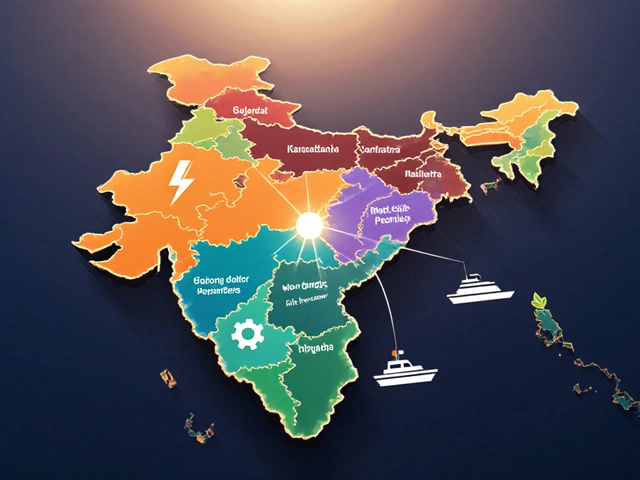

Indian Chemical Sector Explorer
Click on a company card below to view detailed insights into their operations, key strengths, and market positioning within the Indian chemical landscape.
Reliance Industries
PetrochemicalsLargest by Revenue & Volume
SRF Ltd
Specialty ChemTop Tier Specialty Player
Deepak Nitrite
AromaticsLeader in Phenol/Acetone
UPL Ltd
AgrochemicalsGlobal Pesticide Leader
Gujarat Fluoro
FluoropolymersNiche Tech Player
Select a company above to see detailed analysis.
You’re probably wondering who actually runs the show when it comes to making chemicals in India. Is it the giant conglomerate everyone knows for oil? Or is it a specialized player quietly dominating niche markets? The answer isn’t as simple as picking one name from a stock ticker, because "largest" can mean different things depending on whether you’re looking at revenue, production volume, or market capitalization.
But if we look at sheer scale, financial power, and integrated infrastructure, Reliance Industries Limited is widely recognized as the largest chemical manufacturer in India. It’s not just about size; it’s about how they weave petrochemicals into everything from polyester clothes to industrial plastics. However, the landscape is shifting. While Reliance holds the crown for bulk commodities, other players like SRF Ltd and Deepak Nitrite are carving out massive territories in high-value specialty chemicals. Let’s break down who these giants are, why Reliance takes the top spot, and what else you need to know about this booming sector.
Why Reliance Industries Tops the List
When people ask who the biggest chemical maker is, they usually mean who has the most money flowing through their chemical division. That’s Reliance. Their refining and marketing segment, which includes petrochemicals, generates tens of billions of dollars in revenue annually. But calling them just a "chemical company" misses the point. They are an integrated energy-to-chemicals powerhouse.
Their Jamnagar complex in Gujarat is often cited as the largest refining complex in the world. This facility doesn’t just refine crude oil; it converts it into ethylene, propylene, and aromatics-the building blocks for almost every plastic product you touch. Because they control the entire chain from crude oil to finished polymer, they have cost advantages that smaller competitors simply can’t match. If you buy a plastic water bottle, there’s a good chance the raw material came from Reliance’s plants.
It’s important to note that Reliance’s dominance is heavily tied to petrochemicals. This is a specific type of chemical manufacturing derived from petroleum. If your interest lies strictly in agrochemicals or pharmaceutical intermediates, Reliance might not be the first name that pops up, even though they are the financial heavyweight.
Beyond Bulk: The Rise of Specialty Chemicals
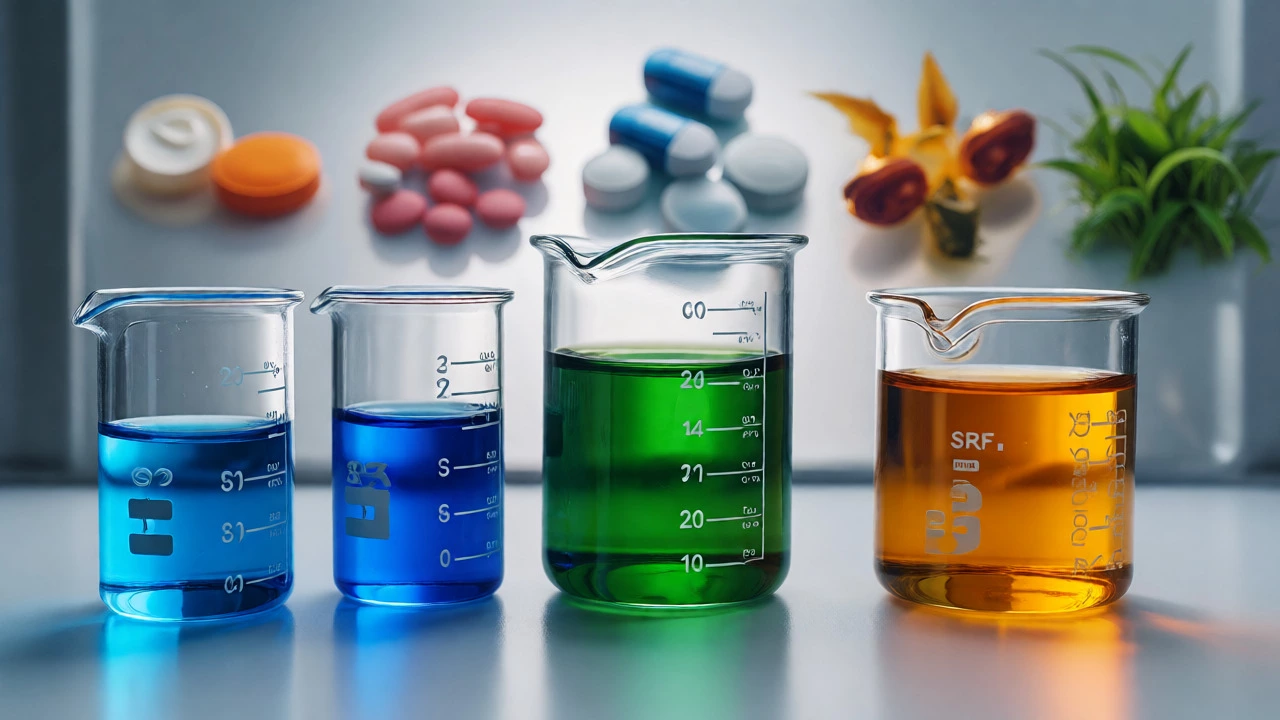
Here’s where it gets interesting. While Reliance wins on volume and total revenue, the fastest-growing segment in India isn’t bulk petrochemicals-it’s specialty chemicals. These are high-performance products used in small quantities but critical for end-use applications, like additives for paints, ingredients for cosmetics, or active ingredients for medicines.
Companies like UPL Limited (United Phosphorus Limited) are global leaders in crop protection chemicals. UPL is actually one of the largest generic pesticide manufacturers in the world, not just in India. They don’t compete with Reliance on plastic pellets; they compete on helping farmers grow more food. Similarly, Pidilite Industries dominates the adhesives and construction chemicals space. You’ve likely seen their Fevicol brand. Pidilite isn’t trying to be the biggest by weight; they aim to be the most profitable per kilogram.
This distinction matters because investors and industry watchers are increasingly moving away from purely commodity-driven metrics. A smaller company with higher margins and innovative R&D can sometimes be more valuable than a massive bulk producer facing volatile oil prices. So, while Reliance is the largest by revenue, UPL and Pidilite are arguably larger in their specific niches.
Top Contenders in the Indian Chemical Sector
To give you a clearer picture, let’s look at how the major players stack up against each other. We aren’t just guessing here; we’re looking at recent market capitalizations and annual reports from 2025-2026. Note that rankings fluctuate based on stock market performance, but the hierarchy of influence remains relatively stable.
| Company Name | Primary Focus | Key Strength | Market Position |
|---|---|---|---|
| Reliance Industries | Petrochemicals, Polymers | Integrated supply chain, massive scale | Largest by Revenue & Volume |
| SRF Ltd | Specialty Chemicals, Packaging | Diversified portfolio, strong export base | Top Tier Specialty Player |
| Deepak Nitrite | Aromatics, Intermediates | Cost efficiency, backward integration | Leader in Phenol/Acetone |
| UPL Ltd | Crop Protection, Agrochemicals | Global distribution network | World Leader in Generic Pesticides |
| Gujarat Fluorochemicals | Fluoropolymers, Refrigerants | Niche technology, EV battery materials | Leading Fluorochemical Player |
Notice how different these strengths are. Reliance relies on volume. SRF relies on diversification across multiple industries. Deepak Nitrite excels in specific aromatic compounds used in everything from nylon to epoxy resins. Choosing who is "best" depends entirely on what part of the chemical value chain you care about.
What Makes the Indian Chemical Industry Tick?
You might ask, why is India becoming such a big deal in global chemistry? It’s not just about cheap labor anymore. Three main factors are driving this growth, and understanding them helps explain why these companies are expanding so aggressively.
- The China Plus One Strategy: Global companies are nervous about relying solely on China for manufacturing. As geopolitical tensions rise, many are shifting production to India. This means orders that used to go to Chinese factories are now landing at Indian facilities, boosting capacity utilization for companies like Deepak Nitrite and SRF.
- Domestic Consumption Boom: With a growing middle class, Indians are buying more cars, electronics, and packaged goods. All of these require chemicals. More cars mean more tires and plastics; more electronics mean more insulating foams and coatings. The demand is coming from within India, which makes these companies less vulnerable to global recessions.
- Government Support: Initiatives like the Production Linked Incentive (PLI) scheme for specialty chemicals are pouring money into the sector. The government wants to reduce import dependence, especially for key raw materials like lithium salts for batteries and high-end polymers. This policy push is encouraging new plants and expansions.
These drivers create a fertile ground for growth. When you combine external demand shifts with internal consumption spikes, you get a robust market environment. That’s why analysts remain bullish on the sector despite global economic headwinds.
Challenges Facing the Giants
It’s not all smooth sailing. Even the largest chemical manufacturers face significant hurdles. One major issue is environmental compliance. Chemical plants are resource-intensive and produce waste. Stricter regulations in India regarding effluent treatment and carbon emissions are forcing companies to invest heavily in green technologies. This raises operational costs, squeezing margins for those who haven’t modernized yet.
Another challenge is raw material volatility. Since many Indian chemical firms depend on imported crude oil or natural gas derivatives, price swings in the global energy market directly impact their bottom line. When oil prices spike, input costs jump, and passing those costs to customers isn’t always easy. Companies with better hedging strategies or vertical integration-like Reliance-handle these shocks better than smaller players who buy raw materials on the open market.
Finally, talent shortage is real. Running advanced chemical plants requires skilled chemists and engineers. There’s fierce competition for this talent, especially as IT and finance sectors also hire graduates. Companies are investing in training programs and automation to mitigate this risk, but it remains a bottleneck for rapid expansion.
How to Evaluate Chemical Companies Yourself
If you’re an investor or a business partner looking at these firms, don’t just look at the logo. Here are three quick checks you can run to assess their health:
- Check the Asset Turnover Ratio: This tells you how efficiently a company uses its assets to generate sales. A higher ratio generally means better management and operational efficiency. Compare this number across peers like SRF and Deepak Nitrite to see who is running tighter ships.
- Analyze Export vs. Domestic Mix: Companies with a balanced portfolio are safer. If a firm exports 80% of its products, it’s exposed to currency fluctuations and trade barriers. Look for a healthy mix, say 40-50% domestic sales, to cushion against global shocks.
- Look at R&D Spending: In specialty chemicals, innovation is king. Check their annual reports for R&D expenditure as a percentage of revenue. If it’s below 1%, they might be struggling to stay ahead of technological curves. Leaders typically spend 2-3% or more.
Using these metrics helps you move beyond headlines and understand the actual operational reality of these businesses.
Is Reliance Industries only a petrochemical company?
No, Reliance Industries is a diversified conglomerate. While its petrochemicals division is the largest in India by volume and revenue, the company also operates significantly in retail, telecommunications (Jio), and energy trading. Its chemical arm feeds into its retail and textile businesses, creating a synergistic ecosystem.
Which company leads in agrochemicals in India?
UPL Limited (United Phosphorus Limited) is the clear leader in agrochemicals in India and ranks among the top globally for generic crop protection solutions. They focus on pesticides, herbicides, and fungicides, serving farmers worldwide rather than competing directly with bulk petrochemical producers.
What are specialty chemicals?
Specialty chemicals are single molecules or formulated mixtures sold based on their function or performance rather than their composition. Examples include adhesives, sealants, surfactants, and flavors. Unlike bulk chemicals (like ethylene), they are produced in smaller volumes but command higher profit margins due to their technical complexity and customization.
Why is India attracting foreign chemical investments?
India offers a combination of low-cost skilled labor, a large domestic consumer market, and government incentives like the PLI scheme. Additionally, global supply chains are de-risking from China, leading multinational corporations to set up manufacturing bases in India to serve both local and export markets.
Are Indian chemical companies exporting globally?
Yes, major Indian chemical companies are significant exporters. Firms like SRF, Deepak Nitrite, and UPL export substantial portions of their production to Europe, North America, and Asia. Their competitiveness stems from cost-effective manufacturing capabilities and increasing quality standards that meet international certifications.