
Luxury Fabric Price Estimator
The Hidden Cost of Indian Luxury Fabrics
When you walk into a high-end boutique in Mumbai or Delhi, the price tag on a single saree or kurta can make your eyes widen. You might see numbers ranging from ₹50,000 to over ₹10 lakhs. But what makes one piece of cloth worth more than a car? It isn't just about brand names. The real value lies in the fiber itself-the raw material that weavers spend months cultivating, harvesting, and spinning.
In India, fabric costs are driven by scarcity, labor intensity, and heritage. While synthetic blends dominate the fast-fashion market with low prices, the luxury segment relies on natural fibers that cannot be mass-produced quickly. If you are looking to understand which fabrics command the highest prices in the Indian market today, you need to look beyond simple cotton and polyester. The answer lies in specific regional specialties and complex production methods.
What is the most expensive fabric in India?
Kanchipuram Silk and Kashmiri Pashmina are generally considered the most expensive fabrics in India. Kanchipuram silk, particularly the pure silk varieties with gold zari work, can cost upwards of ₹1 lakh per meter for premium pieces. Kashmiri Pashmina, made from the underbelly wool of Changthangi goats, commands high prices due to its extreme softness and warmth, often selling for thousands of rupees per shawl depending on the intricacy of the hand-embroidery.
Silk: The Gold Standard of Indian Textiles
Silk has always been the crown jewel of Indian textiles. However, not all silk is created equal. When we talk about expensive fabrics, we are specifically referring to Mulberry Silk, which is known for its fine texture and durability. This type of silk is produced primarily in states like Karnataka, Tamil Nadu, and Andhra Pradesh.
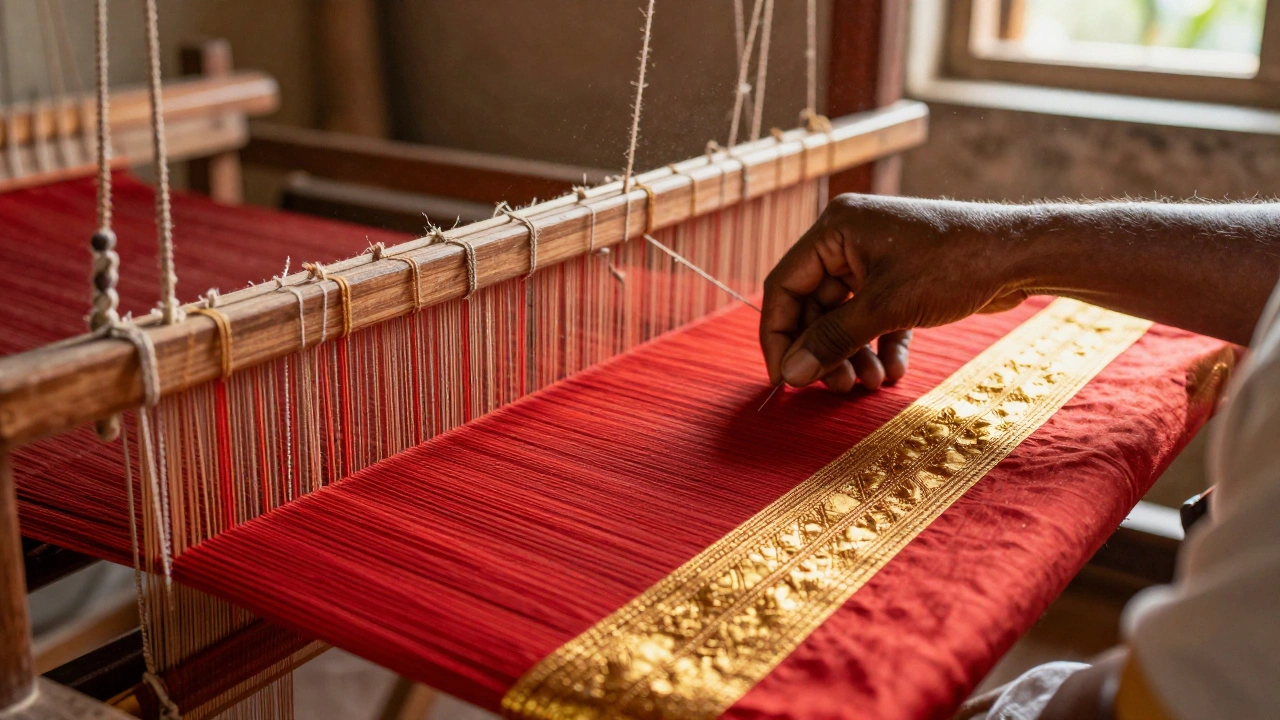
The cost spikes significantly when you move from plain silk to woven silk with intricate designs. Take Kanchipuram Silk, for example. Originating from Kanchipuram in Tamil Nadu, this fabric is famous for its heavy feel, vibrant colors, and distinctive border designs. The expense comes from two main factors: the quality of the silk thread and the use of pure gold or silver zari (metallic thread). Weavers often take weeks to complete a single saree because the loom work requires immense precision. A genuine pure Kanchipuram silk saree with authentic zari can easily exceed ₹2 lakhs.
Another contender is Banarasi Silk from Varanasi, Uttar Pradesh. These fabrics feature elaborate brocade patterns inspired by Mughal art. The complexity of the jacquard weaving process means that skilled artisans must manually adjust thousands of threads. The time-intensive nature of this craft drives up the labor cost, making Banarasi silk one of the priciest options for wedding attire and formal wear.
Pashmina and Cashmere: Warmth with a Price Tag
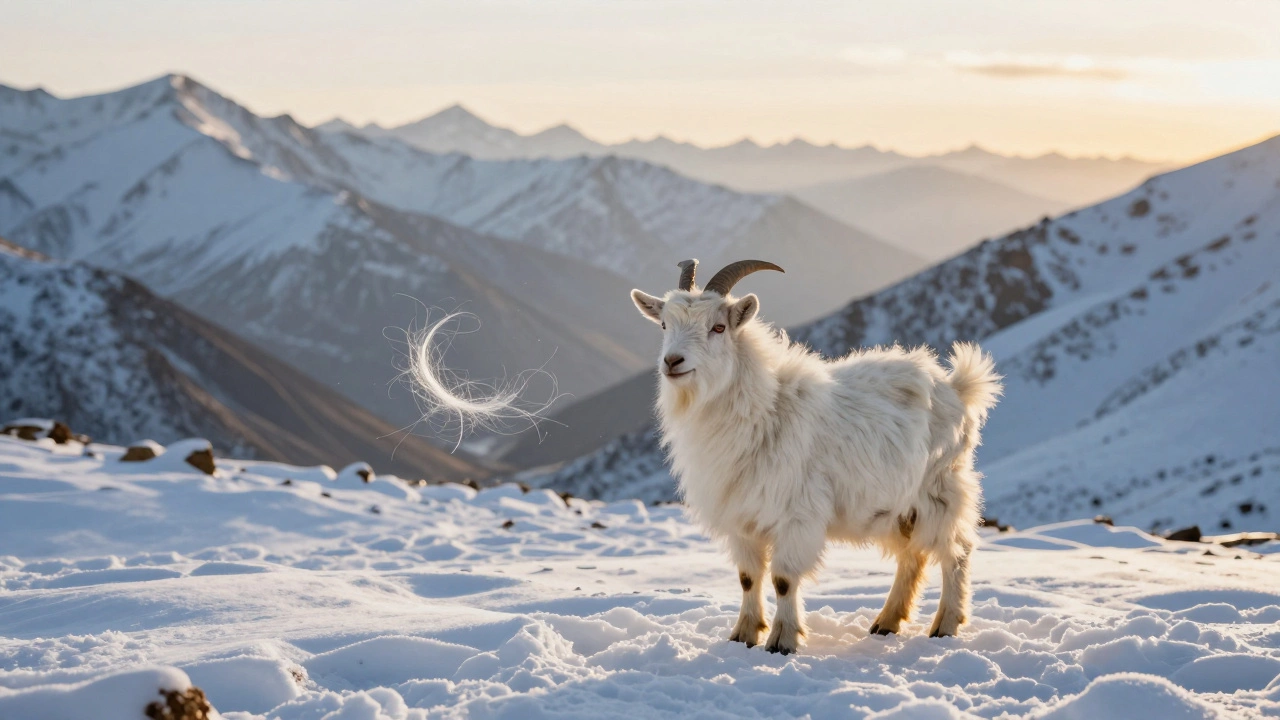
If silk dominates the warm-season luxury market, then Pashmina rules the winter. Often called "soft gold," Pashmina is not just a fabric but a symbol of heritage from the Kashmir Valley. The key to its high price is the source fiber. Pashmina wool comes from the Changthangi goat, which lives at high altitudes in Ladakh and Zanskar. These goats produce a very small amount of down-often less than 100 grams per animal per year-which is incredibly fine and lightweight.
True Pashmina is distinct from regular cashmere. While cashmere refers to wool from goats in various regions, Pashmina specifically denotes the ultra-fine fiber (under 19 microns) sourced from these specific Himalayan breeds. The processing is entirely manual. Skilled spinners twist the fibers by hand to create yarns so fine they can pass through a ring without breaking. A single Pashmina shawl can require hundreds of hours of embroidery work, such as the traditional sozni stitch. Consequently, a high-quality Pashmina shawl can range from ₹15,000 to over ₹10 lakhs, depending on the density of the weave and the intricacy of the design.
| Fabric Type | Origin Region | Key Attribute | Average Price Range (INR) |
|---|---|---|---|
| Kanchipuram Silk | Tamil Nadu | Pure silk with gold/silver zari | ₹20,000 - ₹5,00,000+ |
| Kashmiri Pashmina | Jammu & Kashmir | Ultra-fine goat wool, hand-spun | ₹10,000 - ₹10,00,000+ |
| Banarasi Silk | Uttar Pradesh | Intricate brocade weaving | ₹15,000 - ₹3,00,000 |
| Eri Silk (Ahimsa) | Northeast India | Vegan, non-violent extraction | ₹5,000 - ₹50,000 |
The Rise of Ethical and Organic Cotton
You might think cotton is cheap, and for standard white cotton, that is true. However, the landscape is changing. In recent years, Organic Cotton has become a premium product in both domestic and international markets. India is one of the largest producers of organic cotton, particularly in states like Maharashtra, Gujarat, and Telangana.
Why is it expensive? First, organic farming prohibits the use of synthetic pesticides and fertilizers. This means farmers rely on natural methods, which are more labor-intensive and yield less per acre compared to conventional farming. Second, certification bodies charge fees to verify that the supply chain remains chemical-free from farm to fabric. Brands that sell certified organic cotton garments often pass these costs to consumers. While a basic organic t-shirt might cost ₹1,000-₹2,000, high-thread-count organic cotton sheets or tailored suits can run significantly higher, appealing to health-conscious and environmentally aware buyers.
Rare and Niche Fibers: Eri and Muga Silk
Beyond the mainstream silks, there are rare varieties that command niche prices. Eri Silk, also known as Ahimsa silk, is unique because the moth is allowed to leave the cocoon before the silk is extracted. This ethical practice appeals to a growing global market interested in cruelty-free fashion. Produced mainly in Northeast India, Eri silk is stronger and more durable than Mulberry silk but less lustrous. Its limited availability and ethical positioning keep prices elevated.
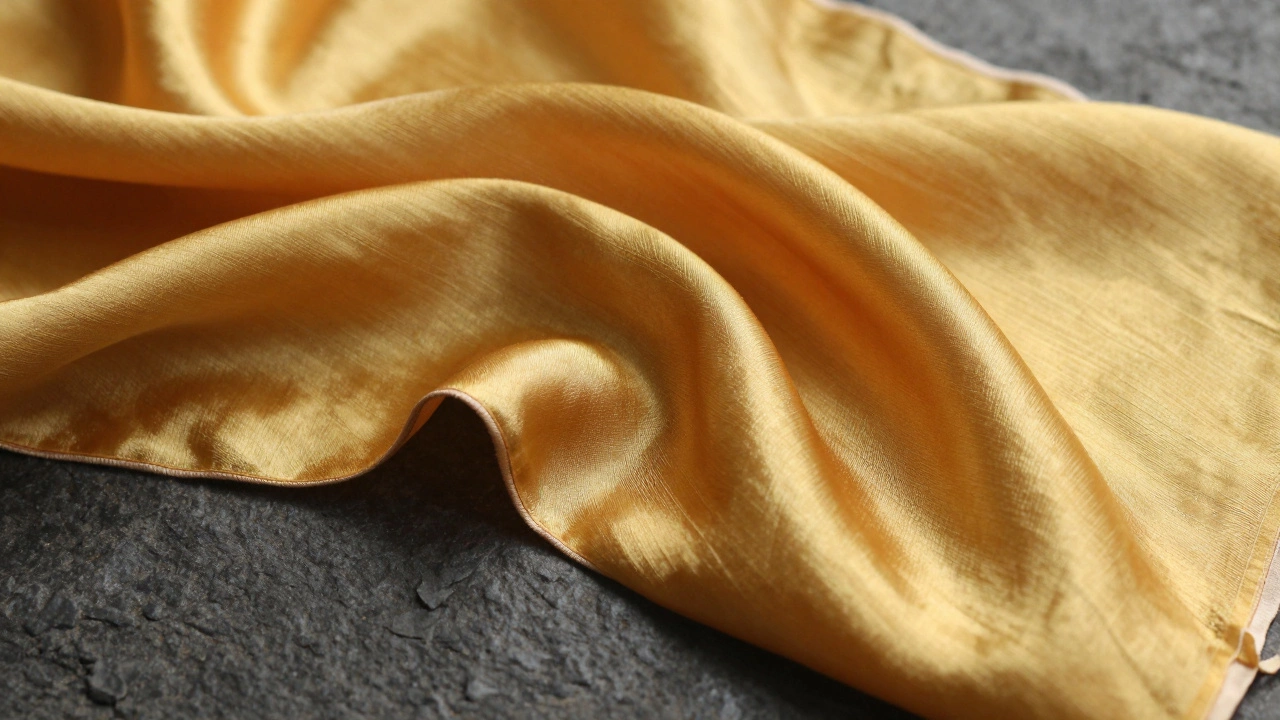
Then there is Muga Silk from Assam. Unlike other silks that are white or dyed, Muga silk has a natural golden-yellow hue that intensifies with every wash. It is produced by a wild silkmoth species found only in Assam. The rearing process is challenging, and the yield is low. Because of its exclusivity and cultural significance in Assamese weddings and ceremonies, Muga silk fabrics are priced very high, often reserved for special occasions rather than everyday wear.
Factors That Drive Up Fabric Prices
Understanding why certain fabrics are expensive requires looking at the entire production cycle. Here are the primary drivers:
- Labor Intensity: Handloom weaving takes days or weeks per garment, whereas power looms produce meters in minutes. The human touch adds significant cost.
- Raw Material Scarcity: Fibers like Pashmina come from animals that produce minimal quantities annually. Supply constraints naturally push prices up.
- Craftsmanship: Techniques like zari work in Kanchipuram or sozni embroidery in Kashmir require master artisans who have trained for decades. Their skill level dictates the final price.
- Geographical Indication (GI): Fabrics with GI tags, such as Chanderi, Dhaka, and Paithani, are protected by law. Only products made in specific regions using traditional methods can carry these labels, ensuring authenticity and maintaining premium pricing.
How to Identify Genuine Expensive Fabrics
With high prices come high risks of counterfeit products. If you are investing in luxury Indian textiles, knowing how to spot the real deal is crucial. For silk, perform the burn test: genuine silk burns slowly and smells like burning hair, leaving a brittle ash. Synthetic fibers melt and smell like plastic. For Pashmina, check the fineness. Real Pashmina should feel incredibly light yet warm. Try passing it through a signet ring; if it passes through easily, it is likely genuine fine Pashmina.
Always look for hallmarks and certificates. Authentic Kanchipuram sarees often come with a silk mark certification. Kashmiri shawls should have a label from the Jammu and Kashmir State Handicrafts Development Corporation. Buying from authorized emporiums or directly from weaver cooperatives reduces the risk of fraud and ensures that the artisan receives fair compensation.
Is velvet an expensive fabric in India?
Velvet can be expensive, especially if it is made from pure silk or has intricate hand-carved patterns. However, most velvet available in India is synthetic (polyester), which is relatively affordable. Pure silk velvet from regions like Surat or Mumbai will cost significantly more than synthetic alternatives.
Why is Khadi cotton sometimes pricey?
Khadi is hand-spun and hand-woven, a process that is extremely time-consuming. Although it looks simple, the labor involved in producing each yard of fabric is substantial. Premium Khadi, especially those blended with silk or dyed with natural colors, commands higher prices due to the artisan effort.
What is the difference between Pashmina and Cashmere?
While both are soft wools, Pashmina specifically refers to the fine undercoat of the Changthangi goat from Kashmir, typically finer than 19 microns. Cashmere is a broader term for wool from goats in various regions, including China and Mongolia, and may vary in fineness. True Pashmina is rarer and often more expensive.
Are online prices for luxury fabrics reliable?
Online prices can vary widely. Be cautious of deals that seem too good to be true. Reputable e-commerce platforms now offer verification services and return policies for luxury textiles. Always check for customer reviews and seller ratings before purchasing high-value items like silk sarees or Pashmina shawls.
How does inflation affect fabric prices in India?
Inflation impacts raw material costs, transportation, and labor wages. As the cost of living rises, weavers and farmers demand better pay, which translates to higher prices for end consumers. Additionally, global fluctuations in energy and chemical costs can affect the production of dyed and processed fabrics.