
Find Your Ideal Furniture Origin
Not sure where to source your next pieces? Use this calculator to match your design goals and budget with the region known for that specific expertise.
Recommendation Analysis
Walk into any high-end showroom, and you’ll likely see a label that says “Made in Italy” or “Designed in Denmark.” But have you ever stopped to ask why those specific names carry so much weight? The question of which country makes the best furniture isn’t just about national pride; it’s about understanding where craftsmanship, material quality, and design innovation intersect. There is no single winner. Instead, there are specialists. Some nations dominate with luxury leather, others with sustainable wood, and some with mass-production efficiency.
If you are looking to invest in pieces that last decades, or if you are a business owner sourcing for your brand, knowing the strengths of each region is crucial. Let’s break down the global leaders in furniture manufacturing and see what they bring to the table.
The Gold Standard: Italian Luxury and Design
When people talk about top-tier furniture, Italy is the global benchmark for luxury furniture, known for its blend of artistic heritage, premium materials, and avant-garde design. It’s not an accident. Italy has a centuries-old tradition of woodworking and upholstery, particularly in regions like Veneto and Lombardy. Here, furniture isn’t just functional; it’s considered art.
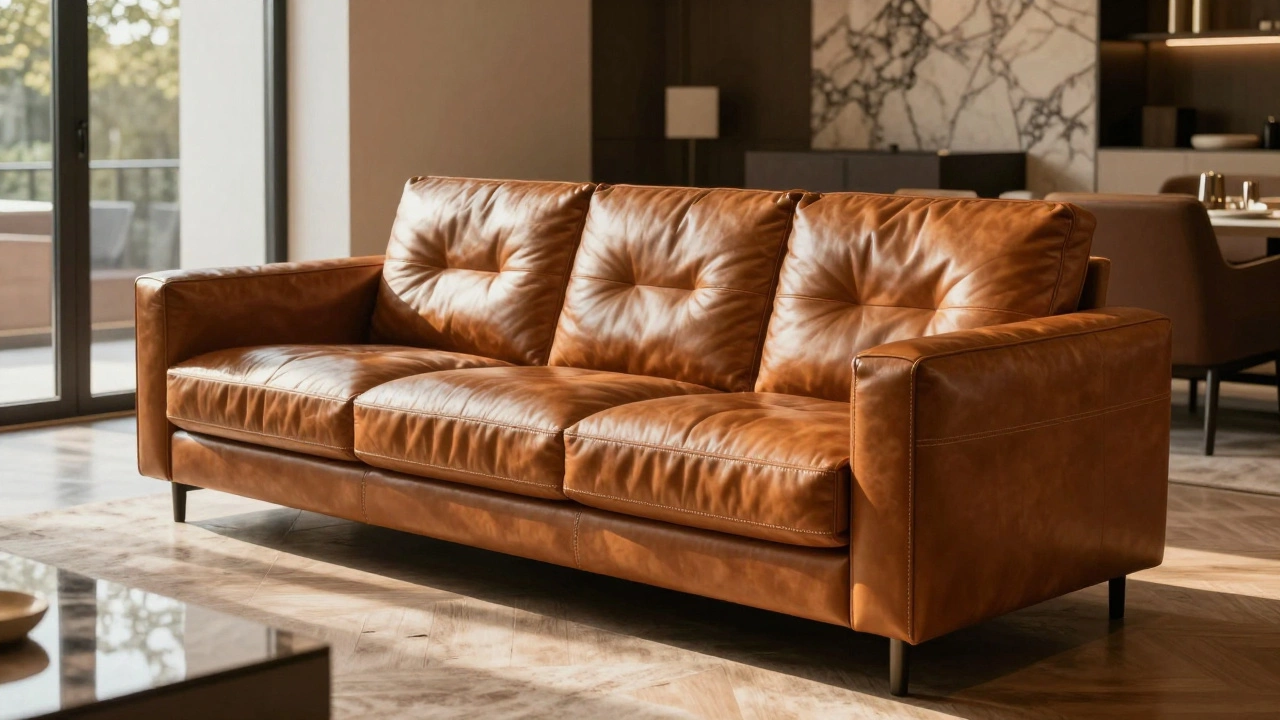
What sets Italian manufacturers apart is their supply chain. They often produce everything in-house-from the metal castings to the fabric weaving. This vertical integration allows for tight quality control. If you buy a sofa from a major Italian brand, you’re paying for hand-stitched details, full-grain leather sourced locally, and designs that often win international awards. Brands like Poltrona Frau and B&B Italia set trends that the rest of the world follows years later.
However, this excellence comes at a price. Italian furniture is typically positioned in the ultra-premium segment. You are paying for the name, the design pedigree, and the meticulous labor. For consumers seeking status symbols or investment-grade pieces, Italy remains the undisputed king.
Nordic Simplicity: Scandinavian Functionality
Move north to Scandinavia (specifically Denmark, Sweden, and Norway) and you find a completely different philosophy. Scandinavian furniture is defined by minimalist aesthetics, ergonomic functionality, and sustainable use of light woods like ash and beech. The concept of "hygge"-a sense of cozy contentment-heavily influences their designs. These pieces are meant to make your home feel warm and inviting without visual clutter.
Denmark, in particular, is famous for mid-century modern classics. Think of the Wishbone Chair or the Egg Chair. These designs prioritize clean lines and natural textures. Swedish giants like IKEA have democratized this style, making affordable, flat-pack versions available worldwide. But beyond the big box stores, smaller Danish workshops still craft solid wood chairs and tables that can last for generations. The focus here is on durability and simplicity. If you prefer a clutter-free, airy aesthetic, Scandinavian design is hard to beat.
The Rising Giant: Indian Craftsmanship and Scale
While Europe holds the historical crown, India is a rapidly growing powerhouse in global furniture manufacturing, renowned for intricate hand-carved woodwork, diverse hardwood varieties, and cost-effective production. India is not just exporting cheap goods anymore; it is becoming a hub for high-quality, custom-made furniture. The country has access to some of the finest teak, rosewood, and sheesham (Indian rosewood) in the world. These woods are dense, durable, and age beautifully.
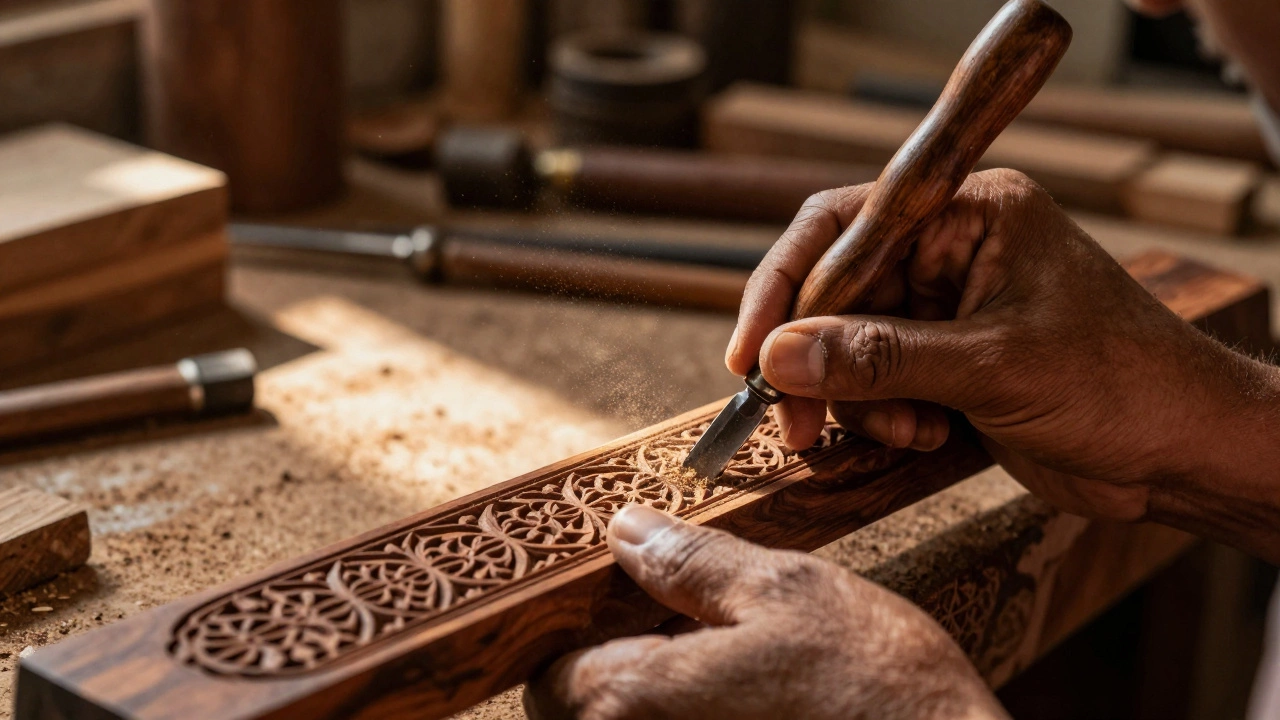
One of India’s biggest advantages is its artisanal labor force. In clusters around Rajasthan and Gujarat, skilled craftsmen carve intricate patterns by hand-a process that machines simply cannot replicate authentically. This makes Indian furniture ideal for those who want unique, ornate pieces with character. Whether it’s a traditional Rajasthani daybed or a modern minimalist table made from reclaimed teak, the attention to detail is exceptional.
Moreover, India offers incredible value for money. Because labor costs are lower than in Europe or North America, you can get solid wood furniture at a fraction of the price. For importers and wholesalers, India is increasingly attractive due to its improving logistics infrastructure and adherence to international quality standards. If you are looking for bespoke, handcrafted items without the European markup, India is a smart choice.
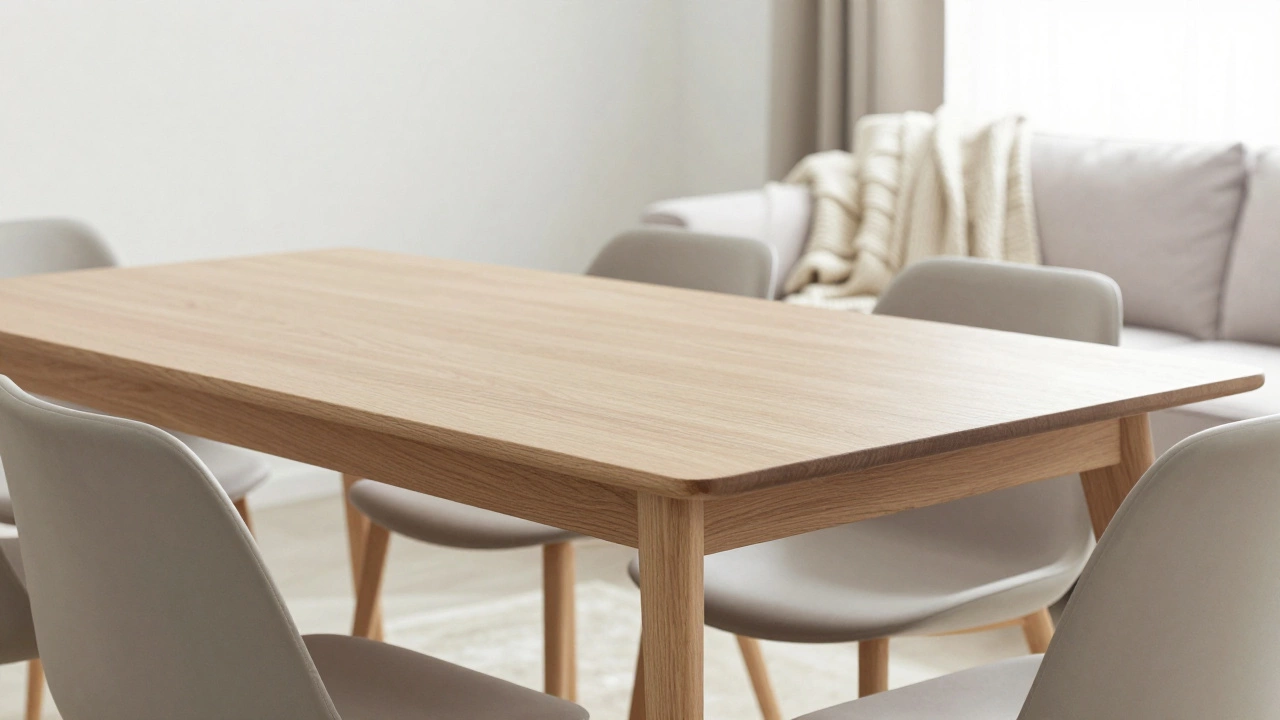
American Practicality and Tech Integration
The United States is a leader in innovative furniture manufacturing, combining robust industrial capabilities with smart-home technology and diverse regional styles. American furniture is often characterized by its scale and practicality. From the rustic farmhouse style of the Midwest to the sleek, industrial looks of New York, US manufacturers cater to a wide range of tastes.
Recently, the US has become a hotspot for tech-integrated furniture. Companies are embedding wireless charging, LED lighting, and even air purification systems into desks and sofas. If you are looking for furniture that adapts to modern digital lifestyles, American brands are leading the charge. Additionally, the US has a strong market for outdoor furniture, utilizing weather-resistant materials like teak and aluminum to withstand harsh climates.
German Engineering and Precision
If Italian furniture is art and Scandinavian furniture is lifestyle, then Germany is the epitome of engineering precision in furniture, focusing on modular systems, ergonomic office solutions, and durable construction. German manufacturers are obsessed with function. Their office chairs and standing desks are globally recognized for their ergonomic superiority. Brands like Herman Miller (though American-founded, heavily influenced by German engineering principles) and local German firms set the standard for workplace comfort.
German furniture is also known for its modularity. Systems that allow you to reconfigure shelves, desks, and storage units as your needs change are a hallmark of German design. The build quality is rigid and reliable. You won’t find many wobbly joints in a German-made cabinet. If longevity and structural integrity are your top priorities, look East to Germany.
Comparison: Which Region Fits Your Needs?
| Country/Region | Key Strength | Best Material | Ideal For | Price Point |
|---|---|---|---|---|
| Italy | Luxury Design & Artistry | Full-grain Leather, Marble | High-end showrooms, statement pieces | Premium ($$$$) |
| Scandinavia | Minimalism & Sustainability | Beech, Ash, Pine | Modern homes, eco-conscious buyers | Moderate to High ($$$) |
| India | Handcrafting & Value | Teak, Rosewood, Sheesham | Custom orders, ornate designs, bulk buying | Affordable to Mid ($$) |
| USA | Innovation & Scale | Oak, Aluminum, Synthetic | Smart homes, outdoor living | Variable ($ - $$$$) |
| Germany | Ergonomics & Durability | Steel, Hardwood, Plastic | Office spaces, modular storage | Mid to High ($$$) |
How to Choose the Right Source
Deciding which country’s furniture is “best” depends entirely on your specific goals. Are you furnishing a boutique hotel? Do you need thousands of identical office chairs? Or are you hunting for one-of-a-kind dining tables?
- For Luxury Retail: Partner with Italian or Scandinavian designers. The brand recognition helps sell the product.
- For Cost-Effective Bulk Orders: Look to India or Vietnam. These countries offer excellent craftsmanship at competitive prices, especially for wood-based products.
- For Office Environments: Prioritize German or American ergonomic specialists. Employee health and productivity justify the higher upfront cost.
- For Sustainable/Eco-Friendly Lines: Scandinavia leads in certification (like FSC) and sustainable forestry practices.
Always request samples. Photos can be deceiving. Feel the weight of the wood, check the stitching on the upholstery, and test the stability. A piece from a lesser-known manufacturer in India might outperform a branded item from elsewhere if the craftsmanship is superior.
Trends Shaping Global Furniture in 2026
The industry is shifting. Sustainability is no longer a buzzword; it’s a requirement. Consumers are demanding transparency about where materials come from. Countries that can prove their wood is ethically sourced or their fabrics are recycled will gain an edge. India is making strides here by promoting plantation-grown teak, which reduces pressure on wild forests.
Another trend is customization. With advanced CNC machining and 3D printing, manufacturers in China and Eastern Europe are offering near-custom options at mass-market prices. This blurs the line between handmade and factory-made. As a buyer, you now have more choices than ever before to get exactly what you want, regardless of where it’s made.
Is Italian furniture worth the high price?
For most collectors and luxury retailers, yes. Italian furniture uses premium materials and involves significant hand-labor. The design longevity means these pieces often retain value better than fast-fashion furniture. However, for everyday utility, the ROI may not justify the cost compared to high-quality alternatives from other regions.
Why is Indian furniture gaining popularity globally?
India offers a unique combination of skilled artisanal labor and abundant hardwood resources. Manufacturers can produce intricate, hand-carved designs at a fraction of the cost of European counterparts. Additionally, improved logistics and quality control certifications have made importing from India easier and more reliable for international buyers.
Which country is best for sustainable furniture?
Scandinavian countries, particularly Sweden and Denmark, lead in sustainability. They have strict environmental regulations and a cultural emphasis on minimal waste. Many Scandinavian brands use FSC-certified wood and non-toxic finishes. However, India is also emerging as a strong contender through its use of plantation-grown teak and traditional low-waste crafting techniques.
Can I trust online reviews for furniture from different countries?
Reviews can be helpful but should be taken with caution. Look for detailed reviews that mention specific aspects like assembly difficulty, material feel, and long-term durability. Be wary of generic praise. It’s always better to seek out third-party testing reports or visit physical showrooms when possible to assess quality firsthand.
What is the difference between mass-produced and handcrafted furniture?
Mass-produced furniture is made using automated machinery for speed and consistency, often resulting in lower costs but less uniqueness. Handcrafted furniture involves skilled artisans using traditional tools and techniques, resulting in unique variations, higher durability, and greater aesthetic value. The latter usually commands a higher price due to the time and expertise involved.