
Chemical Business Profitability Finder
Select your available capital and risk preference to discover the highest-margin chemical niches suitable for your entry into the Indian market.
Why These Margins?
Specialty chemicals and pharma intermediates command higher prices due to technical barriers and customer stickiness. Bulk commodities rely on volume and are sensitive to global oil prices.
Enter your details and click "Analyze" to see tailored recommendations.
You’re looking at the numbers and wondering: where is the real money hiding in India’s chemical sector? It’s not just about selling tons of bulk stuff. The Indian chemical industry is a beast, contributing nearly 3% to the national GDP, but the profit margins vary wildly depending on what you manufacture. If you want high returns, you need to look beyond commodity chemicals and focus on niche, high-value segments.
Let’s be clear: there is no single "most profitable" business for everyone. It depends on your capital, technical expertise, and market access. However, data from recent fiscal years shows that specialty chemicals and agrochemicals consistently outperform basic petrochemicals in terms of EBITDA margins. While a basic detergent manufacturer might scrape by with 10-12% margins, a niche specialty chemical producer can easily hit 25-30%.
Why Specialty Chemicals Are the Gold Mine
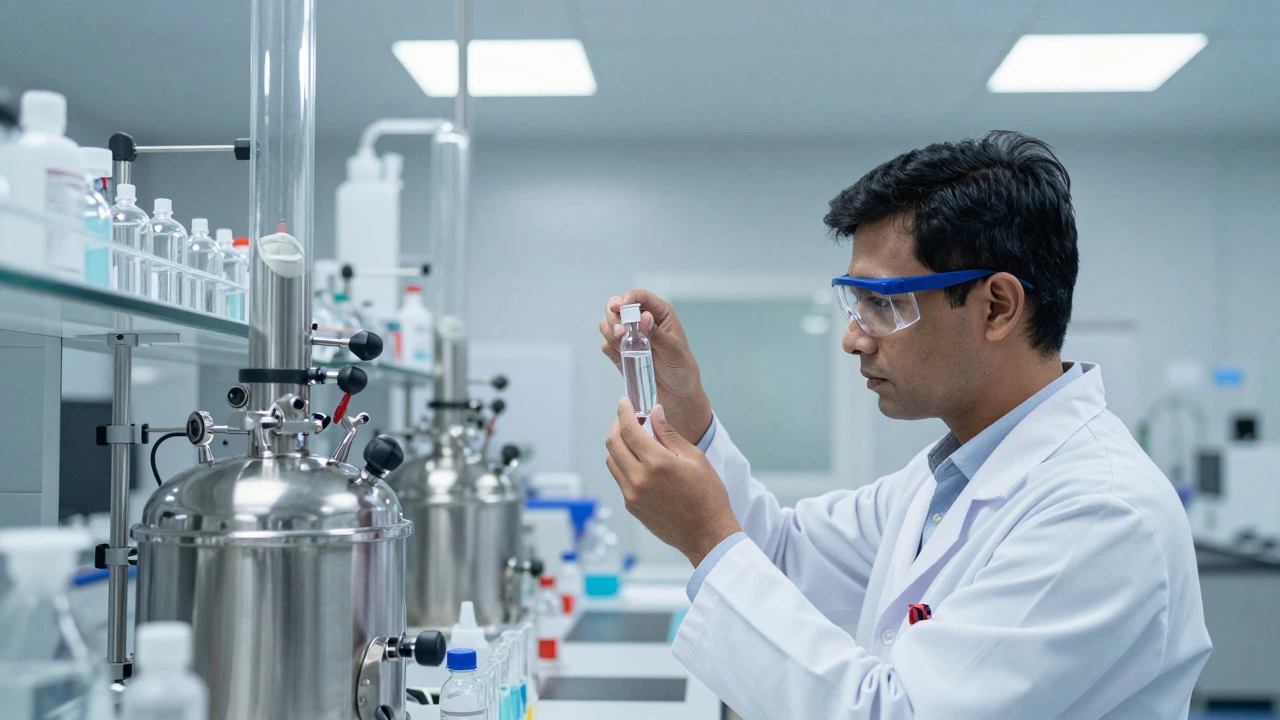
If you ask any industry analyst right now, they’ll point to specialty chemicals. These are high-performance products used in specific applications like electronics, automotive coatings, or pharmaceutical intermediates. Unlike bulk chemicals, which are traded globally based on crude oil prices, specialty chemicals command premium pricing because they solve specific problems.
Think about it this way: if you make sulfuric acid, you’re competing with giant players like Gujarat Fluorochemicals or large refineries. You have little control over pricing. But if you make a specific fluorinated surfactant used in semiconductor manufacturing, you’re one of only three suppliers in Asia. That scarcity drives your margin up.
- High Entry Barrier: Requires R&D and specialized know-how, keeping competitors out.
- Customer Stickiness: Once a client qualifies your product, they rarely switch due to re-testing costs.
- Export Potential: Global supply chains are shifting away from China (the "China Plus One" strategy), benefiting Indian exporters.
The catch? You need better technology and stricter quality controls. You can’t just set up a generic plant. You need precise reactor controls and skilled chemists. But the payoff? Margins often exceed 25%, compared to the 8-12% seen in bulk sectors.
Agrochemicals: Riding the Green Revolution Wave
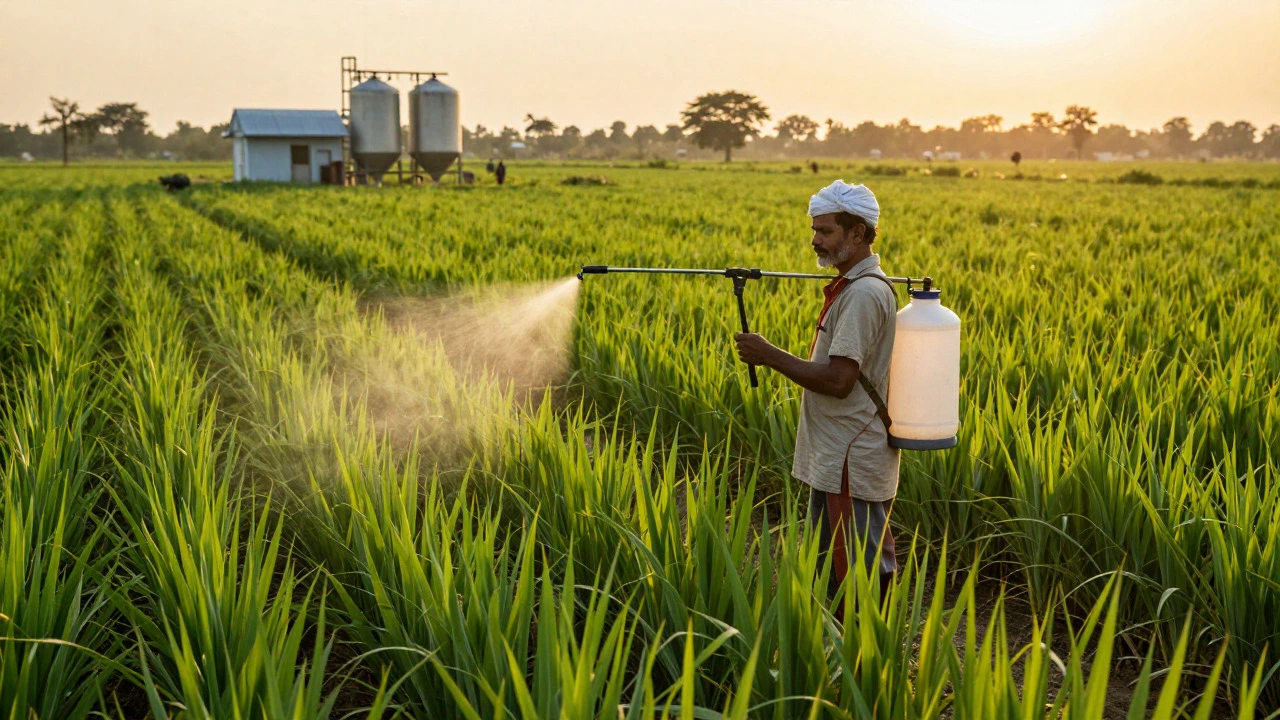
India is an agrarian economy. No matter how much tech grows, farmers still need pesticides, herbicides, and fertilizers. This makes agrochemicals one of the most stable and profitable sub-sectors. Demand here is relatively inelastic-farmers will buy protection for their crops even if prices rise slightly.
Within agrochemicals, the highest profits aren’t in simple urea production (which is heavily subsidized and regulated). The money is in formulations and generic active ingredients whose patents have expired. For example, producing generic versions of popular fungicides allows you to undercut branded prices while maintaining healthy margins because the synthesis route is well-known and efficient.
| Segment | Average EBITDA Margin | Capital Intensity | Market Volatility |
|---|---|---|---|
| Bulk Petrochemicals | 8-12% | Very High | High (Oil-linked) |
| Specialty Chemicals | 20-30% | Moderate-High | Low-Medium |
| Agrochemical Formulations | 15-22% | Moderate | Medium (Seasonal) |
| Dyes & Pigments | 12-18% | Moderate | Medium |
The Rise of Pharma Intermediates
India is known as the "pharmacy of the world." But behind every finished tablet lies a complex chain of Active Pharmaceutical Ingredients (APIs) and Key Starting Materials (KSMs). This is another highly profitable niche.
Why is it profitable? Because global pharma companies are desperate to diversify their supply chains. They don’t want to rely solely on Chinese suppliers anymore. If you can produce a specific KSM with consistent purity levels (99.5%+), you become a strategic partner, not just a vendor. Contracts are often long-term, providing revenue stability.
However, regulatory compliance is strict. You need Good Manufacturing Practice (GMP) certifications and robust documentation. One batch failure can cost you a major contract. But for those who get it right, margins hover around 20-25%, with steady growth driven by global healthcare spending.
Don’t Ignore Consumer Chemicals
While B2B niches offer high margins, consumer-facing chemical businesses offer volume. Think detergents, personal care ingredients, and household cleaners. The competition is fierce, but brand power can create significant moats.
For small-scale manufacturers, the sweet spot is contract manufacturing for emerging D2C (Direct-to-Consumer) brands. New beauty and wellness startups need small batches of high-quality shampoos, serums, or soaps. They don’t have factories. If you set up a flexible formulation unit, you can charge a premium for low-volume, high-customization runs. Margins here can reach 30-40% if you manage overheads tightly, though marketing and distribution costs eat into net profit.
What About Petrochemicals?
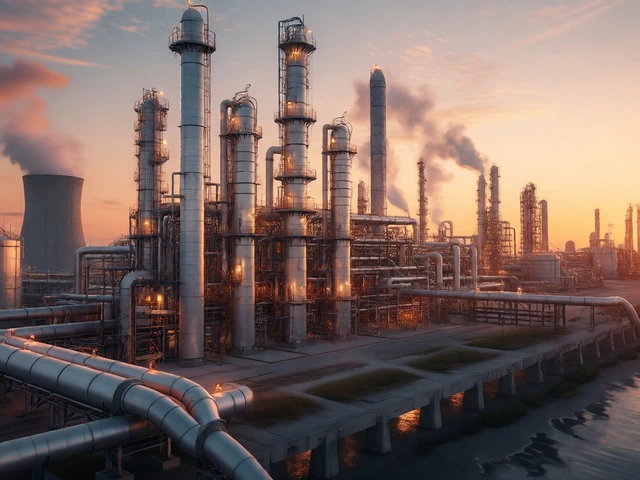
Many assume big oil equals big profits. In reality, petrochemicals are a game of scale. Unless you’re Reliance Industries or IOCL, entering this space is tough. The capital expenditure (CapEx) is massive, and margins are thin because products are commodities. Prices fluctuate with global crude oil rates, leaving little room for error.
For a new entrepreneur, starting a petrochemical plant is rarely the best path to profitability unless you have hundreds of crores in funding and government land allotments. It’s better to start downstream-making plastics or synthetic fibers using purchased petrochemical feedstocks-where margins are better and entry barriers lower.
Key Factors Driving Profitability in 2026
So, what actually determines if you’ll make money? It’s not just the product choice. Here are the critical levers:
- Raw Material Sourcing: Can you secure inputs at competitive rates? Proximity to ports or industrial hubs like Gujarat or Maharashtra reduces logistics costs significantly.
- Environmental Compliance: Pollution Control Board norms are tightening. Plants with zero-liquid discharge systems face fewer shutdowns and fines, ensuring continuous production.
- Energy Efficiency: Chemical processes are energy-intensive. Using waste heat recovery or solar power can cut operational costs by 10-15%, directly boosting net profit.
- Product Mix: Diversifying into high-margin specialties rather than relying on a single commodity hedges against market downturns.
Consider the case of a mid-sized dye manufacturer in Ahmedabad. By investing in effluent treatment plants early, they avoided frequent closures during monsoon inspections. Meanwhile, competitors without such infrastructure lost weeks of production time annually. That operational reliability translated into higher customer trust and better pricing power.
How to Choose Your Niche
Feeling overwhelmed? Here’s a simple decision tree:
- Do you have high capital (>₹50 Crores)? Look at APIs or specialty polymers. High CapEx, high reward.
- Do you have moderate capital (₹5-20 Crores)? Consider agrochemical formulations or dyes. Established markets, manageable entry.
- Do you have low capital (<₹5 Crores)? Start with consumer chemical blending or contract manufacturing. Low barrier, faster cash flow.
Also, check local state incentives. States like Gujarat, Tamil Nadu, and Andhra Pradesh offer subsidies for chemical parks, including land discounts and power tariff concessions. These can improve your bottom line by several percentage points.
Pitfalls to Avoid
Don’t jump in blindly. Many fail due to underestimating safety risks. Chemical plants involve hazardous materials. An accident can wipe out years of profit. Invest in safety training and insurance.
Another trap is ignoring export regulations. If you plan to sell abroad, ensure your product meets REACH (Europe) or FDA (US) standards. Non-compliance leads to rejected shipments and huge losses.
Finally, don’t neglect after-sales service. In B2B chemicals, technical support matters. Helping clients troubleshoot application issues builds loyalty and prevents churn.
Which chemical business has the highest profit margin in India?
Specialty chemicals generally offer the highest profit margins, often ranging between 20% and 30%. This includes niche products like electronic chemicals, fluorinated compounds, and high-performance additives. Their profitability stems from high technical barriers to entry and strong demand from industries like electronics and automotive.
Is agrochemical manufacturing profitable for startups?
Yes, agrochemicals are highly profitable, especially for formulation units. With India's large agricultural base, demand is consistent. Startups focusing on generic active ingredients or blended formulations can achieve EBITDA margins of 15-22%. Success depends on effective distribution networks and understanding seasonal farming cycles.
What is the difference between bulk and specialty chemicals?
Bulk chemicals (like sulfuric acid or ammonia) are produced in large volumes with standardized specifications and lower margins (8-12%). Specialty chemicals are manufactured in smaller quantities for specific functions, offering higher performance and margins (20-30%) due to proprietary technology and limited competition.
Which states in India are best for chemical manufacturing?
Gujarat is the top hub due to its extensive port infrastructure, raw material availability, and dedicated chemical parks. Other favorable states include Maharashtra (proximity to Mumbai markets), Tamil Nadu (strong industrial ecosystem), and Andhra Pradesh (favorable policies and coastal access).
Do I need heavy machinery to start a chemical business?
Not necessarily. Blending and packaging units for consumer chemicals require less heavy machinery compared to synthesis plants. Contract manufacturing for cosmetics or cleaning agents can start with mixers, homogenizers, and filling lines, requiring significantly lower initial investment than full-scale chemical reactors.