
Indian Car Buyer Advisor
Find the most suitable car for your lifestyle by answering a few simple questions.
Your Ideal Match:
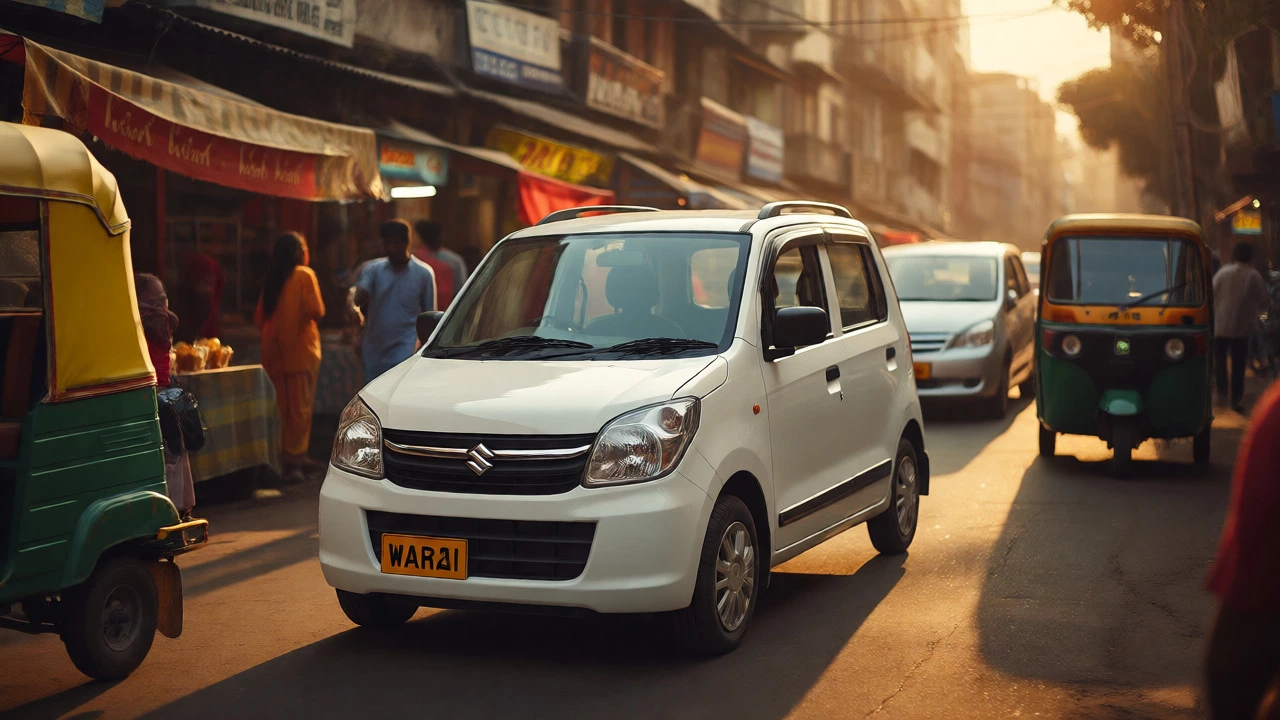
You walk out of your house in Mumbai or Delhi, and what do you see parked on the street? Chances are, it’s a Maruti Suzuki. It’s not just a brand; it’s practically woven into the fabric of Indian roads. If you’re asking which car is highly used in India, the answer isn’t just one model-it’s a specific ecosystem dominated by one manufacturer that understands the Indian consumer better than anyone else.
Why does this matter? Because knowing what people drive tells you about their priorities: fuel efficiency, low maintenance costs, and resale value. In a country where the average household budget for transport is tight, a car isn’t just a status symbol; it’s a calculated financial decision. Let’s break down exactly which vehicles dominate the landscape and why they hold such power.
The Undisputed King: Maruti Suzuki’s Dominance
To understand the Indian automotive scene, you have to look at Maruti Suzuki. Established in 1981 as a joint venture between the Government of India and Suzuki Motor Corporation of Japan, this company changed everything. Before Maruti, cars were luxury items. After Maruti, they became accessible. Today, Maruti Suzuki holds roughly 40-45% of the entire passenger vehicle market share in India. That is staggering when you consider competitors like Hyundai, Tata Motors, and Mahindra.
The reason is simple economics. Maruti builds cars that are light, use less steel, and offer excellent mileage. For a family buying their first car, the total cost of ownership is more important than horsepower. Maruti nails this. Their service network spans over 3,700 touchpoints across the country, meaning if your car breaks down in a remote village in Assam, help is rarely far away. This accessibility creates trust, and trust drives sales.
The Best-Selling Models: What People Actually Buy
When we drill down from the brand level to specific models, a few names consistently top the charts. These aren’t just popular because of marketing; they solve specific problems for specific demographics.
| Model | Manufacturer | Primary Segment | Key Appeal |
|---|---|---|---|
| WagonR | Maruti Suzuki | Hatchback | Space efficiency and CNG option |
| Alto K10 | Maruti Suzuki | Entry-level Hatchback | Affordability and low running costs |
| Dzire | Maruti Suzuki | Sedan | Taxi fleet popularity and boot space |
| Creta | Hyundai | Compact SUV | Premium features and design |
| Punch | Tata Motors | Micro SUV | Value for money and safety ratings |
The Maruti WagonR has been a perennial bestseller for years. Why? It looks like a hatchback but drives with the visibility of an SUV. The tall roofline means you don’t feel cramped, and the flat floor makes it easy to get in and out, especially for elderly parents. Plus, the factory-fitted CNG (Compressed Natural Gas) variant cuts fuel bills in half, which is huge for daily commuters.
Then there’s the Maruti Dzire. If you’ve ever taken an Uber or Ola in India, you’ve likely ridden in a Dzire. Its dominance in the commercial taxi segment spills over into private buyers who want a sedan feel without the premium price tag. It offers decent boot space for luggage, making it ideal for weekend trips to nearby hill stations.
The Rise of SUVs and Changing Tastes
For decades, sedans were seen as "grown-up" cars. But that narrative has shifted dramatically. Indians now prefer higher ground clearance. Why? Because our roads are unpredictable. A pothole can appear anywhere, anytime. An SUV or a crossover handles these surprises much better than a low-slung sedan.
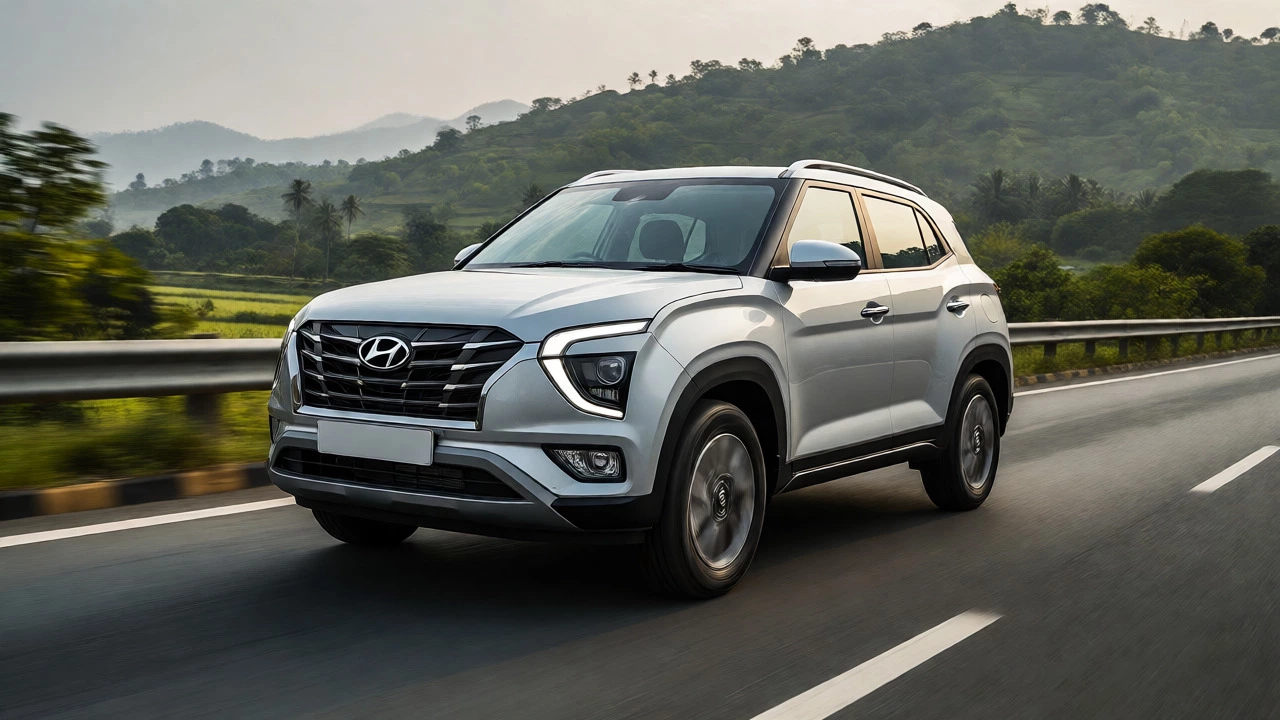
This shift has benefited brands like Hyundai and Tata Motors. The Hyundai Creta, for instance, is arguably the most popular compact SUV in the country. It offers a blend of modern tech, comfortable interiors, and a commanding driving position. It appeals to the upwardly mobile middle class who want their car to look sophisticated on city streets.
Tata Motors, once known for utilitarian trucks and the humble Indica, has reinvented itself. The Tata Punch and Nexon are massive hits. They score high in global crash tests (Global NCAP), giving Indian families peace of mind about safety-a concern that was often ignored in cheaper cars previously. The Punch, being a micro-SUV, bridges the gap between affordability and the rugged look people desire.
Electric Vehicles: The New Contender
Can’t ignore the green wave. While petrol and diesel still rule, electric vehicles (EVs) are gaining traction, particularly in urban centers like Bengaluru, Pune, and Delhi. The Tata Nexon EV was the pioneer here, proving that an electric car could be practical for Indian conditions. Now, newer entrants like the MG ZS EV and even Maruti’s upcoming EV lineup are changing the conversation.
However, adoption is slow compared to Europe or China. Charging infrastructure is improving but remains inconsistent outside major cities. Range anxiety is real. Still, for second-car buyers in metros who mostly commute short distances, EVs make financial sense due to negligible running costs.
Why Resale Value Matters More Than Features
In many Western countries, people keep cars until they fall apart. In India, the culture is different. People upgrade every 5-7 years. Therefore, how much money you get back when you sell the car is critical. Maruti wins here again. Because everyone wants a used Maruti, demand stays high, keeping prices stable. You might pay slightly more upfront for a Hyundai, but you’ll lose more money when you sell it five years later. This economic reality keeps Maruti on top.
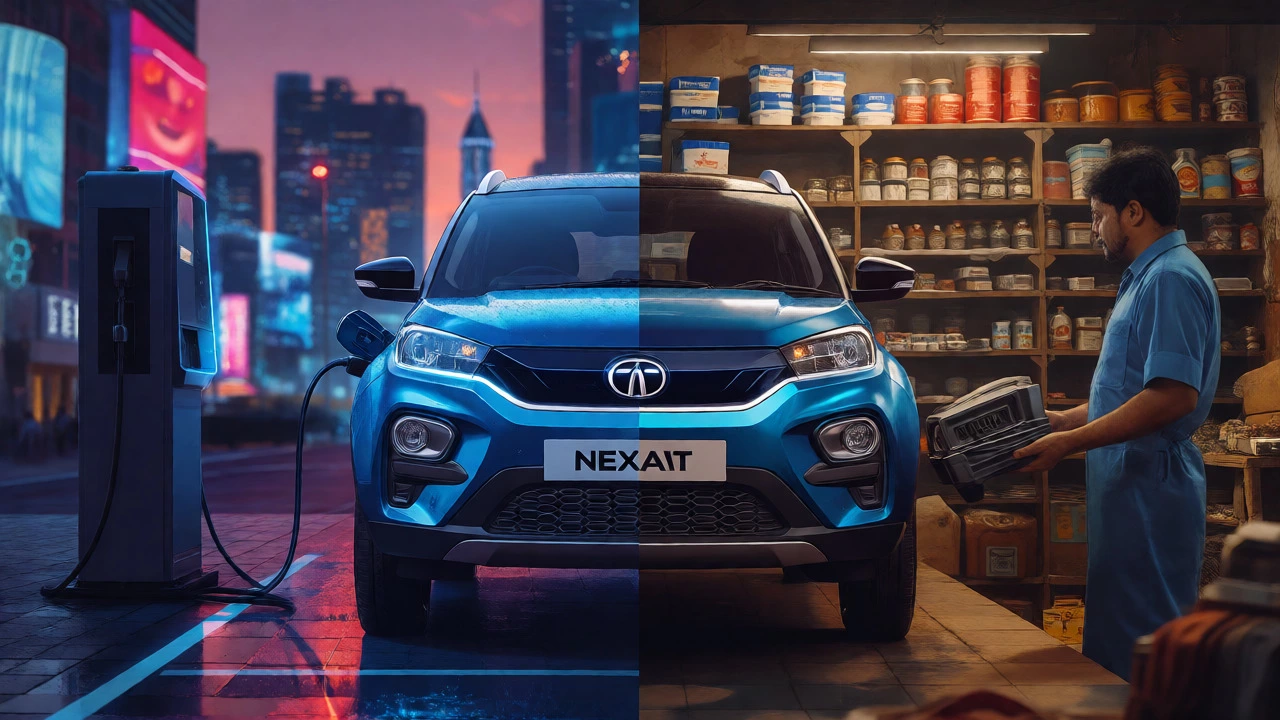
Also, spare parts availability is unmatched. Walk into any local mechanic shop in Tier-2 or Tier-3 cities, and they will have Maruti parts ready. For other brands, you might need to order parts, leading to downtime. Time is money, and no one wants their car stuck in a garage for weeks.
Regional Variations: One Size Doesn’t Fit All
India is vast, and preferences vary by region. In North India, sedans and large SUVs are preferred due to longer highway drives and colder winters. In South India, compact hatchbacks and efficient diesels have traditionally been popular. In Western India, particularly Maharashtra, there’s a strong affinity for robust SUVs due to monsoon flooding concerns and hilly terrain near Mumbai and Pune.
Understanding these nuances helps explain why certain models perform better in specific states. Manufacturers track this data meticulously, adjusting production and marketing strategies accordingly. For example, diesel variants are losing steam nationwide due to stricter emission norms, pushing manufacturers toward smaller turbo-petrol engines that offer similar torque but cleaner emissions.
Future Outlook: What Will Drive the Next Decade?
The next ten years will see a consolidation of brands. Weak players will exit, leaving giants like Maruti, Hyundai, Tata, and Mahindra to fight for dominance. We will likely see more hybrid cars bridging the gap between petrol and electric. Safety regulations will tighten further, forcing even entry-level cars to include multiple airbags and stability control as standard.
If you’re looking to buy a car today, stick to the leaders. The most used car in India is the one that balances cost, reliability, and ease of maintenance. Right now, that crown belongs firmly to Maruti Suzuki, with Hyundai and Tata closing the gap through superior technology and design.
Which single car model sells the most units in India?
The Maruti Suzuki WagonR consistently ranks as one of the highest-selling individual models in India, often competing closely with the Maruti Alto K10 and Hyundai Creta depending on monthly sales data. Its combination of spaciousness, fuel efficiency, and affordable pricing makes it a favorite among first-time car buyers and families.
Why is Maruti Suzuki so popular in India?
Maruti Suzuki dominates due to its extensive service network, low maintenance costs, high resale value, and fuel-efficient engines tailored for Indian road conditions. Being a long-standing player since 1981, it has built immense brand trust and accessibility across both urban and rural areas.
Are electric cars becoming popular in India?
Yes, but slowly. Models like the Tata Nexon EV and MG ZS EV are gaining popularity in metropolitan cities due to lower running costs and government incentives. However, widespread adoption is hindered by limited charging infrastructure and higher initial purchase prices compared to petrol counterparts.
Which SUV is the most sold in India?
The Hyundai Creta is currently the best-selling compact SUV in India. It offers a premium feel, advanced features, and strong brand backing. In the micro-SUV segment, the Tata Punch and Maruti Fronx are also top contenders.
Do Indians prefer automatic or manual cars?
Historically, manual transmission was dominant due to lower cost and perceived control. However, automatic transmissions (AMT, CVT, DCT) are rapidly gaining market share, especially in congested urban traffic where clutch fatigue is a major issue. Over 50% of new car sales in major cities are now automatics.