
Handmade Business Niche Finder
Answer 3 quick questions to discover the best handmade product category for your skills and goals.
Your Maker Profile
You’re sitting at your kitchen table, surrounded by half-finished projects. You’ve got a great idea for a candle, or maybe you’re knitting scarves that look like they belong in a boutique window. But there’s one nagging question keeping you up at night: what is the most sold handmade item? It’s not just about what looks pretty; it’s about what people are actually pulling out of their wallets and taking home.
The honest answer isn’t a single object. There is no "magic bullet" product that sells more than everything else globally every single day. Instead, the top sellers fall into specific categories driven by utility, gifting culture, and personalization. If you want to turn your hobby into a manufacturing business, you need to understand which niches have consistent demand. Let’s break down the actual winners in the handmade market right now, based on sales data from major platforms like Etsy, Amazon Handmade, and local craft fairs.
Jewelry Still Reigns Supreme (But Only If It’s Unique)
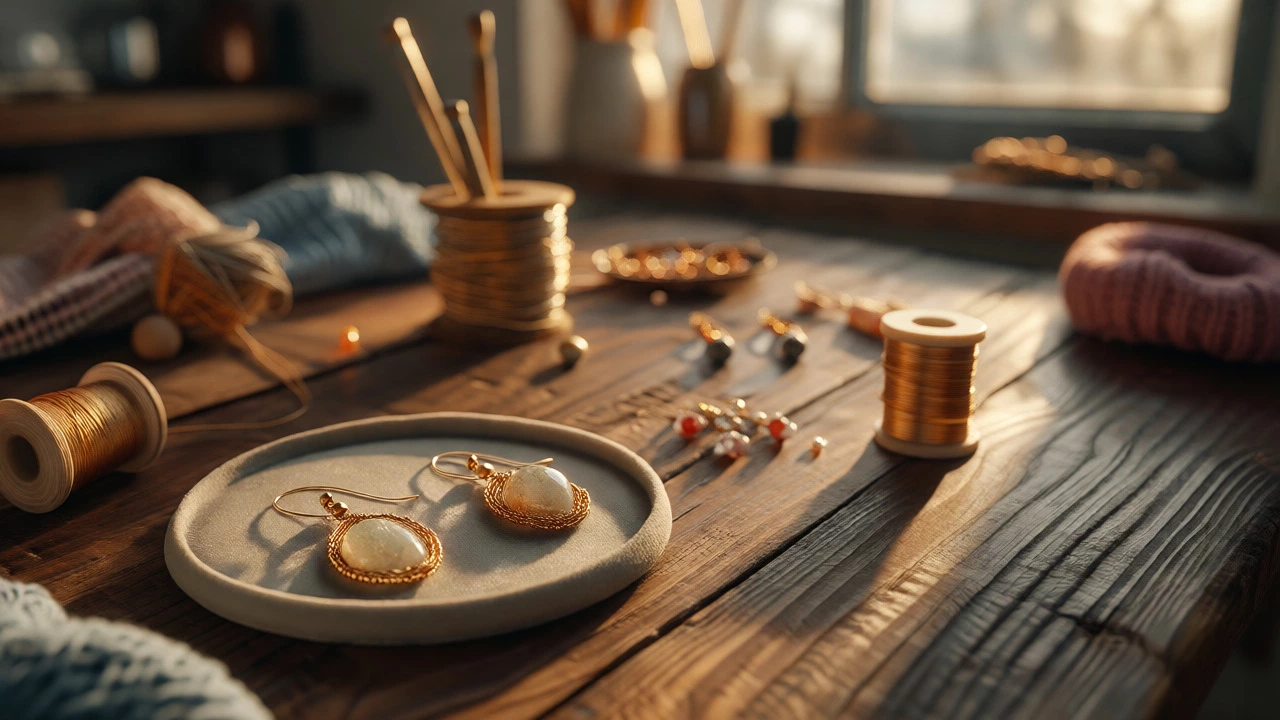
If you look at raw volume, handmade jewelry is consistently the highest-selling category across almost all handmade marketplaces. Why? Because it’s small, lightweight, easy to ship, and has a high perceived value. A pair of earrings made from wire and beads might cost you £2 in materials but can sell for £15-£25.
However, don’t just make generic silver rings. The market is saturated with basic designs. The items that fly off the shelves are those with a story or a specific trend angle. Think birthstone necklaces, minimalist gold-filled pieces, or eco-friendly jewelry made from recycled materials. Personalized nameplates and initial pendants are also huge because they tap into the gift-giving market. People aren’t just buying decoration; they’re buying identity.
Candles and Home Fragrance Are the Ultimate Comfort Buy
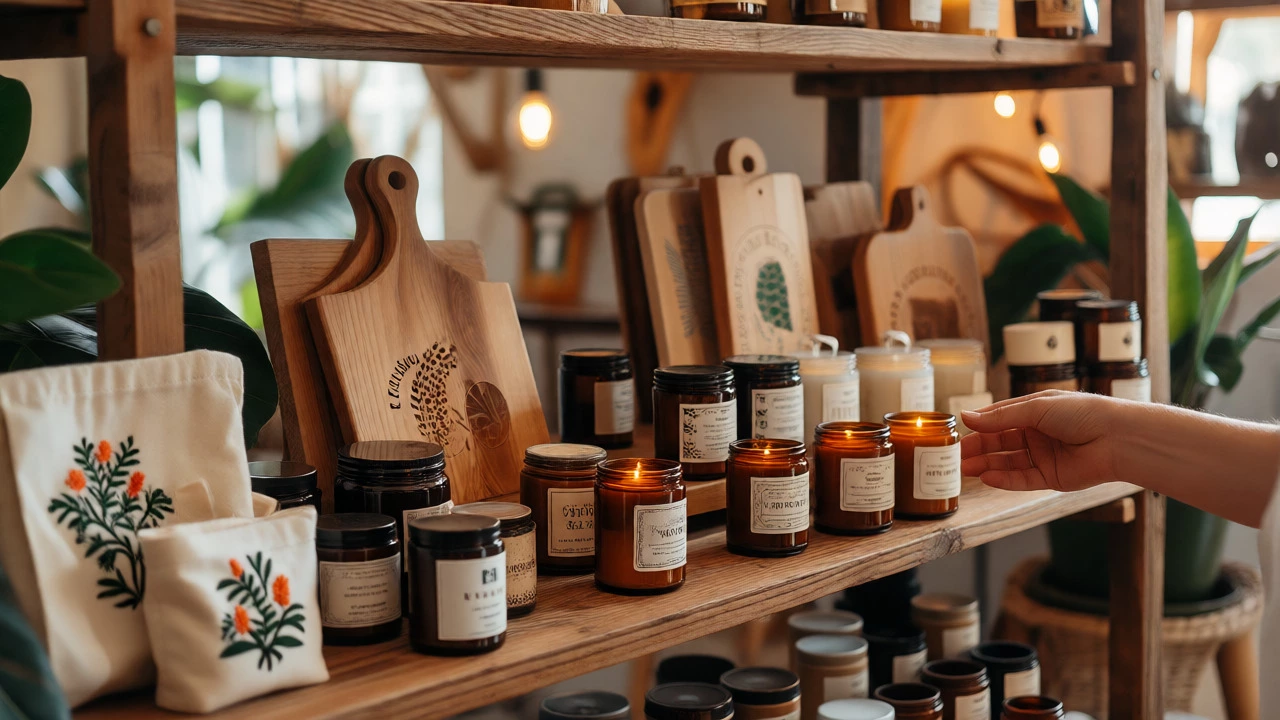
After jewelry, handmade candles take the second spot for sheer volume. This sector exploded during the pandemic and hasn’t slowed down. Candles are consumable, meaning customers come back for refills. Unlike a necklace, which someone buys once a year, a candle burns out in 30-40 hours.
The key here isn’t just the wax; it’s the scent and the branding. Soy wax and beeswax are preferred over paraffin because buyers associate them with cleaner burning and natural ingredients. Scent profiles matter too. While lavender is a classic, niche scents like "old library," "rain on pavement," or seasonal blends like spiced pumpkin drive higher engagement. Small-batch producers who focus on unique scent combinations often outperform mass-produced brands because they offer an experience, not just a light source.
Personalized Gifts Drive Massive Volume
One of the biggest drivers of handmade sales is personalization. When you ask makers what sells best, many will point to custom gifts. This includes engraved cutting boards, embroidered baby blankets, monogrammed tote bags, and custom pet portraits.
Why does this work so well? Because it solves a problem. Finding a thoughtful gift for a wedding, birthday, or anniversary is stressful. A personalized item feels special without requiring the buyer to hunt for something obscure. For example, laser-cut wooden signs with family names sell incredibly well around holidays. Embroidered sweatshirts with specific dates or coordinates (like where a couple met) are another hit. If you have access to a laser engraver or embroidery machine, this is a low-barrier entry point with high margins.
Bath and Body Products Have High Repeat Rates
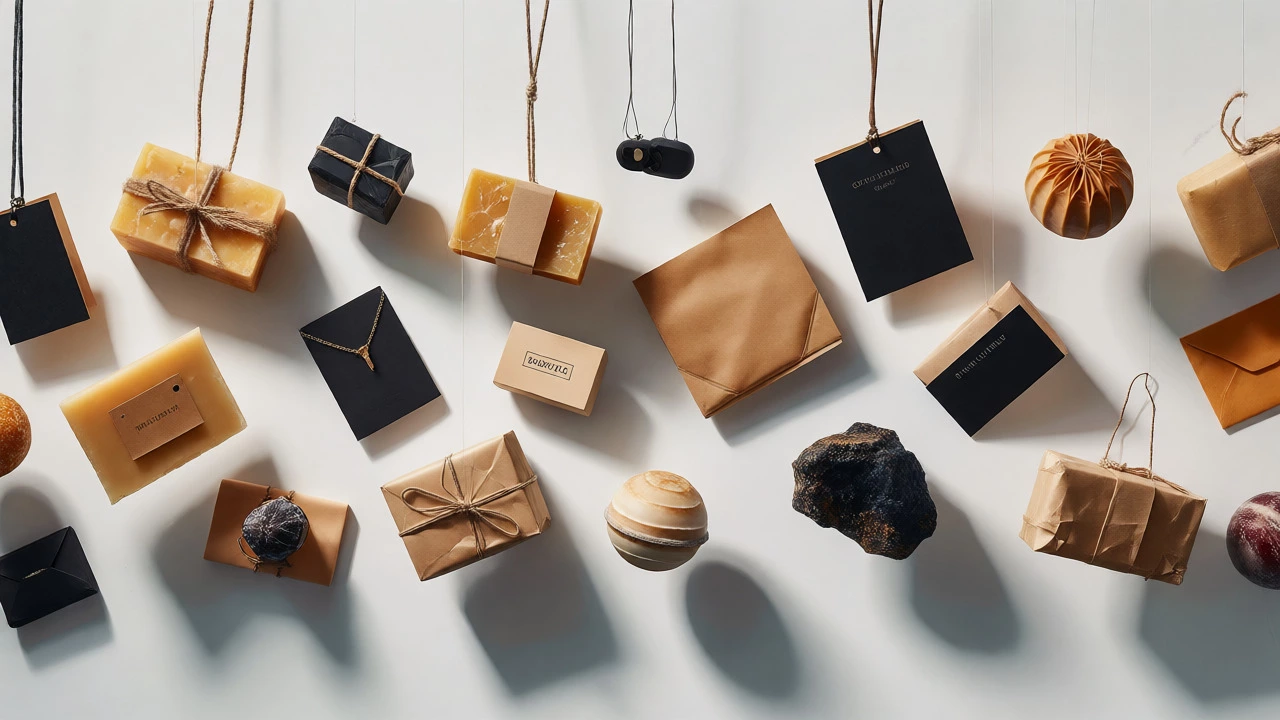
Handmade soap and skincare products are another top-tier category. Like candles, these are consumables. Once a customer loves your shampoo bar or face cream, they return monthly. This builds a loyal customer base, which is worth its weight in gold for a small manufacturing business.
The challenge here is regulation. In the UK and EU, you need to comply with cosmetic safety regulations, which involves testing and labeling requirements. But if you get that right, the payoff is strong. Natural, organic, and vegan labels command higher prices. Bath bombs, though slightly less trendy than they were five years ago, still sell well as affordable luxury items. The trick is packaging. Since soap melts and gets used quickly, the unboxing experience needs to feel premium to justify the price tag compared to supermarket alternatives.
Stationery and Paper Goods Thrive on Nostalgia
In a digital world, physical paper goods have seen a resurgence. Handmade stationery, such as greeting cards, journals, and planners, remains a steady seller. This is particularly true for wedding-related items like invitations and thank-you notes.
Letterpress printing and calligraphy add a tactile quality that emails simply can’t match. Wedding couples spend thousands on their big day, and they want every detail to be cohesive and beautiful. A handmade invitation suite can range from £50 to £200+ depending on complexity. Additionally, bullet journals and art supplies appeal to the creative community. Stickers, washi tape, and notebook covers are low-cost items that encourage impulse buys, making them perfect for adding to an online cart to increase average order value.
How to Choose Your Niche?
So, how do you decide what to make? Don’t just pick what’s popular. Pick what you can sustainably produce. Here is a quick comparison to help you weigh your options:
| Category | Profit Margin | Repeat Customers | Shipping Cost | Regulatory Hurdle |
|---|---|---|---|---|
| Jewelry | High (60-80%) | Low-Medium | Very Low | Low |
| Candles | Medium-High (50-70%) | High | Medium | Low |
| Personalized Gifts | Medium (40-60%) | Low | Variable | Low |
| Bath & Body | Medium (40-60%) | High | Medium | High |
| Stationery | High (60-80%) | Medium | Low | None |
Notice the trade-offs. Jewelry offers the best margins and easiest shipping but requires design skill. Candles offer repeat sales but require careful sourcing of waxes and fragrances. Bath products have the highest regulatory burden but build the strongest brand loyalty. Your choice should align with your skills and budget.
Common Pitfalls New Makers Face
Many new businesses fail not because the product is bad, but because they underestimate the operational side. One major mistake is ignoring shipping costs. If you’re selling a £10 mug, and shipping costs £5, you’ve eaten half your profit. Always factor in packaging materials, postage, and platform fees before setting your price.
Another pitfall is lack of differentiation. If you’re making soy candles, why should someone buy yours instead of the one at Next or Marks & Spencer? You need a unique selling proposition (USP). Maybe it’s your scent blend, your reusable vessel, or your ethical sourcing. Without a clear reason to choose you, you’re competing solely on price, which is a race to the bottom.
Finally, don’t neglect photography. In online handmade markets, the photo is the product. Blurry, poorly lit images kill conversion rates. Invest time in learning basic product photography. Natural light, clean backgrounds, and context shots (e.g., showing a candle on a bedside table) help customers visualize owning the item.
Key Takeaways
- Jewelry leads in volume due to high margins and low shipping costs.
- Candles and Bath Products excel in repeat purchases, building long-term customer relationships.
- Personalization is a powerful driver for gift-oriented sales, especially for weddings and birthdays.
- Success depends on differentiation; generic products struggle against mass-market competitors.
- Always calculate total landed costs including packaging and fees to ensure profitability.
What is the cheapest handmade item to start selling?
Jewelry made from wire and semi-precious stones is often the cheapest to start. You can begin with under £50 for tools and materials. Stationery like printed cards is also low-cost if you have access to a good printer.
Do handmade items really sell better than mass-produced ones?
Not necessarily in terms of volume, but yes in terms of margin and customer loyalty. Mass-produced items win on price and availability. Handmade items win on uniqueness, quality, and the story behind the maker, allowing for higher price points.
Which platform is best for selling handmade goods?
Etsy is the global leader for handmade goods. However, local Facebook Marketplace groups and Instagram shops are increasingly effective for direct-to-consumer sales with lower fees. For established brands, Shopify allows you to own your customer data.
How important is personalization in handmade sales?
It is extremely important. Customizable options allow customers to feel involved in the creation process and create emotional connections to the product. Items like engraved jewelry, monogrammed textiles, and custom-painted ornaments see significantly higher conversion rates.
Are there legal requirements for selling handmade food items?
Yes. If you sell baked goods, jams, or sauces, you must register with your local environmental health department. You may also need food hygiene certificates and liability insurance. Check local regulations as they vary by council and country.