
Indian Chemical Industry Future Readiness Calculator
Assess Your Strategy
Select the profile that best matches your current or planned operational focus.
Readiness Report 2026
Strategic Verdict:
Select options to generate your strategic assessment based on the 2026 Indian Chemical Landscape.
Walk into any pharmacy, car showroom, or smartphone store in Mumbai today, and you are looking at the result of a massive, invisible engine. That engine is the Indian chemical industry. It is no longer just about bulk commodities like sulfuric acid or caustic soda. The landscape has shifted dramatically. By mid-2026, the question isn't whether the sector will grow, but how fast it can pivot toward high-value, sustainable solutions while managing the intense pressure of global supply chain realignment.
If you are an investor, a manufacturer, or a policy watcher, the signal is clear: India is becoming the world’s alternative hub for chemical production. But this transition comes with strict new rules on carbon emissions and a fierce demand for specialty products that drive pharmaceuticals and electronics.
The Big Picture: From Commodity to Specialty
For decades, the narrative around chemical manufacturers India focused on volume. We made cheap stuff, exported it, and moved on. That model is dying. The future lies in complexity. The global market is shifting away from generic bulk chemicals toward specialty chemicals, which include agrochemicals, dyes, pigments, and electronic-grade materials.
Why does this matter? Because margins in bulk chemicals are razor-thin and heavily dependent on crude oil prices. Specialty chemicals, however, command higher prices because they require proprietary technology and precise quality control. India already holds a dominant position in active pharmaceutical ingredients (APIs) and agrochemicals. The next logical step is moving up the value chain into intermediates and finished formulations that serve the semiconductor and renewable energy sectors.
This shift is not accidental. It is driven by two forces: the 'China Plus One' strategy adopted by multinational corporations seeking diversification, and India's own push to reduce import dependency on critical raw materials.
Sustainability Is No Longer Optional
Let’s talk about the elephant in the room: pollution. The chemical industry has historically been one of the most polluting sectors globally. In India, the regulatory environment has tightened significantly since 2023. The Central Pollution Control Board (CPCB) has enforced stricter norms on effluent discharge and air quality around industrial clusters like Gujarat and Maharashtra.
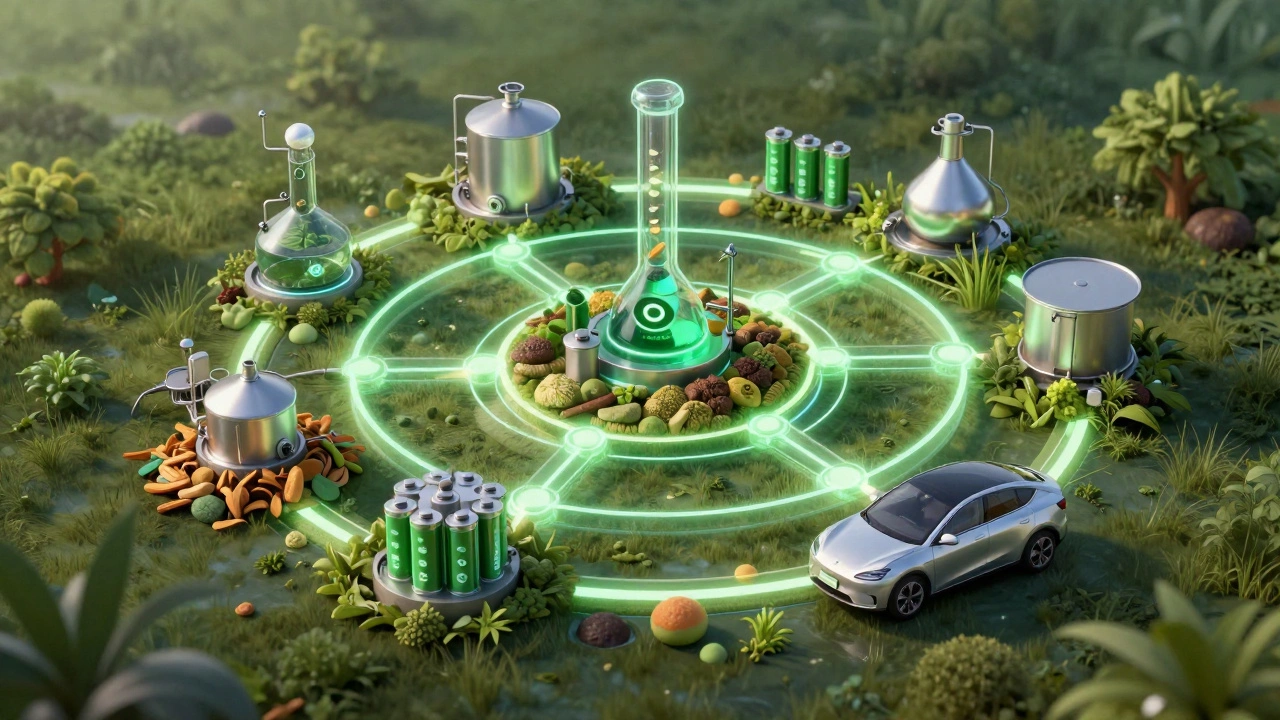
This pressure has birthed a new era of green chemistry in India. Companies are no longer asking if they can afford to go green; they are asking how quickly they can implement circular economy models. This means recycling solvents, using bio-based feedstocks instead of petroleum, and adopting electrification in heating processes.
- Bio-refineries: Several startups in Tamil Nadu and Karnataka are converting agricultural waste into platform chemicals, reducing reliance on fossil fuels.
- Carbon Capture: Large-scale players like Reliance Industries and Adani Wilmar are piloting carbon capture utilization and storage (CCUS) projects to meet net-zero targets by 2050.
- Water Stewardship: Zero Liquid Discharge (ZLD) systems are now mandatory for many new plants, turning wastewater treatment from a cost center into a resource recovery opportunity.
The companies that fail to adapt to these environmental standards will find themselves locked out of export markets in Europe and North America, where carbon border adjustment mechanisms (CBAM) are starting to bite.
Government Push: PLI Schemes and Infrastructure
You cannot discuss the future of chemicals in India without mentioning the government’s role. The Production Linked Incentive (PLI) scheme for specialty chemicals, announced in 2021 and fully rolling out its benefits by 2025-2026, has been a game-changer. It offers financial incentives based on incremental sales, encouraging domestic manufacturing of high-value products.
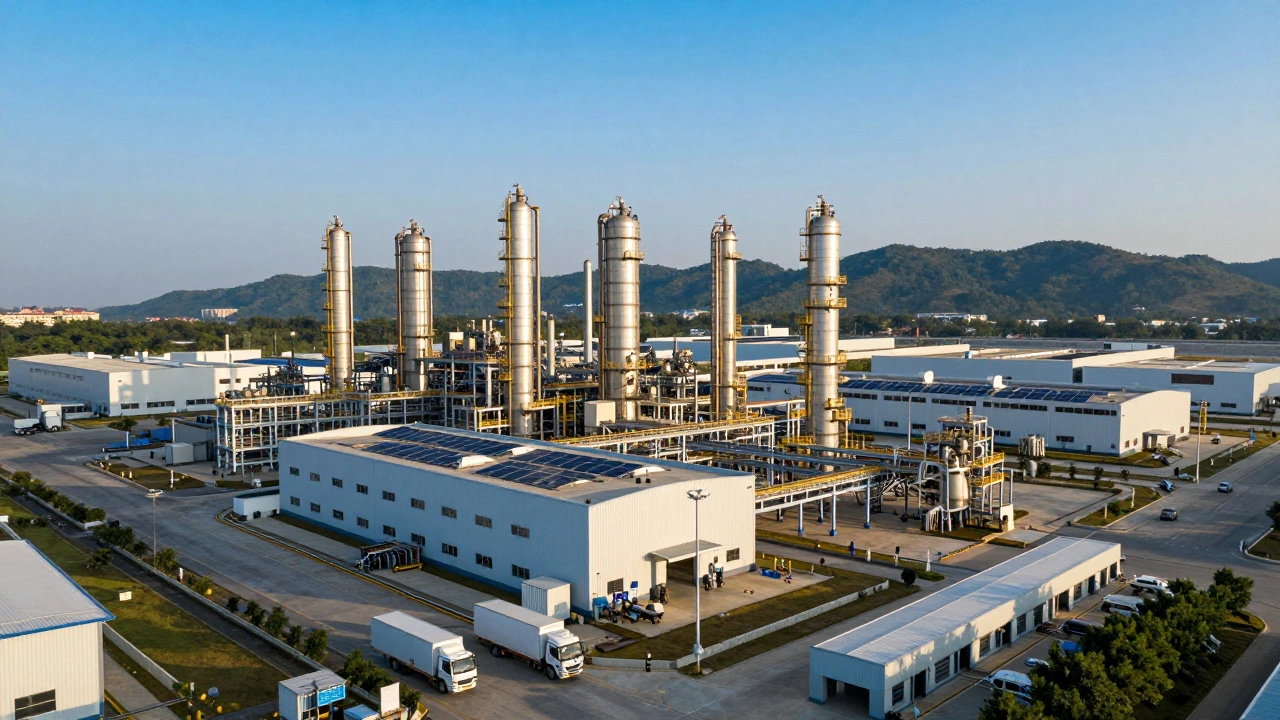
Additionally, the development of dedicated chemical parks is reshaping the geography of the industry. Clusters in Gujarat (Dahej, Ankleshwar), Maharashtra (Taloja), and Andhra Pradesh (Visakhapatnam) are being upgraded with shared infrastructure, including steam networks, waste treatment facilities, and logistics hubs. This reduces the capex burden for individual manufacturers and improves safety standards.
The government is also pushing for the localization of battery chemicals. With the boom in electric vehicles (EVs), the demand for lithium-ion battery components-such as electrolytes, separators, and cathode materials-is skyrocketing. India aims to build a complete EV supply chain domestically, creating a massive new vertical for chemical producers.
| Driver | Impact | Key Players/Beneficiaries |
|---|---|---|
| PLI Scheme | Incentivizes domestic production of specialty chemicals | Aristo, Deepak Nitrite, PI Industries |
| Green Regulations | Forces adoption of ZLD and renewable energy | All major manufacturers, especially in Gujarat/Maharashtra |
| EV Boom | Creates demand for battery-grade chemicals | National Aluminium Company, Exide Industries |
| China Plus One | Increases foreign direct investment (FDI) | Multinationals setting up joint ventures in India |
Technology and Digitalization
The factory floor of the future is digital. Indian chemical manufacturers are increasingly adopting Industry 4.0 technologies. This isn’t just about installing robots; it’s about data integration. Sensors monitor temperature, pressure, and flow rates in real-time, feeding data into AI-driven analytics platforms.
This digital layer allows for predictive maintenance, reducing downtime by up to 30%. It also enhances safety, which is critical in an industry dealing with hazardous materials. Furthermore, blockchain is being explored for supply chain transparency, ensuring that raw materials are sourced ethically and sustainably-a key requirement for Western buyers.
Startups are playing a crucial role here. Fintech firms are offering working capital loans based on real-time inventory data, solving the chronic cash-flow issues that plague small and medium enterprises (SMEs) in the chemical sector.
Challenges Ahead
It’s not all smooth sailing. The industry faces significant headwinds. First, there is the issue of skilled labor. As processes become more complex and automated, the need for highly trained engineers and technicians grows. India currently has a shortage of such talent, leading to competition with IT and pharma sectors.
Second, logistics remain a bottleneck. While ports are improving, inland transportation of hazardous chemicals is still fraught with regulatory hurdles and safety concerns. Delays in customs clearance can disrupt just-in-time manufacturing schedules.
Finally, global economic uncertainty poses a risk. A slowdown in China or Europe would directly impact export orders. Indian manufacturers must therefore balance their growth strategies between domestic consumption and international exports.
Who Wins and Who Loses?
The winners in this new era will be the agile, integrated players. Companies that control their own feedstock supply, invest in R&D for specialty products, and maintain rigorous sustainability standards will thrive. Think of firms like Deepak Nitrite or PI Industries, which have successfully expanded their product portfolios beyond traditional lines.
The losers will be the small, unorganized units that rely on cheap labor and ignore environmental compliance. They will either be forced to shut down or acquire by larger conglomerates. Consolidation is inevitable.
For investors, the focus should be on companies with strong balance sheets and a clear roadmap for decarbonization. Look for those involved in the EV value chain or those supplying to the growing domestic pharmaceutical market.
Conclusion: A Golden Decade?
The future of chemicals in India is bright, but it demands adaptation. The days of low-cost, high-pollution manufacturing are over. The next decade will belong to those who combine technological innovation with sustainable practices. If you are part of this industry, the time to act is now. Invest in green tech, upskill your workforce, and align with global sustainability standards. The reward will be a resilient, profitable, and respected place in the global chemical ecosystem.
What is the biggest challenge for chemical manufacturers in India in 2026?
The biggest challenge is balancing rapid growth with stringent environmental regulations. Manufacturers must invest heavily in green technologies like Zero Liquid Discharge (ZLD) and renewable energy to comply with local laws and meet international carbon standards, which increases operational costs.
How is the PLI scheme helping the chemical industry?
The Production Linked Incentive (PLI) scheme provides financial rewards based on incremental sales of specialty chemicals. This encourages domestic manufacturing, reduces import dependency, and attracts foreign investment by making India a more competitive production hub compared to other Asian countries.
Which segments of the chemical industry are growing fastest?
Specialty chemicals, particularly those used in pharmaceuticals (APIs), agrochemicals, and electric vehicle batteries, are growing the fastest. These segments offer higher profit margins and are less susceptible to commodity price fluctuations than bulk chemicals.
Is India replacing China as a chemical manufacturing hub?
India is not replacing China entirely but is becoming a vital alternative under the 'China Plus One' strategy. Multinational companies are diversifying their supply chains to mitigate geopolitical risks, leading to increased investment in Indian chemical parks and joint ventures.
What role does sustainability play in the future of Indian chemicals?
Sustainability is central to the industry's future. Regulatory pressures and global consumer demand are forcing manufacturers to adopt green chemistry principles, recycle resources, and reduce carbon footprints. Companies that fail to do so risk losing access to lucrative export markets in Europe and North America.