Voltage Difference US India: Why Power Standards Differ and What It Means for You
When you plug in a device from the United States, a country using 120 volts at 60 Hz for most household power into an outlet in India, a nation running on 230 volts at 50 Hz, you’re not just changing outlets—you’re crossing an electrical divide. This isn’t a minor detail. It’s the difference between your phone charging safely and your toaster frying. The voltage difference US India isn’t random; it’s rooted in history, infrastructure, and safety choices made decades ago. And if you’re shipping electronics, traveling, or setting up a home office between the two, ignoring this gap can cost you money—or worse.
Why does the US use 120 volts while India uses 230? Back in the early 1900s, the US went with lower voltage for safety reasons, especially in homes with less advanced wiring. India, building its grid later, followed the European model: higher voltage means thinner wires, lower energy loss over long distances, and cheaper infrastructure. That’s why Indian homes can run more appliances on a single circuit. But here’s the catch: your US-made laptop charger might handle both. Your hair dryer? Probably not. Most modern electronics—phones, laptops, cameras—have switched-mode power supplies that auto-adjust between 100–240 volts. But anything with a heating element or motor? That’s where trouble starts. A 120-volt kettle plugged into a 230-volt socket doesn’t just run slow—it can overheat, melt, or catch fire.
This isn’t just about travel adapters. If you’re importing machinery, setting up a small factory in India using US-made tools, or even ordering electronics online, you need to know what your gear can handle. Many manufacturers label devices with "100–240V, 50/60Hz"—that’s your safe zone. If it says only "120V", don’t plug it in without a proper voltage converter, a device that steps down or steps up electrical current to match local supply. And don’t confuse converters with simple plug adapters. One changes voltage; the other just lets you fit the plug. Also, frequency matters. Motors in fans, pumps, or refrigerators designed for 60 Hz may run slower or overheat on 50 Hz. It’s not always obvious, but it adds up over time.
What you’ll find in the posts below isn’t theory—it’s real-world examples. From steel plants in Gujarat running US-made equipment to Indian startups importing electronics from the US, people are navigating this gap every day. You’ll see how manufacturers adapt, what tools actually work across borders, and why some products fail before they even turn on. No marketing fluff. Just facts about what works, what doesn’t, and how to protect your gear when the voltage doesn’t match.
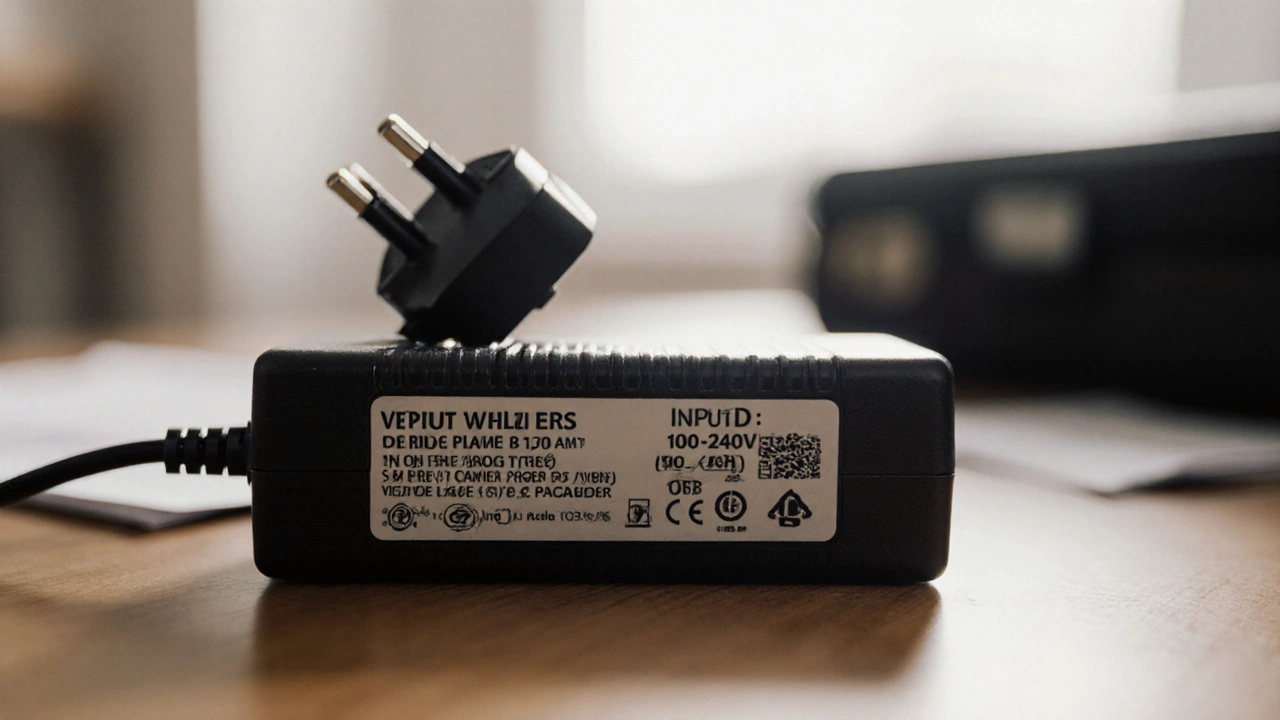
Will US Electronics Work in India? Voltage, Plugs, and What You Really Need to Know
Will your US electronics work in India? Learn what devices are safe, which ones to avoid, and how to use them without damage. Voltage, plugs, and real-world tips for travelers and expats.
Electronics Manufacturing
Latest Posts





Tags
- manufacturing
- small scale manufacturing
- plastic manufacturing
- plastic pollution
- India
- food processing
- textile industry
- government schemes
- electronics manufacturing
- small business
- steel manufacturing
- startup ideas
- production
- textile manufacturers India
- manufacturing business ideas
- business ideas
- chemical manufacturers India
- electronics manufacturing India
- steel manufacturing plants
- plastic manufacturers