USA Manufacturing: What's Made There and How It Connects to India
When you think of USA manufacturing, the large-scale production of steel, plastics, electronics, and machinery in the United States. Also known as American industrial output, it's not just about factories—it's about supply chains that reach every corner of the world, including India. The U.S. doesn’t just make things—it makes the parts that go into things made elsewhere. Nucor Corporation, the largest steel fabricator in the U.S., handles over 12 million tons of steel each year, feeding construction and renewable energy projects nationwide. Meanwhile, Dow Inc. leads the U.S. plastics market, producing the raw materials that end up in packaging, appliances, and even medical devices across continents.
But here’s the real shift: while the U.S. still dominates in volume and scale, cost and speed are pushing production elsewhere. India is stepping up—not to replace the U.S., but to complement it. States like Gujarat and Tamil Nadu are now hubs for electronics manufacturing, using the same design specs and quality standards as American brands. And when it comes to steel, the U.S. might lead in fabrication, but India is growing fast in output and innovation, especially in custom machinery and low-cost components. The relationship isn’t competition—it’s connection. Your phone might be designed in California, assembled in India, and powered by a battery made with chemicals from Gujarat.
It’s not just about who makes what. It’s about what happens when you compare standards. Will your U.S. electronics work in India? The answer isn’t simple—it’s about voltage, plugs, and whether the device can handle 230V instead of 120V. That’s the kind of detail that matters when you’re sourcing, shipping, or scaling. And when you look at the top U.S. plastic polluters like Coca-Cola and Nestlé, you start to see how global brands shape not just production, but environmental impact too. These aren’t just corporate names—they’re systems that affect factories, workers, and communities on both sides of the ocean.
Below, you’ll find real insights from posts that dig into these connections: who leads in U.S. steel fabrication, which American companies dominate plastics, how electronics prices vary by country, and why Indian manufacturers are now competing—and collaborating—with U.S. firms. No fluff. Just facts that help you understand where things come from, and where they’re headed next.
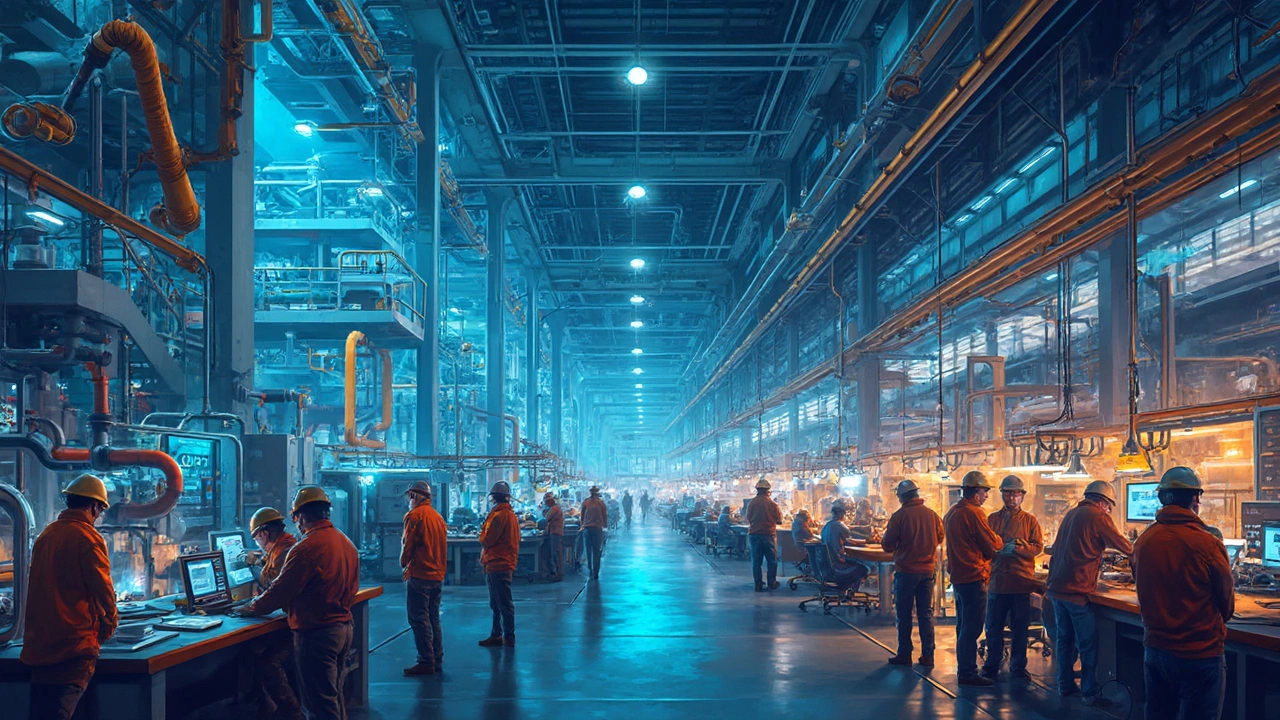
Most Profitable Manufacturing Businesses in the USA
This article explores which manufacturing businesses are the most profitable in the United States. It dives into various sectors, highlighting specific industries and companies that lead the market. Readers will learn about factors driving profitability and receive practical tips for entering the manufacturing sector. From tech to healthcare products, discover where businesses find the most success.
Manufacturing Companies
Latest Posts





Tags
- manufacturing
- small scale manufacturing
- plastic manufacturing
- plastic pollution
- India
- food processing
- textile industry
- government schemes
- electronics manufacturing
- small business
- steel manufacturing
- startup ideas
- production
- textile manufacturers India
- manufacturing business ideas
- business ideas
- chemical manufacturers India
- electronics manufacturing India
- steel manufacturing plants
- plastic manufacturers