Textile Mill Setup Cost: What It Really Takes to Start in India
Starting a textile mill, a facility that spins, weaves, or finishes fabric for clothing and home goods in India isn’t just about buying machines. It’s about understanding local incentives, labor rules, power supply, and the real cost of running day-to-day operations. Many think it’s all about the looms and spinning frames, but the biggest surprises come from things like water treatment, worker housing, and customs duties on imported parts. In states like Gujarat, a major hub for textile manufacturing in India with strong government support, you get subsidies and tax breaks that can cut your initial cost by 20% or more. But if you’re setting up in Uttar Pradesh or Tamil Nadu, the rules, power costs, and logistics change completely.
The textile machinery cost, the price of equipment like spinning frames, looms, and dyeing units needed to run a mill alone can range from ₹50 lakh for a tiny operation to over ₹5 crore for a medium-scale plant. A basic ring spinning machine costs around ₹15-20 lakh. Add automatic looms, and you’re looking at another ₹30-40 lakh per unit. But here’s what most beginners miss: maintenance, spare parts, and skilled operators. A machine might be cheap to buy, but if you don’t have technicians who know how to fix it, it becomes a paperweight. And in textile manufacturing, downtime means lost orders, lost trust, and lost money. You also need to factor in building costs—factories need high ceilings, strong floors, ventilation, and proper drainage for dye waste. Then there’s electricity: textile mills run 24/7, and power bills can eat up 30% of your monthly revenue if you’re not on an industrial tariff.
What makes this even trickier is that the Indian textile market isn’t one-size-fits-all. If you’re making denim for export, you need different machines than if you’re producing cotton sarees for local markets. The textile industry Gujarat, a leading center for textile production in India known for its policy support and cluster-based manufacturing offers ready-made industrial parks with treated water and common infrastructure—saving you millions. Elsewhere, you’re building everything from scratch. The good news? Small textile businesses are thriving because they focus on niche products: organic cotton, handloom blends, or custom prints. You don’t need a huge mill to make money. You just need the right machine mix, the right location, and the right understanding of what buyers actually want.
Below, you’ll find real examples from people who’ve done this—what they spent, where they cut corners, and what they wish they’d known before signing the lease. Whether you’re thinking about starting small or scaling up, the answers are here.
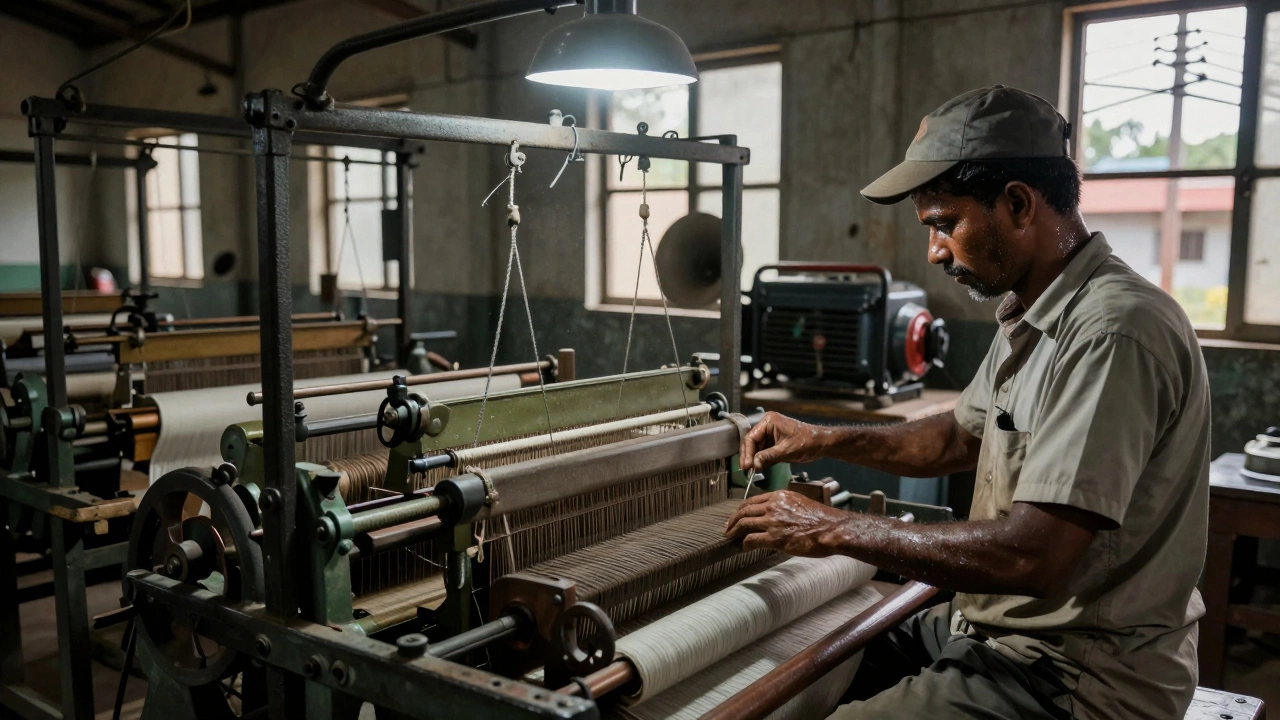
Is a Textile Mill Profitable in India? Real Costs, Profits, and 2025 Reality
Is a textile mill profitable in India in 2025? The answer depends on specialization, cost control, and buyer relationships. Small mills survive by avoiding generic yarn and focusing on niche markets with higher margins.
Textile Manufacturing
Latest Posts

Tags
- manufacturing
- small scale manufacturing
- plastic manufacturing
- India
- plastic pollution
- food processing
- textile industry
- government schemes
- electronics manufacturing
- small business
- steel manufacturing
- startup ideas
- production
- textile manufacturers India
- manufacturing business ideas
- business ideas
- chemical manufacturers India
- electronics manufacturing India
- steel manufacturing plants
- manufacturing business