Sustainability in Manufacturing: How Indian Factories Are Cutting Waste and Saving Money
When we talk about sustainability, the practice of making products without harming the environment or depleting resources for future generations. Also known as green manufacturing, it’s no longer a nice-to-have—it’s the new baseline for staying in business. In India, factories that used to burn coal and dump plastic waste are now turning scrap into profit, cutting water use by half, and powering lines with solar. This isn’t charity. It’s smart economics.
Take waste reduction, the process of minimizing material loss during production. One textile mill in Gujarat now reuses 90% of its fabric scraps to make bags and padding—turning trash into a $200,000-a-year side business. Another steel plant in Odisha captures heat from its furnaces to warm its offices, slashing its electricity bill by 40%. These aren’t startups. These are established manufacturers doing what works. eco-friendly production, making goods with lower environmental impact through cleaner processes and renewable inputs doesn’t require fancy tech. Often, it just means rethinking what you throw away.
And it’s not just about the planet. Customers, investors, and even government subsidies now favor businesses that can prove they’re reducing emissions, using less water, or recycling materials. The Gujarat Textile Policy 2024 gives tax breaks to factories that cut water use. India’s push for electronics manufacturing rewards companies that reuse metals and avoid toxic chemicals. Sustainability isn’t a trend—it’s a requirement for growth.
Below, you’ll find real stories from Indian factories that cut costs by going green. From turning plastic waste into profit to building zero-waste food processing lines, these aren’t theories. They’re blueprints. If you run a small shop, a medium factory, or just want to know how manufacturing is changing, you’ll find something here that works—right now, with what you’ve got.
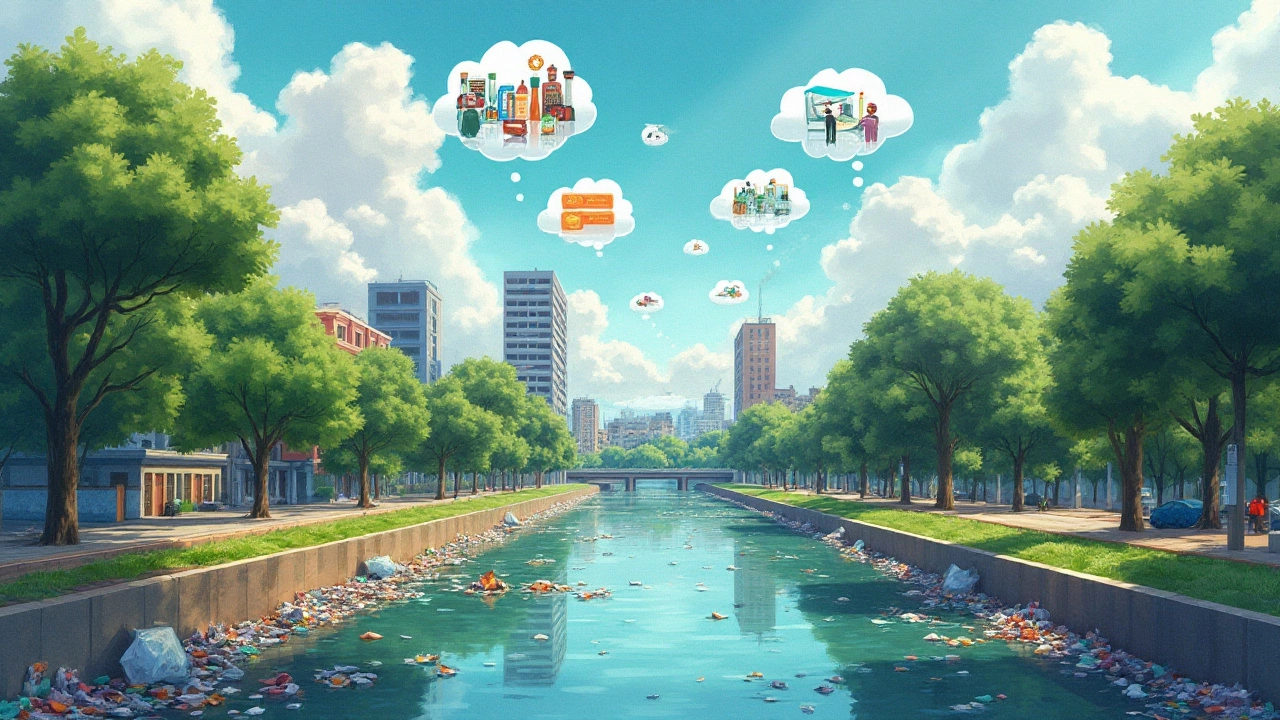
Unmasking the Culprits: Who Holds Responsibility for Plastic Pollution?
Plastic pollution is a growing environmental crisis that affects ecosystems and human health. While consumers often bear the blame, a significant part of the responsibility lies with plastic manufacturing companies. By understanding their role in pollution and the initiatives some companies are taking for sustainability, we can forge a path towards a cleaner planet. This article explores the complex relationship between manufacturers, policies, and public demand in tackling plastic waste.
Business and Industry
Latest Posts



Tags
- manufacturing
- small scale manufacturing
- plastic manufacturing
- plastic pollution
- India
- food processing
- textile industry
- government schemes
- electronics manufacturing
- small business
- steel manufacturing
- startup ideas
- production
- textile manufacturers India
- manufacturing business ideas
- business ideas
- chemical manufacturers India
- electronics manufacturing India
- steel manufacturing plants
- plastic manufacturers