Reshoring: Why Manufacturing Is Coming Back to the US and India
When you buy a product labeled reshoring, the practice of moving manufacturing operations back to a company’s home country after outsourcing them overseas. Also known as onshoring, it’s not just a trend—it’s a response to broken supply chains, rising shipping costs, and unpredictable global risks. For years, companies chased the cheapest labor overseas. But when the pandemic shut down ports and China locked down factories, businesses realized how dangerous that strategy really was. Now, they’re asking: Why not make it closer to home?
That’s where US manufacturing, the revival of industrial production within the United States, driven by government incentives, automation, and consumer demand for faster delivery and India manufacturing, the rapid growth of local production in India, supported by policy changes, skilled labor, and lower costs than China come in. The US is offering tax breaks and grants to bring back electronics, medical devices, and steel. India, meanwhile, is becoming a hub for everything from textiles to electronics, thanks to its Make in India initiative and growing domestic market. These aren’t just government slogans—they’re real shifts in how companies source and build products.
Reshoring doesn’t mean going back to 1950s factories. It means using smart machines, lean processes, and local talent to make things faster, cheaper, and more reliable. A company in Ohio can now produce a part in two days instead of waiting six weeks for it to ship from Vietnam. A small factory in Gujarat can make custom electronics components that match US quality standards—without the import fees. This isn’t about patriotism. It’s about control, speed, and cost stability.
What’s driving this change? Three things: supply chain resilience, rising labor costs in Asia, and customers who want to know where their stuff comes from. You don’t need a PhD to understand this. If your phone breaks and the repair part takes months to arrive, you’ll appreciate a local maker who can fix it next week. If your company loses $2 million because a container ship got stuck in the Suez Canal, you’ll rethink your entire sourcing plan.
Below, you’ll find real examples of how businesses are making this shift work—from small makers turning scrap into profit to big players rebuilding their supply chains. You’ll see how India is rising fast in furniture and electronics, why US steel fabrication is booming, and how simple manufacturing ideas are becoming the fastest way to start a business. This isn’t theory. It’s happening now, in factories you might not even know about.
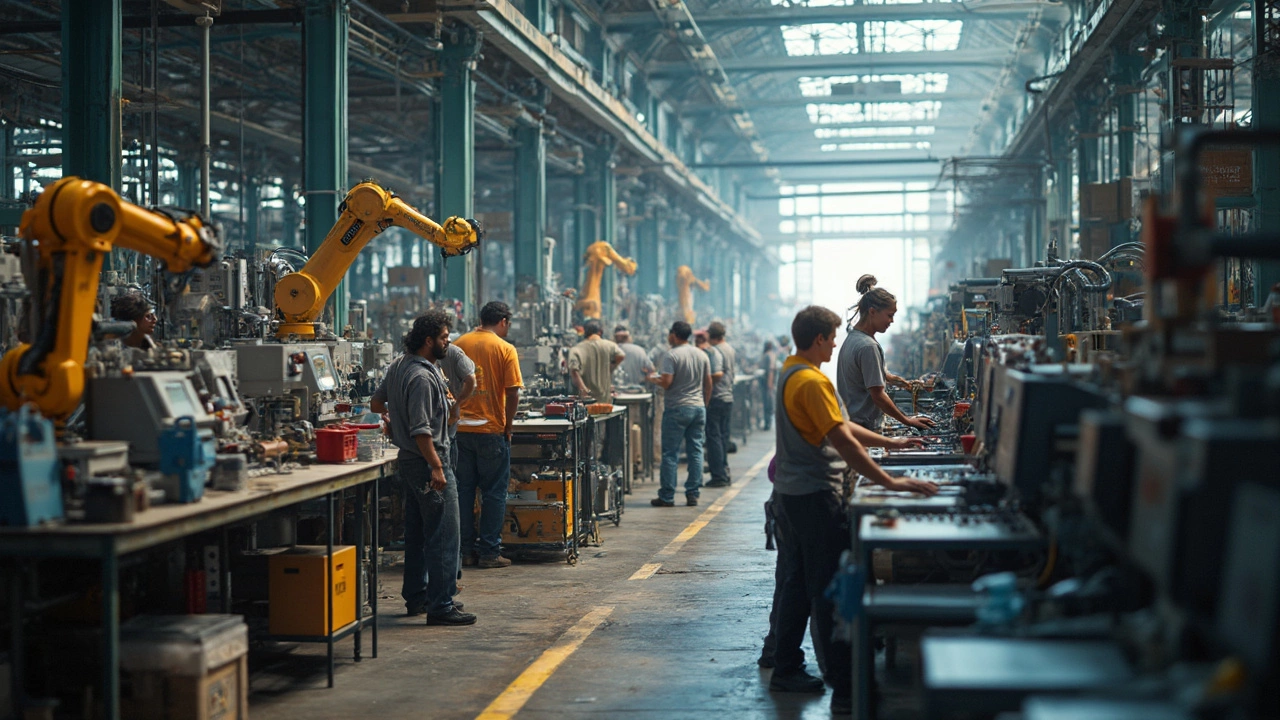
Are Manufacturing Jobs Coming Back to America? New Realities Behind the Headlines
This article looks at whether manufacturing jobs are really returning to America and what that means for workers. It explores the impact of government policies, incentives, and the changing nature of factory work. You'll get honest insight into the jobs that are coming back and what kinds of skills employers want now. Plus, expect tips on how to take advantage of this shift if you're thinking about a career in manufacturing.
Government Schemes
Latest Posts



Tags
- manufacturing
- small scale manufacturing
- plastic manufacturing
- plastic pollution
- India
- food processing
- textile industry
- government schemes
- electronics manufacturing
- small business
- steel manufacturing
- startup ideas
- production
- textile manufacturers India
- manufacturing business ideas
- business ideas
- chemical manufacturers India
- electronics manufacturing India
- steel manufacturing plants
- plastic manufacturers