Processing Units in Manufacturing: What They Are and How They Drive Production
When you think of manufacturing, you might picture robots or big machines, but the real magic happens in processing units, the basic, repeatable steps that transform raw materials into usable products. Also known as unit operations, these are the building blocks of every factory—from a tiny food lab in Gujarat to a massive steel plant in Pennsylvania. These aren’t fancy tech tricks. They’re simple, proven actions: cleaning, mixing, heating, drying, cutting, packaging. Do them right, and you get safe, consistent, high-quality output. Do them wrong, and you waste time, money, and materials.
Every product you touch—bread, steel beams, plastic bottles, pharmaceutical pills—went through a sequence of these processing units. In food manufacturing, it’s cleaning raw grains, grinding them, mixing with water and yeast, baking, then cooling and sealing. In metal fabrication, it’s cutting steel sheets, welding parts, sanding edges, and coating for rust protection. Even in electronics, it’s cleaning circuit boards, soldering components, testing connections, and packaging for shipment. The tools change, but the core units stay the same. That’s why understanding them lets you fix problems fast, cut costs, and scale without chaos.
What makes processing units powerful is how they connect. A bad cleaning step ruins everything downstream. A poorly controlled drying step can crack a ceramic part or spoil a batch of spices. That’s why factories don’t just buy machines—they design workflows around these units. In India, places like Gujarat and Tamil Nadu are building smart factories by optimizing these steps, not just adding robots. They’re asking: Can we reduce drying time by 20%? Can we combine cleaning and sorting into one step? Can we reuse heat from one unit to power another? That’s where real efficiency lives.
You don’t need a degree to see this. Look at the small makers in your city—someone turning recycled plastic into planters, or a family business making pickles in jars. They’re using processing units too. Maybe they’re just boiling, bottling, and sealing. But if they nail those steps, they outperform big brands with more money. That’s the truth: processing units are the great equalizer in manufacturing. Whether you’re running a workshop with two people or a plant with two thousand, your success depends on how well you master these basic moves.
Below, you’ll find real stories from Indian and global factories showing exactly how these units work in practice—from food preservation to steel fabrication. No theory. No fluff. Just what’s happening on the ground, and how ordinary people are using these steps to build better businesses.

Understanding Processing Units: Types, Roles, and Uses in Modern Technology
Curious about the brains behind your gadgets? Discover the different types of processing units, their roles, and how they shape our digital lives from smartphones to servers.
Manufacturing Technology
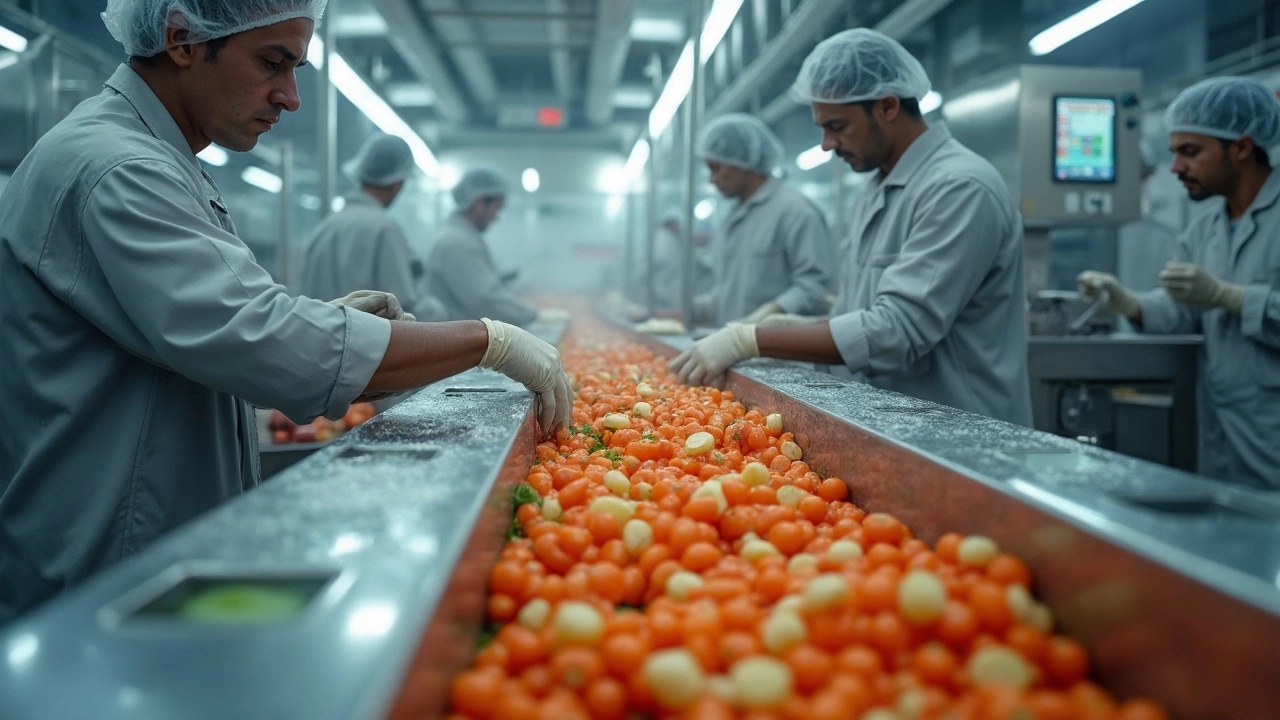
Unit Operations of Food Processing: What Actually Happens in the Plant?
Curious what's really happening inside a food processing plant? This article breaks down the key unit operations, step by step. From how raw ingredients get cleaned to how they're turned into the snacks you find on your shelf, everything is covered with simple examples. Dive into the basics and pick up real tips on making food safer, tastier, and longer-lasting. It's practical, jargon-free, and perfect for anyone who wants to know how their food is made.
Food ProcessingLatest Posts





Tags
- manufacturing
- small scale manufacturing
- plastic manufacturing
- India
- plastic pollution
- food processing
- textile industry
- government schemes
- electronics manufacturing
- small business
- steel manufacturing
- startup ideas
- production
- textile manufacturers India
- manufacturing business ideas
- business ideas
- chemical manufacturers India
- electronics manufacturing India
- steel manufacturing plants
- manufacturing business