Processing Equipment: Tools That Power Indian Manufacturing
When you think of manufacturing, you might picture workers assembling parts—but what really makes it all happen is processing equipment, machines that transform raw materials into finished goods through cutting, shaping, heating, mixing, or packaging. Also known as industrial machinery, these tools are the silent engines behind everything from steel beams to packaged snacks. Without them, production stalls. In India, where factories are scaling fast and small manufacturers are stepping up, the right processing equipment isn’t just helpful—it’s the difference between staying open and falling behind.
Processing equipment covers a wide range of machines, each built for a specific job. In food processing, machines that clean, mix, heat, dry, and seal food products, you’ll find conveyors that move vegetables, pasteurizers that kill bacteria, and fillers that pack yogurt into cups—all working in sync. In metal fabrication, equipment like CNC plasma cutters, hydraulic presses, and welding robots shape steel into structures for buildings, bridges, and solar panels. Even in plastics and chemicals, machines extrude, mold, and mix raw compounds into usable forms. These aren’t fancy gadgets—they’re rugged, reliable tools that run 12 hours a day, six days a week, in factories across Gujarat, Tamil Nadu, and Maharashtra.
What’s changing now? Indian manufacturers aren’t just buying equipment—they’re adapting it. A small food unit in Punjab might retrofit an old mixer to handle local spices. A workshop in Ludhiana might weld a custom jig to cut metal faster than imported machines. You don’t need the most expensive gear to make quality products—you need the right gear for your scale, your material, and your market. That’s why the posts below dive into real examples: how a single machine can turn scrap into profit, how food plants cut waste with better separation tools, and why some factories skip big brands to build their own solutions. Whether you’re running a tiny workshop or planning to scale, understanding what processing equipment does—and how to use it wisely—will save you time, money, and headaches.
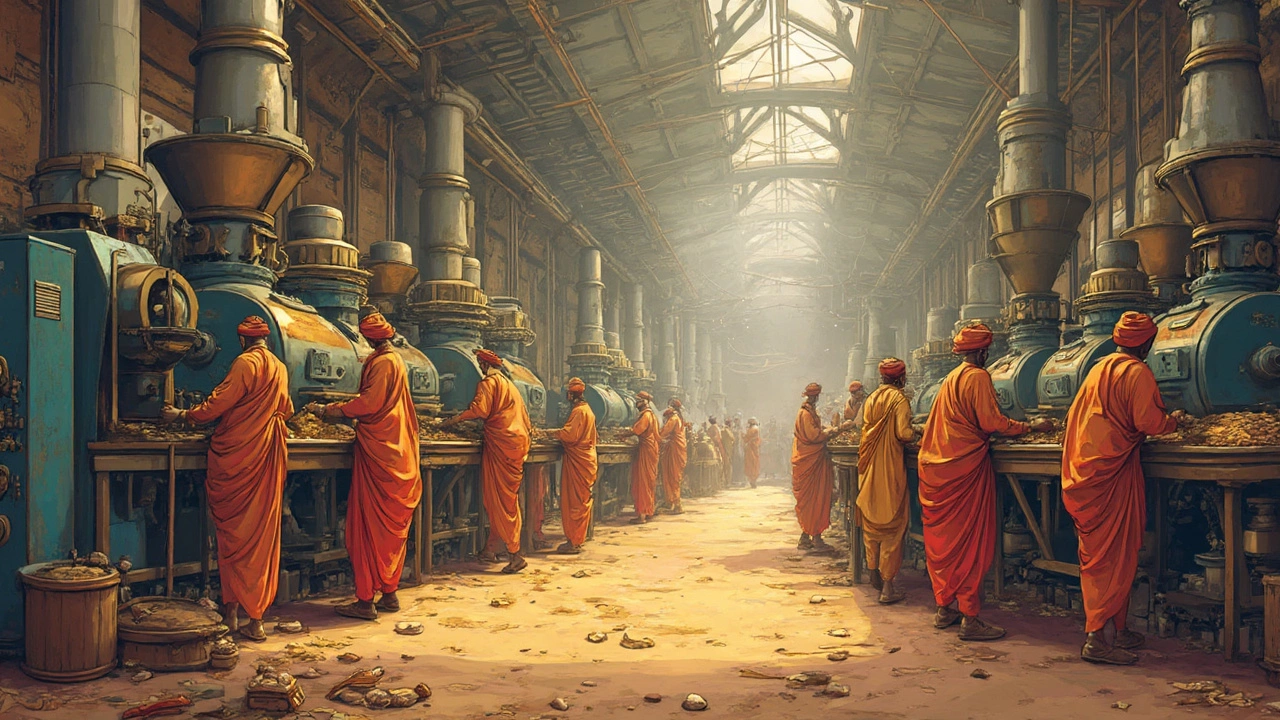
Understanding Food Processing Units: A Basic Guide
Food processing units transform raw ingredients into consumable goods in efficient and cost-effective ways. They play a crucial role in scaling production while maintaining quality and safety. Understanding these units can help businesses choose the right equipment to meet their production needs. From grinding grains to packaging finished products, food processing units help manage each stage of food production.
Food Processing
Latest Posts



Tags
- manufacturing
- small scale manufacturing
- plastic manufacturing
- plastic pollution
- India
- food processing
- textile industry
- government schemes
- electronics manufacturing
- small business
- steel manufacturing
- startup ideas
- production
- textile manufacturers India
- manufacturing business ideas
- business ideas
- chemical manufacturers India
- electronics manufacturing India
- steel manufacturing plants
- plastic manufacturers