Manufacturing Types: Common Methods Used in India and Around the World
When you think of manufacturing types, the different ways products are made at scale. Also known as production methods, it isn’t just one thing. From a single craftsman making wooden furniture in Gujarat to a factory in Tamil Nadu churning out 10,000 smartphones a day, the way things are made changes everything—cost, speed, quality, and who can afford it.
There are batch manufacturing, making a set number of identical items in groups, which is huge in India’s pharmaceutical and food industries. Think of a small plant producing 500 bottles of syrup at a time, then switching to another formula. Then there’s continuous manufacturing, a never-stop process for things like steel, chemicals, or plastic pellets. Gujarat’s chemical hubs run this way—24/7, with machines feeding into each other like a conveyor belt. And then you’ve got job shop manufacturing, custom work for one-off or low-volume orders, which powers India’s handcrafted furniture, textiles, and auto parts makers. These small shops don’t need big budgets—they just need skilled hands and smart tools.
Mass production is the giant in the room. It’s what makes your phone, your sneakers, your car parts cheap and everywhere. Companies like Foxconn and Tata Electronics use it, but so do thousands of smaller suppliers across Karnataka and Punjab. It’s not glamorous, but it’s the backbone of exports. Meanwhile, some manufacturing types are fading—like old-school assembly lines that can’t adapt fast enough. The ones surviving? They’re flexible. They mix batch and job shop methods to serve niche markets while keeping costs low.
You’ll find all these methods in the posts below. Some show how a home-based maker turns scrap into profit using job shop tricks. Others break down how India’s steel plants run continuous lines. There’s even one that compares how furniture moves from village workshops to global shelves. No theory. No fluff. Just real examples of how things get made—right here in India.
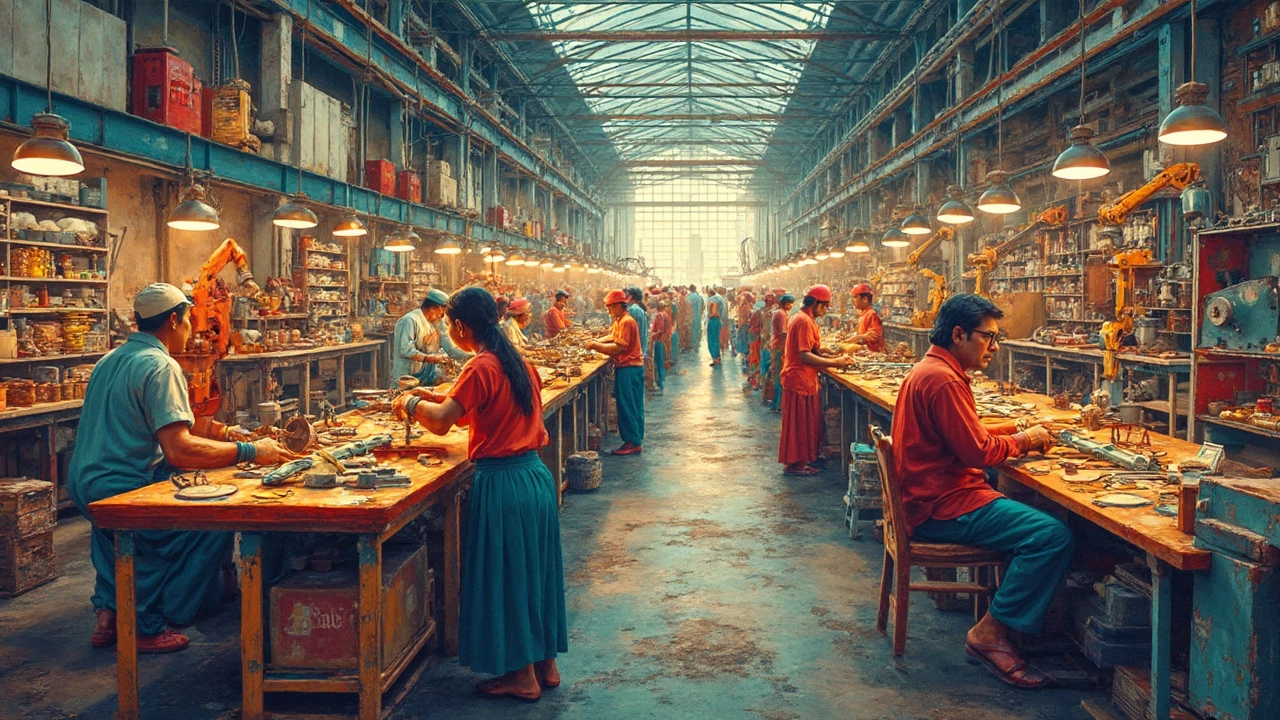
5 Types of Manufacturing You Need to Know About
Discover the five primary types of manufacturing that shape industries today. From custom to mass production, each type has unique attributes catering to diverse business needs. Uncover interesting insights and practical tips for selecting the right manufacturing method for your business. Learn about critical considerations including flexibility, cost, and efficiency in these informative highlights.
Manufacturing Business Ideas
Latest Posts




Tags
- manufacturing
- small scale manufacturing
- plastic manufacturing
- India
- plastic pollution
- food processing
- textile industry
- government schemes
- electronics manufacturing
- small business
- steel manufacturing
- startup ideas
- production
- textile manufacturers India
- manufacturing business ideas
- business ideas
- chemical manufacturers India
- electronics manufacturing India
- steel manufacturing plants
- manufacturing business