Manufacturing Clusters in India: Why They Drive Growth and Where to Find Them
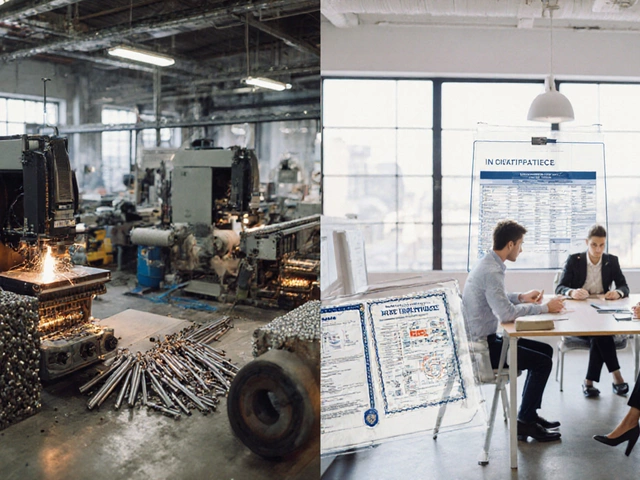
When you think of manufacturing clusters, geographic areas where related factories, suppliers, and skilled workers group together to produce goods more efficiently. Also known as industrial clusters, they’re not just collections of factories—they’re ecosystems that make production faster, cheaper, and smarter. In India, these clusters aren’t accidents. They’re planned, supported by state policies, and fueled by local expertise. You’ll find them in Gujarat’s chemical zones, Tamil Nadu’s auto parts hubs, and Karnataka’s electronics lanes. These aren’t big corporate campuses—they’re networks of small and medium shops working side by side, sharing logistics, skills, and even tools.
Why does this matter? Because when 50 small plastic molders sit near a single resin supplier, delivery time drops from days to hours. When 20 textile units share a single quality lab, testing costs shrink by half. And when a government offers tax breaks to a cluster instead of one company, the whole region grows. That’s why Gujarat, India’s top chemical and textile manufacturing state, accounting for nearly 45% of the nation’s chemical output has become a magnet for investors. It’s not just about cheap labor—it’s about the whole system working in sync. Same goes for electronics manufacturing, a fast-growing sector in India, led by states like Tamil Nadu and Andhra Pradesh with dedicated industrial parks and export incentives. These clusters turn scattered workshops into export-ready powerhouses.
You don’t need a billion-dollar plant to compete. Many of the most profitable small manufacturers in India started in these clusters—turning scrap metal into brackets, plastic waste into containers, or fabric scraps into bags. The secret? They’re not working alone. They’re part of a network that handles logistics, sourcing, and even training. That’s why the fastest-growing businesses in 2025 aren’t tech startups in Bangalore—they’re small factories in Ludhiana, Tiruppur, and Navi Mumbai, where the ecosystem does the heavy lifting. If you’re thinking about starting a manufacturing business, don’t just pick a city. Pick a cluster. The right one already has the tools, the workers, the suppliers, and the buyers waiting.
Below, you’ll find real examples of how these clusters work—from Gujarat’s textile incentives to India’s rising role in global electronics and furniture exports. No theory. Just what’s happening on the ground, and how you can use it.

Top Electronics Manufacturing Hubs in India: Chennai, Noida, and Bengaluru’s Rise
Explore where electronics manufacturing thrives in India, with a deep dive into Chennai, Noida, and Bengaluru. Find out how these cities turned into global production giants.
Electronics Manufacturing
Latest Posts




Tags
- manufacturing
- small scale manufacturing
- plastic manufacturing
- India
- plastic pollution
- food processing
- textile industry
- government schemes
- electronics manufacturing
- small business
- steel manufacturing
- startup ideas
- production
- textile manufacturers India
- manufacturing business ideas
- business ideas
- chemical manufacturers India
- electronics manufacturing India
- steel manufacturing plants
- manufacturing business