Manufacturing Challenges in India: Common Obstacles and Real Solutions
When you think about manufacturing challenges, the obstacles that slow down production, increase costs, or hurt quality in industrial operations. Also known as production bottlenecks, these issues aren’t just theoretical—they’re daily realities for factories across India. From tiny workshops in Ludhiana to large plants in Gujarat, every manufacturer deals with something: delayed raw materials, inconsistent power supply, outdated machinery, or workers who lack training. These aren’t minor hiccups. They’re the reason some businesses stay small, while others scale fast.
One big challenge is the supply chain, the network of suppliers, transporters, and distributors that move materials from source to factory floor. Also known as industrial logistics, it’s often fragmented in India. A textile mill in Tiruppur might wait weeks for dye because it’s imported from China, and customs delays hit hard. Meanwhile, a steel fabricator in Pune can’t get consistent high-grade iron ore because local mines lack proper certification. Without reliable inputs, even the best machines sit idle. Then there’s the skill gap, the mismatch between what workers know and what modern production needs. Also known as technical workforce shortage, it’s worse than most admit. You can buy a CNC machine from Germany, but if no one knows how to program it—or maintain it—the machine becomes a very expensive paperweight. This isn’t about education alone; it’s about hands-on, practical training that’s rarely offered.
And let’s not forget the hidden costs: power outages that ruin batches, quality control that’s done by eye instead of sensors, and the pressure to cut prices so low that margins vanish. These aren’t problems you solve with slogans or government schemes alone. They’re solved by real changes—better supplier networks, investing in maintenance, training workers on the job, and using simple tech like barcode scanners to track inventory. The best manufacturers in India aren’t the ones with the biggest factories. They’re the ones who fix what’s broken, step by step.
Below, you’ll find real stories from Indian factories—how Arvind Limited handles textile delays, why Gujarat’s chemical plants outperform others, how small makers turn scrap into profit, and which industries are fading because they ignored these challenges. No fluff. No theory. Just what’s working—and what’s not.
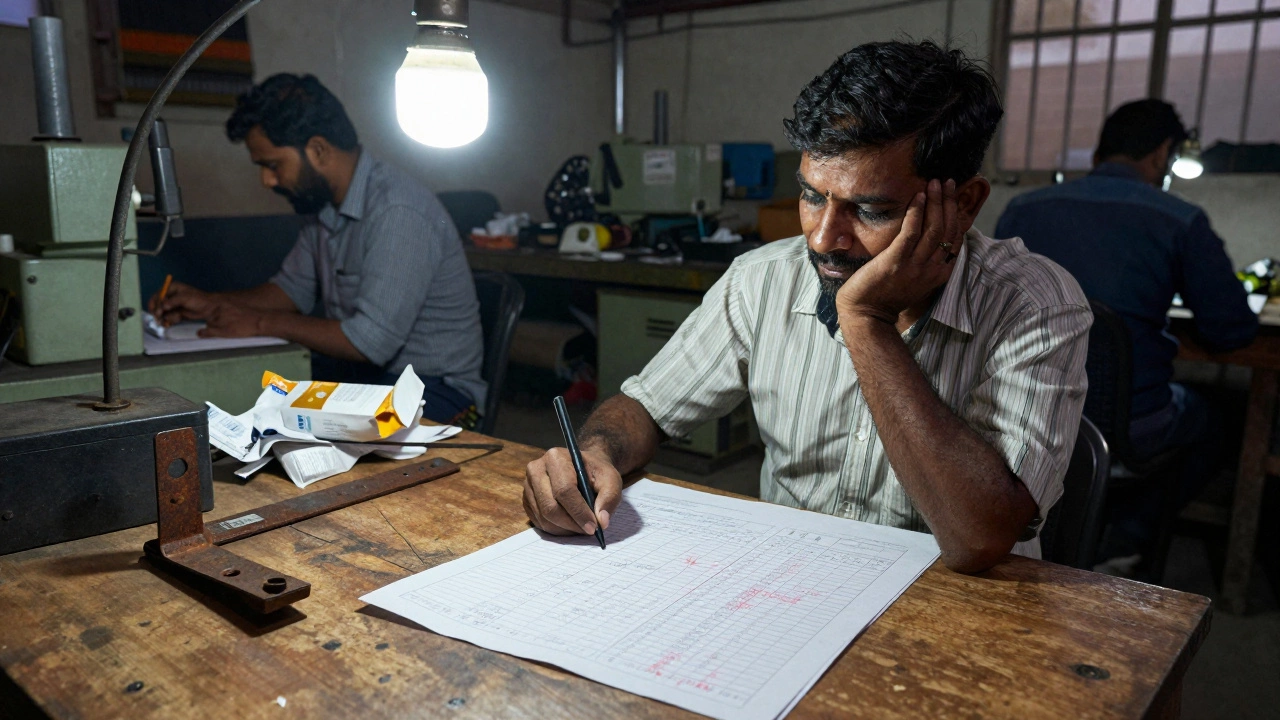
Why Do Small Scale Manufacturing Businesses Fail?
Small scale manufacturing businesses fail not because of bad products, but due to poor cash flow, ignored costs, lack of documentation, and resistance to change. Learn the real reasons behind the collapse-and how to avoid them.
Small Scale Manufacturing
Latest Posts




Tags
- manufacturing
- small scale manufacturing
- plastic manufacturing
- India
- plastic pollution
- food processing
- textile industry
- government schemes
- electronics manufacturing
- small business
- steel manufacturing
- startup ideas
- production
- textile manufacturers India
- manufacturing business ideas
- business ideas
- chemical manufacturers India
- electronics manufacturing India
- steel manufacturing plants
- manufacturing business